
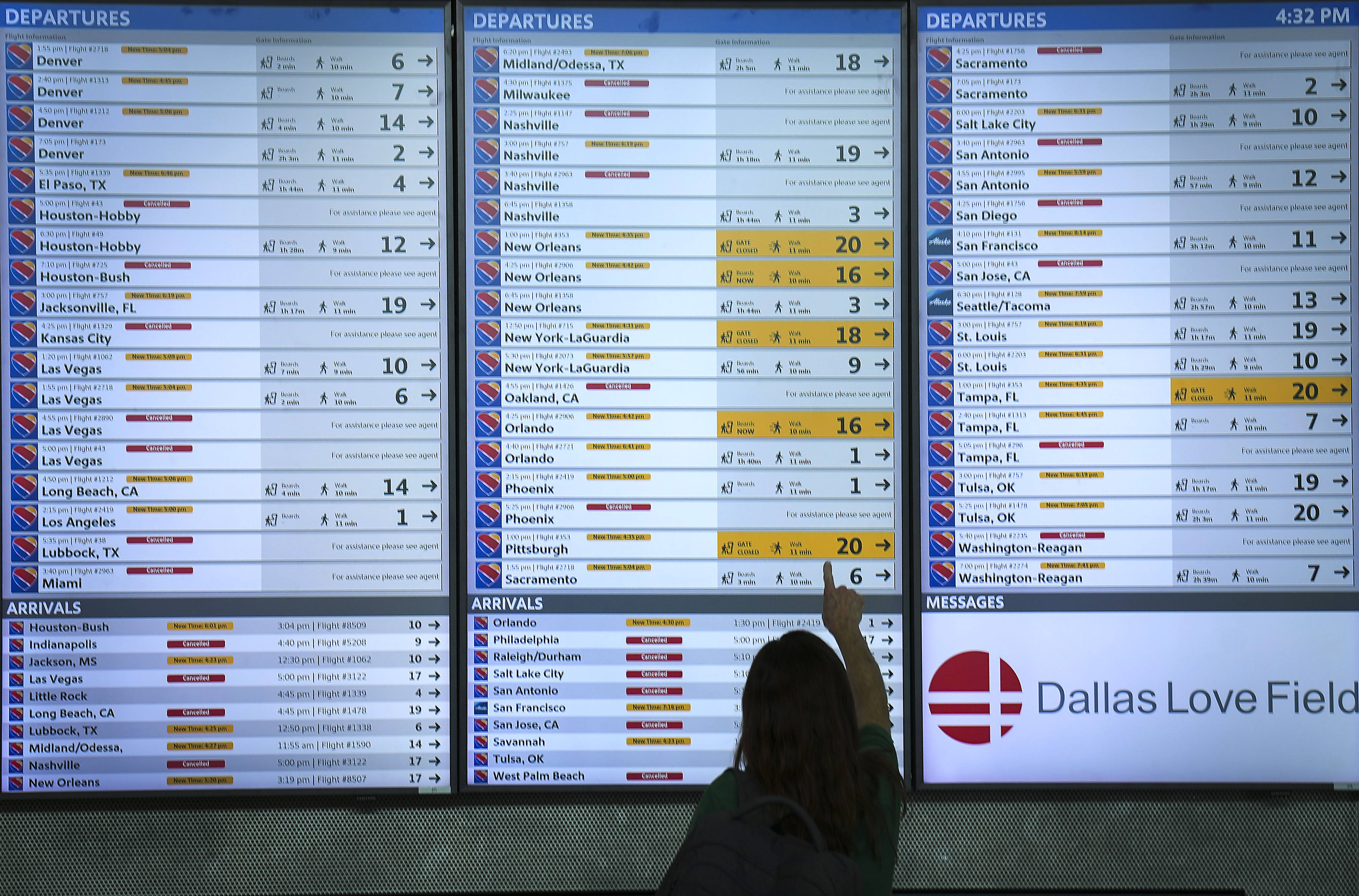
When a traveler looks at the departure board at Dallas-Fort Worth International (DFW) or Dallas Love Field (DAL) and sees a sea of red “Cancelled” text, the immediate instinct is to look out the window for storm clouds. However, in the modern era of aviation, the physical environment is often secondary to a far more complex digital environment. Dallas serves as one of the world’s most critical aviation hubs, housing the headquarters of American Airlines and Southwest Airlines. When flights are grounded in North Texas today, it is frequently a result of a catastrophic failure or a proactive safeguard within the massive technological stack that keeps the industry aloft.
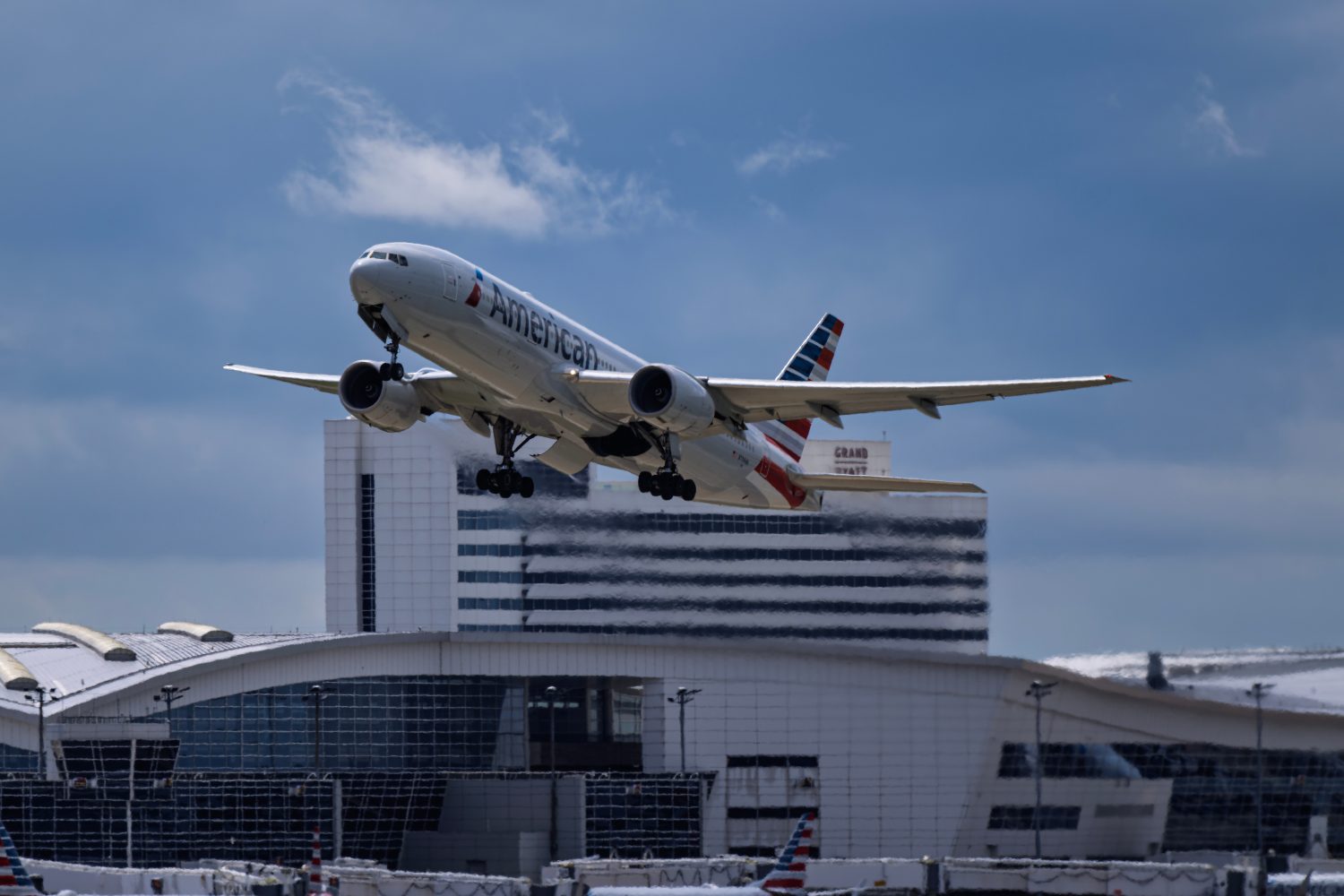
Understanding why flights are cancelled in Dallas requires a deep dive into the software, hardware, and data processing systems that manage everything from pilot schedules to the literal path of the aircraft through the sky.
The Software Stack of Modern Aviation: Why One Glitch Grounds a Fleet
The primary reason for mass cancellations in Dallas—home to the world’s most concentrated airline operations—is often found within the complex web of legacy software and modern cloud infrastructure. Modern airlines are no longer just transportation companies; they are massive data-processing entities that happen to own planes.
Legacy Systems vs. Modern Cloud Infrastructure
A significant portion of the global aviation infrastructure still relies on core systems built in the 1970s and 80s. These legacy frameworks, often written in languages like TPF (Transaction Processing Facility), are incredibly stable for high-volume transactions but struggle to integrate with modern, user-facing cloud applications.
When Dallas experiences a “tech-driven” grounding, it is often due to a failure in the API (Application Programming Interface) layer that connects these old databases to new mobile apps and gate kiosks. If the “source of truth”—the central database—cannot communicate with the frontline interfaces, the airline loses the ability to check in passengers or verify weight and balance manifests, necessitating an immediate “ground stop.”
The Critical Role of Crew Management Software
Perhaps the most vulnerable link in the technical chain is the crew scheduling software. In Dallas, where thousands of pilots and flight attendants start their rotations, the software must account for FAA-mandated rest periods, moving crews between connecting flights, and standby assignments.
In recent high-profile incidents, particularly those affecting carriers in the Dallas hub, the scheduling algorithms reached a “state of insolvency.” This occurs when the software loses track of where its personnel are located due to a minor delay. Once the data becomes desynchronized, the system cannot legally or safely assign a crew to a flight. Even if a plane is ready and the weather is clear, the flight is cancelled because the digital brain of the airline cannot “see” its employees.
Weather Prediction and AI: Navigating the Dallas Corridor
Dallas sits in a volatile meteorological region known as “Tornado Alley,” but the reason weather causes cancellations today is different than it was twenty years ago. Today, it is a matter of predictive algorithms and automated safety buffers.
How Meteorological Algorithms Determine Safety Buffers
The FAA and major airlines utilize Integrated Terminal Weather Systems (ITWS) and advanced AI-driven predictive modeling to manage the Dallas airspace. These systems ingest trillions of data points from NEXRAD radar, satellite imagery, and atmospheric sensors.
When these algorithms predict a 90% probability of a microburst or severe convection over the DFW arrival corridors within a two-hour window, the system automatically suggests a reduction in the “Arrival Acceptance Rate.” Technology allows airlines to see the storm before it forms. Consequently, they cancel flights hours in advance to prevent “gridlock on the tarmac,” where planes land but have no gates available because departing flights are held. This is a data-driven proactive strategy, rather than a reactive one.
The Impact of “Micro-Climates” on Automated Ground Holds
Dallas is unique because of its sprawling geography. A thunderstorm over North Fort Worth might not be visible from Love Field, yet it can shut down both airports. This is due to the “cornerposts” of the Dallas terminal airspace. The tech managing these cornerposts—specific geographic points that all arriving aircraft must pass through—is highly sensitive.
If AI modeling shows that one of these four “gates” in the sky will be blocked by weather, the software recalculates the throughput of the entire region. If the resulting math shows that the volume of traffic exceeds the capacity of the remaining open gates, the system triggers automated ground holds. In this scenario, technology is the arbiter of safety, choosing cancellation over the risk of airborne holding patterns that could lead to fuel exhaustion.
Cybersecurity and System Resilience: Lessons from Recent Outages
In an era of increasing connectivity, the threat to Dallas’s aviation hub isn’t just internal software bugs; it is the vulnerability of the global digital supply chain.
The Vulnerability of Interconnected Booking Systems
The aviation industry relies on Global Distribution Systems (GDS) like Sabre (headquartered in the Dallas area) or Amadeus. These systems are the backbone of global travel, linking airlines, travel agents, and corporate booking tools. Because these systems are so deeply interconnected, a technical hiccup in a data center halfway across the world can cause a “handshake failure” in Dallas.
If the GDS cannot verify a passenger’s ticket or communicate with the Department of Homeland Security’s “No Fly” database, the aircraft cannot move. This interconnectedness means that a cybersecurity patch gone wrong—as seen in the 2024 CrowdStrike incident—can brick the computers at every gate in DFW simultaneously. When the “Blue Screen of Death” hits the operational tech, the physical world of travel grinds to a halt.
Redundancy Planning and the Fail-Safe Paradox
Airlines invest billions in redundancy, but the “Fail-Safe Paradox” often takes hold. This occurs when the backup systems are so complex that they fail to trigger correctly, or the switch-over process causes a data corruption event.
In Dallas-based operations centers, engineers monitor “heartbeat” signals from servers. If a primary server in a North Texas data center fails, the system should theoretically fail-over to a secondary site. However, if the latency (the delay in data transmission) is too high during the switch, the flight manifests can become “fragmented.” To prevent a situation where two people are assigned the same seat or a passenger is boarded without a digital record, the protocol is often to halt all operations until the data integrity can be manually verified.
The Future of Flight Ops: Can AI Prevent Future Groundings?
The goal of the next generation of aviation technology is to move from “reactive cancellation” to “dynamic rescheduling.” The massive amount of data generated in the Dallas aviation corridor is now being used to train Large Language Models (LLMs) and neural networks to handle disruptions more gracefully.
Predictive Maintenance and Real-Time Logistics
One of the leading causes of “technical” cancellations is the AOG (Aircraft on Ground) status due to a mechanical failure. Modern jets like the Boeing 787 and Airbus A350 are essentially flying data centers, generating terabytes of data per flight.
Airlines are now using digital twins—virtual replicas of their engines and systems—to predict when a part will fail before it actually does. By using IoT (Internet of Things) sensors, a plane flying into Dallas can “tell” the maintenance hangar at DFW that a specific hydraulic pump is showing signs of wear. The goal is to have the part and the technician ready the moment the plane lands, eliminating the “cancelled due to maintenance” notification that plagues so many travelers.

Decentralized ATC Systems and Edge Computing
The future of flight in Dallas may also rely on “Edge Computing.” Currently, much of the decision-making is centralized in massive data centers or at the FAA’s command center. If the central link breaks, everything stops.
New tech initiatives are looking at decentralizing this logic, allowing individual aircraft and airport nodes to negotiate landings and takeoffs autonomously using a mesh network. If the central “brain” goes offline, the “edge” (the planes and the local towers) can continue to operate using localized data. This would ensure that even during a major software outage, the flights already in motion or ready for departure in Dallas could continue safely, reducing the ripple effect of cancellations across the global network.
In conclusion, when flights are cancelled in Dallas today, it is rarely a simple matter of rain or wind. It is the result of a highly sophisticated, yet occasionally fragile, technological ecosystem. From legacy codebases and AI weather modeling to cybersecurity vulnerabilities and predictive maintenance, the tech stack is the true navigator of the modern skies. As these systems become more resilient and autonomous, the hope is that the “Cancelled” sign becomes a relic of the past, replaced by a digital infrastructure that can adapt as fast as the North Texas weather changes.
aViewFromTheCave is a participant in the Amazon Services LLC Associates Program, an affiliate advertising program designed to provide a means for sites to earn advertising fees by advertising and linking to Amazon.com. Amazon, the Amazon logo, AmazonSupply, and the AmazonSupply logo are trademarks of Amazon.com, Inc. or its affiliates. As an Amazon Associate we earn affiliate commissions from qualifying purchases.