
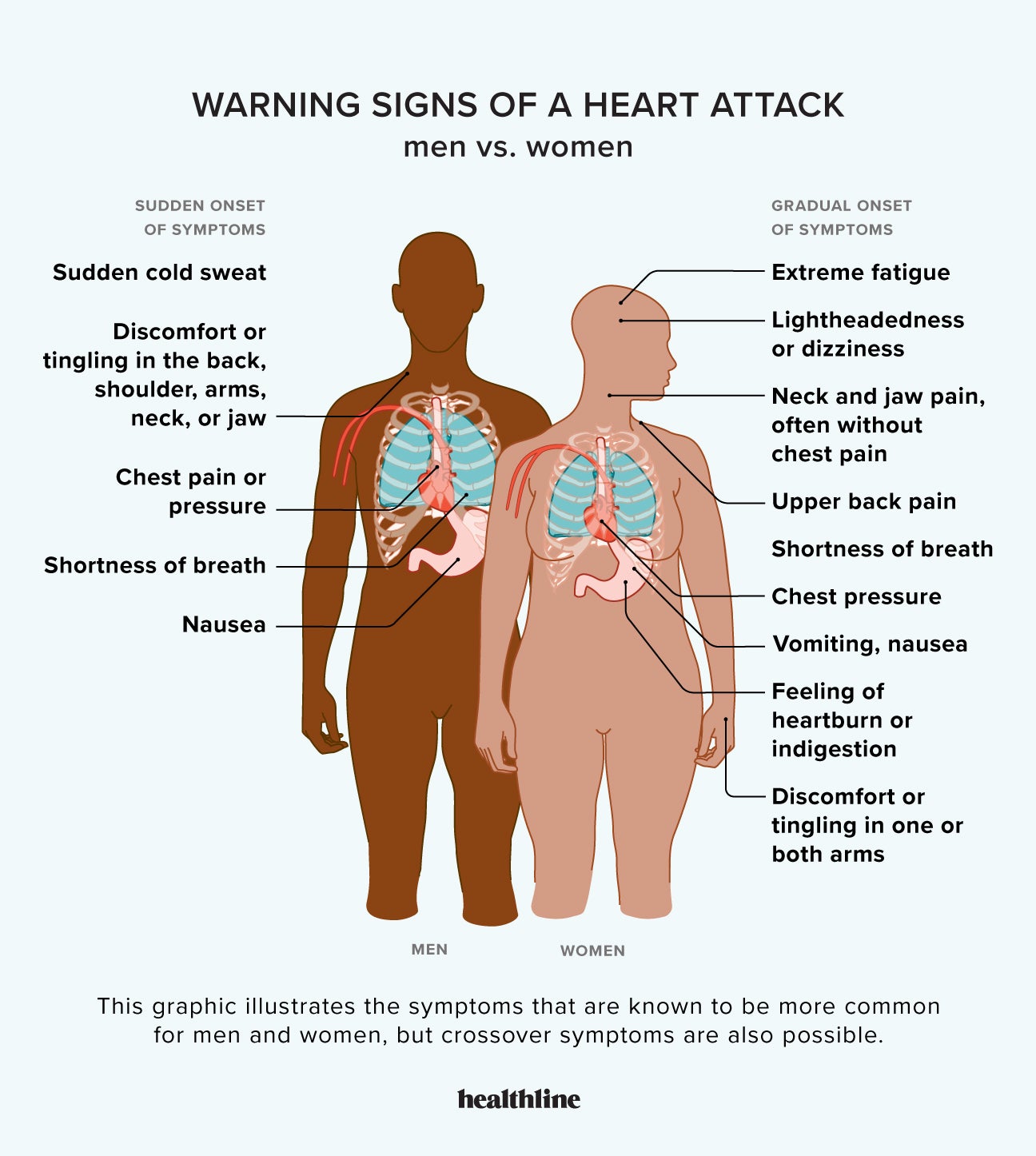
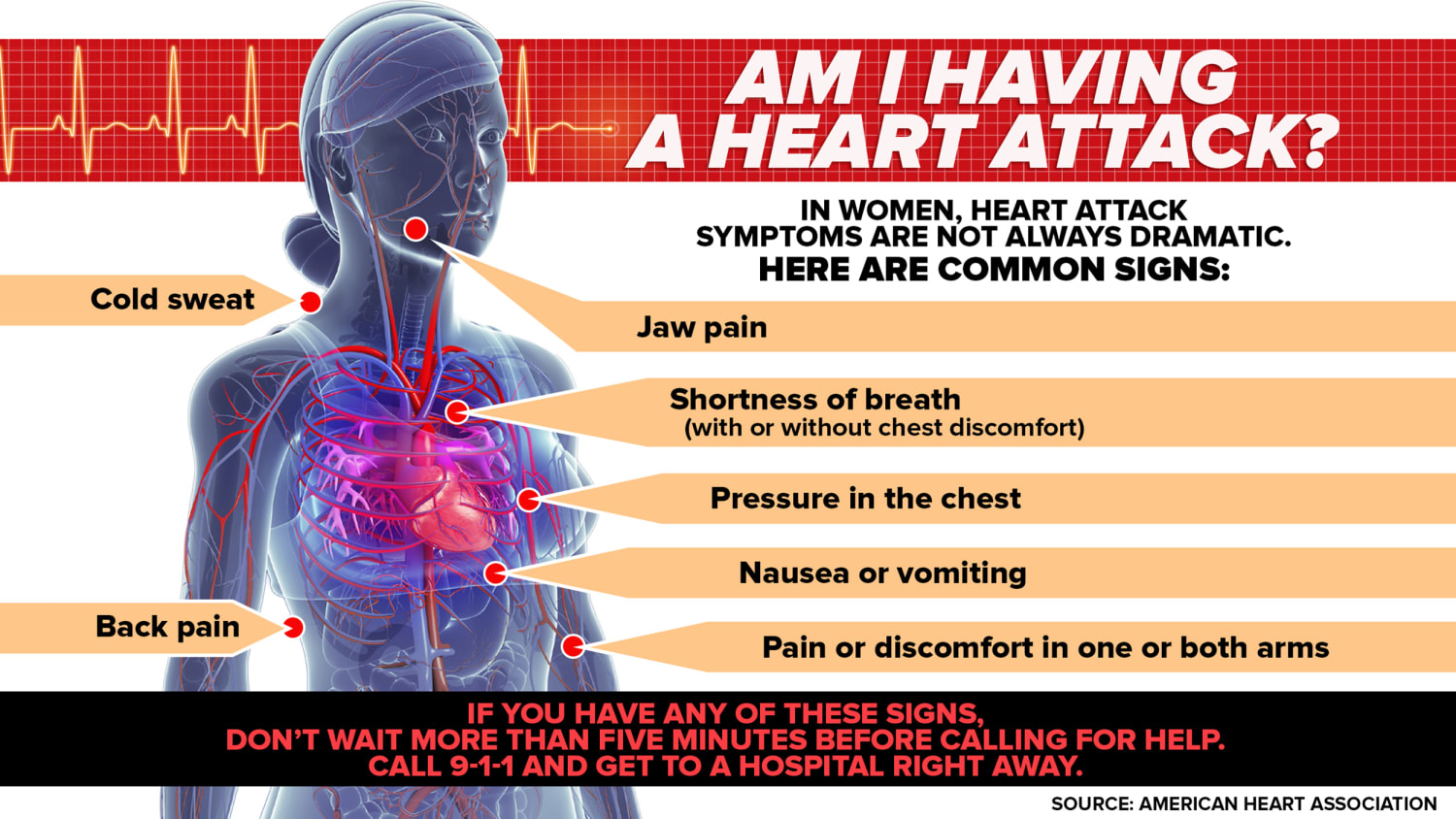
The human body is a complex system, and understanding its signals can be the difference between timely intervention and devastating consequences. Among the array of warning signs that can accompany a heart attack, jaw pain often stands out due to its sometimes subtle, yet critical, presentation. Historically, this symptom might have been dismissed or misunderstood, leading to delayed medical attention. However, in the modern era, technology plays an increasingly vital role in not only recognizing such nuanced symptoms but also in our broader understanding and management of cardiovascular health. This exploration delves into what jaw pain indicative of a heart attack feels like, but crucially, it examines how technological advancements are revolutionizing our ability to detect, monitor, and ultimately mitigate the risks associated with cardiac events, including those presenting with atypical pain.
The Shifting Landscape of Cardiac Symptom Detection: A Technological Perspective
Historically, the classic symptoms of a heart attack – crushing chest pain radiating to the left arm – were the primary focus of public health campaigns. While these remain critical indicators, a deeper understanding, fueled by technological data analysis and advanced imaging, has revealed a more complex and varied symptomatology. Jaw pain, often described as a secondary or referred pain, can originate from the heart’s nerve pathways but manifest in the jaw, neck, or even the back. Technology has been instrumental in identifying these less obvious patterns.
Advanced Imaging and Diagnostic Technologies
The advent of sophisticated medical imaging technologies has profoundly changed how we visualize and diagnose cardiovascular conditions. Technologies like:
1. Electrocardiograms (ECGs) and Wearable ECG Monitors
The electrocardiogram (ECG) remains a cornerstone of cardiac diagnosis. This non-invasive test measures the electrical activity of the heart, identifying abnormalities in rhythm and electrical pathways that can signal an impending or ongoing heart attack. The technological evolution of ECGs has moved from bulky hospital machines to portable devices and, more recently, to wearable technology. Smartwatches and fitness trackers now incorporate single-lead ECG capabilities, allowing individuals to capture heart rhythm data at home. While not a replacement for professional medical evaluation, these devices can alert users to potential arrhythmias or irregularities that might warrant further investigation. This democratization of cardiac monitoring offers a preliminary layer of technological defense, enabling earlier detection of potential issues that might be linked to symptoms like jaw pain.
2. Cardiac MRI and CT Scans
Magnetic Resonance Imaging (MRI) and Computed Tomography (CT) scans provide incredibly detailed anatomical and functional views of the heart. Cardiac MRI can assess heart muscle damage, blood flow, and valve function with remarkable precision. CT angiography allows for detailed visualization of the coronary arteries, detecting blockages or narrowing that could lead to a heart attack. These technologies, while primarily used in clinical settings, are crucial for confirming diagnoses and understanding the underlying causes of cardiac events, including those where atypical symptoms like jaw pain were the presenting complaint. Analyzing the vast datasets generated by these scans also contributes to AI-driven diagnostic tools, further refining our ability to interpret complex cardiac presentations.
3. Echocardiography
An echocardiogram uses ultrasound waves to create moving pictures of the heart. It assesses the heart’s size and shape, how well its chambers and valves are working, and the strength of the heart muscle. This non-invasive technique is vital for evaluating overall heart function and can identify structural abnormalities that might predispose an individual to cardiac events, or help understand the impact of a cardiac event that presented with unusual symptoms.
The Role of AI and Machine Learning in Symptom Analysis
Beyond direct imaging, artificial intelligence (AI) and machine learning (ML) are transforming how we process and interpret health data, including the nuances of symptom presentation.
1. Predictive Analytics for Cardiac Risk
AI algorithms are being trained on massive datasets of patient health records, including demographic information, lifestyle factors, medical history, and symptom descriptions. By identifying complex patterns and correlations that might be imperceptible to human analysis alone, these models can predict an individual’s risk of a heart attack. While not directly diagnosing jaw pain, AI can flag individuals with multiple risk factors who report any unusual symptoms, prompting them to seek medical attention. This proactive approach is a significant technological leap in preventative healthcare.
2. Natural Language Processing (NLP) for Symptom Description
When patients describe their symptoms, especially pain, the language can be highly subjective and varied. Natural Language Processing (NLP) is a branch of AI that enables computers to understand and process human language. In a healthcare context, NLP can analyze patient narratives from electronic health records, telehealth consultations, or even symptom-tracking apps to identify keywords, sentiments, and descriptions that are statistically associated with specific conditions, including heart attacks. This means technology can help decipher the subtle differences in how jaw pain might be described by someone experiencing a cardiac event versus another ailment.
3. AI-Assisted Diagnostic Support
AI systems are being developed to act as diagnostic assistants for clinicians. By feeding patient data, including symptom descriptions, vital signs, and diagnostic test results into these systems, AI can provide differential diagnoses and highlight potential serious conditions. For a symptom like jaw pain during a suspected cardiac event, AI could cross-reference this with other data points (e.g., shortness of breath, nausea, previous cardiac history) to flag a higher probability of a heart attack, guiding the clinician towards a more immediate and focused investigation.
Technological Innovations in Remote Monitoring and Early Warning Systems
The ability to monitor physiological data remotely and receive early warnings is a game-changer in managing conditions that can manifest with subtle or atypical symptoms like jaw pain during a heart attack.
Wearable Health Trackers and Smart Devices
The proliferation of wearable technology has moved health monitoring from the clinic to the everyday lives of individuals.
1. Continuous Heart Rate and Rhythm Monitoring
Smartwatches and fitness trackers continuously monitor heart rate and, in some cases, heart rhythm (via ECG). Deviations from an individual’s baseline, such as sudden spikes in heart rate or irregular rhythms, can be flagged as potential alerts. While these are not direct indicators of jaw pain, they can provide crucial context if the pain is experienced concurrently. An unusual heart rhythm detected by a wearable device alongside reported jaw pain would significantly increase the urgency of seeking medical attention.
2. Blood Oxygen and Respiration Monitoring
Some advanced wearables can also track blood oxygen saturation (SpO2) and respiration rate. While not universally indicative of a heart attack, significant drops in SpO2 or changes in breathing patterns can be associated with cardiovascular distress. Integrating this data with symptom reporting offers a more comprehensive physiological picture.
3. Telehealth Platforms and Symptom Trackers
Telehealth platforms have become increasingly sophisticated, allowing for remote consultations with healthcare professionals. Integrated symptom-tracking apps or modules within these platforms enable patients to log their symptoms, including the location, intensity, and duration of pain. This data can be transmitted to healthcare providers for real-time assessment. The structured input required by these apps can also help patients articulate their symptoms more precisely, ensuring that even seemingly minor or unusual pain, like jaw pain, is documented and considered in the context of potential cardiac risk.
Connected Medical Devices and Home Health Systems
Beyond personal wearables, the broader ecosystem of connected medical devices is enhancing remote patient care.
1. Remote Patient Monitoring (RPM) Systems
RPM systems allow healthcare providers to monitor patients’ vital signs and other health data from their homes. For individuals with known cardiac conditions or those at high risk, these systems can continuously transmit data such as blood pressure, weight, and heart rhythm to their care team. An anomaly detected by an RPM system, especially if the patient reports symptoms like jaw discomfort, can trigger an alert to the medical provider for immediate follow-up.
2. Emergency Alert Systems and Fall Detection
While primarily designed for elderly individuals, many personal emergency response systems (PERS) and smart home devices incorporate fall detection. In the context of a potential heart attack, a sudden collapse or incapacitation due to severe pain, including jaw pain, could be detected and automatically trigger an alert to emergency services. This acts as a failsafe mechanism, leveraging technology to ensure rapid response even when the individual is unable to call for help themselves.
Technological Approaches to Patient Education and Awareness
Technology is not just about diagnosis and monitoring; it’s also a powerful tool for educating the public about health risks and symptom recognition.
Digital Health Platforms and Educational Resources
The internet and digital platforms have revolutionized access to health information.
1. Interactive Symptom Checkers and AI-Powered Chatbots
Online symptom checkers, often powered by AI and sophisticated algorithms, can guide users through a series of questions about their symptoms. While they cannot provide a definitive diagnosis, they can help individuals understand the potential seriousness of their symptoms, including atypical presentations of heart attacks, and advise them on whether to seek immediate medical attention. AI-powered chatbots are becoming increasingly sophisticated in understanding nuanced descriptions of pain, potentially identifying patterns associated with cardiac events.
2. Mobile Applications for Health Tracking and Education
A plethora of mobile applications are available for tracking various health metrics, managing chronic conditions, and accessing educational content. These apps can provide detailed information about heart attack symptoms, risk factors, and what to do in an emergency. They can also gamify health management, encouraging users to stay informed and engaged with their well-being, thereby increasing the likelihood of recognizing and responding to critical symptoms like jaw pain.
3. Social Media and Public Health Campaigns
Digital platforms, including social media, have become integral to public health campaigns. Organizations leverage these channels to disseminate critical information about recognizing heart attack symptoms, emphasizing that symptoms can vary greatly and may not always involve classic chest pain. Targeted campaigns can reach diverse populations, raising awareness about less common but equally dangerous signs, such as jaw pain.
Virtual Reality (VR) and Augmented Reality (AR) for Enhanced Understanding
While still in nascent stages for widespread public health education, VR and AR offer innovative ways to visualize complex biological processes.
1. Immersive Learning Experiences
VR simulations could potentially allow individuals to experience a visual representation of how a heart attack impacts the body, including the referred pain pathways that cause jaw discomfort. This immersive approach can foster a deeper, more visceral understanding of the condition, making the information more memorable and impactful than static text or images.

2. AR-Guided Self-Assessment Tools
Imagine an AR application that overlays information onto the body, guiding users through a self-assessment of potential symptom locations. While not a diagnostic tool, it could help individuals pinpoint areas of discomfort and understand their potential link to underlying physiological processes, further empowering them to communicate effectively with healthcare providers.
In conclusion, the seemingly simple question of “what does jaw pain feel like during a heart attack” unlocks a broader conversation about how technology is fundamentally reshaping our approach to cardiac health. From advanced diagnostic imaging and AI-powered analytics to wearable monitors and educational platforms, technology is providing unprecedented tools for understanding, detecting, and responding to life-threatening conditions. By embracing these advancements and staying informed about how technology can empower us in recognizing even the most atypical symptoms, we can significantly improve outcomes and foster a more proactive, health-conscious society. The dialogue around jaw pain during a heart attack is no longer solely a medical one; it is increasingly a testament to the power of technological innovation in safeguarding our well-being.
aViewFromTheCave is a participant in the Amazon Services LLC Associates Program, an affiliate advertising program designed to provide a means for sites to earn advertising fees by advertising and linking to Amazon.com. Amazon, the Amazon logo, AmazonSupply, and the AmazonSupply logo are trademarks of Amazon.com, Inc. or its affiliates. As an Amazon Associate we earn affiliate commissions from qualifying purchases.