
Halloween, in its contemporary form, is a cultural phenomenon characterized by costumes, candy, and communal gatherings. While its origins are complex and debated, its modern iteration functions as a powerful cultural “brand” with distinct archetypes, narratives, and a significant economic footprint. Examining the biblical texts through the lens of brand analysis, rather than theological exegesis, allows us to explore the enduring human fascination with themes that Halloween often embodies. From the perspective of brand strategy, the Bible, as a foundational text for many cultures, presents a rich tapestry of stories and moral frameworks that can be seen as ancient, powerful “brands” of thought and behavior. When we consider “what the Bible says about Halloween,” we are, in essence, asking how its established narratives and ethical systems interact with, or potentially prefigure, the archetypal elements that coalesce in the modern Halloween brand.
The Archetypes of Fear and Transformation in Ancient Narratives
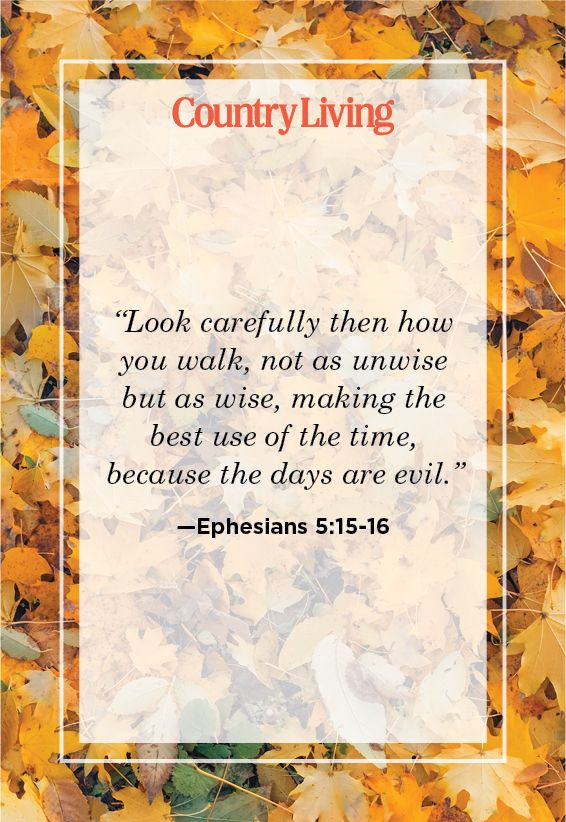
The Bible, as a collection of diverse texts written over centuries, contains numerous narratives that tap into primal human emotions and societal concerns, many of which are echoed in the cultural resonance of Halloween. From a brand perspective, understanding these archetypes is crucial to grasping their enduring appeal and how they shape collective consciousness. Halloween, as a brand, often leverages archetypes of the uncanny, the monstrous, and the supernatural. Examining biblical narratives allows us to trace the historical lineage of these archetypal appeals.
The Serpent and the Temptation: Seeds of the Unseen Threat
One of the earliest and most potent archetypes present in the biblical narrative is that of temptation and the unseen adversary. The story of Adam and Eve in the Garden of Eden (Genesis 3) introduces the serpent, a figure representing deception, knowledge gained through forbidden means, and a disruption of the established order. This narrative resonates with the Halloween archetype of the lurking danger, the seductive allure of the forbidden, and the forces that operate outside human control. The serpent’s whispered temptations, promising power and enlightenment, can be seen as an ancient precursor to the narrative of the “deal with the devil” or the fascination with dark magic that often features in Halloween lore. From a brand standpoint, these are foundational elements of the “shadow” archetype – the dark, unknown, and potentially destructive aspects of existence that humans are both repelled by and drawn to.
The Fall and Redemption: Cycles of Darkness and Light
The broader narrative arc of the Bible often involves cycles of descent into darkness, followed by a struggle for redemption and a return to light. The concept of the “fall” – whether it’s humanity’s fall from grace or the fall of kingdoms – is a recurring theme. This duality of darkness and light, of sin and salvation, is inherently dramatic and appeals to our deepest psychological needs for narrative resolution. Halloween, in its own way, plays with this duality. The temporary inversion of norms, the embrace of macabre imagery, and the “spirit” of the season can be seen as a collective engagement with the “darkness,” often followed by a return to normalcy and communal celebration (trick-or-treating, parties). This cyclical engagement with themes of peril and eventual safety mirrors the narrative structures that make many ancient stories, including biblical ones, so enduring. The brand of “hope” and “restoration” is powerfully presented in the Bible, and the anxieties addressed on Halloween can be seen as a cultural exploration of the opposite poles of this spectrum.
Portrayals of the Supernatural and Spiritual Warfare
The biblical texts are replete with accounts of supernatural encounters, divine interventions, and spiritual conflicts. These narratives, when viewed through the lens of brand messaging, highlight the power of invoking the extraordinary to convey profound truths or to inspire awe and fear. The presence of angels, demons, prophets, and miraculous events establishes a spiritual landscape that is far from mundane.
Angels and Demonic Forces: The Cosmic Battleground
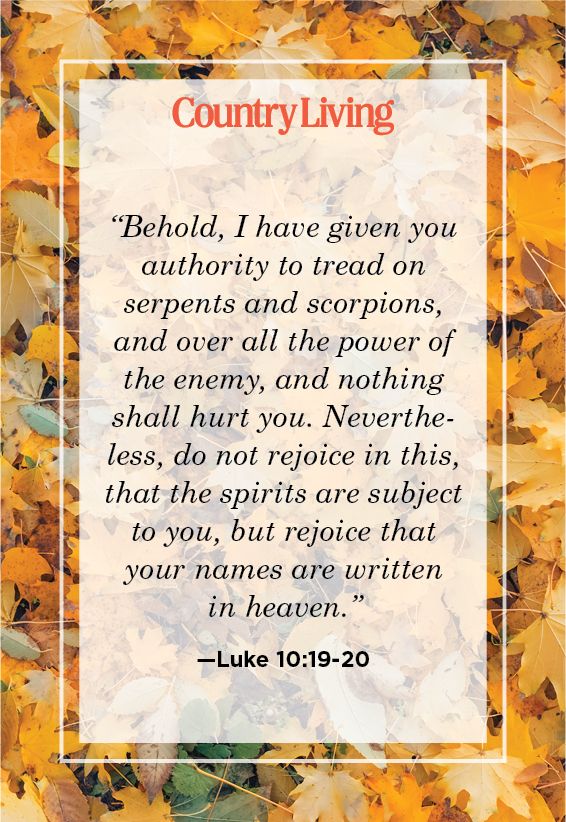
The Bible frequently depicts a cosmic battle between good and evil, personified by angelic beings and demonic entities. Figures like Satan are presented as active adversaries, seeking to lead humanity astray. This portrayal of an ongoing spiritual warfare provides a framework for understanding the allure of supernatural battles and the depiction of demons and spirits as significant forces within Halloween iconography. While the Bible presents these as literal spiritual realities, the narrative function of these beings – representing temptation, chaos, and opposition to divine order – aligns with the symbolic roles they play in Halloween narratives. The brand of “divine protection” versus the “threat of damnation” is a core element of biblical messaging that finds an echo in the cultural anxieties explored during Halloween.
Divination and the Occult: Warnings and Discouragement
The biblical prohibition against practices like divination, sorcery, and seeking the counsel of the dead (e.g., Deuteronomy 18:10-12, Leviticus 19:31) is significant. These passages speak to a concern about attempting to gain knowledge or power outside of divinely sanctioned means. While Halloween traditions often feature fortune-telling, séances, and the invocation of spirits, these biblical injunctions serve as counter-narratives to such practices. From a brand perspective, these passages represent a strong branding of “spiritual integrity” and “reliance on divine providence.” They position the biblical brand as one that discourages engagement with what are perceived as dangerous or deceptive spiritual pathways, offering a clear ethical boundary. The contrast between these warnings and the popular embrace of similar themes in secular culture highlights the persistent human curiosity about the unknown, even when warned against it.
The Bible’s Influence on Western Cultural Narratives of the Eerie
While the Bible does not explicitly mention “Halloween” as a holiday, its profound influence on Western civilization means that many of the themes and anxieties that Halloween taps into have been shaped by biblical narratives and their interpretation over centuries. The Bible has contributed to a cultural vocabulary for understanding the otherworldly, the unsettling, and the moral implications of confronting darkness.
Morality Tales and Cautionary Accounts
Throughout the Bible, numerous stories serve as morality tales, illustrating the consequences of sin, disobedience, and straying from righteous paths. These cautionary accounts, while serving a spiritual and ethical purpose, also contribute to a collective understanding of what constitutes “wrongdoing” and the potential for negative repercussions. This emphasis on moral frameworks and the notion of accountability can be seen as a foundational element of the “conscience” archetype that informs many cultural traditions, including those that manifest in Halloween. The brand of “divine justice” and “ethical consequence” is a potent one, and the stories that embody it have undoubtedly influenced how societies conceptualize the boundaries of acceptable behavior and the potential for transgression, which Halloween often playfully (or seriously) explores.
The Enduring Power of Symbolism and Narrative
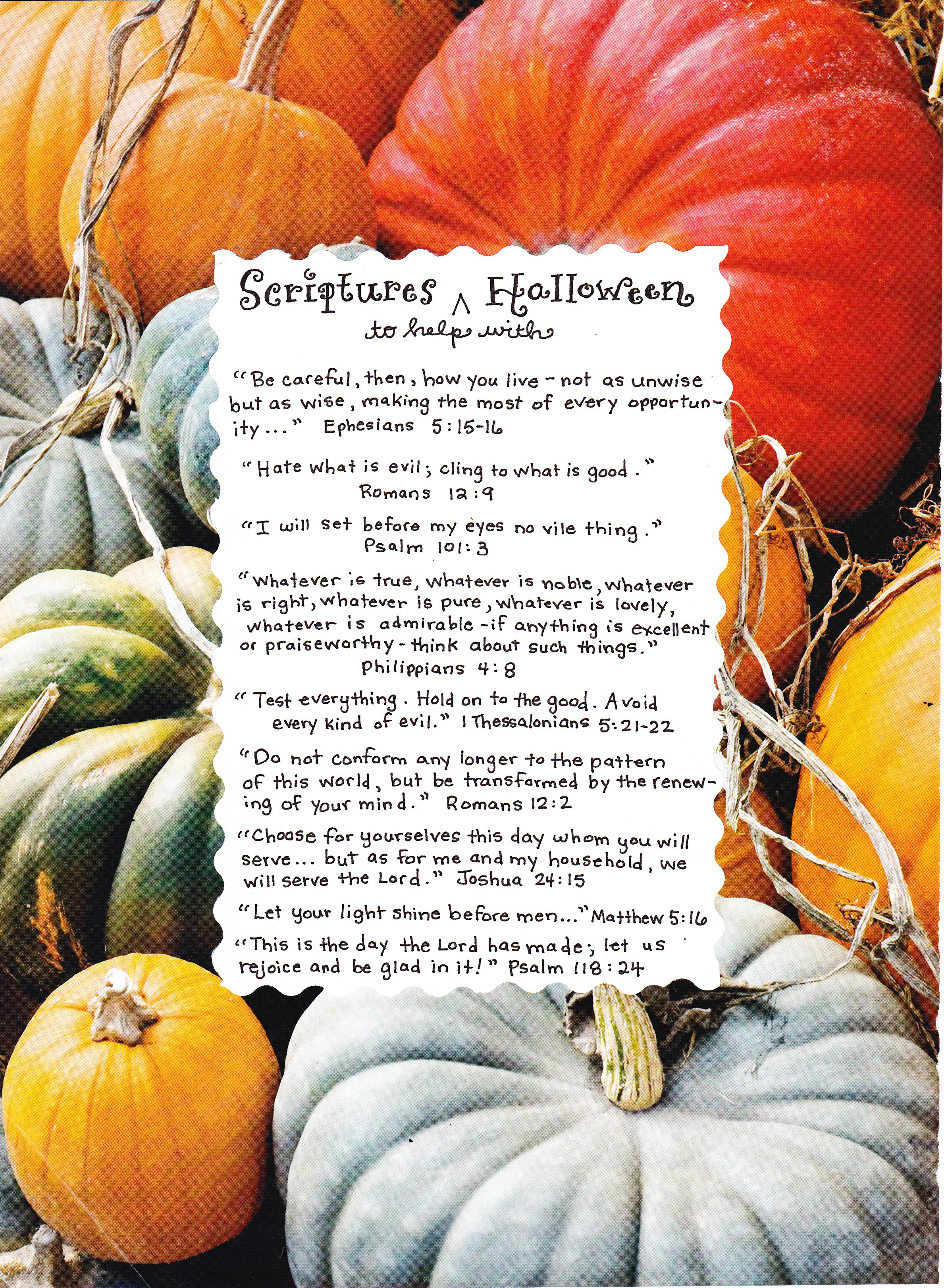
The Bible is a masterclass in the enduring power of symbolism and narrative. Its stories, parables, and prophecies have been interpreted, reinterpreted, and adapted for millennia, demonstrating an unparalleled ability to resonate across generations and cultures. Halloween, as a cultural brand, also relies heavily on symbolism – pumpkins, ghosts, witches, skeletons – and a shared narrative understanding of what these symbols evoke. The Bible’s longevity as a text and its influence on art, literature, and societal values suggest that its underlying archetypes and moral frameworks have a deep and lasting impact. While not a direct endorsement or condemnation of Halloween, the biblical texts offer a rich context for understanding the human fascination with themes of life, death, the supernatural, and the eternal struggle between good and evil, elements that are inextricably woven into the fabric of this modern cultural observance. The Bible, as a deeply ingrained “brand” of spiritual and moral instruction for a significant portion of the world, offers a continuous dialogue with the cultural expressions of humanity’s deepest questions and curiosities.
aViewFromTheCave is a participant in the Amazon Services LLC Associates Program, an affiliate advertising program designed to provide a means for sites to earn advertising fees by advertising and linking to Amazon.com. Amazon, the Amazon logo, AmazonSupply, and the AmazonSupply logo are trademarks of Amazon.com, Inc. or its affiliates. As an Amazon Associate we earn affiliate commissions from qualifying purchases.