
The question “What does Godzilla look like?” might, at first glance, evoke images of a rampaging monster, a primal force of nature. However, when viewed through a lens of technological evolution and design innovation, Godzilla’s appearance transforms from a creature of myth into a fascinating case study of how visual effects, animatronics, and digital artistry have shaped our perception of cinematic titans. This article will delve into the technological and design journey of Godzilla, exploring how advancements in filmmaking have progressively redefined his iconic form, from his humble, suit-based origins to his hyper-realistic, digitally rendered present. We will examine the underlying technologies, the creative design processes, and the impact of these choices on the enduring appeal of the King of the Monsters.

The Genesis of a Titan: Early Technological Constraints and Creative Solutions
Godzilla’s debut in 1954 was a product of its time, heavily influenced by the limitations and ingenuity of filmmaking technology in post-war Japan. The iconic depiction of Godzilla was born out of necessity, with filmmakers employing a blend of practical effects and miniature work that, while primitive by today’s standards, laid the foundational blueprint for the creature’s enduring silhouette.
The Suitmation Era: Embodiment Through Practicality
The most defining technological innovation of early Godzilla films was the “suitmation” technique. This involved a large, often unwieldy, rubber suit worn by a performer, typically Haruo Nakajima, who brought the creature to life through physical performance. The suit itself was a marvel of engineering for its era, constructed from materials like latex and rubber, often reinforced with wireframes to maintain its shape.
Material Science and Prop Construction
The materials used in the Godzilla suit were crucial to its visual impact. The texture, the way light played off its scaly hide, and the sheer physical presence were all dictated by the properties of latex and rubber. Early designs focused on a more reptilian, almost dinosaurian aesthetic, reflecting the scientific understanding and popular imagination of prehistoric creatures at the time. The limitations of the suit meant that Godzilla’s movements were often ponderous, a deliberate choice that lent him a sense of immense weight and power, but also a certain deliberateness that would be iterated upon in later iterations.
Miniature Sets and Forced Perspective
To create the illusion of Godzilla’s colossal scale, filmmakers employed extensive miniature sets and forced perspective techniques. Entire cityscapes were meticulously crafted at a fraction of their actual size, allowing the costumed actor within the Godzilla suit to interact with them in a way that suggested destruction on a grand scale. The use of cameras positioned at specific angles, coupled with careful lighting, helped to further enhance the perception of Godzilla’s immense stature, a clever workaround for the lack of sophisticated CGI.
Evolution of Design and the Rise of Animatronics
As filmmaking technology progressed, so too did the visual representation of Godzilla. The suitmation era, while iconic, presented inherent limitations in terms of nuanced expression and dynamic action. The transition to more sophisticated animatronics and advanced puppetry marked a significant leap forward, allowing for greater detail and more lifelike interactions with the environment.
Incorporating Mechanical Artistry
The late 1960s and 1970s saw the integration of animatronics into Godzilla’s portrayal. While still a suit-based performance, certain elements of Godzilla’s appearance and movement could be controlled remotely. This included features like opening jaws, blinking eyes, and even subtle head movements, which added a layer of expressiveness and realism previously unattainable.
The Role of Puppetry and Rod Control
Complex puppetry, often involving large mechanical rigs and numerous control rods, allowed for more intricate actions and reactions. This enabled Godzilla to, for instance, engage in more detailed combat with other kaiju or exhibit more varied responses to human endeavors. The focus remained on practical effects, but with a heightened level of mechanical sophistication, pushing the boundaries of what could be achieved on set.
Mini-Gojira and Scale Manipulation
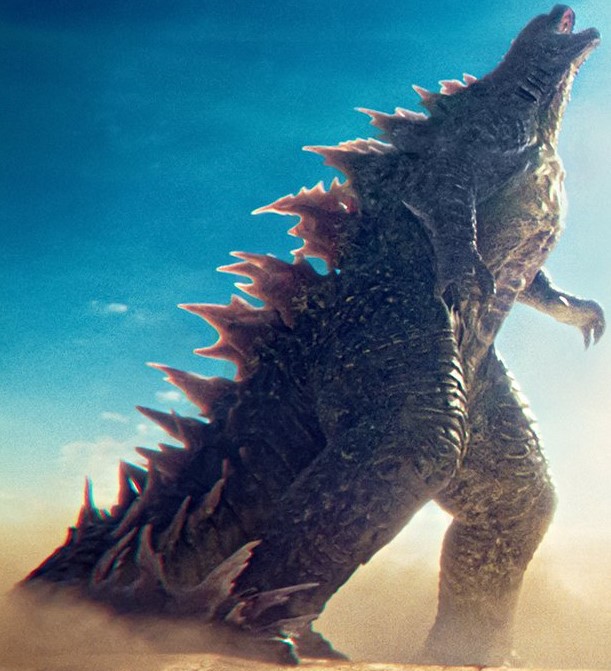
For certain scenes requiring more dynamic action or closer shots, smaller, more detailed models of Godzilla were often used. These “Mini-Gojira” figures, sometimes controlled via wires or specialized rigs, allowed for more fluid movement and intricate details that were difficult to achieve with the full-sized suit. This demonstrated a growing understanding of scale manipulation as a critical element in visual storytelling.
The Digital Revolution: CGI and Hyper-Realism
The advent of digital technology, particularly computer-generated imagery (CGI), fundamentally reshaped the landscape of monster movies, and Godzilla was no exception. The transition from practical effects to digital rendering allowed for unprecedented levels of detail, realism, and the depiction of creatures with truly impossible physics.
Reimagining Godzilla Through Digital Sculpting and Animation
The 2000s and beyond witnessed Godzilla’s full embrace of CGI. This began with hybrid approaches, where digital enhancements were layered onto practical elements, but eventually led to entirely CG characters. Digital sculpting allowed artists to create Godzilla with intricate anatomical details, from the texture of his scales to the musculature beneath his skin.
Advanced Rendering and Texturing Techniques
The realism of modern Godzilla is a testament to advancements in rendering and texturing. High-resolution scans of real-world textures, sophisticated algorithms for light interaction, and complex shaders have allowed digital artists to simulate everything from the gleam of his dorsal fins to the subtle imperfections in his hide. This creates a creature that, while fantastical, feels grounded and tangible.
Motion Capture and Digital Performance
While not always a direct performance capture in the traditional sense for Godzilla, the principles of capturing nuanced movement have been applied. Sophisticated animation rigs and physics simulations allow animators to imbue Godzilla with a sense of weight, power, and even subtle emotional cues. The goal is to create a digital being that moves and reacts with a believability that transcends the limitations of physical suits and animatronics.
The Modern Godzilla: A Synthesis of Design Philosophies
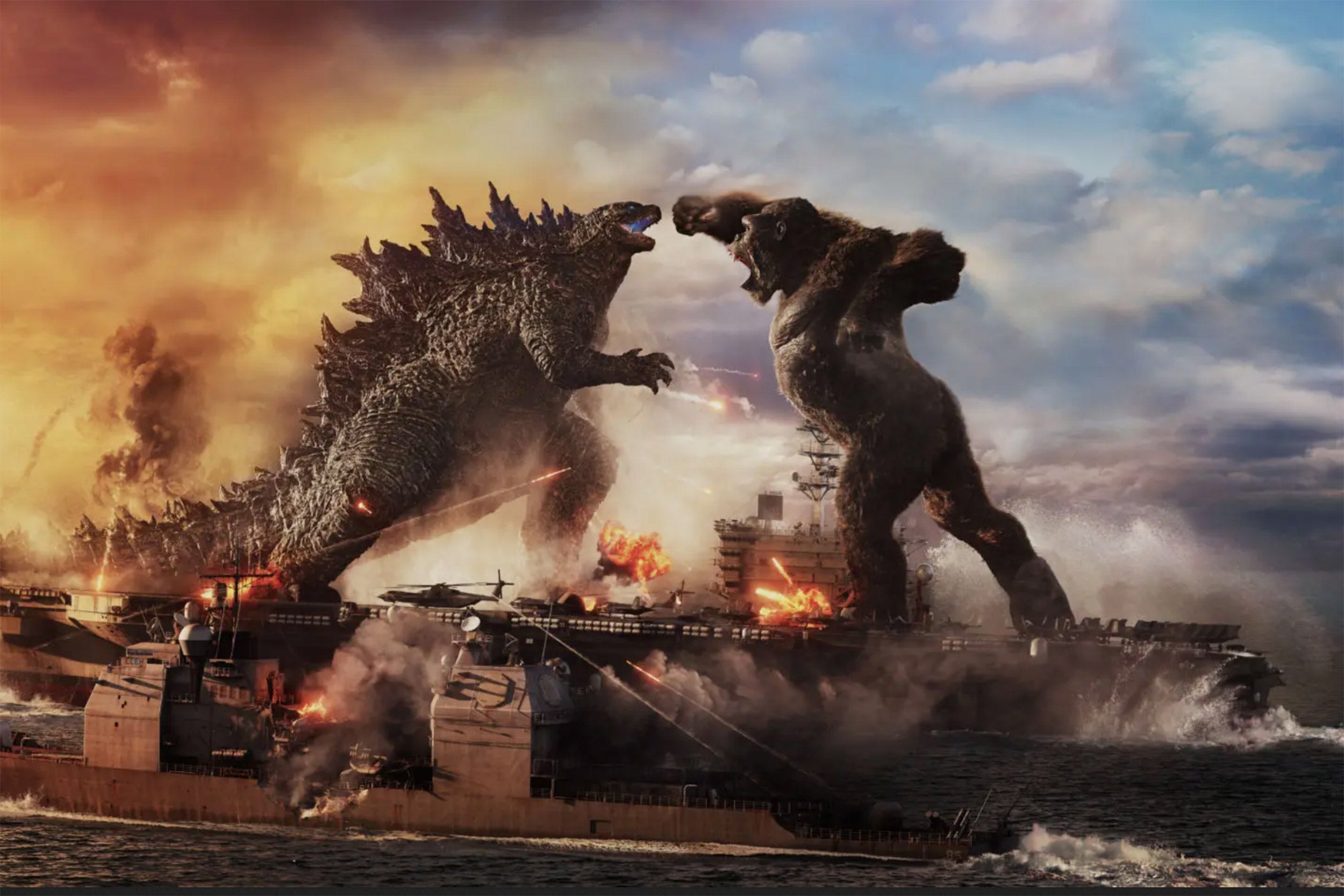
Today’s Godzilla, as seen in films like the MonsterVerse series, represents a culmination of decades of design and technological evolution. While digital tools are paramount, the core design principles that made the original so iconic are often referenced and reinterpreted.
Reinterpreting Classic Elements for a Modern Audience
Modern Godzilla designs often pay homage to his original appearance, retaining key features like his upright posture, dorsal fins, and powerful tail. However, these elements are often re-proportioned, detailed, and reimagined to fit a contemporary aesthetic and narrative. The scale is often amplified, the reptilian features are more pronounced, and the overall presence is amplified to convey an even greater sense of destructive force.
The Impact of Sound Design and Visual Effects Synergy
It’s crucial to acknowledge that Godzilla’s appearance is not solely a visual endeavor. The synergistic relationship between visual effects and sound design is integral to his impact. The roars, the footsteps, the atomic breath – these sonic elements, meticulously crafted using advanced audio technology, are as vital to defining “what Godzilla looks like” in the audience’s mind as his visual representation. The crunch of buildings, the seismic tremors – these are all part of a cohesive sensory experience, driven by technological prowess.
In conclusion, the question “What does Godzilla look like?” is not static. It is a continuously evolving answer, shaped by the technological ingenuity and artistic vision of filmmakers across generations. From the painstaking craftsmanship of the early suitmation era to the hyper-realistic digital creations of today, Godzilla’s appearance has been a dynamic canvas for exploring the boundaries of cinematic representation. Each iteration, born from the constraints and opportunities of its time, has contributed to the enduring mythos of the King of the Monsters, a testament to the power of technology and design in bringing even the most fantastical creatures to life.
aViewFromTheCave is a participant in the Amazon Services LLC Associates Program, an affiliate advertising program designed to provide a means for sites to earn advertising fees by advertising and linking to Amazon.com. Amazon, the Amazon logo, AmazonSupply, and the AmazonSupply logo are trademarks of Amazon.com, Inc. or its affiliates. As an Amazon Associate we earn affiliate commissions from qualifying purchases.