
The word “Columbia” evokes a sense of history, geography, and national identity. While its most prominent association in the United States is with the mythical personification of the Americas and the nation itself, its origins and broader meanings extend far beyond this singular interpretation. Understanding the multifaceted significance of “Columbia” requires delving into its etymology, historical usage, and its enduring presence in various cultural and institutional contexts. This exploration will reveal how a name, born from a blend of classical ideals and revolutionary fervor, has come to represent a vast continent, a spirit of exploration, and a powerful brand.
The Classical Roots and Colonial Aspirations
The genesis of the name “Columbia” can be traced back to the 16th century, emerging from a desire to honor the legendary explorer Christopher Columbus. While Columbus himself never set foot on the mainland of what is now the United States, his voyages irrevocably linked Europe to the Americas, and his name became synonymous with the “discovery” of the New World.
Naming Conventions and the Age of Exploration
During the Age of Exploration, it was common practice for European powers to name newly discovered lands after their patrons, patrons’ patrons, or significant historical figures. The Italian explorer Amerigo Vespucci, whose voyages to the Americas provided a clearer understanding of the continent’s vastness and distinctiveness from Asia, lent his name to the entire landmass. However, the allure of Columbus, the initial credited European to reach the Americas, remained potent.
A Poetic Reimagining: “Columbiad” and “Columbia”
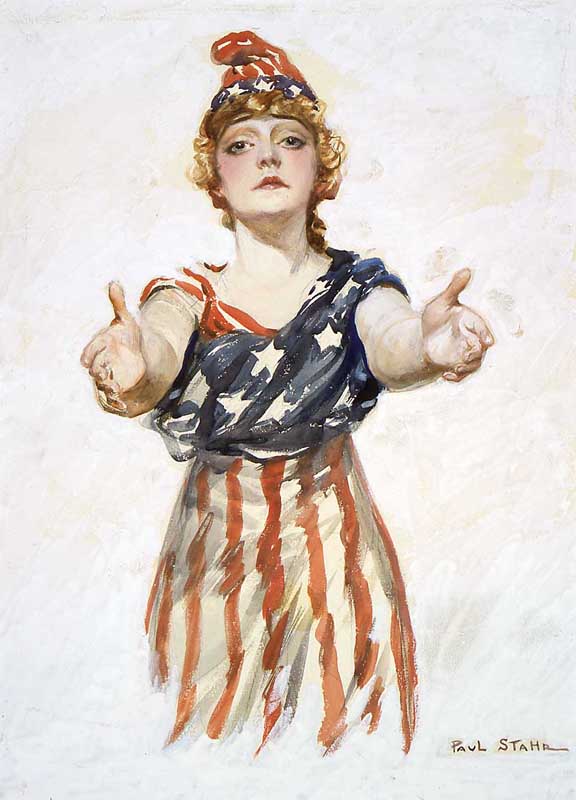
The transformation of “Columbus” into “Columbia” was largely a poetic and nationalistic endeavor. The term “Columbiad” first appeared in the early 18th century, likely popularized by the poem “The Columbiad” by Joel Barlow, an American poet and diplomat. This epic poem celebrated the history and future of the Americas, with “Columbiad” serving as a poetic moniker for the continent. From “Columbiad” emerged “Columbia,” a feminized and more evocative form that began to be used as a personification of the Americas, akin to Britannia for Britain or Marianne for France.
This personification was particularly resonant during the American Revolution. As the newly formed nation sought to establish its identity and distinguish itself from its colonial past, “Columbia” emerged as a potent symbol of liberty, independence, and the promise of a new republican ideal. It represented not just a geographical entity but a nascent nation embodying Enlightenment principles and aspirations. This romanticized vision contributed significantly to the name’s enduring association with the United States.
The Enduring Legacy: From Personification to Place and Brand
The symbolic power of “Columbia” quickly transcended its poetic origins, embedding itself into the fabric of American identity and finding expression in geographical names, institutions, and commercial ventures. Its association with exploration, discovery, and national pride made it a fitting choice for various entities seeking to project an image of excellence and significance.
Geographical Nomenclature and National Identity

The most direct and enduring legacy of the name “Columbia” lies in its geographical presence. The District of Columbia, the federal district of the United States, is directly named in honor of Christopher Columbus and serves as the nation’s capital. This choice was deliberate, reinforcing the nation’s historical narrative and its connection to its purported discoverer. Beyond the capital, numerous cities, counties, rivers, and even a mountain range in South America bear the name “Columbia,” reflecting the widespread influence of the explorer’s legacy and the adopted name. While these South American “Columbias” predate the U.S. personification, their shared root underscores the global impact of Columbus and the subsequent adoption of related names. The Republic of Colombia, a sovereign state in South America, is perhaps the most prominent example of a nation directly named after Columbus.
“Columbia” as a Symbol of Excellence and Innovation
As the United States grew and asserted its global presence, the name “Columbia” became increasingly associated with aspiration, progress, and achievement. This association made it an attractive choice for institutions and organizations seeking to imbue themselves with a sense of prestige and forward-thinking vision. The establishment of Columbia University in 1754 (originally King’s College) in New York City, one of the oldest institutions of higher learning in the United States, is a prime example. While its original charter did not explicitly link it to Columbus, its adoption of the name over time solidified its connection to the broader narrative of American progress and intellectual pursuit.
This trend extended to the commercial realm. Companies and products bearing the “Columbia” name often aimed to convey a sense of quality, reliability, and a pioneering spirit. This could range from early ventures in transportation and manufacturing to, in more modern times, a well-known outdoor recreation and apparel brand. The name’s historical weight and association with exploration and discovery lent itself well to industries that emphasized adventure, durability, and performance.
“Columbia” in the Modern Landscape: A Multifaceted Significance
In the contemporary world, “Columbia” continues to resonate across diverse fields, embodying a spectrum of meanings. While the historical and symbolic aspects remain significant, its presence is now also deeply intertwined with economic endeavors and technological advancements, showcasing its adaptability and enduring appeal.
The “Columbia” Brand: From Exploration Gear to Global Recognition
The Columbia Sportswear Company, founded in 1938, has masterfully leveraged the inherent connotations of the name. By focusing on outdoor apparel and gear, the brand directly taps into the spirit of exploration and adventure that “Columbia” historically represents. Their success lies not only in the quality of their products but also in their ability to evoke a sense of the outdoors, resilience, and a connection to nature – themes that align perfectly with the name’s legacy. This brand has become synonymous with ruggedness, performance, and a passion for the wild, solidifying “Columbia” as a powerful commercial identifier. The brand’s consistent marketing strategies, often featuring images of intrepid explorers and breathtaking landscapes, reinforce this association and have cultivated a global recognition that transcends mere product sales. It’s a testament to how a historical name, when strategically applied, can become a potent and enduring brand identity.
Beyond the Brand: “Columbia” in Tech and Industry
While the outdoor apparel brand is a prominent example, the influence of “Columbia” can be observed in other sectors, including technology and industry. Various technology companies, software solutions, and even specific product lines have adopted the name, seeking to borrow from its association with pioneering spirit and forward momentum. For instance, in the realm of data management or logistical solutions, a company named “Columbia” might aim to evoke a sense of comprehensive reach and efficiency, akin to a vast geographical expanse being navigated.
The inherent meaning of “Columbia” as a representation of the Americas, a continent characterized by vastness, diversity, and a history of innovation, lends itself well to industries that are themselves pushing boundaries and charting new territories. This is particularly true in fields like aerospace, where the spirit of exploration is paramount. The name “Columbia” has been famously associated with the Space Shuttle program, with Space Shuttle Columbia being the first NASA space shuttle to fly into orbit. This direct link to space exploration, the ultimate modern frontier, further cemented the name’s association with cutting-edge technology, daring feats, and human ingenuity. The tragic loss of Columbia in 2003, while a somber event, also underscored the inherent risks and profound courage associated with pushing the boundaries of what is possible, further embedding the name within the narrative of progress and sacrifice in the pursuit of knowledge.

The Enduring Allure: A Name of Significance
In conclusion, “Columbia” is far more than just a geographical identifier or a brand name. It is a word imbued with centuries of history, mythology, and aspiration. From its classical roots honoring Christopher Columbus and its evolution into a poetic personification of the Americas, to its embodiment of national identity and its contemporary presence in powerful brands and technological endeavors, “Columbia” signifies a journey. It represents discovery, progress, and the enduring human drive to explore the unknown, whether that be new continents, new frontiers in science and technology, or the potential within oneself. The name’s multifaceted meaning ensures its continued relevance, serving as a reminder of a rich past and an inspiration for future endeavors.
aViewFromTheCave is a participant in the Amazon Services LLC Associates Program, an affiliate advertising program designed to provide a means for sites to earn advertising fees by advertising and linking to Amazon.com. Amazon, the Amazon logo, AmazonSupply, and the AmazonSupply logo are trademarks of Amazon.com, Inc. or its affiliates. As an Amazon Associate we earn affiliate commissions from qualifying purchases.