
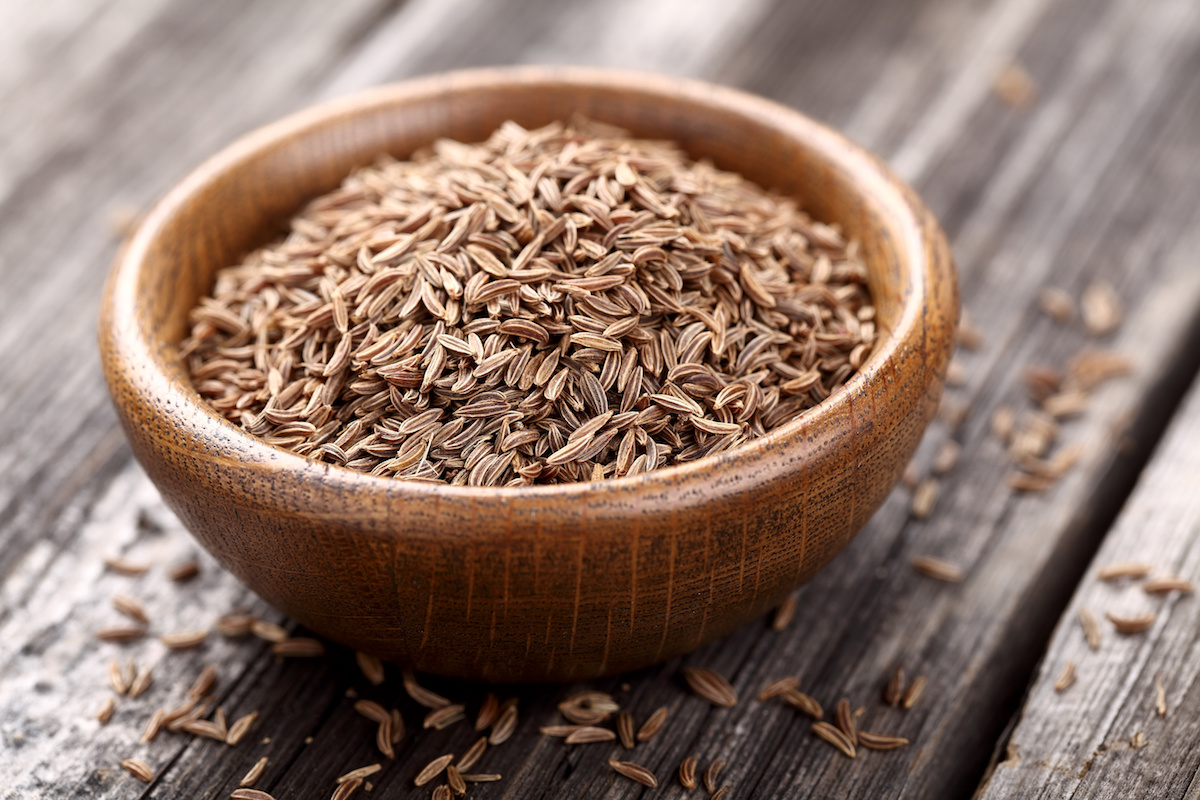
Caraway seeds, those small, curved, and pungent kernels, are a staple in cuisines across the globe, yet their distinctive flavor profile often leaves people asking, “What exactly do they taste like?” While a single descriptor might fall short, understanding caraway’s nuances requires an exploration of its aromatic complexity, its common culinary applications, and the subtle ways it interacts with other ingredients. This exploration will delve into the core taste and aroma of caraway, its place within broader flavor categories, and how its unique character can elevate a diverse range of dishes.
The Aromatic Profile: Beyond Simple Spiciness
Caraway seed’s taste is intrinsically linked to its powerful aroma, a characteristic that often dominates its perception. This aroma isn’t a straightforward spicy note; rather, it’s a complex tapestry of scents that hint at its flavor.
A Deep Dive into Anise and Licorice Undertones
The most immediate and often most recognized note in caraway is its distinct anise-like quality. This isn’t a direct replication of star anise or fennel, but rather a shared family of aromatic compounds, primarily anethole. Anethole imparts a sweet, aromatic, and slightly medicinal scent. In caraway, this anise note is typically more subdued, less overtly sweet, and intertwined with other elements that prevent it from becoming cloying. It provides a sophisticated foundation for the overall flavor, offering a warm, comforting, and slightly exotic bouquet.
Beyond the primary anise note, caraway also carries a subtle, yet discernible, licorice undertone. This echoes the same aromatic compounds but often manifests as a deeper, more earthy sweetness. Think of the difference between the bright, sugary sweetness of candy licorice and the more complex, woody sweetness found in some traditional licorice confections. Caraway leans towards the latter, contributing a grounding sweetness that balances its brighter notes. This licorice character is what often makes caraway a surprising but welcome addition to savory dishes, adding a layer of depth that might otherwise be missing.
Hints of Citrus and Earthiness
While anise and licorice are the dominant players, a closer examination of caraway’s aroma reveals further layers of complexity. Many detect a subtle citrusy zest, particularly a hint of orange peel. This bright, slightly tart note cuts through the richness of its sweeter, more pungent components, adding a refreshing counterpoint. This citrus element prevents the flavor from becoming too heavy and makes it more versatile in a wider range of applications. It’s this interplay between sweetness and a mild tang that makes caraway so intriguing.
Complementing the aromatic sweetness and citrusy brightness is a distinct earthiness. This earthy quality can be described as slightly peppery, with a subtle, almost woody undertone. It’s not the sharp, biting earthiness of some root vegetables, but rather a more grounded, comforting depth. This earthiness provides a savory anchor, preventing the caraway from being perceived solely as a sweet spice. It’s this robust, grounded character that allows caraway to pair so well with hearty ingredients like meats and root vegetables, and to stand up to robust cooking methods.
Caraway’s Flavor Spectrum: From Pungent to Nuanced
Translating aroma into taste, caraway seed delivers a flavor experience that is both bold and nuanced. Its pungency is undeniable, but it’s a pungency that is sophisticated and multi-layered.
The Pungent, Slightly Bitter Edge
The initial encounter with caraway is often its assertive, pungent character. This isn’t a heat-based pungency like chili peppers, but rather an aromatic intensity that awakens the palate. This pungency is closely tied to its essential oils, which are released upon crushing or heating. This intensity can be described as sharp and almost peppery, but with a distinct aromatic quality that differentiates it from true pepper.
Intertwined with this pungency is a subtle, yet discernible, bitter edge. This bitterness is not unpleasant; rather, it adds a layer of sophistication and complexity. It’s a characteristic that can enhance the savory notes of a dish and prevent it from tasting overly sweet or one-dimensional. This slight bitterness is particularly noticeable when caraway is used in larger quantities or when it’s toasted, as toasting can intensify some of its more volatile compounds. It’s this interplay between pungency and bitterness that gives caraway its unique savory appeal.
The Balancing Sweetness and Savory Depth
As the initial pungency and bitterness begin to recede, the sweeter and more savory aspects of caraway emerge. The anise and licorice undertones, so prominent in its aroma, translate into a subtle, warming sweetness on the palate. This sweetness is not sugary but rather a natural, almost caramelized depth that complements its other flavor notes. It’s this inherent sweetness that makes caraway a natural partner for ingredients that benefit from a touch of sweetness, such as rye bread or roasted root vegetables.
The savory depth of caraway is crucial to its versatility. The earthy and slightly peppery notes combine with its aromatic qualities to create a flavor that is inherently savory. This savory characteristic is what allows caraway to bridge the gap between sweet and savory dishes, making it a valuable spice in both realms. It adds a robust, grounding flavor that can enhance the overall taste of a dish, providing a satisfying counterpoint to other ingredients. This savory foundation is key to understanding why caraway is so beloved in traditional European cuisines.
Culinary Applications: Where Caraway Truly Shines
Understanding how caraway tastes is only one part of the equation; appreciating its flavor also involves understanding where and how it is most effectively used in the culinary world. Its distinctive profile lends itself to a variety of applications, often in traditional dishes where its flavor is deeply ingrained.
The Star of Rye Bread and Fermented Foods
Caraway’s most iconic pairing is undeniably with rye bread. The dense, slightly sour flavor of rye bread is perfectly complemented by the pungent, anise-like notes of caraway. The seeds are often mixed directly into the dough, releasing their flavor as the bread bakes. The warmth and earthiness of the caraway cut through the richness of the rye, creating a balanced and deeply satisfying flavor. This combination is a cornerstone of many Eastern and Central European culinary traditions, and for good reason. The caraway doesn’t just add flavor; it enhances the overall complexity of the bread, making it a truly aromatic experience.
Beyond bread, caraway also finds a natural home in other fermented foods and dishes. Its robust flavor can stand up to the tang of sauerkraut, pickled vegetables, and certain fermented dairy products like specific types of cheese. In these applications, the caraway acts as a flavor enhancer, adding a layer of aromatic complexity that complements the inherent tartness and savory notes of the fermented ingredients. This ability to harmonize with fermented flavors highlights its grounding and balancing qualities.
Enhancing Meats, Vegetables, and Game
Caraway’s savory depth and aromatic complexity make it an excellent companion for a wide range of meats, particularly those with a richer flavor profile. It is frequently used in rubs and marinades for pork, lamb, and duck, where its notes can tenderize the meat and add a distinct, aromatic character. The slight bitterness and pungency of caraway can help to cut through the richness of fatty meats, providing a welcome counterpoint.
When it comes to vegetables, caraway is particularly well-suited to root vegetables like potatoes, carrots, and parsnips. Roasting these vegetables with caraway seeds caramelizes the sugars and intensifies the earthy notes of both the vegetables and the spice, creating a harmonious blend. It can also be incorporated into cabbage dishes, stews, and soups, adding a warming, aromatic dimension. For game meats, where a strong, distinctive flavor is often desired, caraway can provide an earthy and slightly herbaceous counterpoint that complements the natural gaminess.
Conclusion: A Taste of Complexity and Tradition
In essence, caraway seed tastes like a complex symphony of sweet anise, warm licorice, a whisper of citrus zest, and a grounding earthiness, all bound together by a distinct, aromatic pungency with a subtle bitter edge. It is a flavor that is both bold and nuanced, capable of transforming simple ingredients into deeply satisfying dishes. Its enduring presence in traditional cuisines across the globe is a testament to its unique ability to add character, depth, and a touch of aromatic intrigue. Whether you’re encountering it in a slice of rye bread, a hearty stew, or a carefully crafted spice blend, caraway offers a taste that is both familiar and fascinating, a true embodiment of culinary heritage and sophisticated flavor.
aViewFromTheCave is a participant in the Amazon Services LLC Associates Program, an affiliate advertising program designed to provide a means for sites to earn advertising fees by advertising and linking to Amazon.com. Amazon, the Amazon logo, AmazonSupply, and the AmazonSupply logo are trademarks of Amazon.com, Inc. or its affiliates. As an Amazon Associate we earn affiliate commissions from qualifying purchases.