
In the intricate world of soccer tactics, every position and role carries a specific meaning and function. While the nomenclature of formations and player responsibilities can sometimes seem like a foreign language to the uninitiated, understanding these terms is crucial for appreciating the strategic depth of the beautiful game. One such term that frequently surfaces in discussions about attacking play is “CAM.” This article delves into the multifaceted meaning of CAM in soccer, exploring its origins, its evolving role, and the key attributes that define a successful player in this pivotal position. We will focus exclusively on the Tech aspect of how CAMs are analyzed and strategized through technology, demonstrating how data and digital tools are revolutionizing the understanding and deployment of this attacking midfielder.
The Genesis and Evolution of the Attacking Midfielder Role
The concept of a player operating between the midfield and the forward line isn’t entirely new. Historically, various formations have featured players with similar responsibilities, often referred to as “number 10s,” “playmakers,” or “trequartistas.” These players were the creative engines, tasked with unlocking defenses, dictating tempo, and providing the crucial link between the midfield and the strikers.
The Traditional “Number 10”: A Blueprint for CAM
The archetype of the traditional “number 10” is often associated with legendary figures who possessed exceptional vision, dribbling ability, and a knack for the decisive pass. These players were typically given considerable freedom to roam, finding pockets of space and exploiting defensive weaknesses. Their primary objective was to create scoring opportunities for their teammates, often through intricate passing sequences or moments of individual brilliance.
Modern Formations and the Rise of the CAM Designation
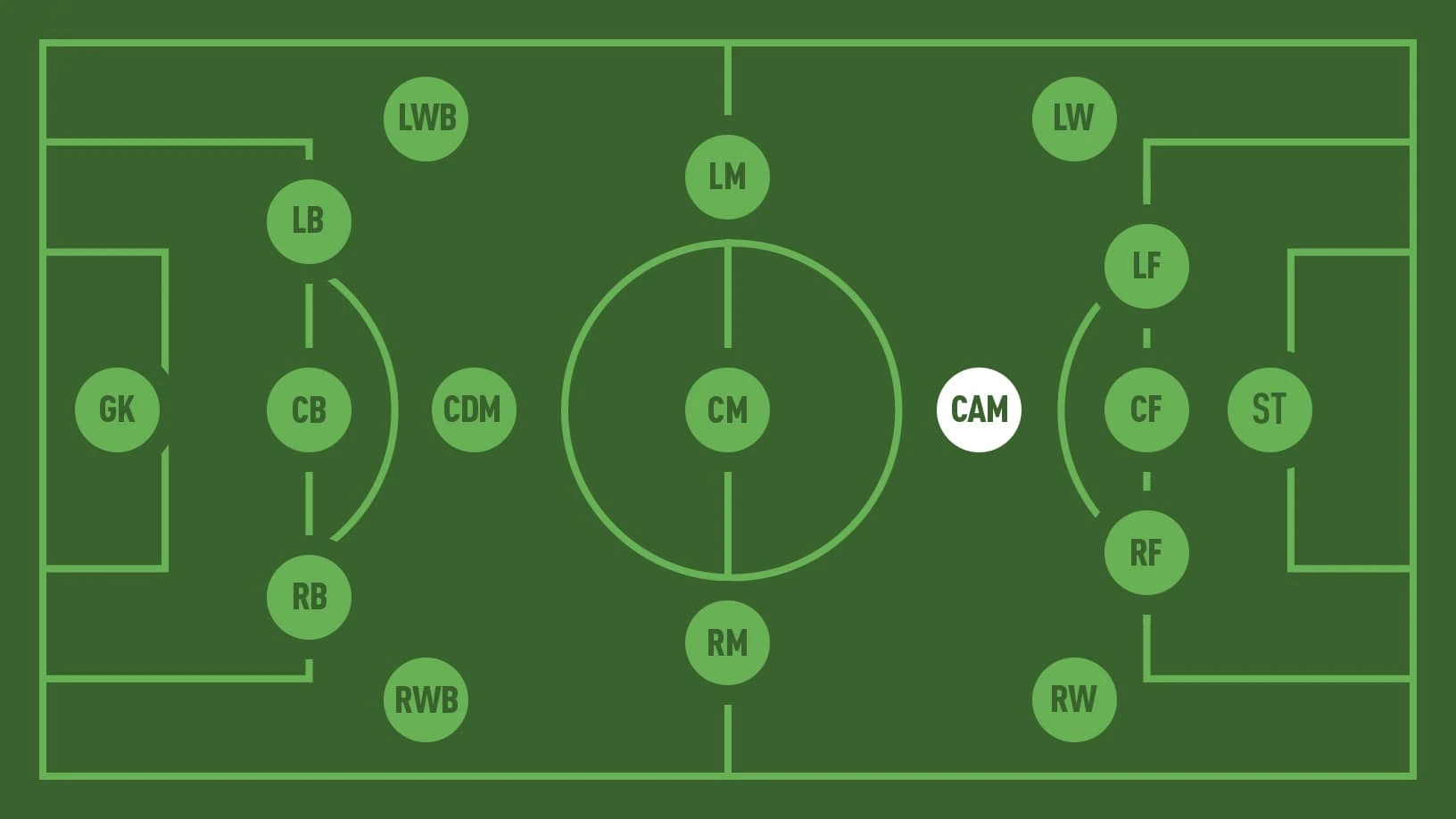
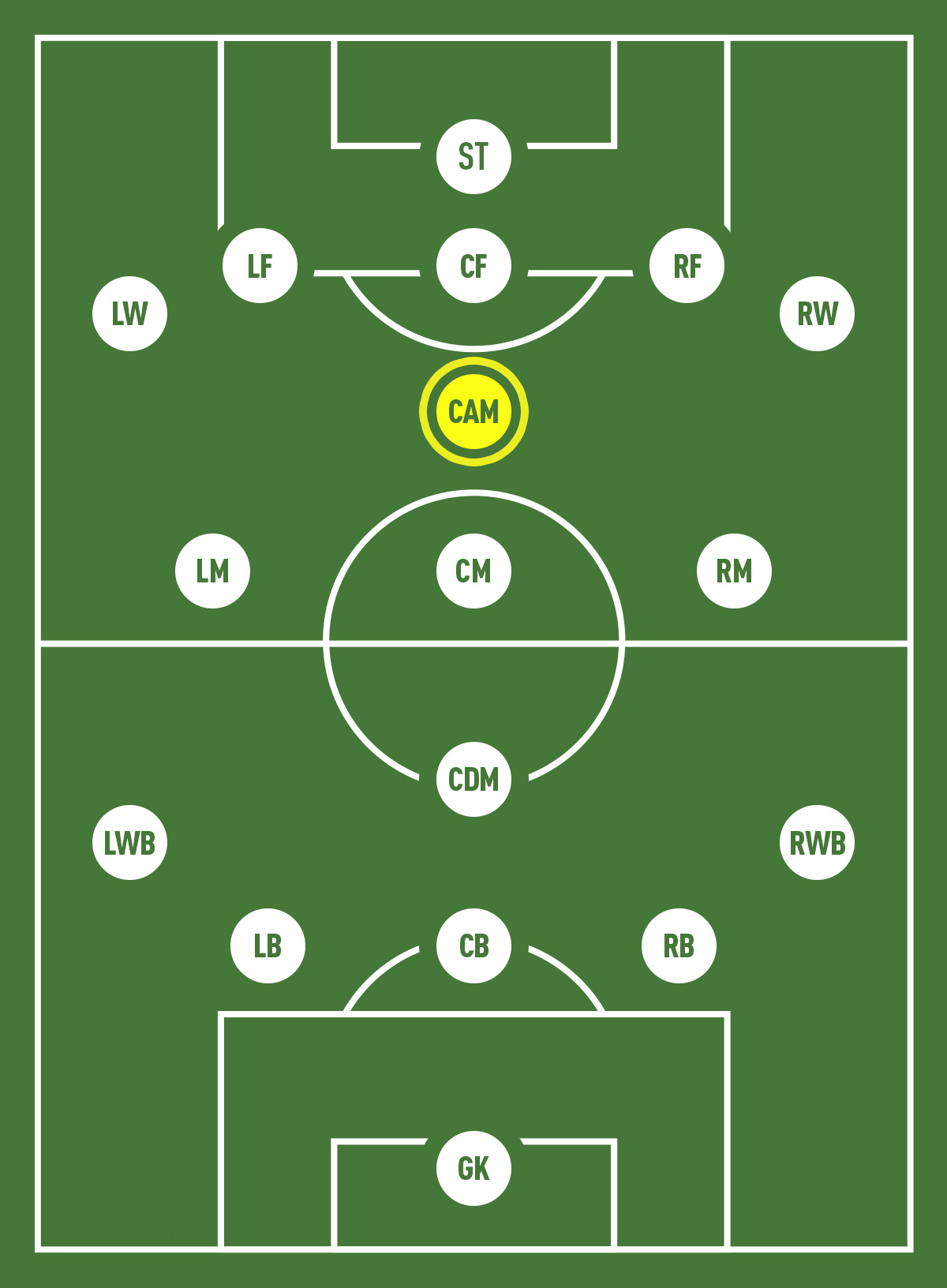
As soccer tactics have become more sophisticated, formations have evolved, and with them, the specific labels for player roles. The term “CAM” has emerged as a more precise descriptor for the attacking midfielder within certain tactical frameworks, particularly those utilizing a 4-2-3-1 or 4-4-2 diamond formation. This designation often implies a more defined set of responsibilities compared to the sometimes nebulous role of the “number 10.” While still a creative hub, the modern CAM is often expected to contribute more defensively and integrate into pressing strategies, a shift influenced by the evolution of tactical approaches and the availability of data to analyze player performance.
The Technological Lens on CAM Performance: Data Analytics and Performance Metrics
The modern era of soccer is inextricably linked with technology. From advanced scouting systems to in-game analytics, digital tools are providing unprecedented insights into player performance. For CAMs, this technological revolution has been particularly impactful, offering objective measures to quantify their creative output, spatial intelligence, and defensive contributions.
Tracking Player Movement and Positional Analysis with GPS and Video Systems
At the heart of modern soccer analytics lies sophisticated tracking technology. GPS devices embedded in players’ vests, combined with high-definition video cameras and advanced computer vision algorithms, allow for the precise tracking of every player’s movement on the pitch. For CAMs, this data is invaluable.
Heatmaps and Zone Penetration: Visualizing Influence
Heatmaps, generated from this tracking data, visually represent areas of the pitch where a player spends the most time. For a CAM, an effective heatmap will show significant activity in the opposition’s half, particularly in the central attacking zones between the opponent’s midfield and defense. Furthermore, analysis of zone penetration metrics can quantify how often a CAM successfully breaks into dangerous attacking areas, bypassing defensive lines. This data moves beyond subjective observation to provide concrete evidence of a CAM’s presence in key attacking areas.
Positional Tendencies and Space Exploitation: Identifying Tactical Habits
Beyond raw movement, technology can analyze a CAM’s positional tendencies. Algorithms can identify how frequently a CAM drifts into specific pockets of space, their preferred passing angles, and how they react to defensive shifts. This allows coaches to understand if a CAM is consistently finding or creating space, a hallmark of effective attacking midfield play. This data can inform tactical instructions, encouraging or discouraging certain movements to maximize their impact. For instance, if a CAM consistently finds success in a particular channel, technology can highlight this and strategize ways to feed them the ball in those areas, or conversely, to exploit opponent weaknesses that arise when a CAM occupies that space.
The Role of AI in Identifying and Developing CAM Talent
Artificial intelligence (AI) is rapidly transforming how soccer clubs identify, recruit, and develop talent. For the CAM position, AI can sift through vast datasets to identify players exhibiting specific attributes conducive to success in this role, even if they haven’t been formally trained as attacking midfielders.
Predictive Modeling for Future Performance
AI-powered predictive models can analyze a player’s current statistics, physical attributes, and historical performance to forecast their potential future success. This is particularly useful for identifying young CAM prospects who may possess the raw talent but require further development. By comparing these predictive metrics against those of established elite CAMs, clubs can gain a clearer picture of a player’s developmental trajectory. This goes beyond simple scouting, offering a data-driven approach to talent identification.
Analyzing Passing Networks and Decision-Making
AI can also be used to analyze the intricate passing networks within a team. For a CAM, this means evaluating the quality and quantity of their passes, the types of passes they make (e.g., through balls, short intricate passes, long switches), and their decision-making process under pressure. AI can identify patterns of successful link-up play and highlight instances where a CAM might have made a suboptimal choice. This granular level of analysis allows for targeted training interventions to refine a CAM’s passing accuracy, vision, and tactical awareness. For example, AI might identify that a CAM frequently attempts ambitious through balls that are intercepted, prompting a coach to work on increasing the success rate of these passes or to offer alternative, safer passing options.
Quantifying Creative Output: Advanced Metrics for CAM Effectiveness
While goals and assists are the most obvious measures of attacking success, technology has enabled the development of more nuanced metrics to quantify a CAM’s creative output and overall impact on offensive play.
Expected Assists (xA) and Key Passes: Measuring Chance Creation
Expected Assists (xA) is a statistical metric that measures the likelihood that a player’s pass will result in an assist. It takes into account factors such as the position of the pass, the type of pass, and the finishing quality of the player receiving the pass. For a CAM, a high xA value indicates their ability to consistently create high-quality scoring opportunities for their teammates, even if those opportunities aren’t always converted. Similarly, “key passes” – passes that directly lead to a shot – provide a more direct measure of their involvement in creating chances.
The Nuance of “Assist-Like” Contributions
Beyond direct assists, technology can identify and quantify “assist-like” contributions that might not appear on traditional stat sheets. This could include passes that create space for a teammate to shoot, decisive dribbles that draw defenders out of position, or intelligent movements that open up passing lanes. AI algorithms are being developed to identify these less obvious, but equally valuable, creative contributions, giving a more holistic view of a CAM’s impact. This is crucial for recognizing players whose intelligence and vision extend beyond simple statistical outcomes.
Dribbling Effectiveness and Ball Retention: Maintaining Attacking Momentum
A successful CAM often needs to be adept at dribbling to evade pressure, retain possession, and create space for themselves and their teammates. Technology can now measure the effectiveness of these dribbles.
Successful Dribbles and Take-Ons: Breaking Down Defenses
Metrics such as successful dribbles, take-ons completed, and dribble success rate provide objective measures of a CAM’s ability to beat opposing players. This data helps assess whether their dribbling is a genuine threat to defensive structures or simply an attempt to hold onto the ball. Furthermore, analyzing the context of these dribbles – for example, if they occur in dangerous areas or lead to a shot or pass – adds further depth to the analysis.
Possession Retention in Advanced Areas: Sustaining Attacking Pressure
Crucially, a CAM must also be able to retain possession in advanced areas of the pitch, preventing turnovers that could lead to dangerous counter-attacks for the opposition. Technology can track a CAM’s ball retention statistics in specific zones, indicating their composure and ability to play under pressure. This ensures that their creative flair is not at the expense of team stability.
The Future of CAM Play: AI-Driven Tactical Integration and Personalized Training
The integration of technology into soccer is not a static phenomenon; it is a constantly evolving landscape. For the CAM position, the future promises even more sophisticated applications of technology to enhance performance and tactical understanding.
Real-Time Tactical Adjustments and AI Coaching Assistants
Imagine a scenario where AI-powered systems provide real-time tactical feedback to players during a match. For a CAM, this could involve suggestions on optimal positioning based on opponent movements, intelligent pass options based on defensive formations, or prompts to press certain opposition players. AI coaching assistants could analyze game flow and proactively offer guidance, augmenting the traditional coaching staff’s role.
Personalized Training Regimens: Optimizing Individual Development
AI can also be instrumental in creating highly personalized training regimens for CAMs. By analyzing a player’s specific strengths and weaknesses through their performance data, AI can generate tailored drills and exercises to address areas requiring improvement. This could range from specific passing drills to spatial awareness exercises designed to enhance their tactical intelligence. This data-driven approach to development ensures that training is efficient and directly addresses the needs of the individual player, maximizing their potential to excel as an attacking midfielder.
Advanced Scouting and Opponent Analysis: The Technological Edge
The ability to scout opponents and identify their weaknesses is paramount in modern soccer. AI and advanced analytics are revolutionizing this process for CAMs, allowing them to exploit specific vulnerabilities in opposing defenses.
Identifying Defensive Gaps and Weaknesses
AI can analyze opponent defensive formations and individual player tendencies to identify recurring gaps or weaknesses. For a CAM, this information can be invaluable in dictating their positioning and movement to exploit these areas. For example, if an AI system identifies that a particular center-back is slow to track back, a CAM might be instructed to make runs into the space behind them.

Predicting Opposition Tactics and Player Roles
Furthermore, AI can assist in predicting the likely tactics and player roles of an opposing team based on their historical data and recent performance. This proactive understanding allows CAMs to anticipate defensive strategies and prepare their own attacking responses, giving them a significant technological edge on the field.
In conclusion, while the fundamental role of the attacking midfielder has existed for decades, the advent of advanced technology has profoundly reshaped how we understand, analyze, and optimize the CAM position. From sophisticated player tracking and AI-driven performance metrics to real-time tactical insights and personalized training, technology is providing a powerful lens through which to dissect the art and science of attacking midfield play. As these technological advancements continue to evolve, the role of the CAM will undoubtedly become even more dynamic and strategically significant, forever influencing the ebb and flow of the beautiful game.
aViewFromTheCave is a participant in the Amazon Services LLC Associates Program, an affiliate advertising program designed to provide a means for sites to earn advertising fees by advertising and linking to Amazon.com. Amazon, the Amazon logo, AmazonSupply, and the AmazonSupply logo are trademarks of Amazon.com, Inc. or its affiliates. As an Amazon Associate we earn affiliate commissions from qualifying purchases.