
The legal system, a cornerstone of our society, is a complex and often intricate structure. Within this framework, various terms and processes are essential to understanding how justice is administered. One such term, which may seem daunting or obscure to the uninitiated, is “appellate.” Understanding what appellate means is crucial for grasping the full scope of legal recourse and the mechanisms by which legal decisions are reviewed and potentially altered. This article will delve into the meaning of appellate, exploring its origins, functions, and significance within the broader legal landscape.
The Genesis and Core Meaning of “Appellate”
The term “appellate” is intrinsically linked to the concept of an appeal. At its heart, it refers to the process of challenging a lower court’s decision in a higher court. This fundamental principle is built upon the idea that judicial errors can occur, and that a system of review is necessary to ensure fairness and accuracy.
Etymology and Historical Roots
The word “appellate” traces its roots back to the Latin word “appellare,” which means “to call upon” or “to appeal to.” This etymology highlights the core action: a party, dissatisfied with a ruling, is “calling upon” a higher authority to re-examine the case. Historically, the development of appellate courts has been a gradual evolution, mirroring the increasing complexity of legal systems and the growing need for checks and balances within the judiciary. Early forms of appeal existed in ancient legal traditions, but the formalized structure of appellate courts as we understand them today largely developed in common law systems. These systems recognized the inherent fallibility of human judgment and established a mechanism for correction, thereby fostering greater trust in the legal process. The very existence of appellate jurisdiction is a testament to the commitment to justice, acknowledging that initial decisions, however well-intentioned, are not always perfect.
Defining Appellate Jurisdiction
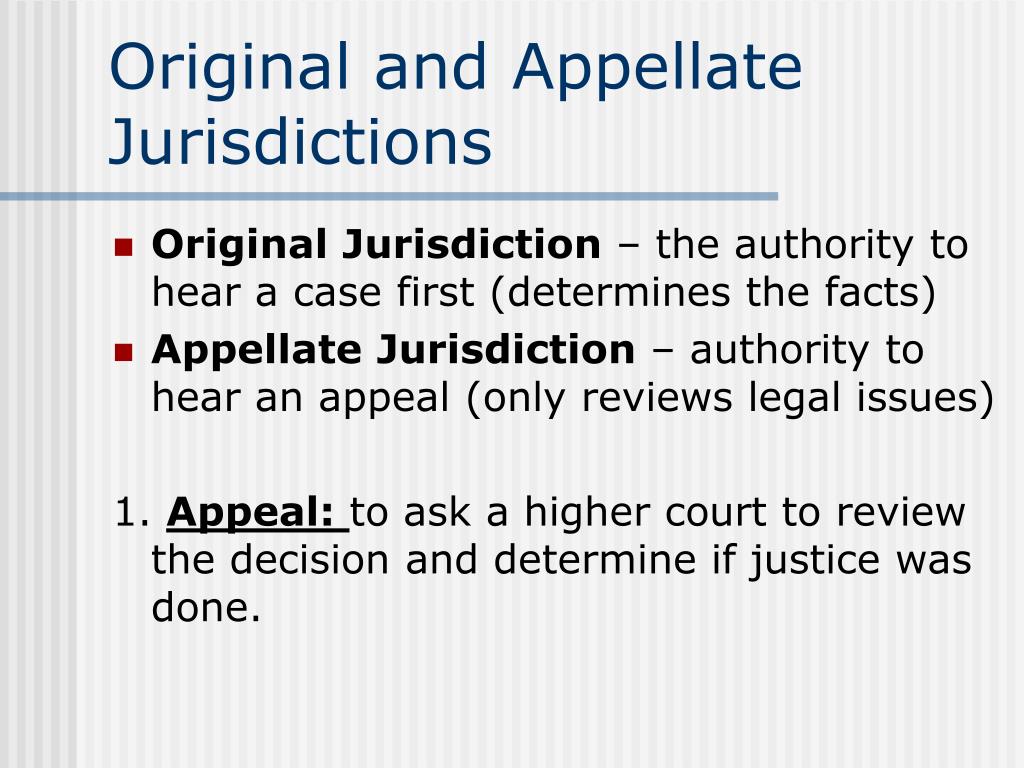
“Appellate” describes the power or authority vested in a higher court to hear and decide appeals from lower courts. This jurisdiction is distinct from original jurisdiction, which is the power of a court to hear a case for the first time. Appellate courts do not typically retry cases or hear new evidence. Instead, their focus is on reviewing the legal proceedings and decisions of the lower court. This review involves examining whether the law was correctly applied, whether proper legal procedures were followed, and whether the evidence presented supported the verdict or judgment. In essence, appellate courts act as guardians of legal principles, ensuring consistency and correctness in the application of the law across different cases and tribunals.
The Functions and Purpose of Appellate Courts
The existence of appellate courts serves several critical functions within the legal system, all aimed at promoting justice, ensuring legal consistency, and upholding the integrity of the judicial process.
Reviewing Legal Decisions and Identifying Errors
The primary function of an appellate court is to review the decisions of lower courts for legal errors. These errors can take various forms, including misinterpretations of statutes, incorrect application of legal precedents, procedural irregularities that prejudiced a party, or even factual findings that are deemed clearly erroneous based on the evidence presented at trial. Appellate judges carefully scrutinize the trial record, including transcripts, exhibits, and written arguments from both sides, to determine if any such errors occurred and, importantly, if those errors had a significant impact on the outcome of the case. The goal is not to second-guess every minor detail but to identify substantial legal mistakes that warrant a correction.
Establishing Legal Precedent and Shaping the Law
Beyond correcting individual errors, appellate courts play a vital role in shaping and clarifying the law. Their decisions, particularly those from higher appellate courts (like supreme courts), establish binding precedents that lower courts must follow in similar future cases. This process of stare decisis (Latin for “to stand by things decided”) ensures consistency and predictability in the application of the law. By interpreting statutes, constitutional provisions, and existing case law, appellate courts provide guidance to legal practitioners and the public alike, effectively shaping the ongoing evolution of legal principles. This jurisprudential function is crucial for adapting the law to societal changes and addressing emerging legal issues.
Ensuring Fairness and Due Process
The appellate process is a cornerstone of due process, guaranteeing that individuals have recourse if they believe their legal rights have been violated or that the proceedings against them were unfair. It provides an essential check on the power of lower courts, ensuring that justice is not only served but is seen to be served. By offering a mechanism for review, the appellate system instills public confidence in the judiciary, knowing that there are safeguards against arbitrary or erroneous judgments. This commitment to fairness is fundamental to a just society, and the appellate process is a vital component in upholding that commitment.
The Appellate Process: From Lower Court to Higher Review
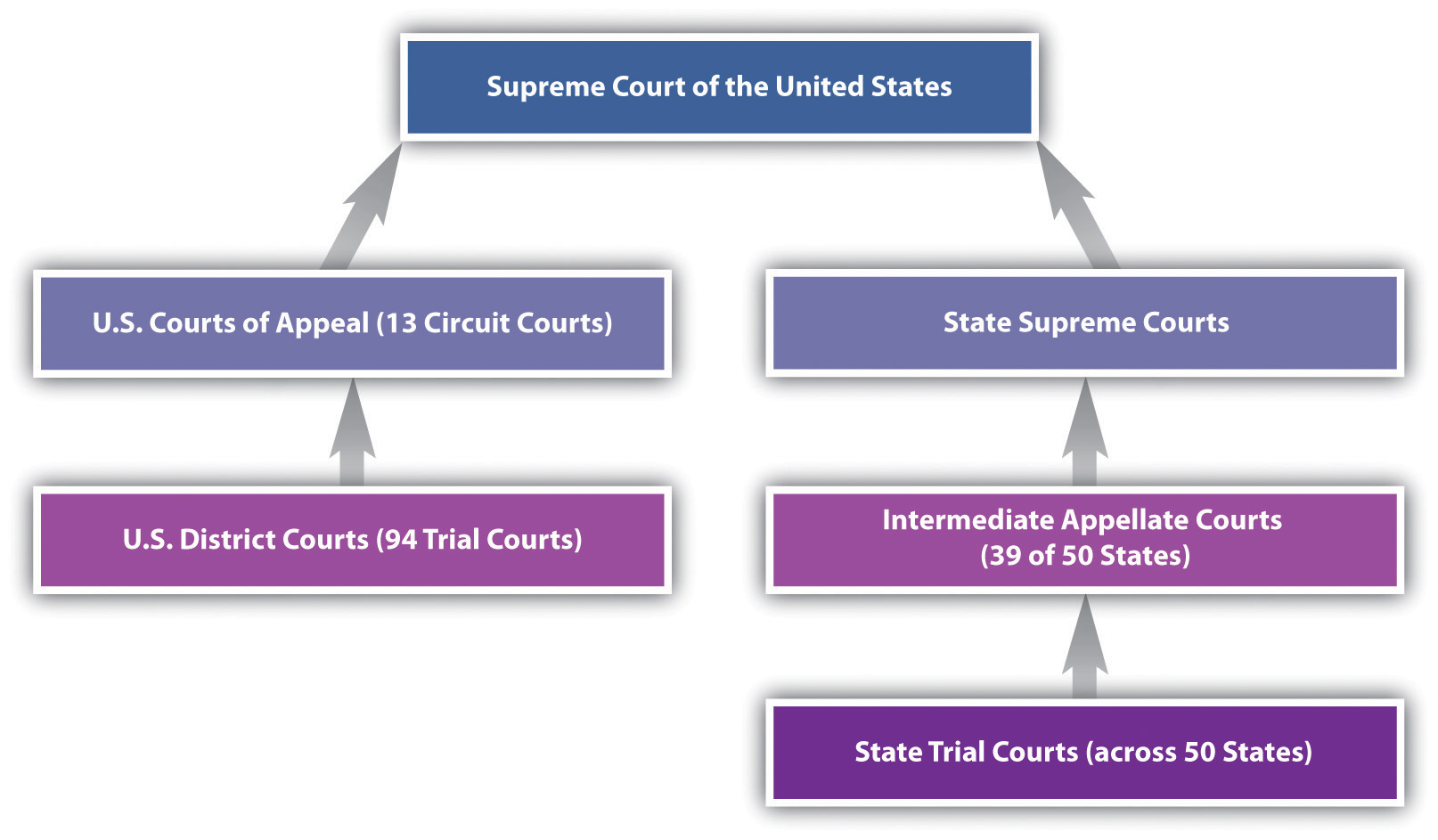
Understanding the journey of a case through the appellate system provides valuable insight into the practical application of appellate jurisdiction. This process, while often complex, follows a general structure designed to facilitate thorough review.
Initiating an Appeal: Filing the Notice of Appeal
The first formal step in the appellate process is typically the filing of a “notice of appeal.” This document, filed with the lower court, informs the court and the opposing party that the losing party intends to challenge the decision. Strict deadlines usually govern the filing of a notice of appeal, and failure to meet these deadlines can result in the forfeiture of the right to appeal. This initial step signals the commencement of the appellate review and sets in motion the subsequent stages of the process.
Briefing and Oral Arguments: Presenting the Case
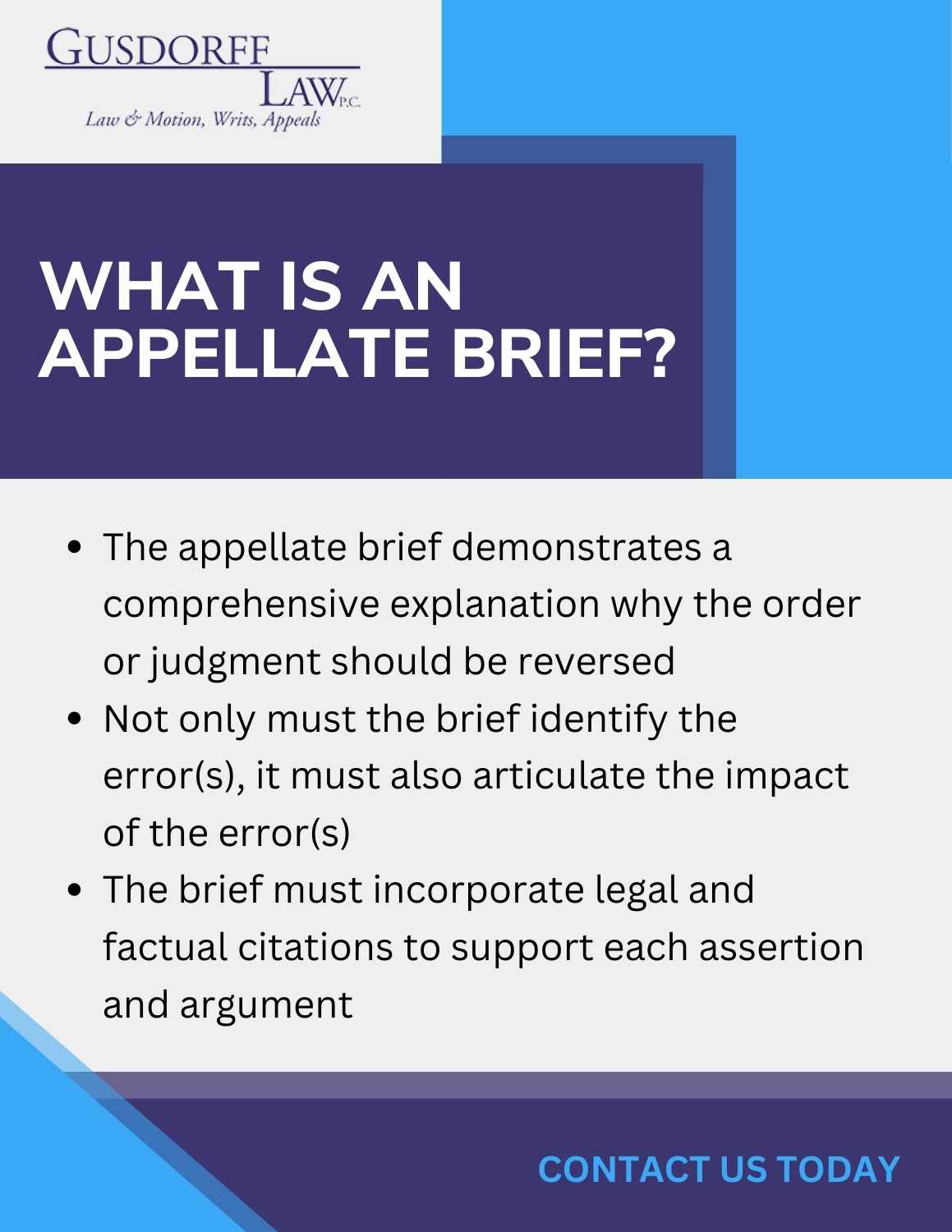
Once an appeal is filed, the parties engage in a rigorous “briefing” process. The appellant (the party filing the appeal) submits a brief that outlines the legal errors they allege were made by the lower court and argues why the decision should be overturned. The appellee (the party defending the lower court’s decision) then files a responsive brief, countering the appellant’s arguments and defending the original ruling. These briefs are often lengthy legal documents that meticulously cite statutes, case law, and the trial record. In some cases, appellate courts may also schedule “oral arguments,” where attorneys for both sides present their case directly to the appellate judges and answer questions. This allows for a more direct engagement with the judges’ concerns and a clearer understanding of the legal nuances.
The Appellate Decision: Affirmance, Reversal, or Remand
After reviewing the briefs and potentially hearing oral arguments, the appellate court will issue a written decision. There are generally three possible outcomes:
- Affirmance: The appellate court agrees with the lower court’s decision and upholds it.
- Reversal: The appellate court disagrees with the lower court’s decision and overturns it. This can lead to a new trial, a dismissal of charges, or a judgment in favor of the appellant, depending on the nature of the case and the errors found.
- Remand: The appellate court sends the case back to the lower court with instructions to take further action. This might involve a new trial with specific legal guidance, a re-evaluation of certain evidence, or a correction of procedural flaws.
The appellate court’s decision is a formal pronouncement that can have significant consequences for the parties involved and can contribute to the ongoing development of legal jurisprudence.
The Significance of Appellate Review in the Legal Ecosystem
The appellate system is not merely a bureaucratic layer; it is an indispensable component of a just and functional legal system, underpinning its credibility and effectiveness.
Upholding the Rule of Law and Judicial Integrity
The very existence of appellate review reinforces the principle of the rule of law, which dictates that everyone, including the judiciary, is subject to the law. It acts as a crucial check on judicial power, preventing the unchecked exercise of authority and ensuring that legal decisions are grounded in established principles. By providing a mechanism for challenging perceived injustices, appellate courts bolster the integrity of the entire legal system, fostering public trust and confidence in the administration of justice.
Promoting Consistency and Predictability in Legal Outcomes
One of the most significant benefits of appellate review is its contribution to consistency and predictability in legal outcomes. When appellate courts set precedents, they provide clear guidelines for how the law should be applied in future cases. This consistency is vital for individuals and businesses alike, as it allows them to understand their legal rights and obligations, plan their affairs accordingly, and have confidence that the law will be applied in a fair and impartial manner. Without appellate review, the application of law could become fragmented and unpredictable, leading to inequitable results.
Providing a Voice for Substantive Legal Arguments
The appellate process offers a platform for parties to present complex and nuanced legal arguments that might not have been fully explored or understood at the trial level. It allows for a deeper dive into the intricacies of law, providing a space where legal scholars and experienced practitioners can debate and refine legal interpretations. This focus on substantive legal argumentation is essential for the continuous development and refinement of legal doctrine, ensuring that the law remains relevant and responsive to societal needs. In conclusion, understanding what appellate means opens a window into the sophisticated mechanisms that safeguard justice and ensure the enduring strength of our legal frameworks.
aViewFromTheCave is a participant in the Amazon Services LLC Associates Program, an affiliate advertising program designed to provide a means for sites to earn advertising fees by advertising and linking to Amazon.com. Amazon, the Amazon logo, AmazonSupply, and the AmazonSupply logo are trademarks of Amazon.com, Inc. or its affiliates. As an Amazon Associate we earn affiliate commissions from qualifying purchases.