
In the competitive landscape of beauty and personal care, understanding the precise function and appeal of a product is paramount for effective branding and marketing. Hair toners, a seemingly simple yet incredibly impactful product, offer a prime example of how nuanced understanding can drive brand success. While consumers are often interested in the tangible results a toner delivers, brands must delve deeper, crafting narratives and strategies that communicate the science, artistry, and ultimately, the value proposition of these formulations. This exploration will unpack the multifaceted roles of hair toners, not just from a functional standpoint, but through the lens of how brands can effectively leverage this knowledge to connect with their target audience, differentiate themselves in the market, and build lasting brand loyalty.
The Science and Art of Color Correction: A Brand’s Foundation
At its core, the efficacy of a hair toner lies in its scientific ability to neutralize unwanted undertones and refine the final hair color. This is where the foundational elements of a brand’s messaging and product development must align.
Understanding the Color Wheel and Undertones
The effectiveness of any hair toner is rooted in the principles of color theory. Brands that excel in this space don’t just sell a product; they sell an understanding of how to achieve desired hair colors by correcting underlying tones. This involves educating consumers and stylists alike about the inherent undertones that emerge during the lightening process.
- The Neutralization Principle: Brands need to clearly articulate how toners work through the concept of complementary colors. For instance, violet toners cancel out yellow tones, blue toners counteract orange, and green toners neutralize red. This scientific basis provides a robust foundation for product claims and educational content. A brand that can demystify this color science empowers its consumers, building trust and positioning itself as an expert.
- Targeting Specific Undertones: The effectiveness of a toner is directly tied to its ability to target specific undertones. A brand’s marketing should highlight this precision. For example, a range of toners designed for different levels of brassiness – from a light yellow to a deep orange – allows for tailored solutions, which can be a significant branding differentiator. This specificity speaks to a brand’s commitment to addressing individual needs and achieving salon-quality results at home or in the salon.
- The Role of Pigmentation: The intensity and type of pigment within a toner are critical. Brands must communicate how their formulations use high-quality, finely milled pigments to ensure even distribution and accurate color payoff without depositing excessive color. This level of detail in explaining the formulation’s science can elevate a brand from a simple beauty product provider to a purveyor of sophisticated hair care technology.
The “Cooling” and “Refining” Effect: A Consumer Benefit, A Brand Promise
Beyond simple neutralization, toners offer a sophisticated “cooling” and “refining” effect that significantly enhances the aesthetic appeal of hair. This nuanced benefit is a powerful narrative for brands to weave into their marketing.
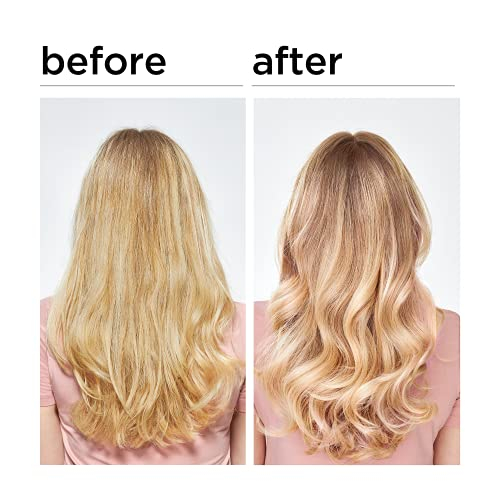
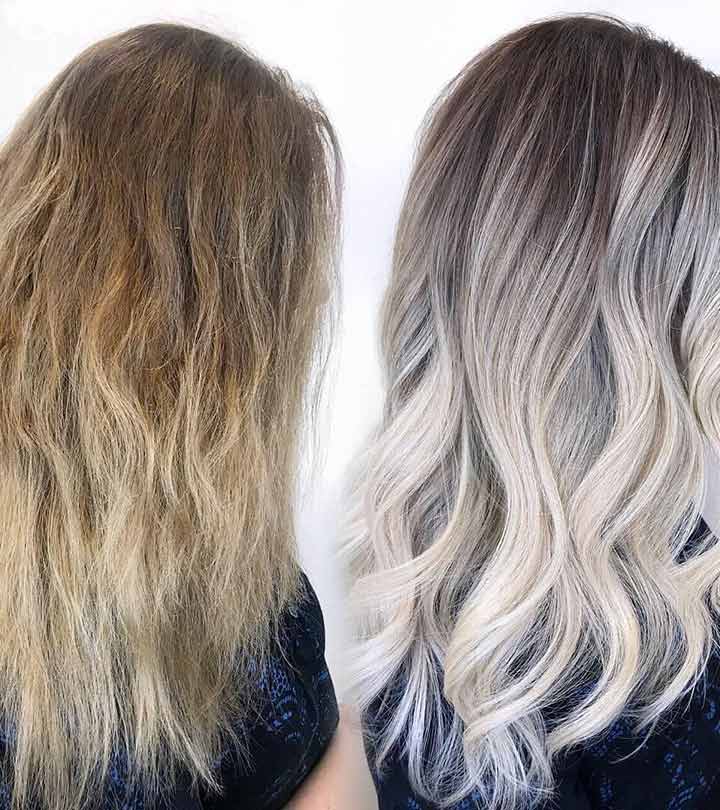
- Achieving “Cool” Tones: The desire for cool blonde, ash brown, or silver hair is a significant driver of toner sales. Brands can build a strong identity around their ability to deliver these sought-after shades. Marketing campaigns can showcase before-and-after transformations that emphasize the shift from brassy, unwanted warmth to cool, sophisticated tones. This visual storytelling is crucial for demonstrating tangible results.
- Enhancing Overall Hair Vibrancy and Shine: Toners don’t just remove unwanted tones; they can also enhance the overall vibrancy and shine of the hair. By neutralizing dulling undertones, the natural or colored pigment of the hair can appear more true to tone and lustrous. Brands can leverage this by positioning their toners not just as corrective tools, but as enhancers that contribute to a more polished and healthy-looking finish, adding another layer to their brand promise.
- The “Salon-Quality” Experience: For many consumers, the primary appeal of toners is the ability to replicate a salon-quality finish at home. Brands that can effectively communicate how their toners achieve this level of refinement – often through easy application and predictable results – are tapping into a powerful consumer desire for accessible professional results. This can be a key differentiator in a crowded market.
Branding Toners: Crafting a Unique Identity in a Competitive Market
The functional benefits of hair toners are the bedrock, but their true market success lies in how effectively brands can communicate these benefits and create a distinct identity that resonates with consumers.
Product Naming and Packaging: The First Brand Impression
The nomenclature and visual presentation of hair toners are critical first touchpoints for consumers and a crucial element of brand identity.
- Evocative Naming Conventions: The names of toner products can significantly influence consumer perception. Brands can opt for scientific, descriptive names (e.g., “Platinum Blonde Toner,” “Ash Brown Neutralizer”) to emphasize efficacy and precision. Alternatively, they might choose more evocative and aspirational names (e.g., “Moonlight Silver,” “Cool Cashmere”) to appeal to a desired aesthetic and lifestyle. A cohesive naming strategy across a product line reinforces brand personality and aids in consumer navigation.
- Visual Storytelling Through Packaging: Packaging is not just about containing the product; it’s a silent salesperson. Brands can use packaging design to convey sophistication, efficacy, and the desired end result. For instance, cool-toned packaging with metallic accents might be used for toners targeting blonde hair, while richer, deeper tones could be used for brunettes. Transparency about ingredients or the science behind the product can also be incorporated into the design, further building trust and brand credibility.
- Clarity of Purpose and Application: Effective packaging also ensures clarity of purpose. Brands must clearly label the intended use of their toners, specifying the hair types and underlying tones they are designed to address. Easy-to-understand application instructions, perhaps even with visual cues, reduce user error and contribute to a positive brand experience.
Marketing Narratives: Beyond the “Fix” to the “Enhance”
Successful brands move beyond simply positioning toners as a “fix” for brassy hair. They craft richer narratives that highlight the transformative power and creative possibilities these products offer.

- Empowering the Consumer: Brands can build loyalty by framing toners as tools of empowerment. They empower individuals to take control of their hair color, experiment with different shades, and achieve their desired looks with confidence. Marketing campaigns can focus on stories of personal expression and the confidence that comes with having beautiful, well-maintained hair.
- Highlighting the “Creative Palette”: For many, hair coloring is an art form. Brands can tap into this by positioning their toners as essential components of a creative palette. This is particularly relevant for professional brands that supply salons. Marketing to stylists can focus on how toners enable them to push creative boundaries, offer bespoke color services, and achieve unparalleled results for their clients.
- Educating and Building Trust: A consistent narrative that educates consumers about hair color science and the role of toners builds trust and positions the brand as a knowledgeable authority. This can involve creating content like blog posts, video tutorials, and infographics that explain the “why” behind the “what.” By demystifying the process, brands make their products more accessible and desirable.
Brand Positioning: Differentiating Through Specialization and Innovation
In a market where many brands offer similar products, effective positioning is crucial for standing out. Hair toner brands can differentiate themselves through specialization, innovation, and a deep understanding of their target audience’s evolving needs.
Targeting Specific Needs: From Professional to At-Home Use
The diverse applications of hair toners present opportunities for brands to carve out specific market niches.
- The Professional Salon Market: Brands focusing on professional salons can emphasize salon-grade formulations, concentration, and customizability. Marketing can highlight training, education, and the ability of their toners to deliver premium, predictable results that stylists rely on. Case studies featuring renowned stylists and their successful use of the brand’s toners can be particularly effective.
- The At-Home Consumer Market: For the direct-to-consumer market, brands can focus on ease of use, accessibility, and the ability to achieve salon-like results with minimal effort. Packaging, instructions, and marketing campaigns should be geared towards the everyday consumer, emphasizing convenience, safety, and the empowerment of at-home hair color maintenance.
- Niche Hair Concerns: Brands can also specialize in toners for specific hair types or concerns. For example, toners formulated for color-treated hair, sensitive scalps, or those looking for specific vibrant or pastel shades. This hyper-specialization allows a brand to become the go-to expert for a particular segment of the market.
Innovation in Formulation and Delivery
Continuous innovation is key to maintaining a competitive edge and building a brand perceived as forward-thinking and advanced.
- Advanced Ingredient Technology: Brands can differentiate by incorporating advanced ingredients that not only tone but also nourish and protect hair. This could include ingredients like hyaluronic acid for moisture, keratin for strength, or botanical extracts for scalp health. Communicating the benefits of these ingredients adds a significant value proposition beyond mere color correction.
- Sustainable and Ethical Sourcing: An increasing number of consumers prioritize brands that align with their values. Brands that can demonstrate a commitment to sustainability, ethical sourcing of ingredients, and environmentally friendly packaging can build a strong emotional connection with their target audience. This becomes a powerful differentiator, appealing to conscious consumers.
- Innovative Delivery Systems: The way a product is delivered can also be a point of innovation. Think about unique application tools, concentrated formulas that require less product, or multi-functional products that combine toning with other hair care benefits. These innovations can enhance user experience, improve efficacy, and create talking points for marketing.
The Long-Term Brand Value of Effective Toners
Ultimately, the enduring success of a hair toner brand is built on consistently delivering on its promises and fostering a deep connection with its audience.
Building Brand Loyalty Through Consistency and Quality
Consistent quality and predictable results are the cornerstones of any successful beauty brand, and toners are no exception.
- Reliability of Results: Consumers want to know that when they use a product, they will achieve the promised outcome. Brands that can consistently deliver effective toning results, time after time, will build a reputation for reliability. This reliability fosters trust, leading to repeat purchases and strong brand loyalty.
- The “Go-To” Product: When a brand becomes synonymous with a particular hair concern or desired look – for instance, the ultimate solution for brassy blonde hair – it has achieved a coveted position. This brand recognition and preference are built on a foundation of consistent quality and effectiveness.
- Positive Word-of-Mouth and Reviews: In the digital age, positive word-of-mouth and online reviews are invaluable. A product that consistently performs well will naturally generate enthusiastic testimonials, driving organic growth and further solidifying the brand’s reputation.
Future-Proofing the Brand: Adapting to Trends and Consumer Demands
The beauty industry is dynamic, with trends and consumer preferences constantly evolving. Brands must remain agile to ensure their long-term relevance.
- Anticipating Color Trends: Brands that stay ahead of emerging hair color trends can develop new toner formulations and marketing strategies to meet the demand. This could involve anticipating the rise of new pastel shades, the resurgence of certain metallic tones, or shifts in preferred undertones for various hair colors.
- Responding to Evolving Consumer Needs: Consumer needs extend beyond just color. As awareness of hair health grows, brands will need to offer toners that not only deliver on color but also provide conditioning, repair, or protection benefits. Brands that can integrate these evolving demands into their product development and marketing will remain competitive.
- Building a Community Around the Brand: Beyond the product itself, brands can foster long-term loyalty by building a community. This could involve engaging with customers on social media, creating online forums for hair color enthusiasts, or hosting educational events. A strong brand community becomes a powerful asset, fostering advocacy and providing valuable insights for future product development.
In conclusion, the question “what do toners do for hair” is far more than a simple product inquiry. From a branding perspective, it unlocks a rich tapestry of opportunities to educate, innovate, and connect with consumers. By mastering the science, crafting compelling narratives, and embracing continuous evolution, brands can transform hair toners from mere corrective tools into symbols of empowerment, creativity, and enduring beauty.
aViewFromTheCave is a participant in the Amazon Services LLC Associates Program, an affiliate advertising program designed to provide a means for sites to earn advertising fees by advertising and linking to Amazon.com. Amazon, the Amazon logo, AmazonSupply, and the AmazonSupply logo are trademarks of Amazon.com, Inc. or its affiliates. As an Amazon Associate we earn affiliate commissions from qualifying purchases.