
The microscopic world of cellular biology often presents us with fascinating parallels to the rapid advancements we witness in technology. Just as engineers and developers constantly strive to create more efficient, specialized, and resilient technological solutions, nature, through eons of evolution, has equipped different cellular structures with unique functionalities. When we delve into the fundamental differences between plant cells and animal cells, we uncover a suite of “bio-engineered” features that bestow upon plant cells a distinct operational advantage in their ecological niche. From a technology standpoint, understanding these unique components allows us to appreciate the elegance and efficacy of biological design, much like we analyze the architecture of advanced software or the hardware innovations in cutting-edge gadgets.
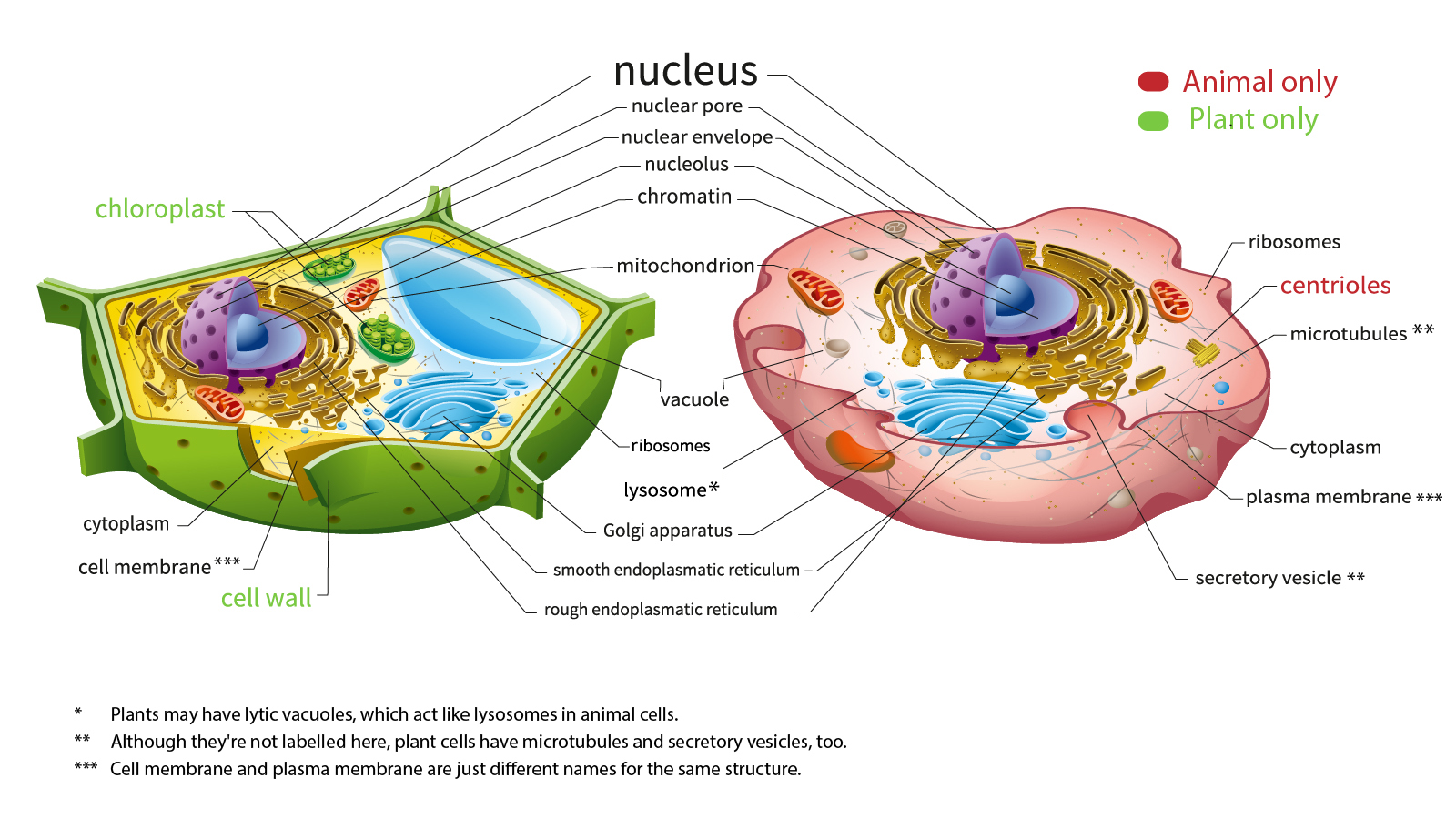
These defining characteristics of plant cells are not merely academic curiosities; they represent sophisticated biological mechanisms that enable plants to thrive in diverse environments, perform essential life processes, and fundamentally shape our planet’s ecosystems. By examining these distinctions through a tech lens, we can better grasp the principles of specialized functionality, structural integrity, and energy independence that are also paramount in technological development.
The Cellular Wall: A Fortified Outer Shell for Structural Integrity and Protection
One of the most striking and fundamental distinctions lies in the presence of a rigid cell wall in plant cells, a feature entirely absent in animal cells. From a technological perspective, this cell wall can be viewed as an advanced, multi-layered structural exoskeleton, akin to the robust chassis of a durable device or the reinforced casing of sensitive equipment. Its primary role is to provide mechanical support and protection, ensuring the plant cell maintains its shape and integrity even under significant physical stress.
Cellulose: The Bio-Polymer Framework
The principal component of the plant cell wall is cellulose, a complex carbohydrate that forms strong, linear chains. In technological terms, cellulose acts as a highly organized, biodegradable polymer that provides exceptional tensile strength. This is analogous to the use of advanced composite materials in engineering, where specific molecular structures are leveraged to achieve superior performance. The crystalline nature of cellulose fibers, interwoven with other polysaccharides like hemicellulose and pectin, creates a flexible yet resilient matrix. This allows the plant cell wall to withstand turgor pressure—the internal pressure exerted by the cell’s contents against its boundary—preventing the cell from bursting, especially when exposed to hypotonic environments. Without this fortified outer layer, plant cells would be vulnerable to osmotic lysis, a critical failure mode that would lead to cellular collapse.
Plasmodesmata: Intercellular Communication Networks
Embedded within this formidable cell wall are specialized channels called plasmodesmata. These microscopic pores act as sophisticated, direct communication and transport conduits between adjacent plant cells, forming a continuous cytoplasmic network known as the symplast. In the context of technology, plasmodesmata can be likened to high-speed data buses or intricate plumbing systems within a complex network. They facilitate the rapid and efficient movement of water, nutrients, ions, and even signaling molecules directly from cell to cell, bypassing the need for extracellular transport mechanisms that are more prevalent in animal tissues. This interconnectedness is crucial for coordinated growth, development, and response to environmental stimuli across the entire plant organism, showcasing an elegant solution for distributed system communication.
Chloroplasts: The Integrated Photovoltaic Powerhouses
Perhaps the most revolutionary “feature” that distinguishes plant cells, and the very foundation of their autotrophic nature, is the presence of chloroplasts. These organelles are the cellular equivalents of highly sophisticated, self-contained solar energy harvesting systems, analogous to advanced photovoltaic panels integrated directly into the cellular structure. They are the sites of photosynthesis, the process by which light energy is converted into chemical energy in the form of glucose.

Photosynthesis: A Bio-Photovoltaic Conversion Process
The internal architecture of chloroplasts is optimized for this energy conversion. They contain stacks of flattened sacs called thylakoids, which house chlorophyll and other pigments that capture light energy. This captured light energy is then used to drive a series of complex biochemical reactions that split water molecules and convert carbon dioxide into glucose. This process is far more integrated and efficient than any current artificial solar energy technology. Imagine miniature, self-replicating, bio-powered microchips that not only generate energy but also store it and use it for cellular maintenance and growth. The efficiency of this biological process, converting sunlight into usable chemical fuel, is a benchmark that technological energy solutions aspire to.
Starch Granules: On-Demand Energy Storage
As a byproduct of photosynthesis, plants produce glucose, which is then often stored in the form of starch granules within the chloroplasts or other plant cells. These starch granules act as on-demand, localized energy reserves, akin to internal solid-state battery packs that can be accessed when needed. Unlike the more diffuse energy storage mechanisms in animal cells (e.g., glycogen), starch provides a readily accessible fuel source directly where it is produced or needed for metabolic processes, ensuring continuous energy availability for the plant’s functions, even during periods of darkness or high metabolic demand.
The Vacuole: A Multi-functional Reservoir and Structural Stabilizer
Another significant distinguishing organelle in mature plant cells is the large, central vacuole. While animal cells may have smaller vacuoles involved in transport or waste disposal, the sheer size and comprehensive functionality of the plant vacuole set it apart. It serves as a dynamic, multi-purpose reservoir, akin to a highly adaptable, integrated utility system within a smart building.
Turgor Pressure Regulation: Hydraulic Support System
The central vacuole plays a crucial role in maintaining turgor pressure. By accumulating water, it expands and presses against the cell wall, providing rigidity and structural support to the plant. This hydraulic system is essential for maintaining the upright posture of plants, supporting leaves for optimal light capture, and enabling processes like the opening and closing of stomata. In technological terms, this is akin to a sophisticated hydraulic system that can adjust pressure and rigidity dynamically, providing both structural stability and responsive movement.
Storage and Waste Management: Integrated Utility Hub
Beyond structural support, the vacuole is a versatile storage unit. It can hold water, ions, nutrients, pigments (responsible for flower and fruit colors), and even waste products, effectively sequestering them away from the cytoplasm and preventing cellular damage. This dual function of storage and waste management makes the vacuole a central processing hub, analogous to the integrated storage and waste management systems found in advanced autonomous vehicles or smart homes. It efficiently manages resources and byproducts, contributing to the overall health and operational efficiency of the cell.
Conclusion: Biological Blueprints for Technological Inspiration
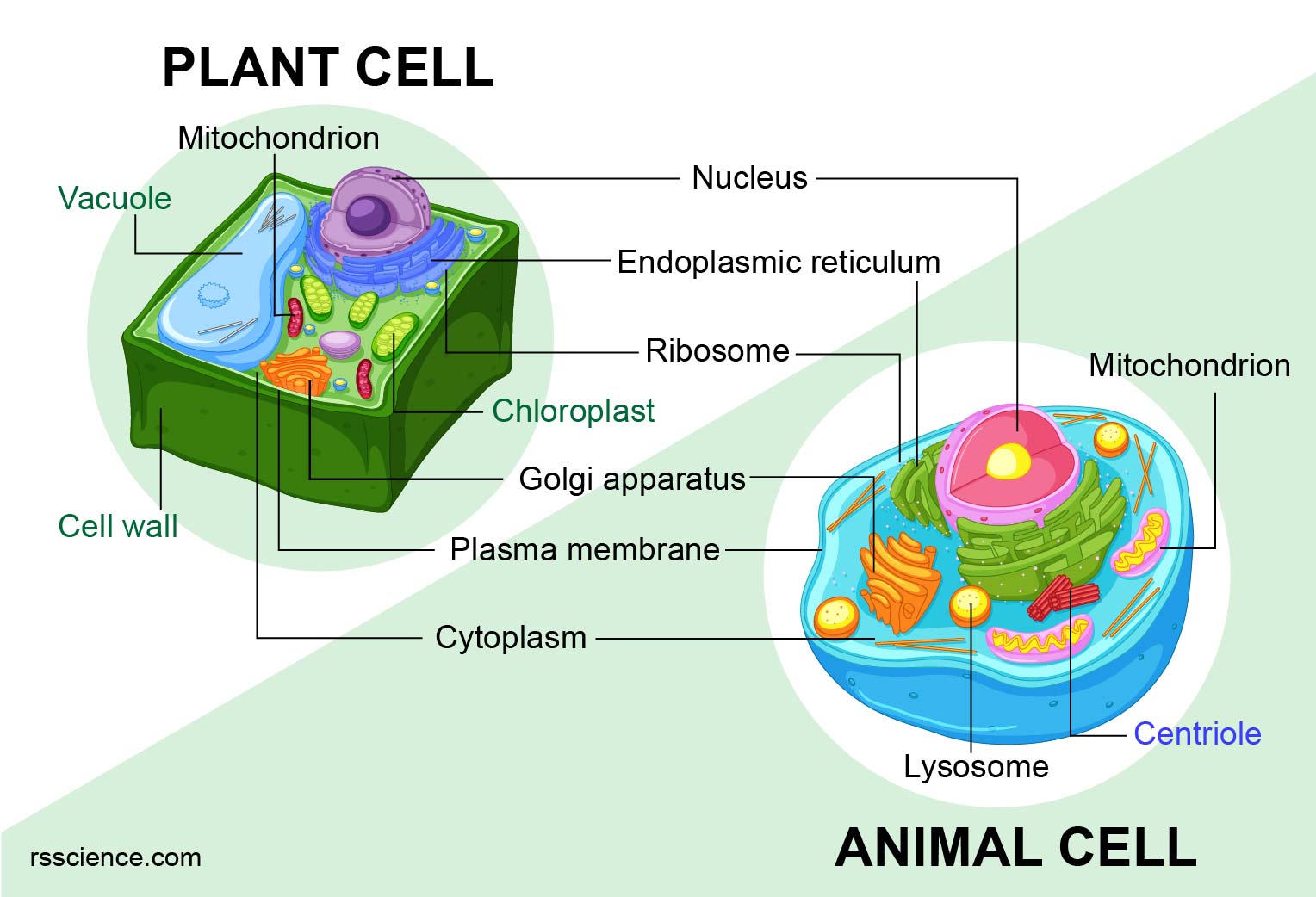
The distinct features of plant cells—the protective and communicative cell wall, the energy-generating chloroplasts, and the versatile central vacuole—represent biological innovations that have allowed plants to occupy unique ecological niches and thrive. From a technological perspective, these cellular structures offer a rich source of inspiration, demonstrating principles of robust design, efficient energy conversion, sophisticated communication networks, and adaptive resource management. By studying these biological blueprints, we gain insights that can inform the development of more resilient materials, efficient energy harvesting systems, decentralized communication architectures, and intelligent, self-sustaining devices. The evolutionary success of plant cells is a testament to the power of specialized design, a principle that continues to drive innovation across the technological landscape.
aViewFromTheCave is a participant in the Amazon Services LLC Associates Program, an affiliate advertising program designed to provide a means for sites to earn advertising fees by advertising and linking to Amazon.com. Amazon, the Amazon logo, AmazonSupply, and the AmazonSupply logo are trademarks of Amazon.com, Inc. or its affiliates. As an Amazon Associate we earn affiliate commissions from qualifying purchases.