
The pervasive nature of technology has undeniably brought immense convenience and connectivity into our lives. However, this same technological advancement has also introduced a more clandestine aspect, particularly in the realm of surveillance. Hidden cameras, once relegated to spy movies and high-stakes investigations, are becoming increasingly accessible and, consequently, more prevalent in various environments. Understanding what these devices look like is paramount for personal safety, privacy, and awareness in an interconnected world. This article delves into the discreet world of hidden cameras, exploring their common disguises, the technological innovations that enable their concealment, and the crucial steps individuals can take to identify and mitigate their presence.
The Art of Deception: Common Disguises of Hidden Cameras
Hidden cameras are masterfully designed to blend seamlessly into their surroundings, making them incredibly difficult to spot at first glance. Their ingenuity lies in mimicking everyday objects, thereby exploiting our inherent tendency to overlook the mundane. This section explores some of the most prevalent disguises that hidden cameras adopt, offering a detailed look at how they are ingeniously integrated into common household and public items.
Everyday Objects Made Overt
The most effective hidden cameras are those that don’t draw attention to themselves. Manufacturers and individuals seeking to deploy them leverage the ubiquity of certain items to their advantage. This means that seemingly innocuous objects can harbor sophisticated surveillance technology.
Household Items as Covert Eyes
Within a home environment, hidden cameras can be found disguised as a multitude of common items. Think of the ubiquitous smoke detector on the ceiling – a small, black, dome-like object that is often ignored. Many models now incorporate tiny camera lenses, making them indistinguishable from their functional counterparts. Power adapters for phones or laptops, especially those with USB ports, are another popular choice. The plug itself can house a camera, often with a small LED indicator that might be subtly masked or appear as a normal charging light. Clocks, whether wall clocks or desk clocks, provide ample space for concealment and are generally left undisturbed for extended periods. Alarm clocks, digital clocks, and even decorative mantelpiece clocks can all be modified.
Pens are a classic example of a portable disguise. A pen camera is designed to look and function like a regular writing instrument, often with a tiny lens integrated into the clip or the barrel. These are easily placed on desks, in pockets, or left in meeting rooms. USB flash drives are also frequently used. Their small size and commonality make them ideal for placement on computer desks or in common areas. The lens is typically a tiny pinhole on the side or end of the drive.
Decorative and Functional Items
Beyond simple everyday objects, hidden cameras are also cleverly disguised within decorative elements. Picture frames can have cameras built into their borders, especially those with thicker frames. Books, particularly if they are part of a bookshelf that isn’t frequently disturbed, can have their spines or covers modified. Small figurines, plants, or even tissue box covers can all be cleverly adapted to house a camera.
In public spaces or office environments, disguised cameras can be found in things like exit signs, motion detectors (distinct from smoke detectors), air vents, or even integrated into power outlets and light switches. These items are designed to be static and often overlooked, making them perfect for continuous surveillance. The key principle is to place the camera within an object that is expected to be present and unnoticed, thus ensuring its effectiveness without raising suspicion.
The Power of Miniaturization and Connectivity
The evolution of technology has been a driving force behind the increasing sophistication and prevalence of hidden cameras. Miniaturization allows these devices to be incredibly small, fitting into impossibly thin objects, while advancements in wireless connectivity ensure that recorded footage can be accessed remotely, further enhancing their covert capabilities.
Pinholes and Micro-Lenses
The most critical component of any hidden camera is its lens. Advancements in optics have led to the development of incredibly small, high-resolution pinhole lenses. These lenses can be as small as a few millimeters in diameter, making them easy to conceal behind a tiny hole in a seemingly normal object. The smaller the lens, the less noticeable it is, and the more options manufacturers have for disguising it. Often, these lenses are designed to be slightly recessed or positioned behind a dark surface to further reduce reflectivity and visibility.
Wireless Transmission and Remote Access
Modern hidden cameras are rarely standalone recording devices. The true power of their covert nature is amplified by their wireless capabilities. Many are equipped with Wi-Fi or Bluetooth transmitters, allowing them to send video feeds directly to a smartphone, tablet, or computer. This means that once installed, the operator can monitor events in real-time or access recorded footage remotely, often without ever needing to physically return to the location of the camera. This connectivity also implies that the camera requires a power source, which is often integrated into the disguised object (e.g., a battery for a clock, or directly powered by the mains for a power adapter). The absence of visible wires further contributes to their stealth.
Integrated Power Solutions
Powering these miniature devices is another area where innovation is evident. Many hidden cameras are designed to run on rechargeable batteries, offering hours or even days of recording time. For devices disguised as mains-powered objects, like power adapters or smoke detectors, they can draw power directly from the electrical outlet or the building’s wiring, allowing for continuous operation without the need for frequent recharging. This seamless integration of power sources eliminates another potential giveaway.
Identifying the Unseen: Practical Detection Methods
The thought of being secretly surveilled can be unsettling. Fortunately, with a systematic approach and a keen eye for detail, it’s possible to detect the presence of hidden cameras. This section outlines practical methods and tools that can aid in identifying these discreet surveillance devices, moving beyond simply recognizing their common disguises.
The Sweep for Subtle Clues
Identifying hidden cameras isn’t just about recognizing a disguised object; it’s about observing anomalies and subtle indicators that suggest a device is more than it appears. This requires a mindful approach to your surroundings, paying attention to details that might otherwise be overlooked.
Visual Inspection: Looking for the Unnatural
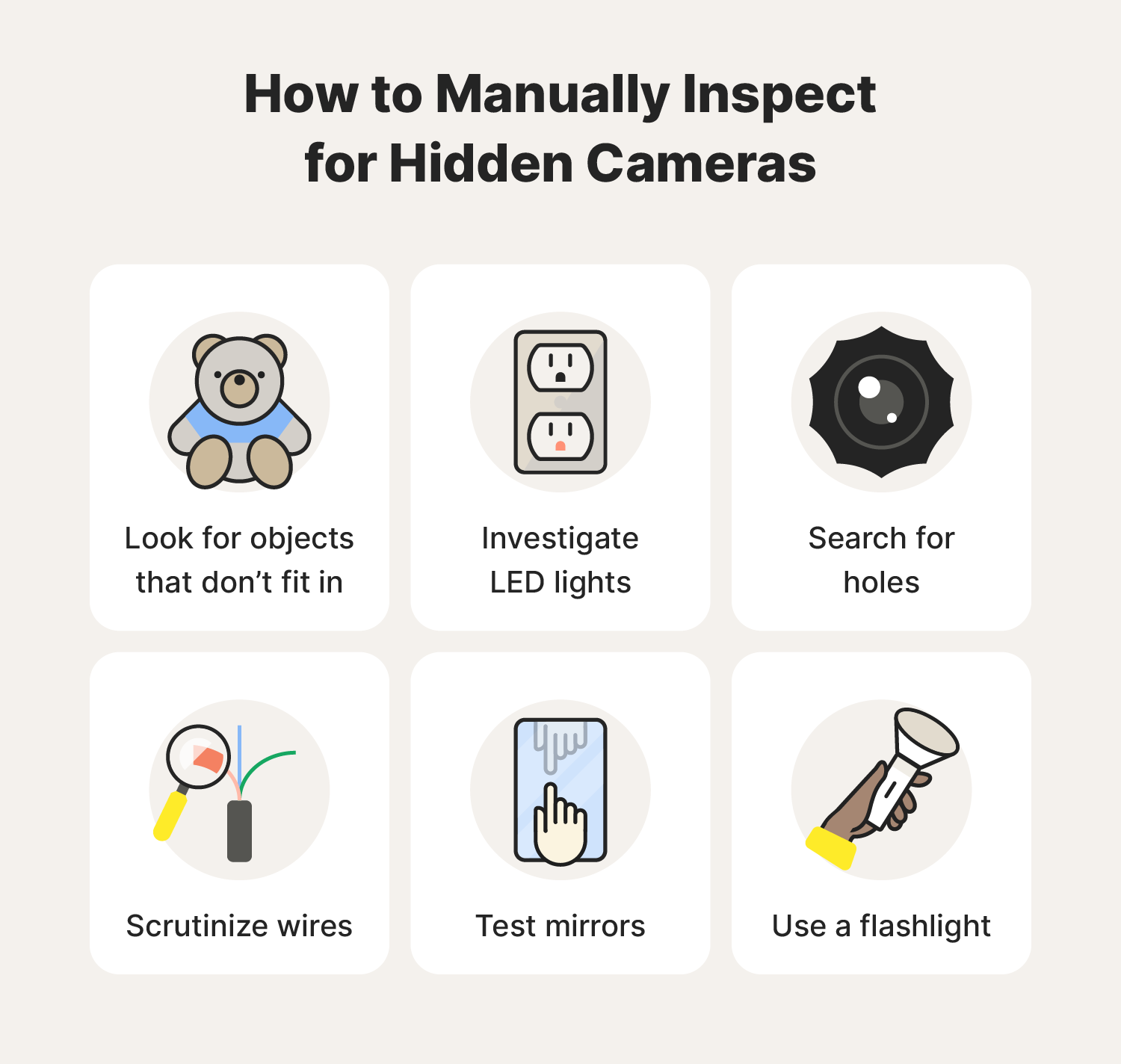
The first line of defense is a thorough visual inspection of any area where you suspect surveillance might be occurring. Start by looking for anything that seems out of place or doesn’t serve an obvious purpose. Examine objects that are positioned in a way that offers a clear view of a common area. Look for tiny, dark spots or holes that don’t appear to be part of the object’s natural design. For instance, a small, perfectly round hole on a smoke detector that isn’t a ventilation opening could be a lens. Similarly, on a power adapter, check for any unusual small openings or subtly colored LEDs that don’t correspond to a normal charging indicator.
Consider the alignment of objects. Is a clock positioned to offer an uncomfortably good view of a private space? Is a decorative item placed in a location that seems arbitrary but provides an optimal vantage point? Pay attention to reflective surfaces; while most lenses are designed to minimize glare, some might catch the light in an unusual way. Tiny, almost imperceptible blinking lights, especially those that seem to pulse with regularity, can also be an indicator.

Auditory and Environmental Checks
While visual inspection is primary, sometimes subtle environmental cues can provide hints. Many hidden cameras, especially older models or those with less sophisticated electronics, might emit a faint electronic hum or buzz, particularly when they are actively recording or transmitting. Listen carefully in quiet environments for any unusual sounds emanating from objects that should be silent.
Temperature can also be a factor. Electronic devices generate heat when in operation. If you notice an object that should be cool to the touch, like a plastic decorative item, feels unusually warm, it could be an indicator that it contains active electronics, including a camera. This is a more subtle clue but can be helpful in conjunction with other observations.
Leveraging Technology for Detection
Beyond manual inspection, several technological tools can significantly enhance your ability to detect hidden cameras. These range from simple smartphone apps to dedicated electronic detection devices, each offering a different approach to uncovering covert surveillance.
Smartphone Apps and Lens Detection
Many smartphone apps are designed to assist in detecting hidden cameras. These apps typically work in two primary ways. Firstly, they can utilize the phone’s camera to scan for reflections from camera lenses. By using the flash or the camera’s night vision mode, these apps can highlight tiny points of light that are reflections from a lens, which would otherwise be invisible to the naked eye. The app will guide you to sweep your phone across an area, and when it detects a potential lens reflection, it will alert you.
Secondly, some apps claim to detect Wi-Fi signals emitted by hidden cameras. If a camera is transmitting video wirelessly, it will be creating a network. These apps can help identify unusual or hidden Wi-Fi networks in your vicinity that you don’t recognize, potentially indicating a hidden camera broadcasting its signal. While these apps are not foolproof and can sometimes produce false positives, they offer an accessible and convenient first step in the detection process.
RF Detectors and Infrared Scanners
For more robust detection, Radio Frequency (RF) detectors are invaluable. Hidden cameras that transmit data wirelessly (Wi-Fi, Bluetooth, cellular) emit radio frequency signals. An RF detector can scan for these signals, alerting you to their presence and strength. These devices are more sensitive than smartphone apps and can help pinpoint the source of a transmission more accurately.
Infrared (IR) scanners or illuminators are another effective tool, particularly for detecting cameras that utilize infrared night vision. Many modern hidden cameras, even those designed for daytime use, incorporate IR LEDs to enhance their low-light recording capabilities. These IR LEDs emit light that is invisible to the human eye but can be detected by specialized cameras or IR viewers. By using an IR illuminator and a suitable viewer (often integrated into dedicated detectors or even some smartphone camera apps in their “night vision” mode), you can often see the faint glow of active IR LEDs, revealing the hidden camera.
The Ethics and Legality of Hidden Surveillance
The presence of hidden cameras raises significant ethical and legal questions that extend beyond mere detection. Understanding the boundaries of acceptable surveillance and the legal recourse available to those who have been subjected to it is crucial for navigating this complex landscape.
Privacy Rights and Legal Frameworks
The right to privacy is a fundamental human right, and its infringement through covert surveillance carries serious legal consequences. Laws surrounding the placement and use of hidden cameras vary by jurisdiction, but generally, there are clear prohibitions against their use in situations where individuals have a reasonable expectation of privacy.
When and Where is Surveillance Legal?
In most developed nations, it is illegal to place hidden cameras in areas where individuals have a reasonable expectation of privacy. This includes private residences, bathrooms, changing rooms, hotel rooms, and even private offices without the explicit consent of all parties involved. The rationale behind these laws is to protect individuals from unwarranted intrusion into their personal lives.
However, there are exceptions. In public spaces, such as streets, parks, or general commercial areas, surveillance is often permissible, though regulations may still apply regarding the duration of recording, data storage, and the purpose of surveillance. Employers may also have the right to monitor employees in the workplace, but typically, this must be disclosed, and cameras cannot be placed in areas where employees have a reasonable expectation of privacy, such as restrooms. Property owners may also install cameras on their property for security purposes, but again, limitations usually apply to avoid infringing on the privacy of neighbors or passersby.
Legal Ramifications for Unauthorized Surveillance
Individuals or entities caught using hidden cameras illegally can face severe legal penalties, including hefty fines, civil lawsuits for invasion of privacy, and even criminal charges. The specific charges and penalties depend on the nature of the violation, the intent of the surveiller, and the jurisdiction. For victims of illegal surveillance, legal action can include seeking damages for emotional distress, reputational harm, and other losses incurred due to the violation of their privacy. Consulting with legal counsel is essential for understanding one’s rights and options in such situations.
The Ethical Dilemma of Covert Technology
Beyond the legal statutes, the use of hidden cameras presents a significant ethical quandary. The ability to observe individuals without their knowledge erodes trust and can create an atmosphere of paranoia and fear. While proponents may argue for security benefits, the potential for misuse and the violation of personal autonomy are serious concerns.
Balancing Security and Privacy
The debate often centers on balancing the purported benefits of hidden cameras for security and crime prevention against the fundamental right to privacy. While cameras can deter crime and aid in investigations, their indiscriminate or unauthorized use can lead to a chilling effect on freedom of expression and association. The ethical challenge lies in establishing clear guidelines and boundaries for the use of such technologies that respect individual dignity and autonomy while also addressing legitimate security concerns.

The Impact on Trust and Society
The widespread knowledge that hidden cameras exist, and the potential for their presence in unexpected places, can have a corrosive effect on societal trust. It fosters a sense of unease and can lead individuals to alter their behavior out of fear of being watched, rather than out of genuine conviction or personal choice. The ethical imperative, therefore, is to promote transparency and accountability in the use of surveillance technologies, ensuring that their deployment serves a clear, legitimate purpose and is conducted in a manner that respects human rights and dignity.
The question of “what do hidden cameras look like” is not merely an academic curiosity. It is a vital aspect of digital literacy and personal security in the 21st century. By understanding the myriad disguises these devices can adopt, the technologies that empower their stealth, and the legal and ethical frameworks that govern their use, individuals can better protect their privacy and navigate an increasingly surveilled world with greater awareness and confidence.
aViewFromTheCave is a participant in the Amazon Services LLC Associates Program, an affiliate advertising program designed to provide a means for sites to earn advertising fees by advertising and linking to Amazon.com. Amazon, the Amazon logo, AmazonSupply, and the AmazonSupply logo are trademarks of Amazon.com, Inc. or its affiliates. As an Amazon Associate we earn affiliate commissions from qualifying purchases.