
The question “What do French people eat?” transcends a simple inquiry into dietary preferences. It delves into the very essence of a nation’s identity, its history, its social fabric, and, crucially for our exploration, its powerful global brand. France has long cultivated an image inextricably linked to gastronomy, a culinary prowess that is not merely a byproduct of its culture but a deliberate and highly effective component of its national brand. Understanding what French people eat is to understand a significant facet of how France presents itself to the world, how it markets its heritage, and how its culinary traditions contribute to its enduring appeal. This article will explore the gastronomic landscape of France through the lens of branding, examining how food shapes perceptions, drives economic activity, and reinforces the “French brand” on a global stage.
The Pillars of the French Culinary Brand: Tradition and Terroir
The cornerstone of the French culinary brand is its deep-rooted commitment to tradition and the concept of terroir. This inherent connection between food and place is not just a romantic notion; it’s a sophisticated branding strategy that emphasizes authenticity, quality, and a rich historical narrative.
Preserving Heritage Through Iconic Dishes and Ingredients
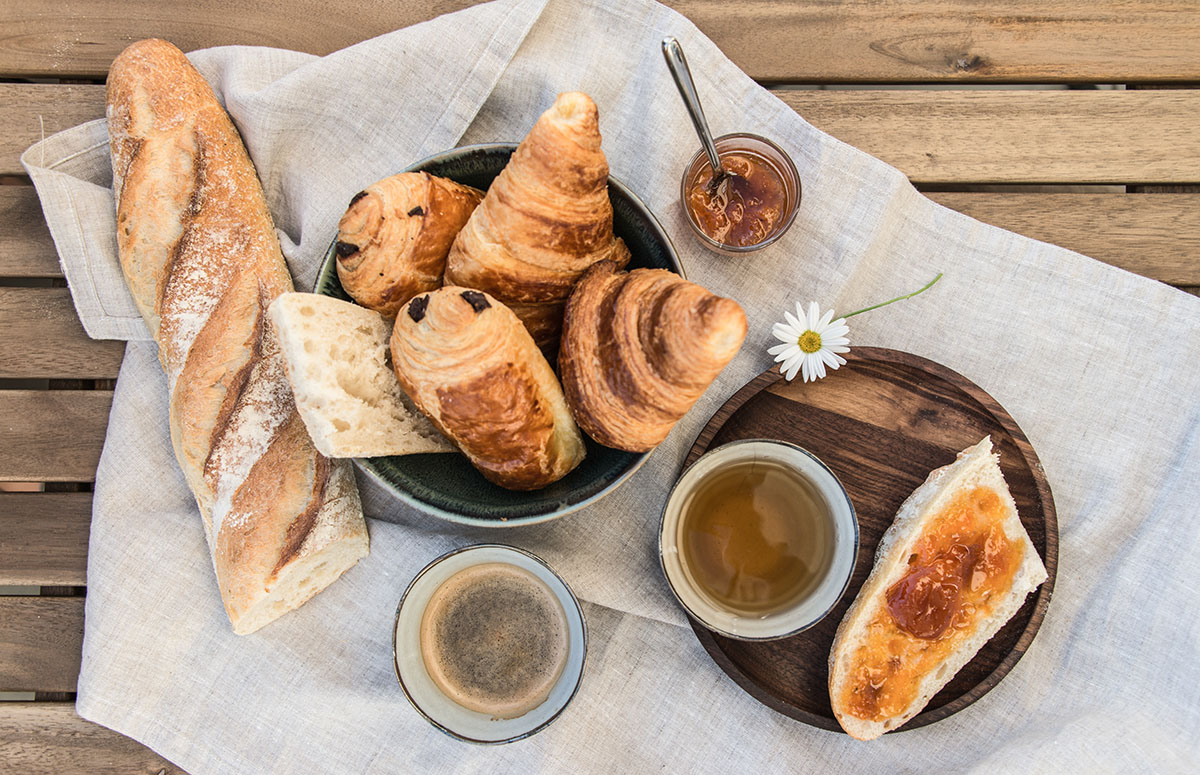
French cuisine is renowned for its iconic dishes, each carrying with it a legacy of generations. From the humble yet sophisticated coq au vin to the delicate macarons, these culinary creations are not just recipes; they are ambassadors of French culture. Their consistent presence on menus worldwide, often presented with a romanticized backstory, reinforces the image of France as a land of refined tastes and culinary mastery. This deliberate preservation and promotion of traditional dishes serve to build a recognizable and desirable brand identity. Think of the global recognition of baguette, croissant, and fromage. These are not mere food items; they are symbols of France, instantly evoking a sense of a particular lifestyle and quality. This recognition is a direct result of consistent branding efforts, both by individuals and by the French state, that have elevated these everyday items into cultural icons.
Terroir: The Articulation of Place and Quality
The concept of terroir is central to the French food brand. It refers to the unique environmental factors – soil, climate, sunlight – that influence the taste and character of agricultural products, particularly wine, cheese, and other regional specialties. This emphasis on terroir allows France to market its products not just as food, but as expressions of specific geographical locations, imbued with a sense of place and history. Appellations d’origine contrôlée (AOC) and Protected Geographical Indications (PGI) are not just regulatory systems; they are sophisticated branding mechanisms. They guarantee a certain quality and origin, building consumer trust and allowing for premium pricing. For example, a Brie de Meaux AOC is not just cheese; it’s a taste of a specific region, a taste of French heritage. This meticulous attention to origin and production methods creates a narrative of authenticity and exclusivity that is highly attractive to consumers globally, solidifying the brand of French produce as superior and distinctive. The story behind the food becomes as important as the food itself, a powerful branding tactic that differentiates French products in a crowded marketplace.
The Modern Evolution of the French Food Brand: Innovation and Global Reach
While tradition remains a potent force, the French culinary brand is not static. It has evolved to embrace innovation, global influences, and contemporary lifestyle trends, ensuring its continued relevance and appeal in the 21st century. This adaptability is a testament to a dynamic branding strategy that balances heritage with forward-thinking.
The Rise of Bistronomy and Creative Gastronomy

In recent decades, France has witnessed the emergence of “bistronomy,” a movement that blends the casual atmosphere of a bistro with the creativity and quality of haute cuisine. This trend has democratized fine dining, making high-quality food more accessible and appealing to a broader audience. Chefs are no longer solely focused on classic techniques but are experimenting with new flavors, ingredients, and presentations. This innovation is crucial for maintaining the dynamism of the French food brand, preventing it from becoming perceived as outdated or inaccessible. The emphasis on seasonal, local ingredients, often coupled with inventive twists on traditional dishes, speaks to a modern consumer who values both quality and experience. This fusion of classic sensibilities with contemporary approaches allows the French food brand to remain aspirational while also being relatable. It’s a branding strategy that appeals to both the connoisseur and the everyday diner seeking an elevated experience.
French Culinary Influence in a Globalized World
French cuisine has an undeniable global footprint. French culinary schools are sought after worldwide, and French chefs are recognized figures in international gastronomy. This pervasive influence means that French food and dining culture are constantly being exported, shaping eating habits and food trends across continents. This global reach is a powerful form of branding. When a restaurant in Tokyo or New York serves a French classic or employs French techniques, it is, in effect, a marketing outpost for the French brand. Furthermore, the proliferation of French-inspired patisseries, bakeries, and bistros around the world actively reinforces the image of France as a culinary superpower. This consistent exposure, driven by both commercial ventures and cultural exchange, ensures that the French food brand remains top-of-mind for consumers seeking quality, sophistication, and a touch of joie de vivre. The ability of French culinary concepts to be adopted and adapted globally speaks to the robustness and universal appeal of its underlying brand principles: quality, technique, and a focus on pleasure.
The Economic Engine of French Gastronomy: Tourism and Export
The culinary prowess of France is not just a cultural asset; it’s a significant economic driver. The country’s food and beverage sector is a major contributor to its GDP, fueling tourism and export markets, and solidifying its position as a global economic power through its culinary brand.
Gastronomy as a Magnet for Tourism
France consistently ranks among the top tourist destinations in the world, and its gastronomy plays a pivotal role in attracting visitors. The promise of authentic French culinary experiences – from Michelin-starred restaurants to local markets and wine tastings – is a powerful draw for tourists seeking to immerse themselves in French culture. This reliance on food as a tourist attraction is a deliberate branding strategy. The French government and various tourism boards actively promote the country’s culinary heritage as a key selling point, showcasing regional specialties and gastronomic events. This integrated approach ensures that the food experience is not an afterthought but a central component of the overall French travel brand. The allure of a perfectly flaky croissant in a Parisian café, a rich Bordeaux paired with local cheese, or a rustic Provençal stew is a significant part of the romanticized vision of France that draws millions of visitors annually. This economic synergy between food and tourism is a prime example of how the French food brand translates into tangible economic benefits.
Exporting the French Taste: A Global Marketplace
Beyond tourism, French food products are highly sought after in international markets. Wines, cheeses, pastries, and gourmet ingredients are exported worldwide, contributing significantly to France’s trade balance. This global demand for French culinary goods is a direct reflection of the strength and desirability of its food brand. The consistent quality, perceived authenticity, and association with a sophisticated lifestyle make French products premium offerings in many global markets. This export success is meticulously managed through a combination of regulatory frameworks, promotional activities by trade organizations, and the efforts of individual producers. The “Made in France” label, particularly in the food sector, carries with it an implicit guarantee of quality and tradition, a powerful branding advantage that allows French businesses to command premium prices and maintain a strong competitive edge in the international marketplace. The enduring appeal of French wines, for instance, is a testament to decades of consistent branding, quality control, and marketing that has positioned them as the benchmark for excellence.

Conclusion: The Enduring Power of the French Culinary Brand
In conclusion, the question of “What do French people eat?” is intrinsically linked to the potent and enduring brand that France has cultivated on the global stage. Their diet is not merely a series of personal choices but a reflection of a deeply ingrained cultural identity, a commitment to quality, and a masterful execution of a national brand. From the time-honored traditions and the reverence for terroir that form its bedrock, to the innovative spirit that keeps it dynamic and relevant, the French culinary narrative is a masterclass in branding. This brand is a powerful engine for its economy, attracting tourists and driving exports, and consistently reinforcing its image as a global leader in gastronomy. The French people’s eating habits, therefore, are far more than sustenance; they are a vibrant, delicious, and highly effective manifestation of the French brand, continually shaping perceptions and desires worldwide.
aViewFromTheCave is a participant in the Amazon Services LLC Associates Program, an affiliate advertising program designed to provide a means for sites to earn advertising fees by advertising and linking to Amazon.com. Amazon, the Amazon logo, AmazonSupply, and the AmazonSupply logo are trademarks of Amazon.com, Inc. or its affiliates. As an Amazon Associate we earn affiliate commissions from qualifying purchases.