
In the world of brand strategy and corporate identity, few entities possess the enduring power, cross-cultural resonance, and visual consistency of the figure of Mary within the Catholic tradition. While typically discussed in theological circles, the Catholic belief system regarding Mary offers a profound case study in how a “brand”—defined here as a complex set of symbols, narratives, and emotional associations—is built, protected, and localized across two millennia. To understand what Catholics believe about Mary is to witness a masterclass in brand architecture that has sustained global relevance and absolute loyalty among over a billion followers.
The Foundations of a Perpetual Brand Identity
The core of any successful brand lies in its identity—the fundamental set of characteristics that make it recognizable and distinct. For the Catholic Church, the “brand” of Mary is built upon four specific pillars, often referred to as dogmas. These dogmas function similarly to a brand’s core values, providing a non-negotiable framework that ensures consistency across every “touchpoint” of the faith, from cathedrals in Europe to small chapels in the Philippines.
Visual Consistency Across Millennia
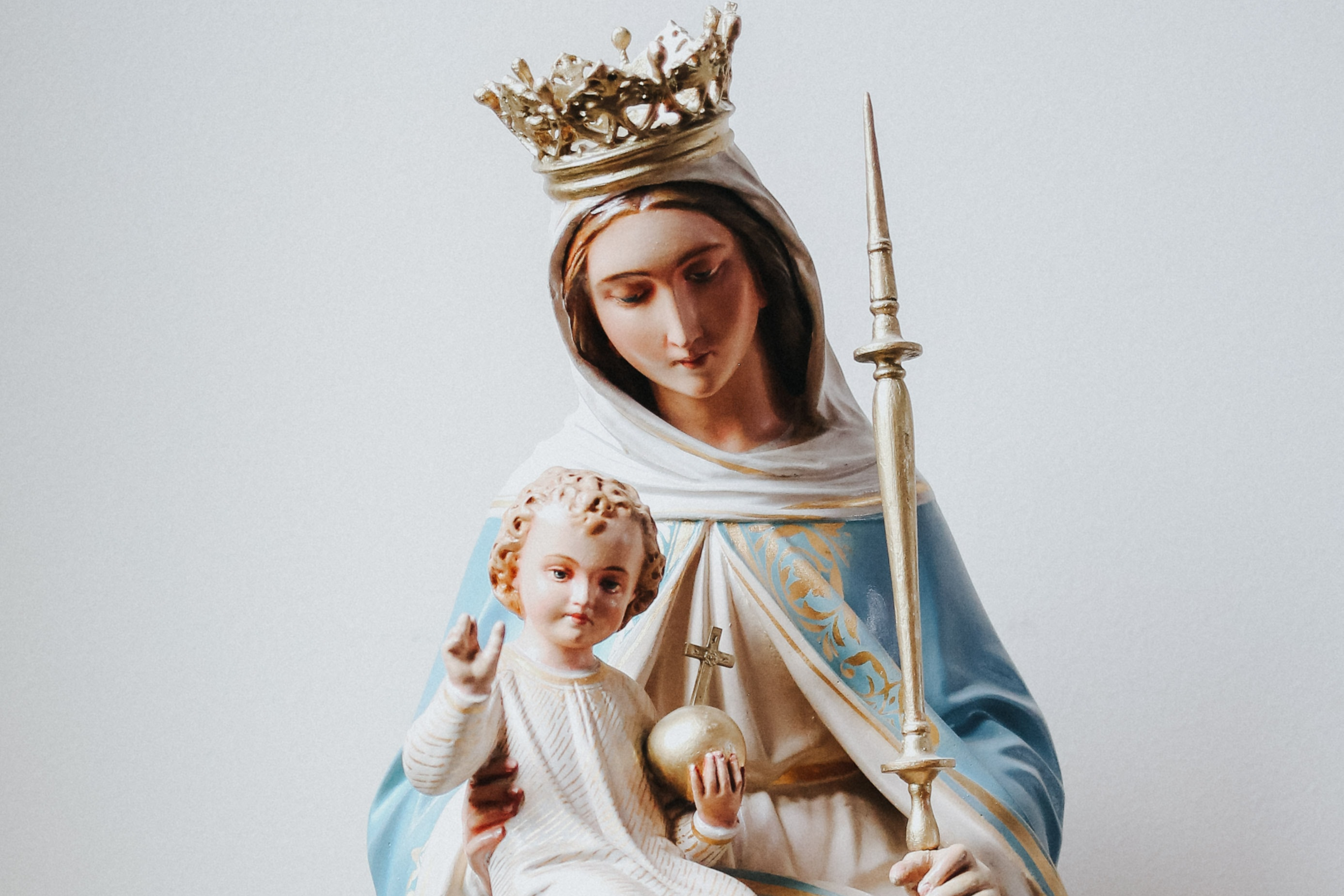
One of the most critical elements of brand strategy is visual identity. Mary is perhaps the most visually consistent “icon” in human history. Whether she is depicted as Theotokos (God-bearer) in Eastern iconography or as the Sorrowful Mother in Western art, certain brand assets remain constant: the blue mantle, the humble posture, and the presence of the Christ child. This visual shorthand allows the “consumer”—the believer—to immediately recognize the entity regardless of the cultural context. This level of visual recognition is something modern brands like Apple or Nike strive for but have only maintained for decades, whereas the “Mary brand” has maintained it for nearly two thousand years.
Emotional Resonance and the Archetype of the Mother
Great brands do not just sell products; they evoke emotions. The Catholic belief in Mary as the “Mother of the Church” taps into one of the most powerful human archetypes: the Mother. In branding terms, this is the ultimate “Emotional Value Proposition.” By positioning Mary as a maternal intercessor, the Catholic Church creates a bridge between the often-abstract concept of a transcendent God and the intimate, lived experience of the individual. This emotional resonance drives deep brand loyalty (devotion) that transcends intellectual assent.
Narrative Strategy: Defining the “Brand” Attributes
In brand strategy, a Unique Value Proposition (UVP) defines what makes a brand special and why it should be chosen over others. The Catholic theological framework provides Mary with several “unique attributes” that elevate her status and differentiate her from any other figure in the religious “marketplace.”
The Immaculate Conception: The Unique Value Proposition
A common misconception is that the Immaculate Conception refers to the birth of Jesus. In Catholic brand architecture, it actually refers to Mary being conceived without “original sin.” Strategically, this functions as a “Premium Status” attribute. It positions the figure of Mary as the “perfect vessel,” an unblemished standard that sets her apart from all other human “competitors.” This theological “exclusivity” is what allows the brand to maintain its high-equity status as the “Queen of Heaven.”
Perpetual Virginity: Maintaining the Exclusive “Brand” Status
The belief in Mary’s perpetual virginity serves to reinforce her “set-apart” nature. In the language of corporate identity, this is about maintaining brand purity. By emphasizing her lifelong devotion and physical set-apartness, the Church ensures that the “Mary brand” remains untethered to the mundane or the ordinary. It preserves the “sacred” nature of the brand, ensuring it cannot be diluted by common human experiences, thereby maintaining its aspirational quality.
Global Localization: Adapting the Brand to Local Markets
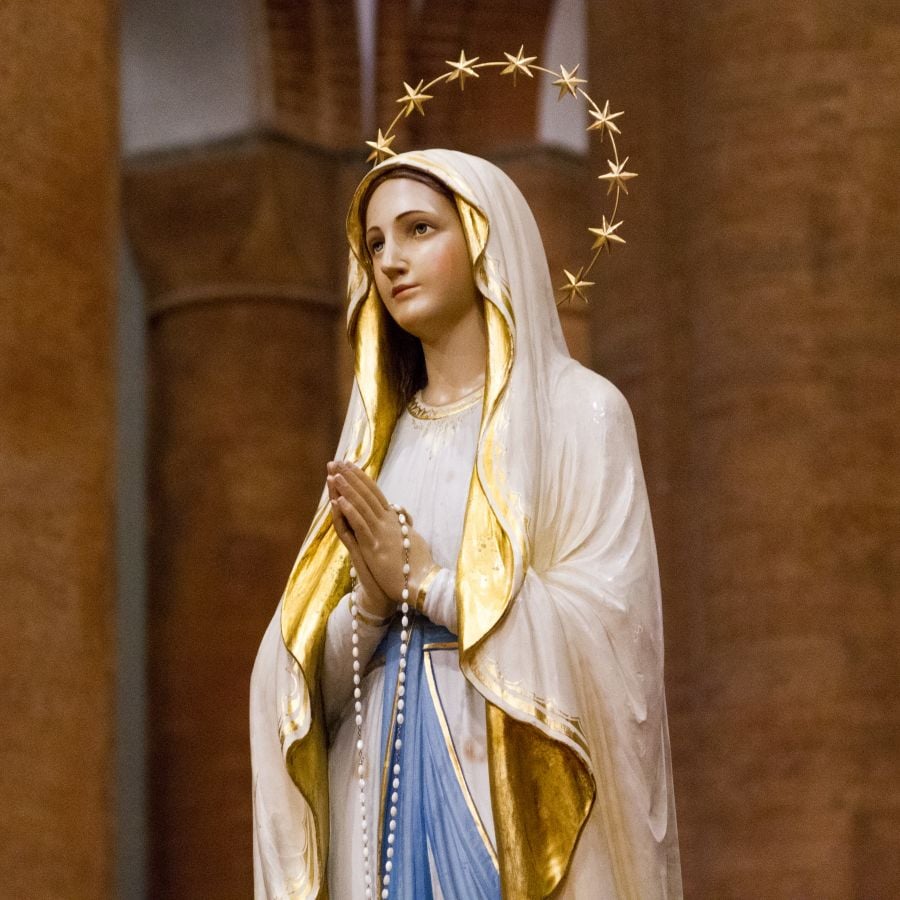
One of the greatest challenges for a global brand is “Glocalization”—the ability to maintain a consistent global identity while adapting to local cultures. The Catholic approach to Mary is a textbook example of successful market adaptation without losing core brand integrity.
Our Lady of Guadalupe and Cultural Integration
In 1531, the appearance of Mary as “Our Lady of Guadalupe” in Mexico transformed the religious landscape of the Americas. From a brand strategy perspective, this was a masterful localization effort. The “brand” was re-packaged with indigenous symbols: she appeared with Aztec features, wearing a mantle that mirrored the starry sky of indigenous cosmology. By adapting the visual language of the brand to fit the local market, the Church achieved a level of penetration and loyalty that a purely European “import” never could have reached.
Synchronicity as a Growth Strategy
The “Mary brand” has an incredible capacity for synchronicity—the ability to absorb and redefine local cultural elements. In various parts of the world, Mary has taken on titles like “Our Lady of Akita” in Japan or “Our Lady of Vietnam.” Each of these “regional sub-brands” maintains the core Catholic dogmas while adopting the aesthetic and linguistic preferences of the local population. This strategy ensures that the brand feels “homegrown” rather than imposed, which is essential for long-term sustainability in diverse markets.
Community Management and the “Advocacy” Model
Modern marketing has shifted from one-way communication to “community management.” Brands today want to build ecosystems where users advocate for the product. The Catholic Church has utilized this “advocacy model” for Mary for centuries through various sodalities, rosary groups, and pilgrimage sites.
From Devotion to Brand Loyalty
Catholic devotion to Mary is not passive; it is active and participatory. Practices like the Rosary function as a “brand ritual.” Rituals are powerful tools for building community and reinforcing brand identity. When believers pray the Rosary, they are engaging in a repetitive, tactile, and meditative “user experience” that reinforces the narrative of the brand on a daily basis. This creates a level of brand “stickiness” that ensures the identity is passed down through generations.
The Role of Apparitions as Brand “Updates”
In the corporate world, brands release “updates” or “new versions” to stay relevant. In the context of Catholic belief, Marian apparitions (such as those at Lourdes or Fatima) serve a similar function. These events provide “fresh content” for the brand, reinvigorating the base of followers and drawing media attention back to the core identity. These “brand activations” often lead to the construction of massive infrastructure (shrines, cathedrals), which serve as physical “flagship stores” for the brand’s presence in the world.
Modern Implications for Contemporary Brand Strategists
The “brand” of Mary offers several vital lessons for modern brand strategists, marketing professionals, and those interested in corporate identity. It demonstrates that the most successful identities are those that balance rigid core values with flexible cultural expressions.
Sustainability and Timelessness
The longevity of the Mary brand is rooted in its ability to address timeless human needs—the need for protection, the need for a mother, and the need for hope. Brands that focus on fleeting trends rarely last. The “Mary brand” succeeds because it addresses the “evergreen” aspects of the human condition. For a brand to survive centuries, it must be anchored in something deeper than a product; it must be anchored in a fundamental human truth.

Lessons in Purpose-Driven Branding
Today’s consumers demand “purpose-driven” brands. The Catholic belief in Mary is inherently purpose-driven; she is seen as the “Mediatrix” who leads followers toward a greater goal (salvation). This clear “purpose” gives the brand a sense of direction and meaning. For modern companies, the lesson is clear: identity is not just about what you look like (visual identity) but about what you stand for and where you are leading your community.
In conclusion, what Catholics believe about Mary is a sophisticated architecture of identity that has stood the test of time, geography, and cultural shifts. By analyzing her role through the lens of brand strategy, we see how the combination of a Unique Value Proposition, powerful emotional archetypes, and masterful localization can create a brand that is truly immortal. Whether one approaches this from a perspective of faith or a perspective of professional analysis, the “Mary brand” remains the ultimate benchmark for global identity and lasting influence.
aViewFromTheCave is a participant in the Amazon Services LLC Associates Program, an affiliate advertising program designed to provide a means for sites to earn advertising fees by advertising and linking to Amazon.com. Amazon, the Amazon logo, AmazonSupply, and the AmazonSupply logo are trademarks of Amazon.com, Inc. or its affiliates. As an Amazon Associate we earn affiliate commissions from qualifying purchases.