
The question of what Jesus wore is more than a simple curiosity about historical fashion. In the ancient world, clothing was not merely functional; it was a potent visual language, a primary indicator of social status, profession, religious affiliation, and even political allegiance. Understanding the sartorial landscape of first-century Judea allows us to reconstruct a crucial element of Jesus’ identity and ministry, and how his appearance might have been perceived by his contemporaries. From this perspective, his attire can be viewed as a critical component of his “brand” – the visual identity that communicated his message and mission before he even spoke a word.
The Foundations of First-Century Attire: Fabric, Form, and Function
The clothing of Jesus’ era was intrinsically linked to the available materials, the climate, and the societal structures of the time. Unlike the mass-produced, diverse textiles of today, ancient Judea relied on locally sourced and traded natural fibers. The very choice of fabric and the way garments were constructed held significant meaning, shaping the wearer’s presentation and reinforcing their place within the community.
The Ubiquitous Tunic: A Canvas of Social Standing
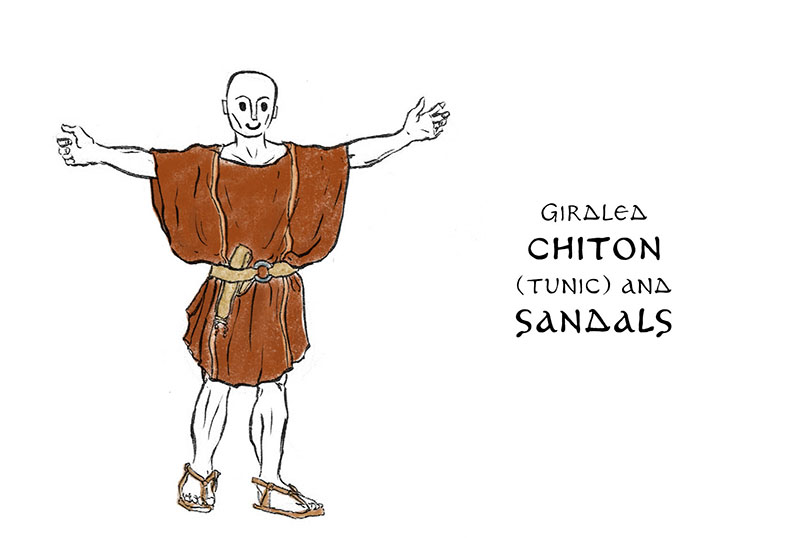
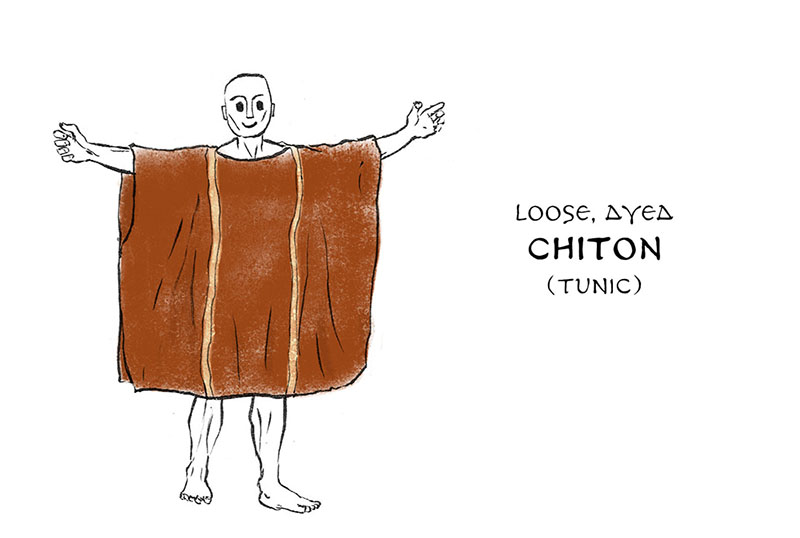
The most fundamental garment worn by men and women in first-century Palestine was the tunic, or chiton. This was essentially a long shirt, typically made of linen or wool, that reached the knees or ankles. The length of the tunic was a significant marker of social status. While laborers and the poor might wear shorter tunics for practicality, longer, more voluminous tunics were indicative of a higher social standing. The quality of the fabric also played a crucial role. Coarse wool or rough linen would have been the material of choice for the majority, while finer weaves, imported fabrics, or those dyed with expensive pigments would have been worn by the affluent.
For Jesus, as a carpenter by trade before his public ministry and later as a traveling teacher, his tunic was likely practical and durable. It would have been made from common materials, likely wool or linen, and would have been functional for his itinerant lifestyle. The absence of elaborate decoration or opulent fabrics would have underscored his message of humility and his association with the common people, rather than the ruling elite or religious authorities who often sported more ostentatious attire. This deliberate simplicity was a form of visual messaging, a consistent element in his overall “brand” of accessible spirituality.
The Outer Mantle: Protection and Public Presentation
Over the tunic, most individuals wore an outer garment, typically a mantle or cloak. This served multiple purposes: protection from the elements, a means of carrying items, and a significant element of public presentation. The most common form was a rectangular piece of cloth, often made of wool, which could be draped over the shoulders, wrapped around the body, or even used as a blanket at night. The size and quality of this mantle could also convey status.
The Gospels mention Jesus wearing a mantle. The most famous instance relates to the woman who touched the fringe of his garment, believing it would heal her. This speaks to the significance of outer garments and their perceived efficacy. The specific type of mantle Jesus wore would have depended on the weather and the occasion. A simple, woolen cloak would have been the most probable choice, again emphasizing practicality and a lack of ostentation. This would have been a common sight among many of his followers and the general populace, further situating him within the fabric of everyday life. His mantle, like his tunic, was not a differentiator of wealth or power, but a symbol of his shared humanity and his position among the working class.
The Significance of Color and Dyeing: A Spectrum of Meaning
While many garments were likely undyed or colored with natural dyes that resulted in muted earthy tones, color played a crucial role in conveying meaning and status. The processes of dyeing were often complex and expensive, making brightly colored or richly dyed fabrics accessible only to the wealthy.
- White: Often associated with purity, righteousness, and even divine presence. The Transfiguration account, where Jesus’ clothes are described as “dazzling white,” points to a symbolic representation of his divine nature. However, everyday white linen would have been more common for those who could afford it.
- Blue: Derived from indigo, a relatively expensive dye, blue garments were often associated with royalty or high status.
- Purple: Perhaps the most prestigious color, purple dye was extracted from sea snails and was incredibly costly, making purple garments exclusive to emperors, high-ranking officials, and the extremely wealthy.
- Red: Derived from madder root, red was more accessible than purple but still indicated a certain level of affluence.
Jesus’ attire was likely characterized by its lack of vibrant or expensive dyes. The assumption is that he wore garments of natural, undyed wool or linen, or those colored with readily available and inexpensive dyes. This aligns with his message of identifying with the poor and marginalized, and his critique of the ostentatious displays of wealth and religious hypocrisy. His “brand” was one of unadorned authenticity, and his clothing was a testament to this. The absence of costly colors and fine weaves was not a sign of poverty in the sense of lack, but a deliberate choice that reinforced his message and separated him from the materialist values of some of his contemporaries.
The Symbolic Power of Jesus’ Attire: A Visual Brand Statement
Beyond mere practicality and material composition, the way Jesus presented himself through his clothing carried profound symbolic weight. His attire was not a fashion statement in the modern sense, but a visual articulation of his mission, his message, and his identity. Analyzing his clothing through the lens of branding reveals how he strategically employed visual cues to resonate with his audience and convey the essence of his teachings.
Simplicity as a Brand Differentiator
In a world where visible wealth and status were often flaunted, Jesus’ choice of simple, unassuming clothing served as a powerful differentiator. While religious leaders and the affluent might have worn more elaborate robes, often with specific insignia or colors denoting their rank, Jesus presented himself as one of the people. This deliberate lack of ostentation was a core element of his “brand” as a messenger of God for the common person, a stark contrast to the established religious and social hierarchies.
This simplicity was not an accident. It allowed him to engage with people from all walks of life without the barriers that status symbols can create. His unremarkable attire meant that his message, rather than his perceived wealth or social standing, was what drew people to him. It was a conscious branding strategy that prioritized substance over superficiality.
The “Fringe” of Authority and Divine Connection
The mention of touching the fringe of Jesus’ garment for healing is particularly insightful. In Jewish tradition, the tzitzit (fringes) on the corners of garments were commanded in the Torah (Numbers 15:38-41) as a reminder to obey God’s commandments. These fringes were not merely decorative but held religious significance. For Jesus to wear them, and for people to specifically seek contact with them, suggests a belief in his divine authority and his connection to God.
This was a subtle but powerful aspect of his “brand.” By adhering to this religious tradition, he aligned himself with the divine. By allowing his garment’s fringe to be a point of connection for healing, he reinforced his role as a conduit of God’s power. It was a visual symbol that spoke of his spiritual authority and his ability to bring about divine intervention in the lives of individuals. This was not about personal adornment, but about harnessing a well-understood religious symbol to communicate a profound message about his identity and purpose.
The Absence of Materialism: A Brand of Humility
Jesus consistently challenged the pursuit of material wealth and the vanity associated with it. His teachings often highlighted the dangers of riches and the virtues of humility and detachment. His own attire was a living embodiment of these teachings. By eschewing luxurious fabrics, expensive dyes, and elaborate ornamentation, he presented a consistent and authentic “brand” of humility.
This was crucial for his credibility. He could not effectively preach against materialism if he himself was adorned in the trappings of wealth. His simple clothing allowed his message to land with greater impact, demonstrating that his focus was on spiritual riches, not earthly possessions. This commitment to simplicity was a key differentiator, setting him apart from many of the prominent figures of his day and solidifying his identity as a spiritual leader of the people.
The Economics of Attire: Understanding Textile Trade and Social Stratification
While the focus has been on the symbolic and visual aspects of Jesus’ clothing, it’s also important to acknowledge the underlying economic realities that shaped what people wore in the first century. The availability, cost, and production of textiles were deeply intertwined with the social and economic structures of the time, and understanding these factors further illuminates the context of Jesus’ own attire.
The Textile Economy: From Field to Fabric
The production of clothing in ancient Judea was a labor-intensive process. Wool from sheep and flax for linen were the primary fibers. These required careful cultivation, shearing, harvesting, retting, spinning, and weaving. Skilled artisans played a crucial role in transforming raw materials into usable fabric. The process of dyeing added another layer of complexity and cost. Natural dyes, while available, often required significant quantities of plant or animal materials and labor to extract their color. Expensive dyes like Tyrian purple were the result of intricate and perilous harvesting processes, making them astronomically costly.
The cost of these materials and the labor involved meant that fabric was a valuable commodity. The ability to afford finer textiles, larger quantities of fabric, or garments dyed with expensive colors was a direct reflection of economic standing. For the vast majority of the population, including Jesus and his disciples, clothing would have been made from coarse, practical materials, likely dyed in muted, earthy tones or left undyed. This was not a sign of destitution, but the economic reality for most people in an agrarian society.
Social Stratification and Dress Codes
Clothing served as a visible marker of social hierarchy. The elite, including Roman officials, wealthy landowners, and some religious authorities, could afford imported silks, finely woven linens, and garments dyed with expensive pigments. These would have been distinctly different from the rough woolens and linens worn by farmers, laborers, and fishermen.
Even within the broader population, subtle differences in the quality of fabric, the craftsmanship of the garment, and the presence or absence of simple embellishments could indicate one’s economic standing. Jesus’ deliberate choice to wear clothing that was indistinguishable from that of the common people further reinforced his message of solidarity and his critique of social and economic inequality. His “brand” was one that transcended these superficial markers of wealth and status, speaking to a deeper, spiritual value system.

Conclusion: The Enduring Brand of Unadorned Authenticity
The question of what Jesus wore, when examined through the lens of historical context and social signaling, reveals a powerful and consistent visual “brand.” His attire was not a matter of personal vanity or a reflection of worldly status, but a deliberate and integral part of his ministry. The simplicity of his tunic and mantle, the likely use of natural, undyed fibers, and the absence of expensive dyes all communicated a message of humility, authenticity, and solidarity with the poor and marginalized.
His clothing served as a visual testament to his teachings, reinforcing his critique of materialism and his emphasis on spiritual values. The symbolic power of his garments, from the practicalities of everyday wear to the religious significance of the fringe, all contributed to his unique identity. In a world often preoccupied with outward appearances, Jesus presented a “brand” of unadorned authenticity, a message that continues to resonate through the ages, reminding us that true value lies not in what we wear, but in who we are and the message we embody.
aViewFromTheCave is a participant in the Amazon Services LLC Associates Program, an affiliate advertising program designed to provide a means for sites to earn advertising fees by advertising and linking to Amazon.com. Amazon, the Amazon logo, AmazonSupply, and the AmazonSupply logo are trademarks of Amazon.com, Inc. or its affiliates. As an Amazon Associate we earn affiliate commissions from qualifying purchases.