
The world is a tapestry of nations, each with its unique identity, culture, and economic landscape. For those seeking to expand their horizons, whether for business, personal growth, or investment, understanding these diverse markets is paramount. When considering global expansion, a fundamental starting point is to identify key regions and their potential. This exploration, while seemingly simple, can unlock a wealth of opportunities. Today, we delve into a specific segment of this global puzzle: countries that begin with the letter “O.” While the list might appear short, the economic and technological significance of these nations is far from negligible.
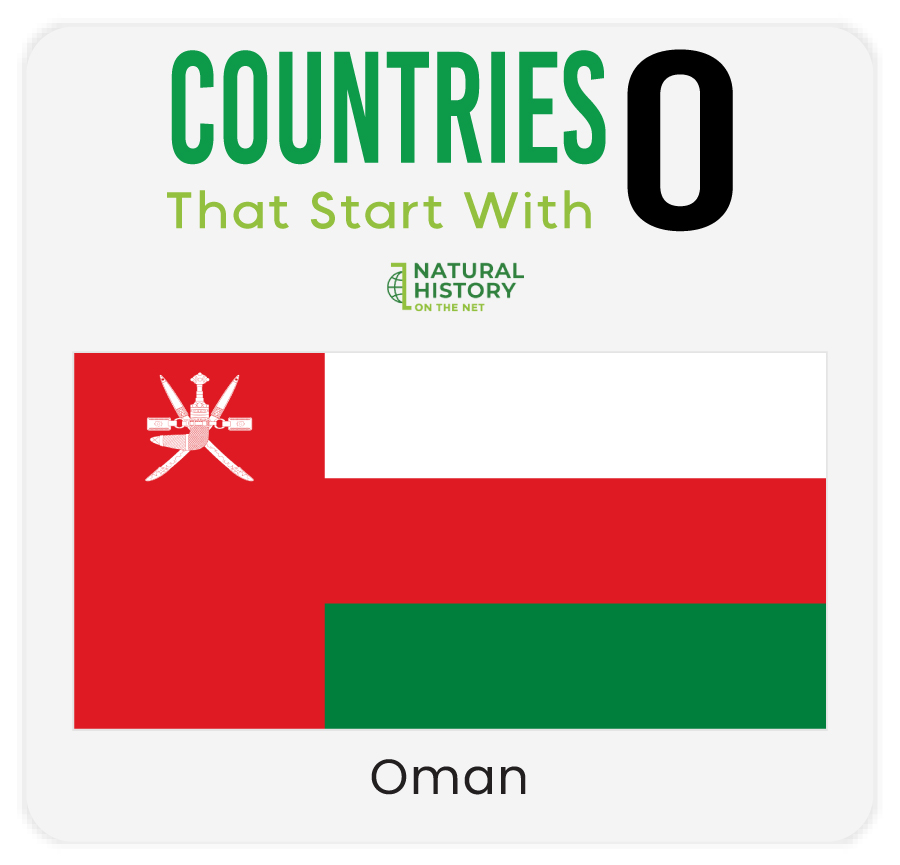
Oman: A Gateway to the Middle East and Beyond
The Sultanate of Oman, nestled on the southeastern coast of the Arabian Peninsula, presents a compelling case study in strategic economic diversification and technological adoption. Often overshadowed by its more boisterous neighbors, Oman has quietly been forging a path towards a knowledge-based economy, leveraging its historical strengths while embracing modern innovation. Understanding Oman’s trajectory offers valuable insights for businesses and investors looking to tap into the burgeoning Middle Eastern market, with a particular focus on its evolving digital infrastructure and its role as a logistics hub.
Economic Diversification and Digital Transformation
For decades, Oman’s economy was heavily reliant on oil and gas. However, recognizing the inherent volatility of hydrocarbon markets, the nation has embarked on an ambitious journey of economic diversification, outlined in its Vision 2040. This strategy heavily emphasizes the development of non-oil sectors, including tourism, logistics, manufacturing, and crucially, technology.
The Omani government has been actively investing in digital infrastructure, recognizing its foundational role in attracting foreign investment and fostering domestic innovation. Initiatives such as the development of high-speed internet networks, the establishment of tech hubs, and the promotion of e-government services are transforming the business environment. This digital transformation is not merely about connectivity; it’s about creating an ecosystem where startups can thrive, established businesses can become more efficient, and citizens can access services seamlessly.
Logistics and Connectivity: A Strategic Advantage
Oman’s strategic geographical location, with its long coastline and proximity to major shipping routes, positions it as a vital logistics hub. The development of world-class ports like Salalah and Sohar, coupled with an expanding road and air cargo network, facilitates the movement of goods across the Middle East, Africa, and Asia.
This logistical prowess is increasingly intertwined with technological advancements. The adoption of smart logistics solutions, including IoT sensors for cargo tracking, blockchain for supply chain transparency, and AI-powered route optimization, is enhancing efficiency and reducing costs. For tech companies, particularly those in the supply chain management, enterprise resource planning (ERP), and data analytics sectors, Oman offers a fertile ground for deploying and scaling their solutions. The government’s commitment to developing these advanced logistics capabilities makes it an attractive proposition for businesses seeking to streamline their operations and gain a competitive edge in regional and international trade.
Emerging Tech Sectors and Investment Opportunities
While still in its nascent stages compared to some global tech powerhouses, Oman’s tech landscape is showing promising growth in specific areas. The government is actively encouraging investment in sectors such as Fintech, e-commerce, renewable energy technologies, and specialized software development.
Fintech is a particularly exciting area, with initiatives aimed at modernizing the financial sector and promoting digital payments. This presents opportunities for international Fintech firms to enter the market, collaborate with local institutions, and develop tailored solutions for the Omani consumer and business landscape. Similarly, the booming e-commerce sector, accelerated by changing consumer habits, requires robust digital platforms, secure payment gateways, and efficient delivery networks, all of which are areas ripe for technological innovation and investment.
The emphasis on renewable energy, particularly solar power, aligns with global sustainability trends and presents opportunities for companies specializing in solar panel technology, energy storage solutions, and smart grid management. Furthermore, the growing demand for specialized software, from enterprise solutions to niche applications, is being fueled by the broader digital transformation agenda. For tech entrepreneurs and investors, Oman’s proactive approach to economic diversification and its strategic focus on technology make it a market worth exploring.
Overview of Other “O” Countries and Their Tech Footprints
While Oman stands out as a significant player in terms of strategic development, it’s important to acknowledge other nations whose names begin with “O.” These countries, though perhaps varying in scale and economic might, also contribute to the global technological ecosystem in their own ways. Understanding their unique positions can offer a more comprehensive view of the opportunities and challenges within these markets.
Pakistan: A Growing Digital Economy and Emerging Tech Talent
Pakistan, with its vast population, is rapidly emerging as a significant player in the global digital economy. The country boasts a young and increasingly tech-savvy demographic, a burgeoning IT services sector, and a growing startup ecosystem.
IT Services and Outsourcing: Pakistan has a well-established reputation for providing IT outsourcing services, particularly in software development, web design, and BPO. Companies in this sector are increasingly leveraging cloud computing, AI, and big data analytics to enhance their offerings. The affordability of talent combined with a growing pool of skilled professionals makes Pakistan an attractive destination for companies looking to outsource their tech needs.

Startup Ecosystem and Innovation: The Pakistani startup scene is vibrant and expanding, with significant growth in sectors like e-commerce, ride-sharing, and Fintech. Government initiatives and private sector incubators are nurturing this ecosystem, encouraging innovation and entrepreneurship. This burgeoning scene is creating demand for cutting-edge technologies, cloud infrastructure, and digital marketing tools.
Digital Infrastructure Development: While challenges remain, there’s a concerted effort to improve digital infrastructure across Pakistan. Increased internet penetration, the expansion of mobile networks, and government-backed digital initiatives are paving the way for greater digital inclusion and the adoption of new technologies. This creates opportunities for companies involved in telecommunications, network infrastructure, and digital service delivery.
Opportunities and Challenges
The allure of Pakistan’s tech market lies in its immense potential driven by its demographic dividend and growing digital adoption. However, challenges such as infrastructure disparities, regulatory hurdles, and access to funding can present complexities. Nevertheless, for tech companies willing to navigate these dynamics, the rewards can be substantial, particularly in servicing a large, youthful, and increasingly connected population.
Optimizing Global Reach: Leveraging Technology Across Borders
The exploration of countries starting with “O” underscores a broader imperative in the modern business landscape: the strategic use of technology to optimize global reach. Whether expanding into Oman’s developing tech hubs or tapping into Pakistan’s burgeoning IT services, a well-defined technology strategy is crucial for success. This involves not just adopting new tools but integrating them seamlessly into existing business processes and understanding how they can unlock new markets and efficiencies.
Embracing Digital Platforms for Market Entry
For any business looking to engage with international markets, especially those with evolving digital infrastructures, establishing a strong online presence is non-negotiable. This extends beyond a basic website to encompass a comprehensive digital strategy that includes e-commerce capabilities, targeted digital marketing, and robust customer relationship management (CRM) systems.
E-commerce Solutions: For countries with growing online consumer bases like Pakistan, robust e-commerce platforms are essential. This involves choosing scalable solutions, integrating secure payment gateways, and optimizing logistics for delivery. For businesses looking to sell their products or services, understanding the nuances of online retail in these markets is key.
Digital Marketing and Localization: Reaching target audiences in diverse cultural contexts requires sophisticated digital marketing strategies. This includes search engine optimization (SEO) for local search engines, social media marketing tailored to regional platforms and preferences, and content localization to ensure effective communication. Understanding the specific digital behaviors and preferences of consumers in countries like Oman and Pakistan is vital for impactful campaigns.
Cloud Computing and Scalability: As businesses expand their operations globally, the need for scalable and flexible technological infrastructure becomes paramount. Cloud computing services offer a powerful solution, enabling businesses to access computing resources on demand, manage data efficiently, and deploy applications without significant upfront investment in physical hardware. This is particularly beneficial when entering markets where IT infrastructure may be developing.
The Role of Data Analytics and AI in Global Expansion
Beyond market entry, technology plays a critical role in sustaining and growing international operations. Data analytics and Artificial Intelligence (AI) are becoming indispensable tools for understanding market dynamics, optimizing operations, and identifying new opportunities.
Market Intelligence and Consumer Insights: By leveraging data analytics, businesses can gain deep insights into consumer behavior, market trends, and competitive landscapes in their target countries. This data can inform product development, pricing strategies, and marketing campaigns, ensuring that offerings are aligned with local needs and preferences.
Operational Efficiency and Automation: AI-powered tools can automate various business processes, from customer service through chatbots to supply chain management. This leads to increased efficiency, reduced operational costs, and improved customer satisfaction. For businesses operating in diverse geographical locations, the ability to standardize and optimize operations through AI is a significant advantage.
Risk Management and Compliance: Operating in international markets involves navigating complex regulatory environments. AI and data analytics can help businesses identify potential risks, ensure compliance with local laws and regulations, and manage financial transactions securely. This proactive approach can mitigate potential pitfalls and foster sustainable growth.
Building a Future-Ready Global Technology Strategy
The global business environment is in constant flux, driven by rapid technological advancements and evolving geopolitical landscapes. For companies looking to thrive, building a flexible and forward-thinking technology strategy is essential. This involves staying abreast of emerging technologies, fostering a culture of innovation, and continuously evaluating and adapting digital tools and approaches.
When considering countries starting with “O,” whether it’s Oman’s strategic push towards a digital economy or Pakistan’s burgeoning tech talent pool, the common thread is the transformative power of technology. By understanding the specific technological landscapes of these nations and strategically integrating advanced digital solutions, businesses can unlock unprecedented opportunities for growth, efficiency, and global impact. The journey of exploring these countries, even through the simple lens of their starting letter, reveals a complex and interconnected world where technology is the key to navigating and succeeding in the global marketplace.
aViewFromTheCave is a participant in the Amazon Services LLC Associates Program, an affiliate advertising program designed to provide a means for sites to earn advertising fees by advertising and linking to Amazon.com. Amazon, the Amazon logo, AmazonSupply, and the AmazonSupply logo are trademarks of Amazon.com, Inc. or its affiliates. As an Amazon Associate we earn affiliate commissions from qualifying purchases.