
Orange. It’s a color that evokes warmth, energy, creativity, and a touch of boldness. From the fiery sunset to the vibrant flesh of a citrus fruit, orange occupies a unique space in the color spectrum. But when it comes to the world of brand identity and design, simply using orange isn’t enough. The true power lies in understanding what colors to pair with orange to achieve specific brand perceptions, evoke desired emotions, and create visually compelling experiences. This exploration delves into the strategic selection of color palettes that complement and enhance the inherent qualities of orange, transforming it from a standalone hue into a potent branding tool.

The effectiveness of orange in branding is deeply rooted in its psychological impact. It’s a color associated with enthusiasm, determination, and a sense of adventure. However, without careful consideration of its chromatic companions, orange can easily veer into being too aggressive, childish, or even off-putting. The goal isn’t just to find colors that look aesthetically pleasing next to orange, but to strategically curate combinations that communicate the intended brand message with clarity and impact. This requires an understanding of color theory, the psychology of color, and the specific objectives of the brand in question.
The Foundational Psychology of Orange in Branding
Before we delve into specific color pairings, it’s crucial to understand the intrinsic psychological associations of orange itself. This foundational knowledge will inform our choices and ensure that the resulting palettes are not merely decorative but functionally effective in conveying brand values.
Orange’s Emotional Spectrum
Orange is a secondary color, born from the energetic fusion of red and yellow. This lineage imbues it with a powerful duality. From red, it inherits warmth, passion, and excitement. From yellow, it draws cheerfulness, optimism, and creativity. The result is a color that often signifies:
- Enthusiasm and Energy: Think of the vibrant buzz of a sports team’s colors or the energetic marketing campaigns of innovative tech companies. Orange inherently suggests a dynamic and forward-thinking approach.
- Creativity and Innovation: Many artists and designers find inspiration in orange. It’s often associated with a playful yet focused approach to problem-solving and idea generation.
- Warmth and Friendliness: This is perhaps orange’s most approachable attribute. It can create a sense of comfort, welcome, and sociability, making it ideal for brands aiming for a friendly and approachable image.
- Affordability and Value: For some brands, particularly in retail and food service, orange can signal good value and accessibility, without sacrificing quality.
- Autumnal and Harvest Associations: This natural connection can evoke feelings of abundance, comfort, and tradition, making it suitable for food, agricultural, or seasonal brands.
However, the intensity of orange can also be a double-edged sword. An overly dominant or poorly chosen shade of orange can be perceived as:
- Aggressive or Overbearing: Too much vibrant orange can feel overwhelming, triggering a sense of anxiety or even irritation.
- Immature or Trivial: In certain contexts, a bright orange might be perceived as less serious or sophisticated.
- Cheap or Low Quality: While it can signal value, poorly executed orange branding can sometimes equate to a lack of premium quality.
Understanding these nuances is paramount. The colors we choose to pair with orange will either amplify its positive attributes or mitigate its potential drawbacks, ultimately shaping the perception of the brand.
Strategic Color Pairings for Orange Brands
The true art of using orange effectively in branding lies in its strategic juxtaposition with other colors. Each pairing unlocks a distinct personality and communication strategy. We will explore several key color families and their impact when combined with orange.
The Power of Complementary Colors: Blue and Orange
The most striking and effective color pairings often involve complementary colors – those found directly opposite each other on the color wheel. For orange, its primary complement is blue. This pairing is a powerhouse for creating visual energy and contrast.
Balancing Energy with Calm: Orange and Various Blues
The relationship between orange and blue is one of dynamic tension and harmonious balance. Blue, with its inherent qualities of trust, stability, professionalism, and serenity, acts as a perfect foil to orange’s vibrant energy.
-
Deep Blues (Navy, Royal Blue): When paired with deeper blues, orange can communicate a sense of sophisticated reliability. Think of financial institutions or tech companies that want to project both innovation (orange) and trustworthiness (deep blue). The contrast is strong but grounded. This combination can evoke feelings of confidence and ambition, making it ideal for brands targeting a discerning audience. For example, a brand might use a rich navy for its primary brand color, symbolizing stability and expertise, while employing a warm, inviting orange for call-to-action buttons or highlighting key service features, thereby drawing immediate attention and conveying enthusiasm.
-
Sky Blues and Cerulean: Lighter blues offer a more playful and approachable dynamic when paired with orange. This combination can feel optimistic, refreshing, and energetic, making it suitable for lifestyle brands, travel companies, or products aimed at a younger demographic. The airiness of the blue prevents the orange from becoming overwhelming, while the orange injects a sense of vitality into the calm of the blue. This pairing can be particularly effective for brands focused on well-being, outdoor activities, or creative services, suggesting a harmonious blend of peace and productivity.
-
Teal and Turquoise: These blue-green hues introduce an element of creativity and sophistication. When combined with orange, they create a palette that feels both modern and inviting. Teal and turquoise often signify innovation, clarity, and a unique perspective, while orange adds a spark of human warmth and enthusiasm. This pairing can be particularly effective for design agencies, educational platforms, or brands that emphasize a blend of cutting-edge technology and user-centric design. The resulting aesthetic is often perceived as intelligent, aspirational, and trustworthy.
Analogous Palettes: Warmth and Harmony with Red and Yellow Tones
Analogous colors are those that sit next to each other on the color wheel. For orange, this primarily includes reds and yellows, as well as shades that lean towards these hues. These palettes tend to be harmonious and create a sense of unity.
Building Gradations of Warmth: Orange with Reds and Yellows
While complementary pairings create high contrast, analogous palettes foster a feeling of seamless flow and cohesion.
-
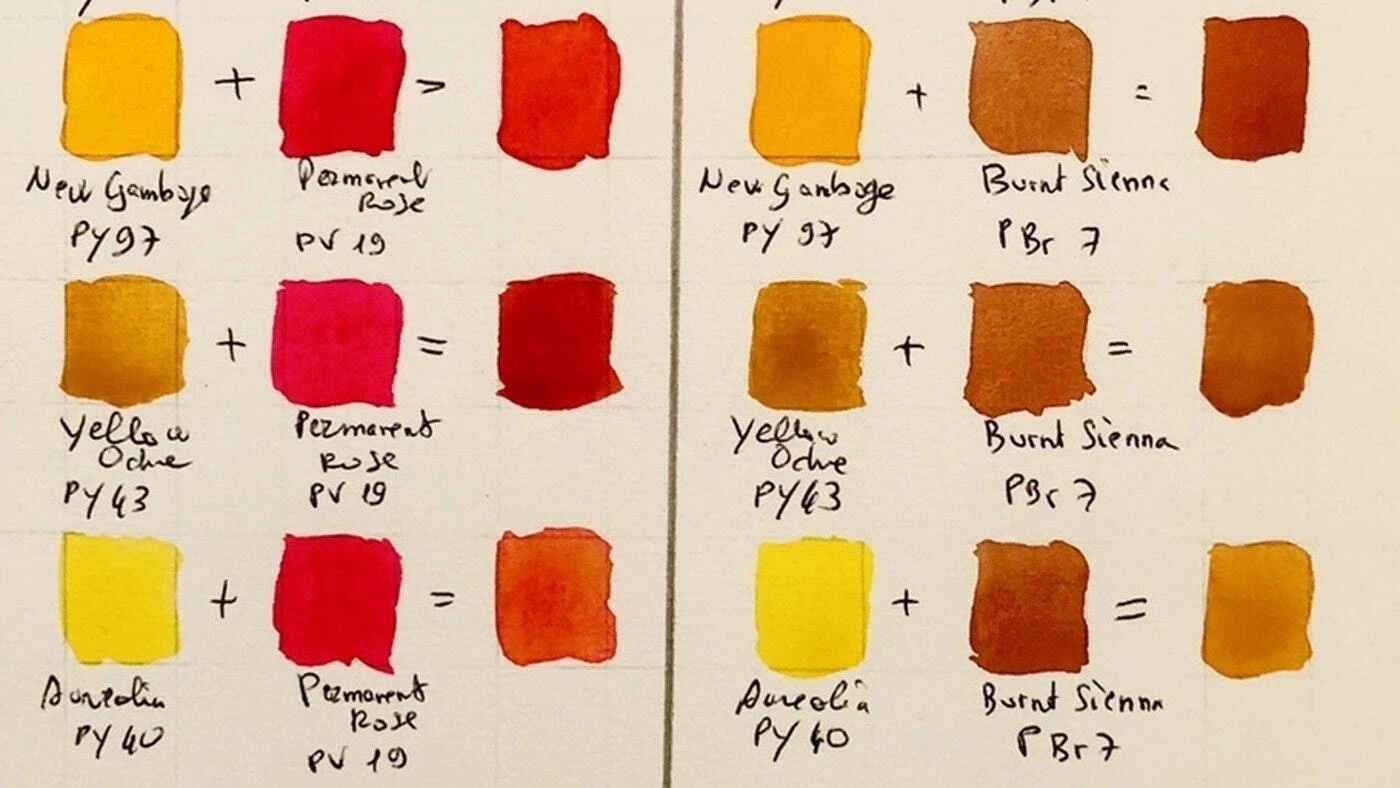
Orange and Reds (Coral, Crimson, Burgundy): When orange is paired with shades of red, it amplifies its warmth, passion, and energy. Coral, a softer, pinkish-orange, paired with a deeper orange or a muted red, can create a palette that is both vibrant and sophisticated, often associated with creativity, luxury, and a touch of romance. This can be effective for fashion brands, artisanal food producers, or businesses that want to evoke a sense of indulgence and passion. Crimson or burgundy, when used judiciously with orange, can introduce a sense of depth and richness, suggesting power and ambition without being overly aggressive. This combination can work well for brands that want to convey a bold yet refined image, perhaps in the automotive or luxury goods sector.
-
Orange and Yellows (Gold, Ochre, Mustard): The combination of orange with various yellows naturally leans into themes of joy, optimism, and creativity. Gold, in particular, can elevate orange, adding a touch of opulence and prestige. This pairing is excellent for brands that want to exude a sense of premium quality, achievement, and radiant energy. Think of awards ceremonies, high-end confectionery, or technology companies aiming for a celebratory and innovative feel. Ochre and mustard provide a more earthy and grounded warmth, creating a palette that feels natural, wholesome, and approachable, suitable for organic food brands, artisanal crafts, or businesses focused on sustainability.
Earthy and Neutral Companions: Grounding Orange’s Vibrancy
While vibrant pairings are exciting, sometimes the most impactful use of orange is achieved by grounding its natural intensity with neutral and earthy tones. These combinations allow orange to shine without becoming overwhelming, lending it a more mature and sophisticated feel.
Subtle Sophistication: Orange with Neutrals and Earth Tones
Neutrals provide a sophisticated backdrop, allowing orange to become a focal point without dominating.
-
Orange and Grays (Charcoal, Slate, Silver): Gray is a highly versatile neutral that can significantly alter the perception of orange. Lighter grays can make orange feel more modern and playful, while darker charcoals or slate grays lend orange a sense of gravitas and professionalism. This pairing is excellent for brands that want to balance innovation and approachability with a solid foundation of reliability. Tech startups, consulting firms, or brands focused on productivity tools can leverage this combination to appear both cutting-edge and dependable. The contrast is sophisticated and avoids the potential for orange to feel too loud.
-
Orange and Creams/Beiges: These softer neutrals evoke a sense of comfort, warmth, and natural simplicity. When paired with orange, they create a palette that is inviting, wholesome, and grounded. This is ideal for brands in the food industry (especially organic or artisanal), home goods, or businesses focused on wellness and natural products. The cream or beige acts as a gentle amplifier, allowing the orange to convey its warmth and energy in a more subtle and accessible way. This combination feels authentic and approachable.
-
Orange and Browns (Terracotta, Tan, Chocolate): Earthy browns, ranging from warm terracotta to rich chocolate, create a grounded and organic feel when paired with orange. This combination resonates with themes of nature, craftsmanship, and authenticity. It’s a natural fit for brands in the agriculture, outdoor gear, coffee, or artisanal manufacturing sectors. The brown provides a sense of stability and tradition, while the orange injects life and vibrancy, creating a balanced and trustworthy image. This palette often feels established, reliable, and connected to natural processes.
Implementing Orange Color Palettes in Brand Design
Once the ideal color pairings have been identified, the next crucial step is their strategic implementation across all brand touchpoints. The success of an orange-centric brand hinges on consistent and thoughtful application of its chosen palette.
Consistency Across Digital and Physical Touchpoints
The power of a well-chosen color palette is amplified through consistent application. Whether it’s a website, a mobile app, packaging, or a physical storefront, the same color relationships should be maintained to build strong brand recognition and reinforce the intended message.
-
Digital Applications: In the digital realm, color plays a pivotal role in user experience. Orange can be used effectively for calls-to-action (e.g., “Sign Up,” “Buy Now”), error messages (if the brand personality allows for a less alarming shade), or to highlight important information. The chosen complementary or analogous colors will provide the necessary background, navigation elements, or secondary content areas, ensuring clarity and usability. For instance, a bright orange button on a predominantly blue website will instantly draw the user’s eye, guiding them towards a desired action while the blue provides a calm and professional interface.
-
Physical Applications: For physical products, packaging, and retail spaces, the tactile and visual impact of color is equally important. Orange can be used for accent walls in a store, for the primary color of product packaging, or as a key element in marketing collateral. The interplay of orange with its chosen partners will create a distinct atmosphere and convey the brand’s personality at first glance. A food brand using orange and cream on its packaging, for example, might immediately signal a delicious and natural product, while a tech company using orange and charcoal could project an image of innovation and reliable performance.

The Importance of Shade and Tone Variation
It’s crucial to remember that “orange” is not a monolithic color. The specific shade, saturation, and lightness of orange, as well as its accompanying colors, will dramatically influence the overall perception.
-
From Bold to Subtle: A vibrant, saturated tangerine orange will convey a very different message than a muted, desaturated terracotta or a pale peach. Similarly, a deep, rich navy will create a more serious tone than a light, airy sky blue. Brands must carefully select the specific hues within their chosen color families to align with their desired brand personality. Experimentation with different variations is essential, often through mood boards and digital mock-ups.
-
Utilizing Color Ratios: The proportion in which each color is used is as important as the colors themselves. A dominant use of orange with subtle blue accents will create a different feeling than a more balanced approach or a majority of blue with small orange highlights. This ratio dictates the visual hierarchy and the primary emotion conveyed. For example, a brand aiming for high energy might use a larger proportion of orange, while a brand prioritizing trust and calm might use orange as an accent against a much larger neutral or blue base.
In conclusion, the question “what colors to make orange” is not merely about aesthetic preference; it’s a strategic branding decision. By understanding the psychology of orange and meticulously selecting its chromatic companions, brands can unlock its full potential, creating compelling visual identities that resonate with their target audience, communicate their values effectively, and ultimately drive brand success. The judicious use of color is an art and a science, and for orange, the right palette can transform a vibrant hue into a powerful brand asset.
aViewFromTheCave is a participant in the Amazon Services LLC Associates Program, an affiliate advertising program designed to provide a means for sites to earn advertising fees by advertising and linking to Amazon.com. Amazon, the Amazon logo, AmazonSupply, and the AmazonSupply logo are trademarks of Amazon.com, Inc. or its affiliates. As an Amazon Associate we earn affiliate commissions from qualifying purchases.