
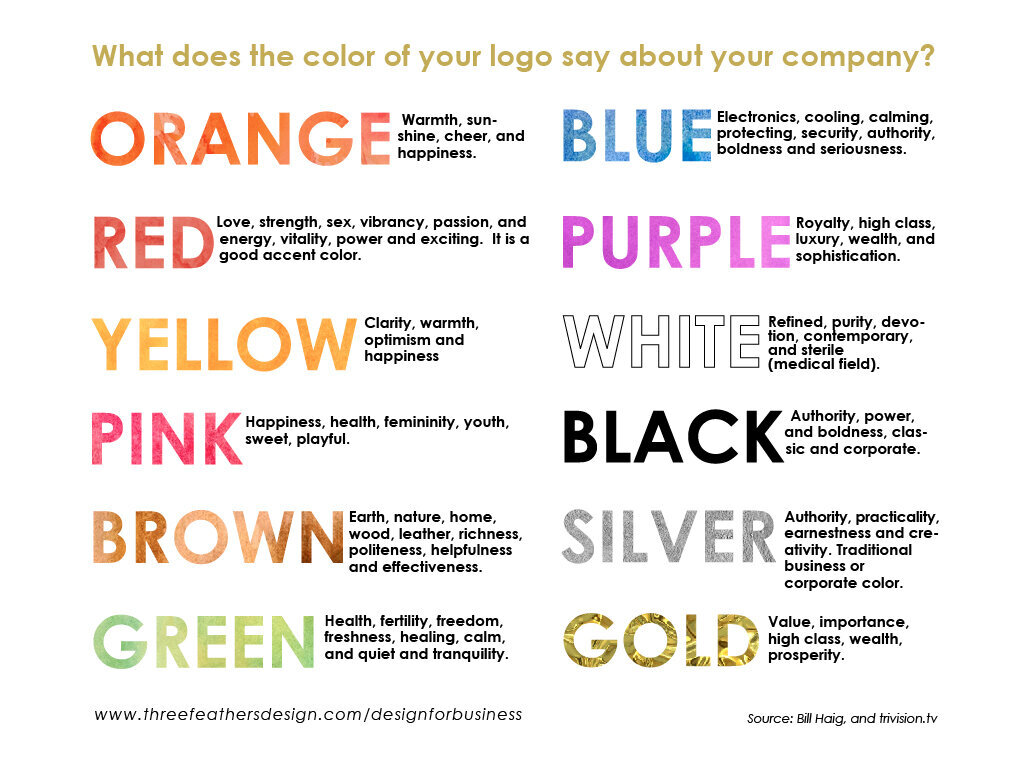
The question of what color represents freedom is more than an abstract musing; it’s a potent symbol that brands can leverage to evoke powerful emotions and forge deeper connections with their audiences. In the realm of branding and design, color is not merely aesthetic; it’s a strategic tool that communicates values, shapes perceptions, and ultimately influences consumer behavior. Understanding the psychological and cultural associations of different hues allows brands to strategically deploy color to resonate with the concept of freedom, whether it’s freedom of choice, freedom from constraints, or the exhilaration of the open road.
The Spectrum of Freedom: Decoding Color Psychology in Branding
Color psychology is a complex and fascinating field, deeply intertwined with our personal experiences, cultural backgrounds, and universal human responses. When we consider “freedom,” several colors immediately spring to mind, each carrying a unique set of connotations. Brands that aim to embody or convey freedom must carefully consider these associations and how they align with their own brand identity and target audience.
Blue: The Horizon of Possibility
Blue, arguably the most consistently associated color with freedom, evokes vastness, openness, and tranquility. Think of the boundless sky on a clear day or the seemingly infinite expanse of the ocean. These natural elements intrinsically represent a lack of confinement and the potential for limitless exploration.
The Trustworthiness of Open Skies
In branding, blue often signifies trust, reliability, and stability. This aligns with the freedom of knowing you can depend on a product or service. For brands in sectors like finance, technology, or travel, blue can communicate a sense of security and the liberation that comes with peace of mind. Consider airlines that use deep blues in their logos and branding; they aim to instill a feeling of safe passage and the freedom to travel the world. Similarly, tech companies often employ blue to convey innovation and the freedom of a seamless digital experience. The association of blue with the sky also links it to aspiration and dreams, suggesting the freedom to pursue ambitious goals.
Serenity and Unfettered Choice
Beyond stability, blue can also represent serenity and a sense of calm, which are often byproducts of freedom. When individuals feel free from pressure or stress, they experience a state of mental clarity and peace. Brands that offer solutions that alleviate burdens or simplify life can effectively use blue to communicate this sense of serene freedom. Think of meditation apps or productivity tools that use calming shades of blue to suggest a less cluttered, more liberated state of being. The vastness of blue also speaks to infinite possibilities, empowering consumers with the feeling of unrestricted choice.
White: The Canvas of Unwritten Stories
White is the color of purity, new beginnings, and blank canvases. It represents a space devoid of constraints, offering the ultimate freedom to create, explore, and define oneself. In branding, white embodies simplicity, clarity, and a fresh start, all of which are powerful metaphors for freedom.
Purity and Unburdened Existence
The association of white with purity suggests freedom from corruption, guilt, or unnecessary complications. Brands that champion transparency, authenticity, and stripped-down functionality often utilize white extensively. This conveys a sense of unburdened existence, where users are free from hidden agendas or complex processes. Think of minimalist brands that use ample white space in their websites and product packaging; they are communicating a sense of ease and freedom from overwhelm.
The Freedom to Innovate and Express
White also serves as the ultimate blank slate, empowering individuals and brands alike with the freedom to express themselves. For creative industries or platforms that encourage user-generated content, white is an ideal backdrop. It allows the content, the ideas, and the individuals themselves to take center stage, uninhibited by a dominant color palette. This fosters a sense of liberation where creativity can flourish without imposed boundaries. Consider design software or art supply companies; their use of white signifies the boundless potential for creation and artistic freedom.
Green: Growth, Nature, and Sustainable Liberty
Green is deeply rooted in nature, symbolizing growth, renewal, and harmony. This connection to the natural world imbues green with a sense of organic freedom – the freedom to thrive, to flourish, and to exist in balance.
The Liberation of Natural Harmony
In branding, green is often associated with environmentalism, health, and well-being. Brands that promote sustainable practices or healthy lifestyles tap into the natural desire for freedom from harmful pollutants, unhealthy diets, or unsustainable consumption. This freedom is about living in harmony with the planet and oneself. Think of organic food companies or eco-friendly product manufacturers that use various shades of green to communicate their commitment to a cleaner, healthier, and more liberated existence for their consumers.
The Openness of Natural Landscapes
Beyond its association with growth, green also represents the expansiveness of natural landscapes – rolling hills, lush forests, and open fields. These environments evoke a sense of freedom from urban confinement and the ability to roam and explore. Brands that sell outdoor gear, travel services to natural destinations, or products that facilitate connection with nature can effectively use green to communicate this liberating aspect. It speaks to the freedom to escape, to breathe fresh air, and to immerse oneself in the untamed beauty of the world.
Strategic Color Application: Weaving Freedom into Brand Narratives
The power of color in representing freedom lies not just in understanding individual hues, but in how these colors are strategically deployed within a brand’s overall visual identity and narrative. It requires a nuanced approach that considers the specific context, target audience, and desired emotional response.
Evoking Freedom of Choice and Expression
Brands that prioritize consumer agency and empower their users often utilize colors that symbolize openness and possibility.
Empowering the User Through Palette
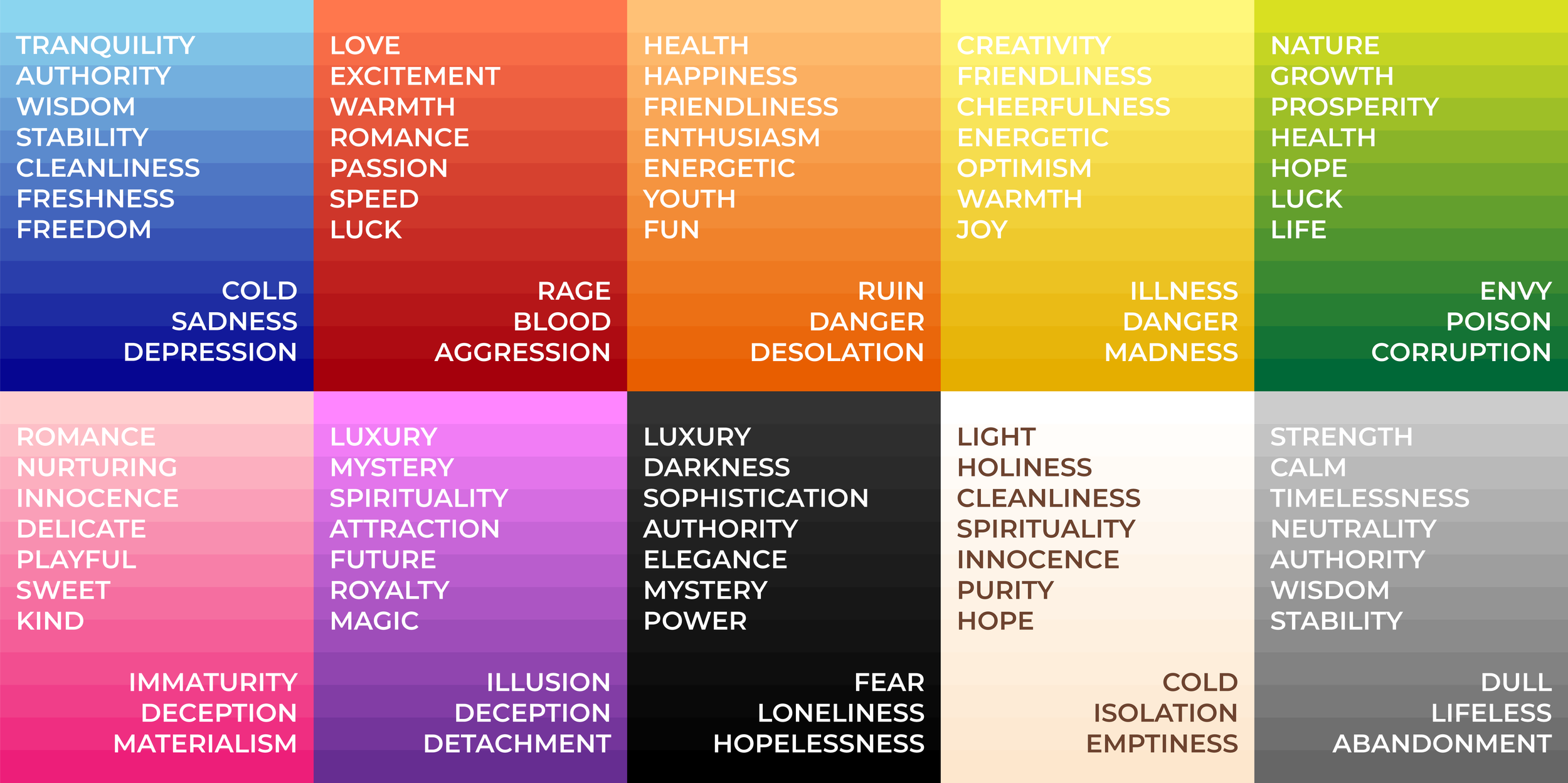
Consider brands that offer customization or a wide array of options. Their branding might incorporate a spectrum of blues and greens, suggesting endless possibilities and the freedom to choose the perfect fit. Interactive platforms that allow users to design their own products or personalize their experiences can use vibrant, diverse color palettes that communicate the liberating joy of self-expression. The use of white space also plays a crucial role here, providing a clean canvas for users to imprint their own choices and creativity.
Visual Metaphors for Liberation
Brands can also employ visual metaphors that are intrinsically linked to freedom. For instance, a brand promoting financial independence might use imagery of soaring birds against a blue sky, subtly reinforcing the liberating qualities of their services. A technology company offering advanced software might use sleek, futuristic designs with elements of white and silver to suggest freedom from technological limitations. The key is to ensure that the color choices and visual elements work in concert to tell a cohesive story about liberation and empowerment.
Building Trust and Security Through Color
For many, freedom is intrinsically linked to security and the absence of risk. Brands that can instill this sense of safety can effectively communicate a form of liberation from worry.
The Foundation of Trust in Blue and Gray
As mentioned earlier, blue is a cornerstone for building trust. Brands that need to convey reliability and a sense of secure freedom often lean heavily on various shades of blue, from deep, authoritative navy to lighter, more approachable cerulean. Complementary colors like gray can further enhance this perception of stability and professionalism. A financial institution, for example, might use a combination of blue and gray to signal trustworthiness and the freedom from financial anxieties that their services can provide.
Transparency and Honesty Through White
White’s association with purity and transparency makes it an invaluable tool for brands aiming to build trust through openness. Brands that are upfront about their processes, ingredients, or pricing can use white to signal their commitment to honesty. This transparency liberates customers from suspicion and doubt, allowing them to make informed decisions with confidence. The minimalist aesthetic often associated with white also conveys a sense of simplicity and clarity, further reinforcing the idea that the brand has nothing to hide.
Connecting with Nature and Sustainable Freedom
In an increasingly complex world, the concept of freedom is often linked to returning to simpler, more natural ways of living. Green is the undisputed leader in this domain.
The Appeal of Organic and Eco-Conscious Brands
Brands that champion sustainability and environmental responsibility leverage the inherent positive associations of green. From the deep forest greens of organic food brands to the lighter, fresher greens of eco-friendly cleaning products, the color communicates a commitment to a healthier planet and, by extension, a healthier and more liberated lifestyle for consumers. This freedom is about breaking away from the damaging cycles of mass consumption and embracing a more conscious way of life.
Escapism and Adventure Through Verdant Hues
For brands that sell experiences, particularly those related to nature and adventure, green is indispensable. Hiking gear companies, national park tourism boards, and outdoor adventure outfitters all utilize green to evoke the freedom of exploration, the thrill of discovery, and the escape from the mundane. The color directly taps into the desire to roam free in natural environments, unburdened by the artificial constraints of modern life.
The Nuance of Cultural Context and Color Perception
While certain color associations are widespread, it’s crucial for brands to acknowledge that the perception of color, and its link to freedom, can vary significantly across cultures. What might represent liberation in one part of the world could carry different or even conflicting meanings elsewhere.
Navigating Global Brand Narratives
When building a global brand, understanding these cultural nuances is paramount. A color that evokes freedom and joy in Western cultures might be associated with mourning or caution in others. For example, while white is often seen as pure and liberating in many Western societies, it is traditionally associated with mourning in some East Asian cultures.
Research and Sensitivity in Design
Therefore, thorough market research and a sensitive approach to design are essential. Brands must investigate the specific cultural connotations of their chosen colors in their target markets. This might involve adapting color palettes for different regions or ensuring that the overall brand messaging effectively contextualizes the chosen colors. The goal is to ensure that the message of freedom is universally understood and positively received, rather than inadvertently causing confusion or offense.
The Evolution of Color Symbolism
It’s also important to recognize that color symbolism is not static; it evolves over time and can be influenced by societal trends and historical events. The concept of freedom itself has been reinterpreted throughout history, and the colors associated with it have likely shifted along with these interpretations.

Staying Relevant in a Changing World
Brands that aim to represent freedom must remain aware of these evolving perceptions. A color that once strongly signified liberation might become diluted in its meaning or even acquire new associations. By continuously monitoring cultural shifts and engaging with their audience, brands can ensure that their color choices remain relevant and continue to effectively communicate the desired message of freedom in a dynamic world. This adaptability is key to long-term brand success and its ability to resonate with the enduring human desire for liberation.
In conclusion, the question of what color represents freedom is a rich tapestry woven from psychology, culture, and strategic design. For brands, understanding and leveraging this connection is not just about aesthetics; it’s about crafting a powerful narrative that resonates with deeply held human desires. Whether it’s the vast expanse of blue, the pristine canvas of white, or the organic vitality of green, each hue offers a unique pathway to embodying and communicating the multifaceted concept of freedom, ultimately forging stronger, more meaningful connections with consumers.
aViewFromTheCave is a participant in the Amazon Services LLC Associates Program, an affiliate advertising program designed to provide a means for sites to earn advertising fees by advertising and linking to Amazon.com. Amazon, the Amazon logo, AmazonSupply, and the AmazonSupply logo are trademarks of Amazon.com, Inc. or its affiliates. As an Amazon Associate we earn affiliate commissions from qualifying purchases.