
Purple, a color often associated with royalty, luxury, creativity, and mystery, possesses a unique ability to evoke a wide range of emotions and aesthetics. Its versatility makes it a compelling choice in various design contexts, but achieving a harmonious and impactful visual composition hinges on the judicious selection of complementary and analogous colors. When considering the question, “What color looks good with purple?”, we are essentially delving into the principles of color theory and its practical application in branding, marketing, and digital design – areas where a strong visual identity is paramount. This exploration will focus on how strategic color pairings with purple can elevate brand perception, enhance user engagement, and ultimately contribute to business success.

The Psychology and Impact of Purple in Branding
Purple’s inherent psychological associations offer a powerful foundation for brand messaging. Its historical ties to nobility and wealth can imbue a brand with an aura of prestige and exclusivity. Conversely, its connection to creativity and imagination can position a brand as innovative, visionary, or artistic. Understanding these nuanced psychological triggers is the first step in leveraging purple effectively within a brand’s visual identity.
Purple’s Emotional Resonance and Brand Perception
The emotional impact of purple is multifaceted. Lighter shades, like lavender or lilac, can convey calmness, serenity, and a sense of gentle luxury, making them suitable for brands focused on wellness, self-care, or sophisticated beauty. Deeper, richer purples, such as amethyst or royal purple, evoke feelings of power, ambition, and opulence, aligning well with high-end fashion, exclusive services, or brands aiming for a premium image. The vibrancy of certain purples can also signal playfulness and creativity, appealing to younger demographics or brands in the entertainment or creative industries.
Strategic Applications of Purple in Corporate Identity
The strategic application of purple in a corporate identity can be transformative. When used as a primary brand color, purple immediately sets a tone. Consider brands that have successfully integrated purple into their visual language. For instance, Yahoo, historically, used purple to convey creativity and a sense of the internet’s boundless possibilities. Cadbury uses a distinctive shade of purple to communicate a sense of indulgence and premium quality in the confectionery market. The success of these brands demonstrates how a well-chosen purple, paired with thoughtful design, can become instantly recognizable and emotionally resonant with consumers. This strategic decision-making about color is not merely aesthetic; it is a core component of brand strategy, influencing perception, memorability, and ultimately, customer loyalty.
Harmonizing Purple: Understanding Color Theory for Effective Pairings
To effectively answer “What color looks good with purple?”, a fundamental understanding of color theory is essential. This involves exploring complementary colors, analogous colors, and the impact of different shades and tones on the overall visual message. The goal is to create palettes that are not only aesthetically pleasing but also strategically aligned with the brand’s objectives.
Complementary Colors: Creating Bold Contrasts and Visual Interest
Complementary colors are opposite each other on the color wheel, and when paired with purple, they create the strongest possible contrast, resulting in vibrant and eye-catching designs. The direct complementary color to purple is yellow.
- Purple and Yellow: This pairing is inherently dynamic. The warmth and brightness of yellow provide a striking counterpoint to the depth and richness of purple, creating a sense of excitement and energy. This combination can be used to highlight key information, create calls to action, or convey a sense of optimism and playfulness. In branding, a muted yellow or gold can add a touch of sophistication and luxury to purple, while a bright, sunny yellow can inject a sense of fun and approachability. For brands looking to stand out and capture attention, the purple and yellow pairing is a powerful choice. Consider how a rich amethyst could be beautifully offset by a subtle golden accent to denote premium quality, or how a vibrant violet might be energized by a splash of sunflower yellow for a youth-oriented brand.
- Purple and Orange: While not a direct complementary pairing, orange sits very close to yellow on the color wheel and shares its warm, energetic properties. Purple and orange create a rich, autumnal palette that can be both sophisticated and vibrant. This combination evokes feelings of creativity, enthusiasm, and warmth. It is particularly effective for brands that want to convey a sense of passion and innovation. A deep plum paired with a burnt orange can create a grounded yet dynamic feel, suitable for brands in the arts or lifestyle sectors.
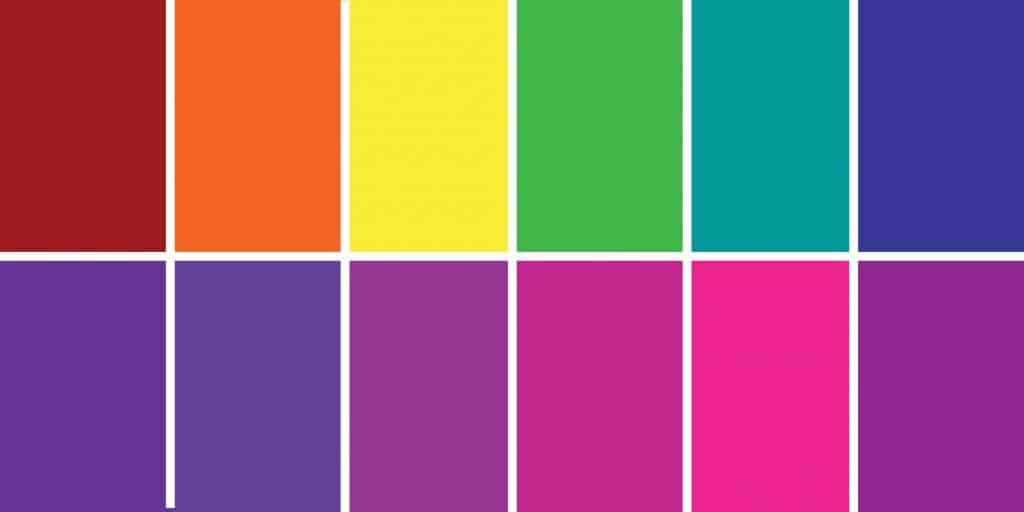
Analogous Colors: Building Harmony and Sophistication
Analogous colors are those that are adjacent to each other on the color wheel. When paired with purple, they create a sense of harmony, sophistication, and visual flow. These pairings tend to be more subtle and less jarring than complementary color combinations.
- Purple and Blue: This is a classic and inherently harmonious pairing. Both colors share cool undertones, creating a sense of calm, trustworthiness, and depth. This combination is often used by brands that want to convey reliability, professionalism, and a sense of established presence. Think of the deep blues of the sky or ocean, which can be beautifully complemented by the twilight hues of purple. This pairing is excellent for brands in technology, finance, or professional services, where trust and stability are key. A deep navy blue with a rich indigo or a softer lavender can create a palette that is both serene and authoritative.
- Purple and Red/Pink: Moving towards the red side of the color wheel, purples that lean towards magenta or fuchsia can pair wonderfully with reds and pinks. This combination is vibrant, passionate, and can evoke feelings of romance, excitement, and luxury. A deep royal purple with a bold crimson or a soft blush pink can create a sophisticated and alluring palette. This is ideal for brands in the fashion, beauty, or luxury goods sectors, where elegance and desirability are paramount. The intensity of the red can be balanced by the depth of the purple, creating a visually engaging and emotionally rich experience.
Beyond the Basics: Neutrals and Textures to Enhance Purple
While vibrant color pairings are important, the strategic use of neutral colors and textural elements can significantly amplify the impact and sophistication of purple in any design. Neutrals provide balance, allowing the purple to shine without overwhelming the viewer, while textures add depth and tactility.
The Indispensable Role of Neutrals in Purple Palettes
Neutral colors – white, black, gray, beige, and cream – act as essential anchors when working with a dominant color like purple. They create visual breathing room, enhance legibility, and can be manipulated to influence the perceived warmth or coolness of the purple itself.
- Purple with White and Cream: This combination is light, airy, and elegant. White or cream provides a clean backdrop that allows lighter shades of purple, like lilac or lavender, to feel even more delicate and serene. Deeper purples paired with white or cream create a sophisticated contrast that is both striking and refined. This is a popular choice for brands that aim for a clean, modern, and luxurious aesthetic. Think of a minimalist website design where a deep amethyst is used for accents against a crisp white background, or a product packaging that features a soft lavender on a cream-colored cardstock.
- Purple with Gray and Silver: Gray, in its many shades, offers a sophisticated and modern counterpoint to purple. Light grays can create a subtle, contemporary feel, while charcoal or slate grays can lend an air of gravitas and elegance. Silver, as a metallic neutral, adds a touch of luxury and shimmer, enhancing the regal connotations of purple. This pairing is excellent for tech brands, high-end accessories, or any brand seeking a sleek and modern image. A slate gray interface with vibrant purple call-to-action buttons can guide user attention effectively, while a silver accent on a deep plum business card communicates understated luxury.
- Purple with Black: The pairing of purple and black is inherently dramatic, mysterious, and opulent. This combination conveys power, sophistication, and a sense of exclusivity. It is often used by luxury brands, high-fashion labels, or brands aiming for a bold and impactful identity. A deep black background with accents of rich royal purple can create an incredibly alluring and memorable visual. However, care must be taken to ensure sufficient contrast for readability and to avoid a potentially somber or overwhelming impression, especially for lighter shades of purple.
Introducing Texture and Metallic Accents for Added Dimension
Beyond flat colors, incorporating textures and metallic elements can elevate purple-based designs to a new level of sophistication and engagement. These elements add a tactile dimension that can be particularly impactful in digital and print marketing materials.
- Metallic Finishes (Gold, Rose Gold, Silver): As mentioned with neutrals, metallic accents are incredibly effective with purple. Gold can enhance the regal and luxurious feel of deep purples, while rose gold adds a touch of modern romance and warmth. Silver provides a cool, contemporary elegance. These finishes are ideal for premium packaging, event invitations, or high-impact digital assets where a touch of luxury is desired. A debossed gold pattern on a matte purple business card speaks volumes about the brand’s attention to detail and quality.
- Textural Elements (Matte, Glossy, Embossed): The finish of the material on which purple is applied can dramatically alter its perception. A matte finish can lend a sophisticated, understated elegance, particularly to darker purples. A glossy finish can make lighter purples feel more vibrant and playful. Embossing or debossing patterns onto purple surfaces can add a tactile dimension that invites interaction and adds a sense of craftsmanship and quality, further solidifying brand perception.

Conclusion: Strategic Color Choices for Brand Excellence
The question “What color looks good with purple?” is more than a simple aesthetic inquiry; it’s a strategic consideration that lies at the heart of effective branding and digital design. By understanding the psychological impact of purple and expertly employing color theory, brands can forge powerful visual identities that resonate deeply with their target audiences. Whether aiming for a bold contrast with complementary colors like yellow, building harmony with analogous shades of blue or red, or grounding the palette with sophisticated neutrals and luxurious metallic accents, the choices made directly influence brand perception, memorability, and ultimately, commercial success. The judicious application of color, particularly a complex and evocative hue like purple, is a testament to a brand’s commitment to detail, sophistication, and a compelling narrative.
aViewFromTheCave is a participant in the Amazon Services LLC Associates Program, an affiliate advertising program designed to provide a means for sites to earn advertising fees by advertising and linking to Amazon.com. Amazon, the Amazon logo, AmazonSupply, and the AmazonSupply logo are trademarks of Amazon.com, Inc. or its affiliates. As an Amazon Associate we earn affiliate commissions from qualifying purchases.