
In the dynamic world of branding, where visual identity is paramount, understanding the interplay of colors is not merely an aesthetic consideration but a strategic imperative. The seemingly simple question, “What color does brown and green make?” opens a fascinating portal into the fundamental principles of color theory and their profound implications for how brands communicate, connect, and captivate their target audiences. This exploration delves into the nuanced combinations of brown and green, not as a mere pigment experiment, but as a lens through which to understand the psychological impact, cultural associations, and strategic applications of these earth-toned hues in crafting compelling brand identities.
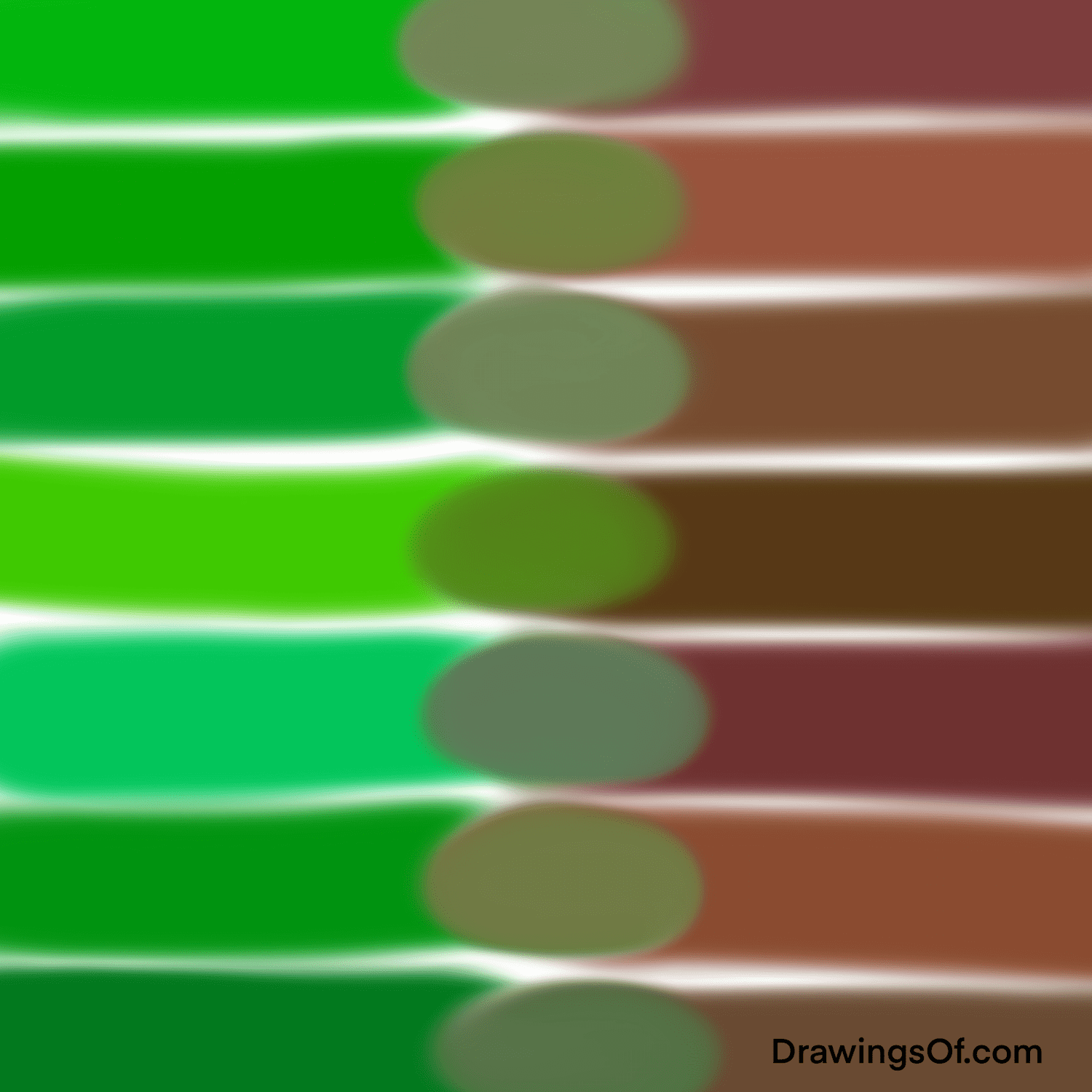
The Psychology and Symbolism of Brown and Green in Branding
The power of color lies in its ability to evoke emotions, convey meaning, and trigger subconscious associations. Brown and green, as foundational elements of the natural world, carry a rich tapestry of symbolic weight. Understanding these inherent connotations is the first step in harnessing their potential for brand differentiation.
The Grounding Power of Brown: Trust, Stability, and Authenticity
Brown, derived from the earth, evokes a sense of solidity, reliability, and comfort. It’s the color of soil, wood, and stone – materials that form the bedrock of our physical world. In branding, brown communicates:
- Trust and Dependability: Brands that utilize brown often aim to project an image of steadfastness and trustworthiness. Think of financial institutions, artisanal food producers, or companies emphasizing natural, organic products. The color suggests a deep-rooted commitment and a dependable foundation for their offerings.
- Warmth and Comfort: Brown can create a cozy and inviting atmosphere. This is why it’s frequently seen in home goods, coffee shops, and brands associated with relaxation and well-being. It offers a visual embrace, suggesting a sense of belonging and ease.
- Authenticity and Naturalness: In an era where consumers increasingly seek genuine and unadulterated experiences, brown’s connection to nature makes it a powerful symbol of authenticity. Brands focused on sustainability, organic ingredients, or handcrafted goods often leverage brown to underscore their commitment to natural processes and genuine quality.
- Maturity and Sophistication (in darker shades): Deeper, richer browns can convey a sense of elegance, maturity, and timeless sophistication. These shades are often employed by luxury brands, premium leather goods, or businesses aiming for a classic and established appeal.
The Vitality of Green: Growth, Nature, and Harmony
Green is universally recognized as the color of life, growth, and renewal. It’s the hue of lush foliage, vibrant landscapes, and burgeoning potential. In branding, green signifies:
- Nature and Environment: This is perhaps green’s most potent association. Brands committed to environmental sustainability, eco-friendly practices, organic products, or outdoor lifestyles lean heavily on green to communicate their values and connect with a conscious consumer base.
- Growth and Prosperity: Green is also linked to wealth, fertility, and abundance. In some cultures, it’s the color of money, symbolizing financial growth and prosperity. This makes it a strategic choice for investment firms, financial planning services, or businesses focused on expansion and success.
- Health and Well-being: Green is often associated with health, vitality, and healing. This makes it a natural fit for brands in the healthcare, wellness, and fitness industries, as well as for food products perceived as nutritious and beneficial.
- Harmony and Balance: The calming and balanced nature of green can evoke a sense of peace and tranquility. Brands aiming to promote relaxation, stress reduction, or a sense of equilibrium in their customers’ lives might incorporate green into their visual identity.
The Art of Blending: Creating New Meanings with Brown and Green
When brown and green are combined, they don’t simply merge into a single, indistinguishable hue. Instead, they create a spectrum of rich, earthy tones that can communicate a complex and nuanced brand narrative. The resulting color palettes can evoke a sense of grounded vitality, sustainable abundance, or rustic luxury, depending on the specific shades and proportions used.
The “Dirt” and “Leaf” Combination: Natural Harmony and Organic Appeal
The most literal interpretation of brown and green blending might bring to mind the rich soil from which vibrant leaves emerge. This combination is exceptionally potent for brands that emphasize their connection to the earth and organic origins.
- Earthy Palettes for Organic and Sustainable Brands: Imagine a brand of artisanal coffee. A medium brown, reminiscent of roasted beans, paired with a muted, mossy green can create an immediate sense of natural quality and organic sourcing. This palette speaks to consumers who value authenticity and environmental responsibility in their food and beverage choices. Similarly, organic skincare lines or eco-friendly fashion brands can utilize this blend to highlight their commitment to natural ingredients and sustainable production. The visual cue is undeniable: “This product comes from the earth, and it’s good for you and the planet.”
- Building Trust Through Natural Associations: This blend builds trust by tapping into fundamental human experiences. We instinctively associate these colors with fertile ground, healthy plants, and natural cycles. For brands seeking to establish a deep, intuitive connection with their audience, this combination is invaluable. It bypasses complex messaging and speaks directly to a primal understanding of well-being and natural goodness.
- Subtle Nuances for Refined Authenticity: The success of this blend often lies in the subtlety of the shades. A deep, chocolate brown paired with a sage green can convey a more sophisticated and refined sense of naturalness, suitable for brands that aim for a premium yet grounded positioning. Conversely, a lighter, sandy brown with a vibrant, leafy green might suggest a more energetic and youthful brand focused on outdoor adventures or fresh produce.
The “Wood and Forest” Aesthetic: Strength, Resilience, and Natural Luxury
The marriage of brown and green also evokes the majestic presence of forests and the enduring strength of wood. This combination can communicate a sense of robust nature, timeless quality, and even a touch of rugged luxury.

- Evoking Nature’s Endurance and Grandeur: Think of a premium outdoor gear company or a high-end furniture brand specializing in sustainable wood. A rich, dark brown (like walnut or mahogany) combined with a deep, forest green can communicate the resilience and grandeur of nature. This palette suggests products that are built to last, made with integrity, and possess an inherent beauty derived from natural sources. The visual impression is one of enduring quality and a connection to the raw, untamed aspects of the natural world.
- Craftsmanship and Heritage: This blend can also speak to craftsmanship and heritage. The texture of wood and the depth of forest colors often evoke a sense of tradition and skilled artistry. Brands that focus on handcrafted goods, artisanal products, or those with a long-standing history can leverage this combination to underscore their commitment to quality and their deep roots. It tells a story of patient creation and enduring value.
- Creating an Immersive Brand Experience: For brands in the hospitality or real estate sectors, this palette can create an immersive experience. A boutique hotel with a “forest lodge” theme, or a residential development emphasizing natural living, could use brown and green to evoke a sense of calm, tranquility, and connection to the outdoors, even in an urban setting. The goal is to transport the consumer into a natural, comforting environment through visual cues.
The “Olive and Earth” Palette: Sophistication, Maturity, and Subtle Strength
A more muted and sophisticated interpretation of brown and green can be found in palettes that lean towards olive tones and desaturated earthy browns. This combination offers a sense of understated elegance, maturity, and quiet confidence.
- Understated Elegance and Timelessness: Brands that want to project an image of sophistication without being ostentatious often turn to these more subdued tones. Think of a high-end fashion label with a minimalist aesthetic, or a skincare brand focused on natural anti-aging. The olive green suggests a refined connection to nature, while the desaturated brown adds a grounding element of maturity and substance. This palette avoids shouting for attention, instead drawing the viewer in with its quiet confidence and inherent quality.
- Versatility for Diverse Industries: The “olive and earth” palette is remarkably versatile. It can be adapted for a wide range of industries, from tech companies that want to appear grounded and reliable to wellness brands that aim for a serene and balanced image. Its subtlety makes it a safe yet effective choice for brands seeking a professional and sophisticated visual identity. It’s a palette that doesn’t alienate, but rather welcomes with a sense of calm assurance.
- Conveying Depth and Experience: The muted nature of these tones can also convey a sense of depth, experience, and wisdom. Brands targeting a more mature demographic or those that emphasize their long-standing expertise might find this palette particularly effective. It suggests a brand that has been around, understands its craft, and offers a reliable and considered approach.
Strategic Applications in Brand Design and Marketing
Beyond the psychological associations and symbolic meanings, the practical application of brown and green color combinations is crucial for effective brand design and marketing. The way these colors are implemented across various brand touchpoints can significantly influence consumer perception and brand recall.
Logo Design: The First Impression
A brand’s logo is often the first visual interaction a consumer has with the brand. The choice of color in a logo is therefore incredibly significant.
- Creating Memorable and Meaningful Logos: A logo that effectively uses brown and green can instantly communicate key brand attributes. For example, a coffee company might use a coffee-bean brown in their logo, accented with a subtle green leaf to signify organic sourcing. A hiking gear company might opt for a deep forest green with a grounding brown accent to represent durability and connection to nature. The goal is to create a logo that is not only aesthetically pleasing but also rich with immediate meaning.
- Balancing Prominence and Subtlety: The proportion of brown and green in a logo is critical. If the brand primarily wants to emphasize natural origins, green might dominate, with brown acting as a supportive accent. Conversely, if reliability and tradition are the core messages, brown might take precedence. The strategic placement and balance of these colors can ensure that the logo effectively conveys the intended brand personality.
- Differentiation in a Crowded Market: In industries saturated with similar offerings, a unique and well-executed color palette in a logo can be a significant differentiator. By thoughtfully blending brown and green, brands can carve out a distinct visual identity that stands out from competitors, making them more recognizable and memorable.
Website and Digital Presence: Immersive Brand Experiences
In the digital age, a brand’s website is often its primary storefront. The colors used here are essential for creating an engaging and consistent brand experience.
- Establishing Brand Tone and Atmosphere: A website can utilize brown and green to establish a specific tone and atmosphere. A wellness website might use light greens and earthy browns to create a calming and serene user experience, encouraging visitors to explore its services. A brand selling outdoor adventure equipment might employ deeper greens and richer browns to evoke a sense of ruggedness and exploration, making visitors feel inspired to embark on their next adventure.
- Enhancing User Navigation and Readability: Color can also be used functionally on a website. For instance, calls-to-action buttons could be a vibrant green to draw attention, while background elements in muted browns can provide a stable and unobtrusive visual foundation. This strategic use of color can improve user experience by guiding visitors through the site and making information more accessible.
- Consistency Across Digital Platforms: Maintaining a consistent color palette across all digital touchpoints – from the website to social media profiles and app interfaces – is crucial for building a strong and recognizable brand identity. When brown and green are used consistently, they reinforce the brand’s core message and create a cohesive digital presence.
Packaging and Product Design: Tangible Brand Communication
For many brands, packaging is a tangible extension of their identity, and the colors used can directly influence purchasing decisions.
- Communicating Product Attributes Visually: Packaging is where the “what color does brown and green make” question can translate into direct product communication. A food product that is organic might feature a green label with brown accents to immediately signal its natural origins and wholesome ingredients. A beauty product emphasizing natural botanicals might use a sophisticated olive green with a rich, warm brown for its containers.
- Appealing to Target Demographics: The specific shades and combinations of brown and green can be tailored to appeal to specific target demographics. Younger, environmentally conscious consumers might respond well to brighter, more vibrant green and brown pairings, while a more mature audience might prefer muted, sophisticated tones.
- Creating Shelf Appeal and Brand Recognition: In a retail environment, eye-catching packaging is essential for attracting customer attention. A well-designed package that thoughtfully incorporates brown and green can stand out on a crowded shelf, encouraging consumers to pick it up and learn more about the product. Over time, this consistent visual cue builds brand recognition and loyalty.

Conclusion: The Enduring Power of Earth Tones in Brand Strategy
The question of what color brown and green make is far more than a simple pigment query; it’s an invitation to explore the profound impact of color on human perception and the strategic advantage it offers in the realm of branding. By understanding the inherent psychology of brown and green – their associations with trust, nature, growth, and stability – brands can craft visual identities that resonate deeply with their audiences. The art of blending these foundational colors allows for the creation of nuanced palettes that communicate everything from organic authenticity to rugged luxury.
Ultimately, the strategic application of brown and green in logo design, website aesthetics, and product packaging is instrumental in building memorable, trustworthy, and enduring brand identities. In an increasingly competitive market, mastering the language of color, particularly the rich and universally understood vocabulary of earth tones, provides brands with a powerful tool to connect, engage, and thrive. The seemingly simple blend of brown and green, when wielded with intention and strategic insight, can indeed create a brand that is both grounded and vibrant, enduring and relevant for years to come.
aViewFromTheCave is a participant in the Amazon Services LLC Associates Program, an affiliate advertising program designed to provide a means for sites to earn advertising fees by advertising and linking to Amazon.com. Amazon, the Amazon logo, AmazonSupply, and the AmazonSupply logo are trademarks of Amazon.com, Inc. or its affiliates. As an Amazon Associate we earn affiliate commissions from qualifying purchases.