
Understanding the nuances of color correction is paramount for achieving a flawless complexion. This guide delves into the science behind color theory as it applies to concealer, empowering you to select the most effective shades for various skin concerns. We will explore how to neutralize discoloration and enhance your natural skin tone, moving beyond simple coverage to sophisticated correction.
The Science of Color Correction: Understanding the Opposite
The effectiveness of concealer color selection hinges on a fundamental principle of color theory: complementary colors. Complementary colors are those found opposite each other on the color wheel. When placed next to each other, they intensify each other. However, when mixed or layered strategically, they neutralize each other. This is the core concept that makes color correcting concealers work.
How the Color Wheel Dictates Concealer Choice
The standard artist’s color wheel provides a visual roadmap for understanding which concealer shades will counteract specific skin imperfections.
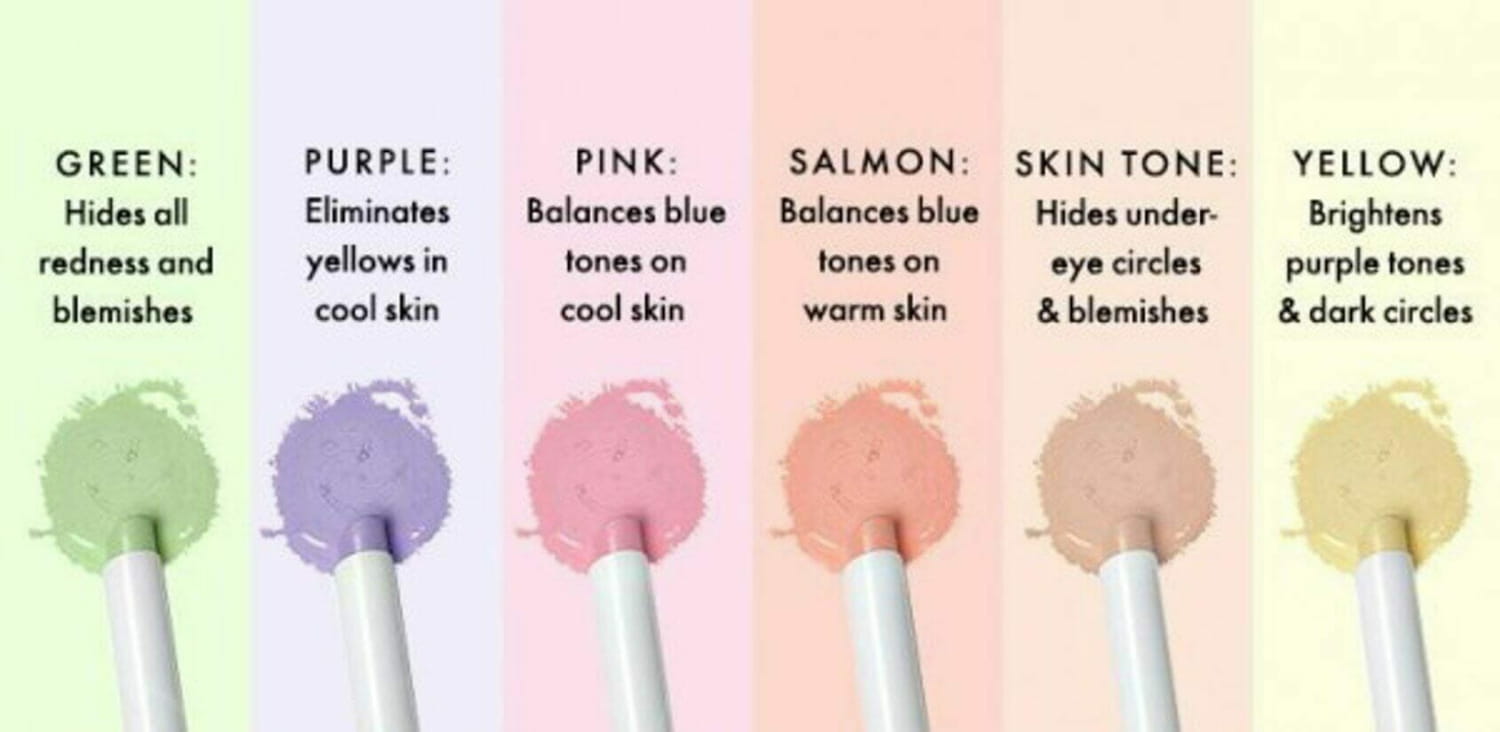
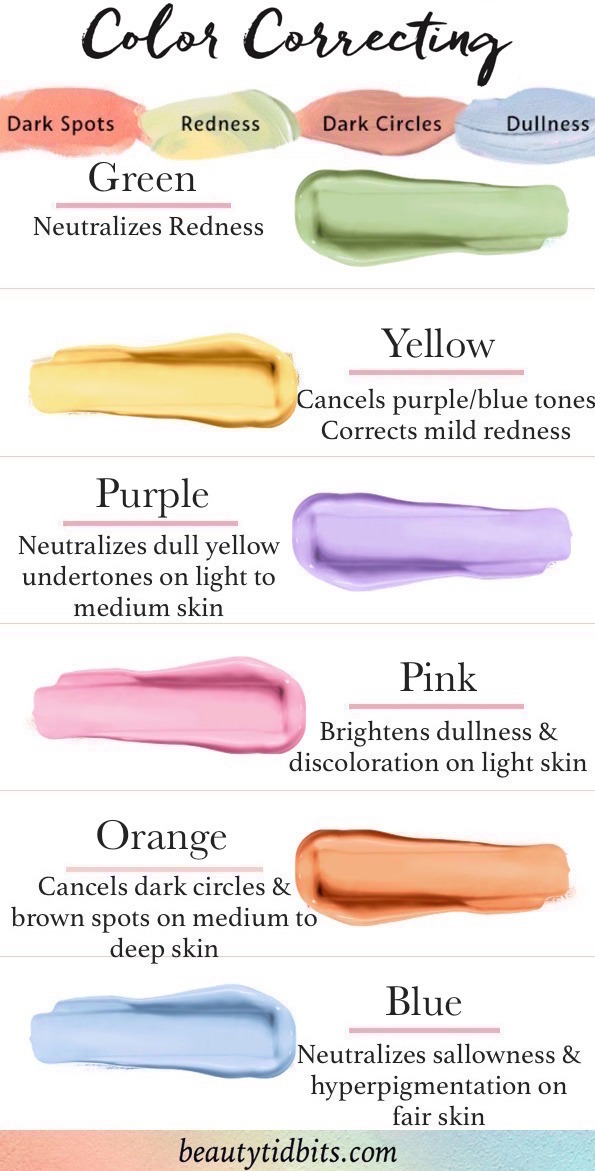
- Blue and Orange: These are complementary colors. Orange undertones are used to neutralize blue or purple undertones, commonly seen in dark under-eye circles or bruises.
- Yellow and Purple: Yellow is used to counteract purple or lavender tones, which can appear in certain types of bruising or very pale skin with visible veins.
- Green and Red: Green is the direct opposite of red on the color wheel. Therefore, green concealers are exceptionally effective at neutralizing redness, such as that from blemishes, rosacea, or irritation.
- Pink and Green: Pink is effective at brightening and counteracting dullness or sallowness, often seen in fair to medium skin tones. It can also help to counteract mild blue undertones.
- Peach/Orange and Blue: Peach and orange are powerful for canceling out blue and purple tones. These shades are particularly beneficial for deeper skin tones where blue or purple undertones might be more prominent in under-eye circles.
Undertones: The Unsung Hero of Concealer Selection
Beyond overt discolorations, understanding your skin’s undertone is crucial for selecting a concealer that blends seamlessly and doesn’t look ashy or unnatural. Undertones are the subtle hues that lie beneath your surface skin color.
Identifying Your Skin’s Undertone
There are three primary undertones:
- Cool Undertones: Skin with cool undertones often has hints of pink, red, or bluish hues. Veins on the wrist may appear blue. Individuals with cool undertones tend to burn easily in the sun.
- Warm Undertones: Skin with warm undertones exhibits hints of yellow, peach, or golden hues. Veins on the wrist may appear greenish. These individuals may tan more readily.
- Neutral Undertones: Skin with neutral undertones has a balance of both warm and cool tones. Veins on the wrist may appear blue-green.
The right concealer shade, in addition to correcting discoloration, should also complement your undertone for a natural finish. A concealer with a too-warm tone on cool skin can look orange, while a too-cool tone on warm skin can appear ashy.
Concealer Shades for Common Skin Concerns
Once you grasp the principles of color theory and undertones, you can begin to select specific concealer shades to address a range of common skin concerns. The goal is to neutralize the unwanted color, creating an even canvas before applying your regular foundation or concealer.
Targeting Under-Eye Circles
Under-eye circles are a frequent concern and often present with blue, purple, or even brownish tones, depending on skin tone and ethnicity.
Correcting Blue and Purple Tones
For blue and purple under-eye circles, particularly prevalent in fair to medium skin tones, a peach or apricot-toned concealer is ideal. These warm, orange hues effectively cancel out the cool blue and purple tones, brightening the area without looking stark white. For deeper skin tones, a richer, more intense orange or even a reddish-brown corrector can be more effective at neutralizing deep blues and purples. Apply a thin layer of this color corrector before your regular concealer.
Addressing Dullness and Sallow Undertones
If your under-eye area appears dull or sallow (yellowish), a pink or peach-toned concealer can be beneficial. Pink counteracts sallowness and brings a touch of vibrancy, while peach can address mild blue undertones and add warmth. This is especially useful for fair to medium skin that may exhibit a lack of radiance.
Neutralizing Redness
Redness can manifest in various forms, from occasional blemishes to more persistent conditions like rosacea or general irritation.
The Power of Green Concealer
Green is the undisputed champion for combating redness. A green color-correcting concealer, applied judiciously to areas of redness, will neutralize the red tones, making them disappear. It’s crucial to use a very thin layer and blend it meticulously, as too much green can leave a greenish cast on the skin. This is particularly effective for targeted application on pimples or inflamed areas.
Redness in Deeper Skin Tones
For deeper skin tones, redness can sometimes appear more muted or brick-like. While green still works, a more subtle approach might be needed, or it might be blended with a concealer closer to the natural skin tone to avoid any unnatural hue.
Camouflaging Blemishes and Imperfections
Beyond redness, blemishes can also present with a range of discolorations.
Concealing Post-Blemish Marks
After a pimple has healed, it can leave behind red or brown marks. For red post-blemish marks, green corrector is your best bet. For brown or hyperpigmented marks, a concealer with an orange or peach undertone can help to neutralize these darker tones, especially on medium to deeper skin tones.
Covering Dark Spots and Hyperpigmentation
Dark spots and hyperpigmentation can be stubborn. For lighter brown spots on fairer skin, a concealer with a peach or apricot tone can be effective. For deeper brown or almost purplish spots on medium to deeper skin tones, a more concentrated orange or even a red-toned corrector may be necessary to truly neutralize the darkness before layering a matching skin-tone concealer.
Applying Concealer Effectively for Optimal Results
The best concealer shades are only as effective as their application. Proper technique ensures seamless blending and a natural, undetectable finish.
The Layering Technique: Color Corrector First
A common mistake is to try and cover discoloration solely with a concealer that matches your skin tone. For significant discoloration, this often isn’t enough. The key is to layer.
- Prep the Skin: Ensure your skin is clean, moisturized, and primed.
- Apply Color Corrector: Using a small brush or your fingertip, gently tap a thin layer of the color-correcting concealer onto the specific areas of discoloration. Blend the edges carefully into your skin. Allow it to set for a moment.
- Apply Matching Concealer: Over the color-corrected area, apply a concealer that matches your natural skin tone. This concealer will cover the color corrector and provide overall evenness.
- Blend: Gently tap and blend the matching concealer into your skin, ensuring no harsh lines are visible.
- Set (Optional): If needed, lightly set the area with a translucent powder.
Tools of the Trade: Brushes vs. Fingers
The tools you use for application can significantly impact the final look.
Brush Application for Precision
Dense, flat concealer brushes are excellent for precise application of color correctors, especially in small areas like blemishes or under the eyes. They allow you to deposit the product exactly where it’s needed without disturbing surrounding makeup. For blending, a softer, fluffier brush can be used.
Fingertip Application for Warmth and Blending
Your fingertips can also be highly effective, especially for blending. The warmth of your fingers helps to melt the concealer into the skin, creating a seamless finish. This is particularly useful for blending the edges of color-corrected areas or for applying concealer under the eyes. Always use clean hands to avoid introducing bacteria.
Choosing the Right Formula for Your Skin Type
The texture and finish of your concealer also play a role in its effectiveness.
Creamy and Hydrating for Dry Skin
If you have dry or mature skin, opt for creamy, hydrating concealer formulas. These are less likely to settle into fine lines or accentuate dryness. Look for concealers with moisturizing ingredients.
Matte and Long-Wearing for Oily Skin
For oily or acne-prone skin, matte, oil-free, and long-wearing formulas are ideal. These will help to control shine and prevent the concealer from breaking down throughout the day.
Finding Your Perfect Match: Beyond the Color Wheel
While color theory provides an excellent foundation, the ultimate test is how a concealer looks and performs on your unique skin.
Testing Concealers in Natural Light
Always test concealer shades in natural daylight. Store lighting can be deceptive and may lead you to choose a shade that doesn’t truly match your skin once you’re outdoors.
Under the Jawline or on the Forearm
The best place to test for a skin-tone matching concealer is along your jawline or on your inner forearm. The jawline is ideal as it connects your face and neck, ensuring the concealer blends seamlessly into both. The inner forearm offers a good indication of undertone.
Considering Different Formulas for Different Areas
It’s unlikely that one concealer will be the perfect solution for all your needs. You might require different formulas and shades for the under-eyes versus blemishes.
Under-Eye Concealer vs. Blemish Concealer
Under-eye concealers are often formulated to be more hydrating and may offer a slightly brighter finish to counteract darkness. Blemish concealers are typically more matte and offer higher, more targeted coverage to camouflage imperfections without adding shine.
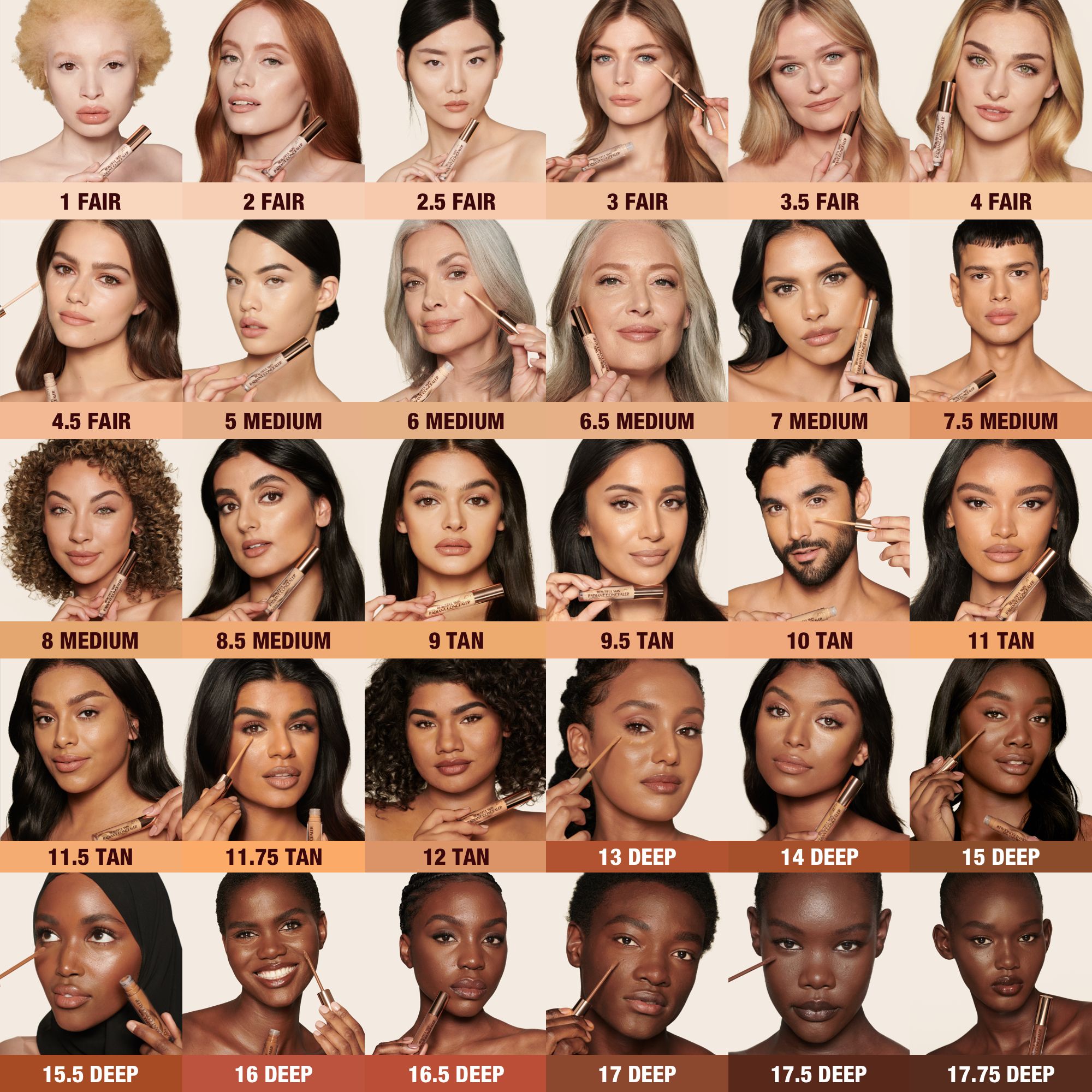
The Importance of Shade Range
As brands increasingly offer diverse shade ranges, it’s becoming easier to find concealers that cater to a wide spectrum of skin tones and undertones. Don’t be afraid to explore brands that prioritize inclusivity.
By understanding the principles of color theory, identifying your skin’s undertones, and practicing proper application techniques, you can master the art of concealer and achieve a complexion that looks naturally flawless and beautifully perfected.
aViewFromTheCave is a participant in the Amazon Services LLC Associates Program, an affiliate advertising program designed to provide a means for sites to earn advertising fees by advertising and linking to Amazon.com. Amazon, the Amazon logo, AmazonSupply, and the AmazonSupply logo are trademarks of Amazon.com, Inc. or its affiliates. As an Amazon Associate we earn affiliate commissions from qualifying purchases.