
In the realm of modern marketing, we often discuss the “Steve Jobs turtleneck” or the “Mark Zuckerberg gray tee” as pinnacles of personal branding. These choices are heralded as masterclasses in reducing decision fatigue and creating a recognizable silhouette. However, if we look back two millennia, we find the foundational blueprint for visual identity in the historical and iconographic representation of Jesus.
When we ask, “What clothes did Jesus wear?” we are not merely asking a historical or archaeological question. From a brand strategy perspective, we are analyzing the most successful visual identity system in human history. The “brand” of Jesus has maintained a consistent, recognizable, and globally resonant aesthetic for over 2,000 years, transcending language barriers, geographical borders, and cultural shifts. By examining the garments—the seamless tunic, the mantle, and the sandals—we can uncover profound lessons in brand consistency, accessibility, and the power of symbolic storytelling.
The Power of the “Uniform” in Personal Branding
The most effective brands are those that can be identified by their silhouette alone. In the context of first-century Judea, the clothing of a common man was functional, yet for Jesus, it became a strategic tool for establishing a brand of “The Accessible Leader.”
Minimalism as a Statement of Accessibility
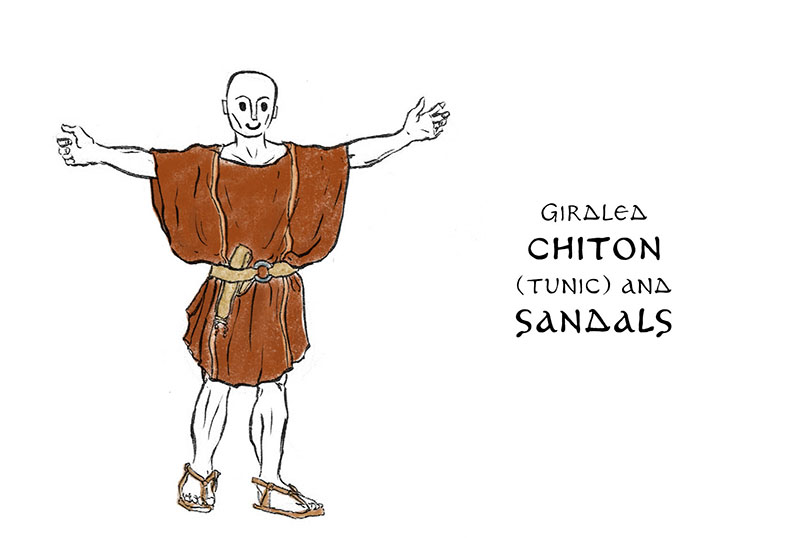
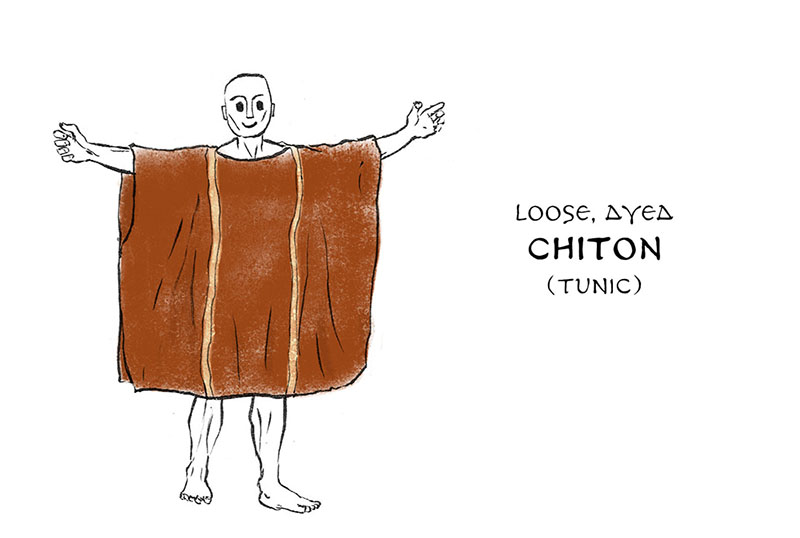
Ancient texts and historical reconstructions suggest that Jesus wore the standard attire of a Galilean man: a knee-length tunic (chitōn) and a larger wrap-around mantle (himation). In the world of brand strategy, this is the equivalent of “approachable luxury” or “everyman” positioning. By wearing the clothes of the people he served, the Jesus brand removed the friction between the leadership and the consumer (the followers).
For modern personal brands, the lesson is clear: your visual identity must reflect your mission. If your brand is built on transparency and grassroots connection, an overly polished or “high-fashion” aesthetic can create a barrier. The “clothes of Jesus” represent a brand that is physically and emotionally reachable.
Consistency Across Millennia
While the specific fabrics may have been wool or linen in undyed, earthy tones, the image of these clothes has been codified by brand managers (artists, theologians, and historians) for centuries. Consistency is the bedrock of brand trust. Because the visual cues—the flowing robe and simple footwear—have remained relatively stable in the collective consciousness, the brand maintains its equity. Whether you see a depiction in a 4th-century catacomb or a 21st-century digital illustration, the visual identity is instantly recognizable. This level of “brand recall” is what every corporate identity strives to achieve.
Strategic Iconography: Beyond the Fabric
In brand design, every element must serve a purpose. The garments attributed to Jesus were not just functional; they were loaded with “brand touchpoints” that communicated his values, status, and message to his audience.
The Seamless Tunic as a Symbol of Integrity
One of the most famous references to Jesus’ clothing is the “seamless tunic” mentioned during the crucifixion. From a marketing and design standpoint, the seamless garment is a powerful metaphor for brand integrity. A “seamless” brand experience is one where the internal values, the external messaging, and the product quality are all woven from a single thread.
When a brand is fragmented—saying one thing but doing another—it is “seamed” and prone to tearing. The seamless tunic represents a holistic brand identity that is difficult to replicate and impossible to divide without destroying its value. In corporate identity, striving for a “seamless” narrative ensures that every department, from customer service to C-suite leadership, reflects the same core brand promise.
Sandal-Clad Leadership: Grounding the Brand
Footwear is a significant indicator of brand positioning. In the ancient world, sandals were the footwear of the traveler and the laborer. By adopting this “brand kit,” Jesus signaled a brand of movement, humility, and “boots-on-the-ground” engagement.
In modern brand strategy, we call this “grounding.” A grounded brand is one that remains connected to its origins regardless of its scale. Even as the “Jesus brand” scaled to billions of followers, the iconography remained rooted in the sandals—a reminder of the brand’s humble beginnings and its commitment to the “path” or the “journey.” For modern corporations, maintaining this connection to the founding story is vital for authentic storytelling.
Perception vs. Reality: Rebranding Historical Accuracy
Brand evolution is a necessary part of longevity. The way we perceive “what Jesus wore” has shifted over centuries, reflecting a sophisticated process of cultural localization and brand adaptation.
The Evolution of Artistic Interpretation
Archaeological evidence suggests Jesus likely wore shorter tunics and perhaps darker, more utilitarian fabrics than often depicted in Renaissance art. However, “Brand Managers” like Da Vinci or Michelangelo adapted the visual identity to suit the aesthetic preferences of their time. They introduced flowing, vibrant robes that communicated majesty and divine authority to a European audience.
This is a classic example of “Visual Identity Refresh.” Brands must occasionally update their look to stay relevant to their current market without losing their core essence. The “Jesus brand” survived because it was flexible enough to be reimagined through various artistic lenses while keeping the core symbols—the beard, the long hair (a later addition), and the robe—intact.
Adapting the Brand to Local Markets (Cultural Localization)
One of the reasons the “Jesus brand” achieved global market penetration is its ability to localize. In different cultures, the “clothes of Jesus” are often depicted using local fabrics or styles that resonate with that specific demographic.
In marketing, this is known as “Glocalization”—maintaining a global brand identity while adapting to local cultural nuances. By allowing the visual identity to be interpreted through local lenses, the brand becomes “one of us” in every market it enters. This adaptability is why the brand remains dominant in diverse markets across South America, Africa, Asia, and Europe.
Modern Applications: Lessons for Today’s Brand Strategists
The analysis of ancient attire might seem disconnected from 21st-century business, but the principles of visual storytelling remain unchanged. The “clothes of Jesus” offer a masterclass in how to build a legacy brand.
Authentic Storytelling Through Visual Cues
Every piece of clothing Jesus wore told a story. The tassels (tzitzit) on his mantle identified him with his heritage and the law, while the simplicity of his tunic identified him with the poor.
Modern brands should ask: What story do our visual assets tell? If a customer sees your logo, your packaging, or your office space, do they immediately understand your heritage and your mission? Authentic branding requires that every visual cue is an honest reflection of the brand’s DNA. You cannot “wear” a brand identity that does not fit your corporate reality.
Longevity and the “Halo Effect”
In marketing, the “Halo Effect” is a cognitive bias where our overall impression of a person or brand influences how we feel about their specific traits. The visual identity of Jesus—the “look”—has created a massive halo effect that bestows an aura of peace, authority, and compassion onto anything associated with that aesthetic.
For brand strategists, the goal is to create a visual identity so strong that it generates its own halo. When a brand achieves this, even its minor products or services are viewed through the lens of its primary positive associations. Building this requires years of consistency and a relentless focus on the “core product” or “core message.”

Conclusion: The Enduring Legacy of a Simple Wardrobe
When we peel back the layers of history to ask what clothes Jesus wore, we find a brand identity that was built to last. It was a brand defined by accessibility, characterized by seamless integrity, and localized for global appeal. It did not rely on the “high-fashion” trends of the Roman elite but instead chose a “uniform” that resonated with the masses.
In the world of Brand Strategy and Corporate Identity, the lesson is clear: Complexity is the enemy of recognition. The most powerful brands are those that can communicate their entire philosophy through a few simple, consistent visual cues. Whether it’s a seamless tunic or a minimalist logo, the goal is the same—to create a visual identity that is timeless, universal, and deeply human. By understanding the “branding” behind the historical figure of Jesus, modern marketers can learn how to craft identities that don’t just capture attention for a season but endure for generations.
aViewFromTheCave is a participant in the Amazon Services LLC Associates Program, an affiliate advertising program designed to provide a means for sites to earn advertising fees by advertising and linking to Amazon.com. Amazon, the Amazon logo, AmazonSupply, and the AmazonSupply logo are trademarks of Amazon.com, Inc. or its affiliates. As an Amazon Associate we earn affiliate commissions from qualifying purchases.