
In the modern era of sports, the line between athletic prowess and high-end engineering has blurred. Nowhere is this more evident than in the design of the sand wedge, specifically regarding the technical specification known as “bounce.” To the uninitiated, “bounce” might sound like a subjective feel, but in the realm of sports technology, it is a precisely engineered geometric variable that dictates the interaction between a high-density clubhead and a complex surface medium like sand or turf.
As golfers demand more precision, manufacturers have pivoted from traditional forging to advanced computational fluid dynamics (CFD) and AI-driven fitting algorithms. Understanding the technology of bounce is no longer just for the professional circuit; it is a masterclass in how mechanical engineering and digital data integration can optimize human performance.

The Engineering Foundations of Wedge Geometry
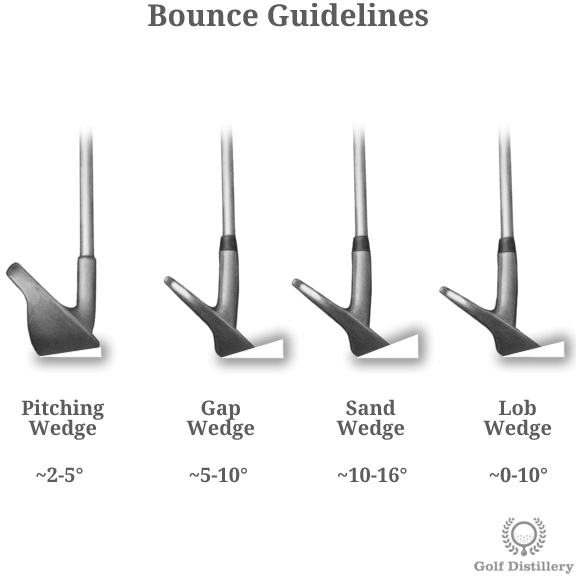
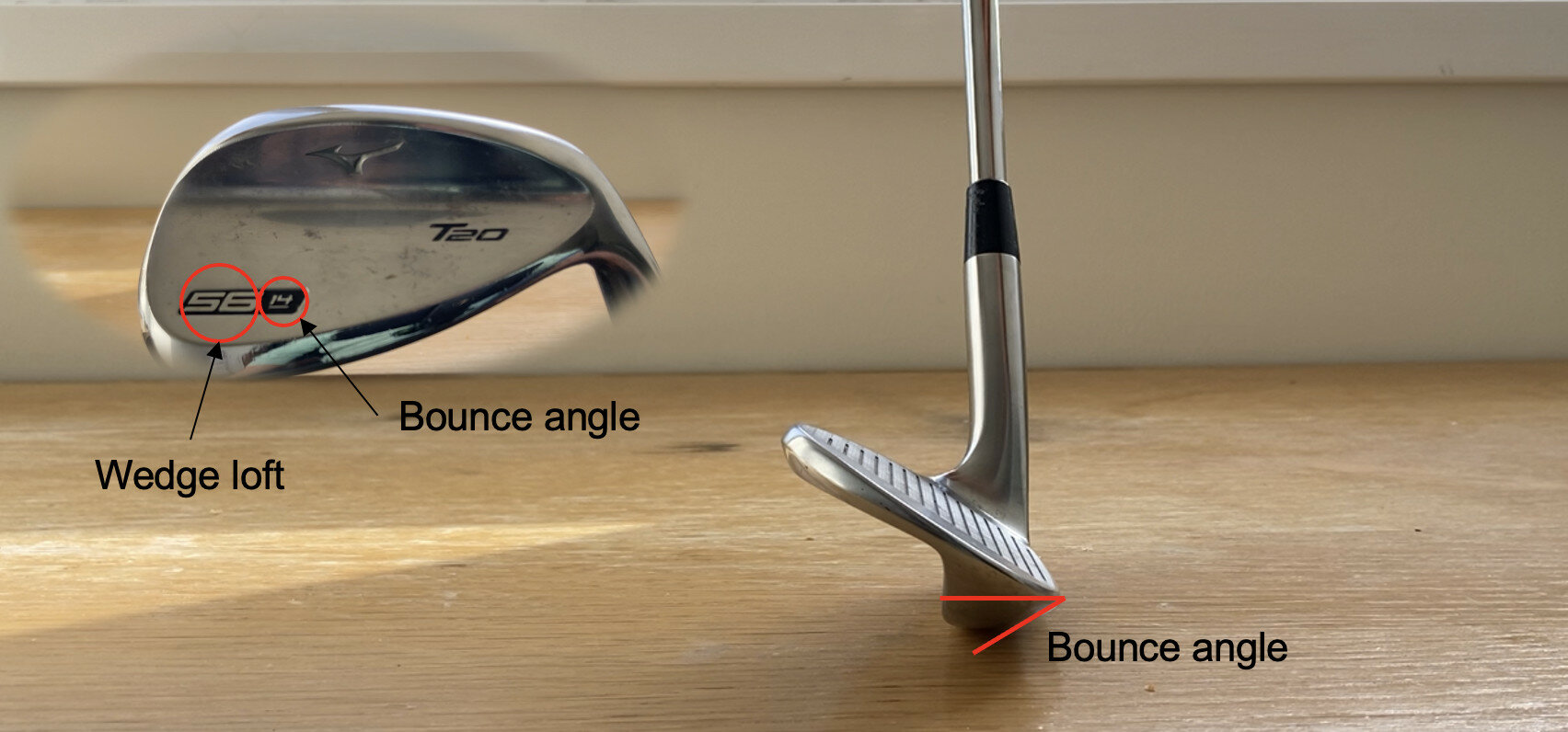
At its core, “bounce” refers to the angle created between the leading edge of the clubface and the lowest point of the sole (the trailing edge). While it appears to be a simple static measurement, the engineering required to perfect this angle involves sophisticated material science and geometric modeling.
The Mechanics of Surface Resistance
When a sand wedge strikes a surface, the bounce acts as a specialized skid plate. From a mechanical engineering perspective, the bounce angle prevents the club from “digging” too deeply into the substrate. A high-bounce wedge (typically 12 to 15 degrees) utilizes increased surface area and a steeper angle to generate upward force upon impact. This is a classic example of Newtonian physics: as the club exerts force on the sand, the sand exerts an equal and opposite force on the sole, propelled by the wedge’s geometry.
Material Science and Center of Gravity (CG)
The tech behind a wedge isn’t just about the external shape; it’s about internal weight distribution. Modern tech-forward brands use multi-material construction—integrating tungsten weights or high-density polymers—to shift the Center of Gravity (CG). By manipulating the CG relative to the bounce angle, engineers can ensure that the clubhead remains stable even when encountering the high-resistance environment of a bunker. This prevents the “torque” or twisting that often occurs when the leading edge meets significant resistance.
Computational Fluid Dynamics and Turf Interaction
Designing a sand wedge today involves more than just a blueprint and a mold. Engineers now employ Computational Fluid Dynamics (CFD), the same technology used in aerospace and automotive design, to simulate how a clubhead moves through various mediums.
Simulating the Strike in Digital Environments
Sand, though solid, acts much like a fluid under high-impact stress. Tech developers use “Discrete Element Method” (DEM) simulations to model how individual grains of sand interact with different bounce profiles. These digital simulations allow designers to visualize the “pressure mapping” of the sole. By analyzing where the most resistance occurs during the swing arc, engineers can micro-adjust the “grind” of the wedge—the specific shaping of the sole—to ensure the club glides rather than stalls.
The Role of Digital Prototyping
Before a physical prototype is ever milled, thousands of digital iterations are run through “Finite Element Analysis” (FEA). This technology allows manufacturers to test the structural integrity and vibration frequencies of different bounce configurations. For instance, a “low bounce” wedge designed for firm turf must be engineered to withstand higher impact shocks without transferring excessive vibration to the player’s hands. This digital-first approach has reduced the development cycle of golf technology from years to months, allowing for rapid innovation in “smart” sole designs.
AI and the Digital Revolution in Club Fitting
The most significant technological shift in the last decade has been the move from “standardized” equipment to data-driven personalization. The “what bounce” question is now answered by machine learning and high-speed sensor arrays.
Launch Monitor Data Integration
Launch monitors like Trackman and GCQuad are essentially high-frequency Doppler radar and high-speed stereoscopic camera systems. These devices capture thousands of data points per second, measuring the “attack angle” (the steepness of the swing) and the “shaft lean” at impact.
AI algorithms process this data to recommend a specific bounce profile. If a player’s digital footprint shows a “steep” attack angle, the AI identifies a high-probability risk of digging and recommends a high-bounce wedge to compensate. This is a transition from “expert opinion” to “algorithmic precision,” where the tech dictates the gear based on raw kinetic data.
Machine Learning in Gear Recommendations
The latest frontier in wedge tech involves cloud-based databases that aggregate swing data from millions of players worldwide. Using machine learning, manufacturers can identify patterns: for example, players with a certain clubhead speed and swing path tend to perform 15% better with a 10-degree bounce and a “C-Grind” sole. This “Big Data” approach to golf allows for “smart fitting” apps where a user can input their typical playing conditions (moisture levels, sand density, grass type) and receive a mathematically optimized equipment list.
Smart Manufacturing: From CNC Milling to Precision Grinds
Once the ideal bounce is determined through physics and AI, the manufacturing process relies on high-precision robotics to ensure the digital design translates perfectly to the physical product.
Automated Tolerance Controls
In the past, wedges were hand-ground, leading to “tolerance” issues where two clubs of the same model might feel slightly different. Today, Computer Numerical Control (CNC) milling is the industry standard. This technology uses programmed instructions to carve the sole of the wedge with a precision of 0.001 inches. This level of accuracy is vital for bounce, as even a half-degree deviation can change the club’s performance characteristics.
Modern “milled-grind” technology ensures that the bounce angle is identical across every unit produced. Furthermore, laser-etching technology is used to create “micro-grooves” between the main grooves on the face, which works in tandem with the bounce to maximize friction and spin, even in wet conditions.
Future Tech: Sensors and Haptic Feedback
The future of wedge technology lies in “Smart Clubs.” We are seeing the emergence of embedded sensors in the grip and hosel that record real-time data on how the bounce interacts with the ground during a round of play. This “Internet of Things” (IoT) integration allows golfers to review their performance on a smartphone app, seeing exactly how often they utilized the bounce effectively versus when they “bladed” the ball.
We are also seeing experiments with haptic feedback systems in training clubs that vibrate when the bounce is engaged at the wrong angle, providing a tech-enabled “biofeedback” loop for skill acquisition.
Conclusion: The Convergence of Sport and Science
The question of “what bounce on a sand wedge” is no longer a simple matter of preference. It is the end result of a sophisticated technological ecosystem. From the initial CFD simulations and FEA structural testing to the AI-driven fitting process and CNC-milled production, every degree of bounce is a testament to modern engineering.
As we look forward, the integration of technology into golf equipment will only deepen. We are moving toward a world where “smart materials” may allow the bounce of a wedge to adjust dynamically based on the surface it detects, or where augmented reality (AR) glasses provide a real-time overlay of the optimal impact point for a specific bounce profile. In this high-tech landscape, the sand wedge is not just a tool—it is a piece of precision hardware designed to master the variables of the physical world. For the modern golfer, embracing this technology is the key to unlocking a new level of consistency and performance on the course.
aViewFromTheCave is a participant in the Amazon Services LLC Associates Program, an affiliate advertising program designed to provide a means for sites to earn advertising fees by advertising and linking to Amazon.com. Amazon, the Amazon logo, AmazonSupply, and the AmazonSupply logo are trademarks of Amazon.com, Inc. or its affiliates. As an Amazon Associate we earn affiliate commissions from qualifying purchases.