
The concept of virtue, an inherent quality or trait that is considered morally good or desirable, has been a cornerstone of philosophical and ethical discourse for millennia. While various cultures and traditions have articulated their own sets of virtues, four principles stand out as particularly foundational: the cardinal virtues. These are not merely abstract ideals; they represent practical wisdom and moral excellence that, when cultivated, can profoundly shape an individual’s character and guide their actions. Understanding the cardinal virtues provides a robust framework for ethical living, enabling individuals to navigate complex situations with integrity and purpose. They are called “cardinal” not because they are religious in nature, but because they serve as hinges or pivots upon which all other virtues turn. In essence, they are the essential qualities that support a well-lived life.
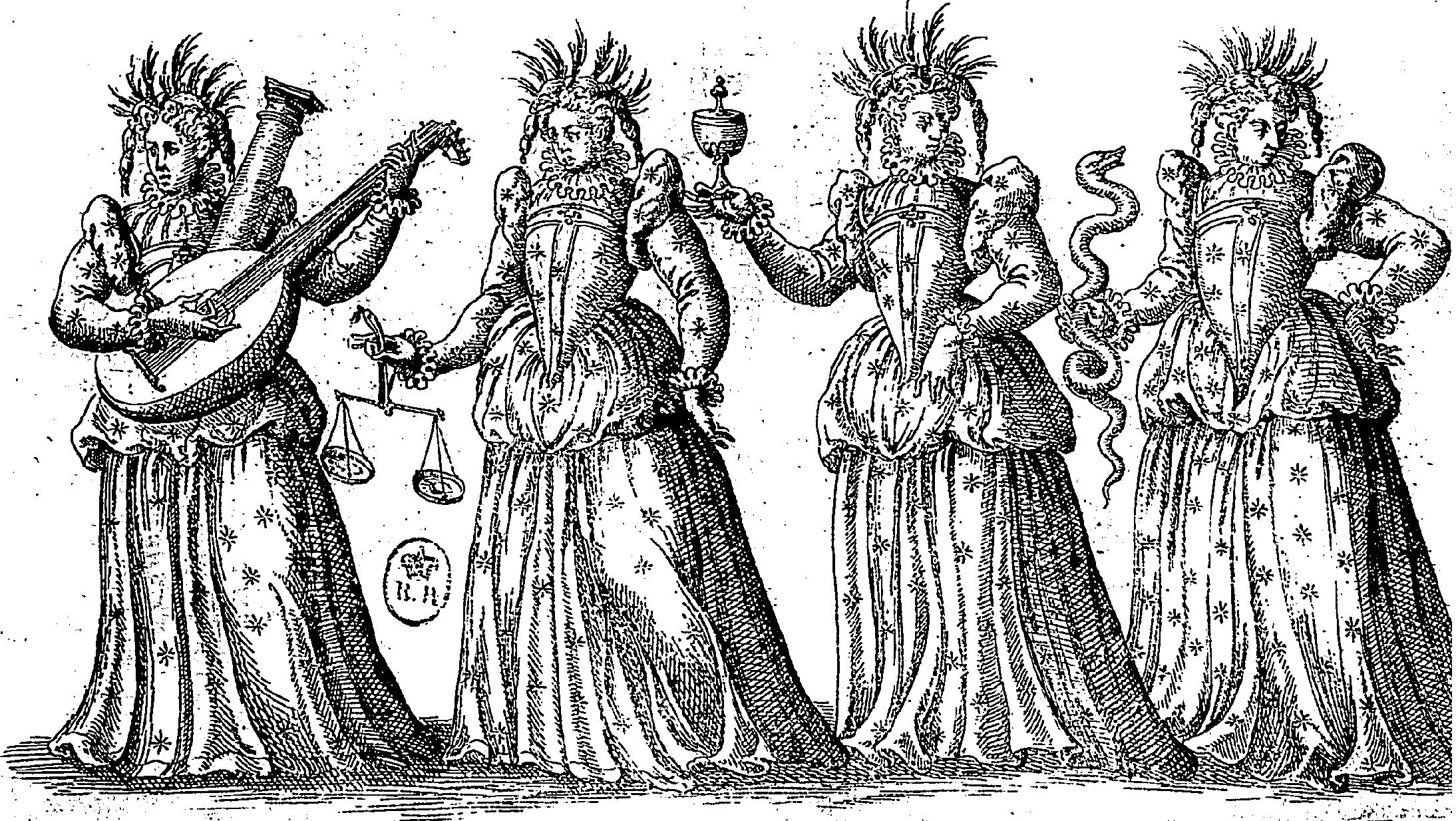
The Pillars of Moral Excellence
The cardinal virtues, originating from ancient Greek philosophy and later adopted and adapted by Roman thinkers and Christian theology, are prudence, justice, fortitude, and temperance. These virtues are considered “cardinal” because they are fundamental to all other moral virtues. They are not acquired through mere instruction, but through consistent practice and the development of good habits. Unlike theological virtues (faith, hope, and charity), which are infused by divine grace, the cardinal virtues are achievable through human effort and reason. They offer a comprehensive approach to ethical development, addressing our intellectual faculties, our relationships with others, our capacity to face adversity, and our control over our desires. Mastering these virtues is a lifelong endeavor, a continuous process of self-improvement and ethical refinement.
Prudence: The Guiding Light of Reason
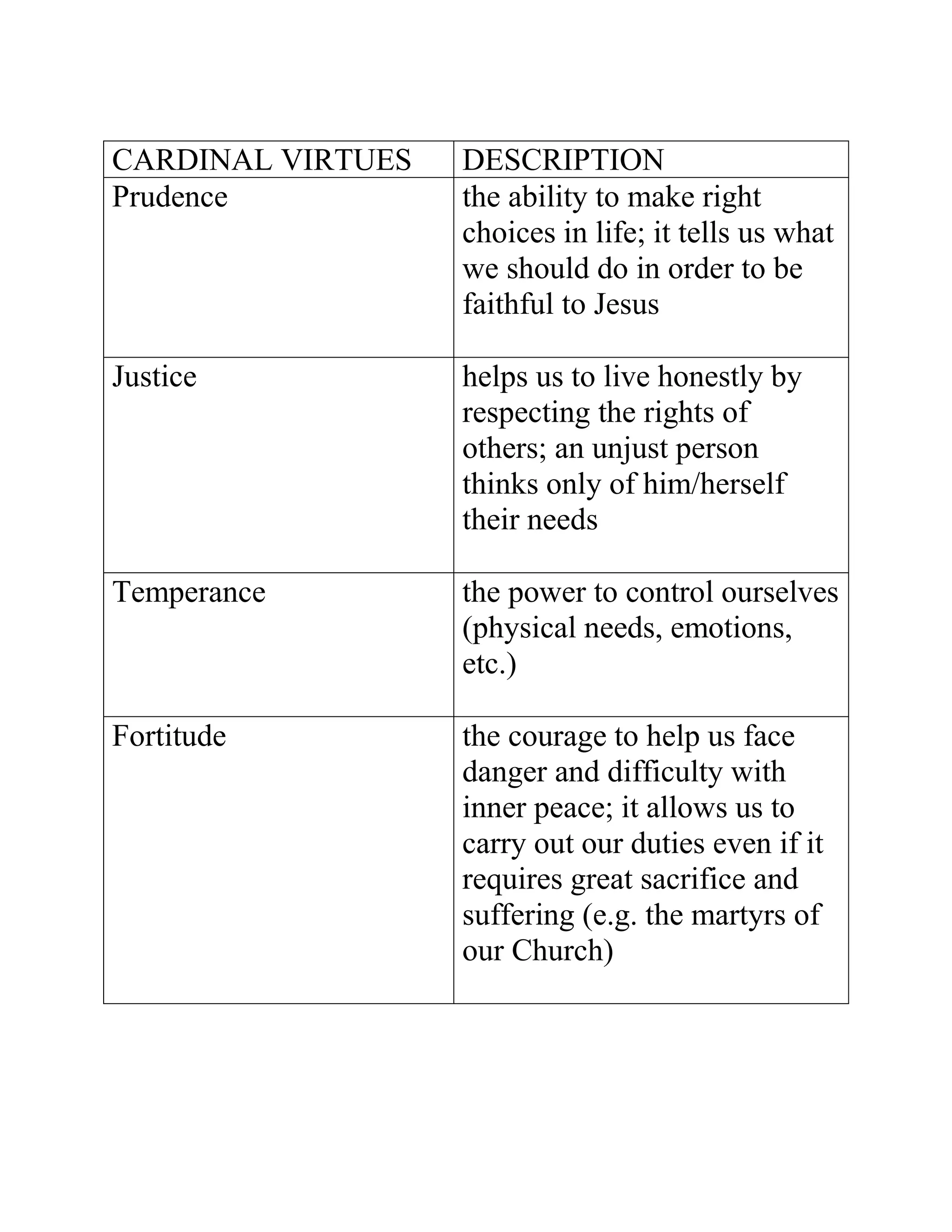
Prudence, often translated as practical wisdom or foresight, is the intellectual virtue that enables us to discern the true good in every circumstance and to choose the right means of achieving it. It is not about being overly cautious or timid, but rather about the ability to deliberate effectively, to understand the consequences of our actions, and to make sound judgments. A prudent person doesn’t just react; they reflect. They consider the past, analyze the present, and anticipate the future. This involves several key components:
Discretion and Deliberation
Prudence requires the capacity for careful consideration. It involves weighing different options, understanding their potential outcomes, and recognizing the nuances of a situation. A prudent individual will take the time to gather information, seek advice when necessary, and avoid impulsive decisions. They understand that rushing into action without proper thought can lead to regrettable mistakes. This deliberative process is crucial for making choices that align with our long-term goals and ethical principles.
Memory and Docility
A key aspect of prudence is learning from past experiences. Memory allows us to recall what has worked and what has not, informing our present decisions. Equally important is docility, which is an openness to learn from others and to accept good counsel. A prudent person recognizes their own limitations and is willing to be guided by those with greater wisdom or experience. This doesn’t mean blindly following others, but rather being receptive to advice and insights that can enhance their own judgment.
Reason and Foresight
At its core, prudence is an exercise of reason. It involves the ability to analyze situations logically, to understand cause and effect, and to predict potential consequences. Foresight, a component of this, allows us to anticipate future events and challenges, enabling us to prepare and act proactively. This foresight is not mere guessing, but a reasoned projection based on knowledge and understanding. It is the virtue that ensures our actions are not only well-intentioned but also effective in achieving good outcomes.
Justice: The Virtue of Fairness and Equity
Justice is the moral virtue that inclines the will to give to each person what is due to them. It is about establishing and maintaining right relationships, both between individuals and within society. Justice is concerned with fairness, equity, and the respect for the rights and dignity of all. It is the foundation of a harmonious and well-ordered community. There are several dimensions to this vital virtue.
Distributive Justice
This aspect of justice concerns the fair allocation of resources, benefits, and burdens within a society. It involves ensuring that goods and opportunities are distributed equitably, taking into account the needs and contributions of individuals. A just society strives to provide for its members in a way that reflects their inherent worth and promotes the common good. This doesn’t necessarily mean absolute equality in all things, but rather fairness in how societal goods are shared.
Commutative Justice
Commutative justice governs the fairness of exchanges between individuals. This applies to transactions in the marketplace, contracts, and any situation where one person gives something to another. It demands that exchanges be equitable, that promises be kept, and that wrongs be righted. In essence, it ensures that what is given is of equivalent value to what is received, and that any harm caused is appropriately addressed.
Legal Justice
Legal justice, also known as social justice, concerns the individual’s duty to contribute to the common good of the community. It involves obeying just laws, participating in civic life, and working towards the welfare of society as a whole. This virtue reminds us that our individual lives are intertwined with the broader community, and that we have a responsibility to contribute to its flourishing. It is about upholding the principles that allow society to function justly and ethically.
Fortitude: The Strength to Persevere
Fortitude, often misunderstood as mere courage, is the virtue that enables us to face difficulties, dangers, and adversity with strength and resilience. It is about the ability to stand firm in our convictions, to resist fear, and to persevere in the pursuit of good, even when it is difficult or costly. Fortitude is not about recklessness, but about a well-ordered love of the good that enables us to overcome obstacles. It has two primary facets.
Courage and Endurance
The most visible aspect of fortitude is courage, the willingness to confront fear and to act in the face of danger or pain. However, fortitude also encompasses endurance, the ability to sustain effort and to bear hardships over time. This is crucial because many challenges in life are not sudden crises, but long-term struggles that require sustained commitment and resilience. A person with fortitude doesn’t give up easily when faced with setbacks.
Patience and Perseverance
Patience is a crucial component of fortitude, allowing us to bear adversities with equanimity and without complaint. It is the capacity to endure suffering or delay without becoming resentful or losing hope. Perseverance builds upon this, enabling us to continue striving towards a goal despite obstacles, failures, or fatigue. It is the quiet determination that keeps us moving forward, even when the path is arduous.
Temperance: The Mastery of Desires
Temperance, often referred to as moderation or self-control, is the virtue that moderates our desires and appetites, bringing them into harmony with reason. It is about having a healthy mastery over our instincts and inclinations, ensuring that they do not lead us to excess or harm. Temperance is not about the denial of pleasure, but about its proper ordering and enjoyment. It involves controlling our desires for food, drink, and other sensual gratifications.
Self-Discipline and Restraint
The core of temperance lies in self-discipline and restraint. This is the ability to say “no” to immediate gratification when it conflicts with our long-term well-being or ethical principles. It involves recognizing the potential harm of excessive indulgence and exercising the willpower to avoid it. This is a constant practice of aligning our actions with our values, even when our desires pull us in a different direction.
Moderation and Balance
Temperance champions moderation and balance in all things. It is about finding the middle ground, avoiding extremes of indulgence or deprivation. A temperate person enjoys good things in life but does so in a way that is healthy, sustainable, and does not compromise their character or responsibilities. This balance extends beyond physical appetites to include our emotions, our speech, and our use of resources.
The Interconnectedness of the Cardinal Virtues
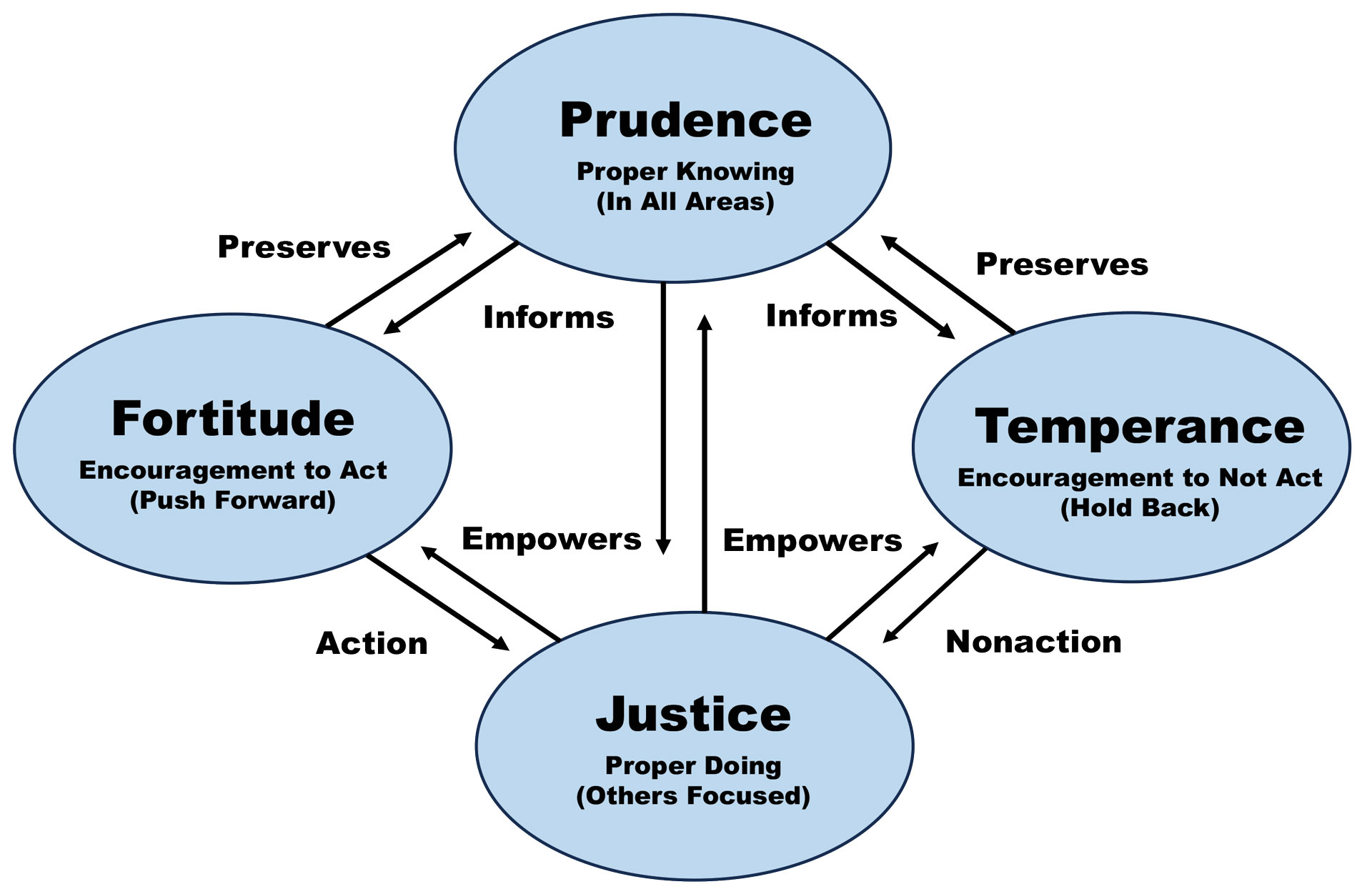
While distinct, the cardinal virtues are deeply interconnected and mutually reinforcing. One cannot truly possess one virtue without at least a rudimentary understanding and practice of the others. For instance, true justice requires prudence to discern what is due, fortitude to stand up for what is right, and temperance to avoid letting personal desires cloud judgment. Similarly, fortitude is enhanced by prudence in assessing risks, justice in knowing what we are fighting for, and temperance in enduring hardship without succumbing to despair or anger.
Prudence guides the other virtues by helping us to understand what is good and how to achieve it. Justice directs our actions towards others in a fair and equitable manner. Fortitude provides the strength to act on our reasoned judgments and to persevere in the face of adversity. Temperance ensures that our desires are in check, allowing our reason and will to function effectively in pursuit of the good. Together, these four virtues form a robust moral compass, equipping individuals with the character and wisdom necessary to live a meaningful, ethical, and fulfilling life. Cultivating these virtues is not a destination, but a lifelong journey of growth, self-awareness, and commitment to the good.
aViewFromTheCave is a participant in the Amazon Services LLC Associates Program, an affiliate advertising program designed to provide a means for sites to earn advertising fees by advertising and linking to Amazon.com. Amazon, the Amazon logo, AmazonSupply, and the AmazonSupply logo are trademarks of Amazon.com, Inc. or its affiliates. As an Amazon Associate we earn affiliate commissions from qualifying purchases.