
Texas, a state synonymous with vast landscapes, rich history, and a burgeoning economy, shares a significant border with a neighboring nation, profoundly shaping its economic landscape. Understanding these border dynamics is not merely a geographical exercise; it’s a crucial element for anyone involved in commerce, investment, or financial planning related to the Lone Star State. This article delves into the financial implications of Texas’s border with Mexico, exploring the economic opportunities, challenges, and strategic considerations for businesses and investors.
The Economic Significance of the Texas-Mexico Border
The border between Texas and Mexico is more than just a line on a map; it’s a vibrant economic artery, a nexus of trade, and a significant driver of growth for both regions. The sheer volume of cross-border trade has a palpable impact on industries ranging from manufacturing and logistics to retail and services. This intricate economic relationship is built upon a foundation of shared resources, labor markets, and consumer bases.
Cross-Border Trade: A Pillar of Economic Activity
The United States-Mexico border is one of the busiest in the world, and the Texas section accounts for a substantial portion of this activity. Millions of dollars in goods and services flow across the border daily. This constant movement of products fuels a complex supply chain ecosystem, creating jobs and generating revenue in border communities. For businesses operating in Texas, particularly those engaged in manufacturing or international trade, proximity to the border offers distinct logistical advantages. Reduced transportation costs, streamlined customs procedures (when managed effectively), and access to a large Mexican consumer market are all compelling reasons for companies to establish or expand operations in these areas.
The automotive industry, for instance, heavily relies on this cross-border integration. Components manufactured in Mexico are often assembled in Texas, and finished vehicles are then distributed throughout North America. Similarly, the agricultural sector benefits from the trade of fresh produce and other food products. Understanding the flow of goods, tariffs, and trade agreements is paramount for any business seeking to capitalize on these cross-border opportunities. This requires a keen awareness of economic indicators, commodity prices, and the regulatory environment in both countries.
Impact on Border Communities: Boomtowns and Beyond
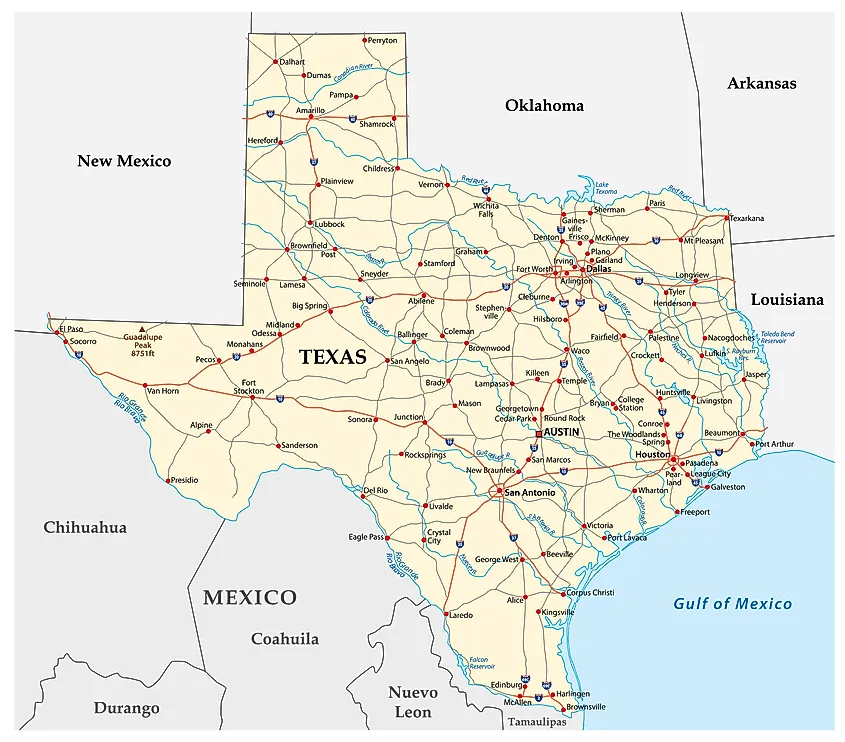
The economic activity generated by the border has a profound and often uneven impact on Texas’s border communities. Cities like El Paso, Laredo, and Brownsville have transformed into vital trade hubs, attracting investment and creating employment opportunities. Laredo, in particular, is renowned as the largest inland port in the United States, processing a staggering amount of northbound trade. This concentration of economic activity can lead to rapid development, increased demand for housing, and a thriving service sector.
However, this rapid growth also presents challenges. Infrastructure development, including roads, bridges, and ports of entry, often struggles to keep pace with the demands of increased trade. The need for skilled labor can outstrip the local supply, leading to wage pressures and the necessity for targeted training programs. Furthermore, the economic fortunes of these communities are intrinsically linked to the health of the broader U.S.-Mexico economic relationship. Fluctuations in trade policy, economic downturns in either country, or geopolitical events can have a significant and immediate impact on local economies. For investors, identifying border communities with robust infrastructure, diversified economies, and supportive local governments can present attractive opportunities.
Financial Strategies for Navigating the Border Economy
Operating in or investing in Texas’s border region requires a nuanced financial approach. The unique economic dynamics of this frontier necessitate specialized strategies to mitigate risks and maximize returns. This involves careful financial planning, understanding currency exchange, and leveraging available financial tools.

Currency Exchange and Remittances: A Vital Flow
The significant volume of cross-border transactions inherently involves the exchange of currencies. The U.S. dollar and the Mexican peso are the primary currencies, and their fluctuations can directly impact the profitability of businesses and the purchasing power of individuals. Businesses engaged in import/export activities must actively manage currency risk through hedging strategies or by invoicing in a stable currency when possible. For individuals, remittances – money sent by workers abroad to their families back home – represent a substantial flow of capital across the border. These remittances contribute significantly to the economies of Mexican border towns and also influence consumer spending patterns within Texas border communities. Financial institutions play a crucial role in facilitating these transactions, offering competitive exchange rates and secure money transfer services. Understanding these flows is key to assessing the overall economic health of the region and identifying opportunities for financial services providers.
Investment Opportunities in Border Infrastructure and Services
The continued growth of cross-border trade necessitates significant investment in infrastructure. This includes the expansion of ports of entry, the modernization of transportation networks (rail, road, and air), and the development of logistics and warehousing facilities. These infrastructure projects often present lucrative investment opportunities for both public and private entities. Furthermore, the increasing economic activity has spurred demand for a range of services, from financial and legal services catering to international businesses to specialized logistics and supply chain management solutions.
Businesses looking to invest in this region should conduct thorough due diligence, assessing the long-term growth potential of specific industries and the stability of the regulatory environment. Government incentives and development programs aimed at fostering economic growth in border areas can also be attractive catalysts for investment. Understanding the interplay between government policy, private sector investment, and community development is crucial for identifying sustainable and profitable ventures in this dynamic border economy.
Risk Mitigation and Financial Preparedness
While the Texas-Mexico border offers immense financial opportunities, it also presents unique risks that require careful consideration and proactive mitigation strategies. Economic downturns, regulatory changes, and security concerns can all impact businesses operating in this region.
Navigating Regulatory and Political Landscapes
The cross-border nature of business means operating within the regulatory frameworks of both the United States and Mexico. Changes in trade policies, tariffs, or import/export regulations in either country can have significant financial implications. Businesses must stay abreast of these developments and be prepared to adapt their strategies accordingly. Political stability in both nations is also a factor that can influence economic confidence and investment. Understanding the political climate and potential policy shifts is essential for long-term financial planning. This often involves engaging with legal and financial experts who specialize in international trade and cross-border business. Diversifying markets, where possible, can also help mitigate the impact of localized political or economic disruptions.

Enhancing Financial Security and Compliance
In a region with significant cross-border financial activity, maintaining robust financial security and ensuring compliance with all relevant regulations is paramount. This includes implementing strong internal controls to prevent fraud, ensuring data security for sensitive financial information, and adhering to anti-money laundering (AML) and know-your-customer (KYC) regulations. For financial institutions and businesses handling large volumes of cross-border transactions, these compliance measures are not just legal requirements but also critical for maintaining trust and reputation. Investing in secure financial technologies and employing skilled compliance officers can significantly reduce the risk of financial crime and regulatory penalties. Furthermore, developing contingency plans for potential economic shocks or disruptions is a vital aspect of financial preparedness in this dynamic border region.
In conclusion, the border states of Texas, defined by their proximity to Mexico, represent a vital economic frontier. The financial landscape is characterized by robust cross-border trade, significant investment opportunities in infrastructure and services, and the constant interplay of currency exchange and remittances. While these dynamics offer immense potential for growth and profit, they also necessitate careful financial planning, diligent risk management, and a deep understanding of the unique regulatory and political environments. For businesses and investors who approach this border economy with strategic foresight and financial acumen, the rewards can be substantial, cementing Texas’s position as a powerhouse of international commerce.
aViewFromTheCave is a participant in the Amazon Services LLC Associates Program, an affiliate advertising program designed to provide a means for sites to earn advertising fees by advertising and linking to Amazon.com. Amazon, the Amazon logo, AmazonSupply, and the AmazonSupply logo are trademarks of Amazon.com, Inc. or its affiliates. As an Amazon Associate we earn affiliate commissions from qualifying purchases.