
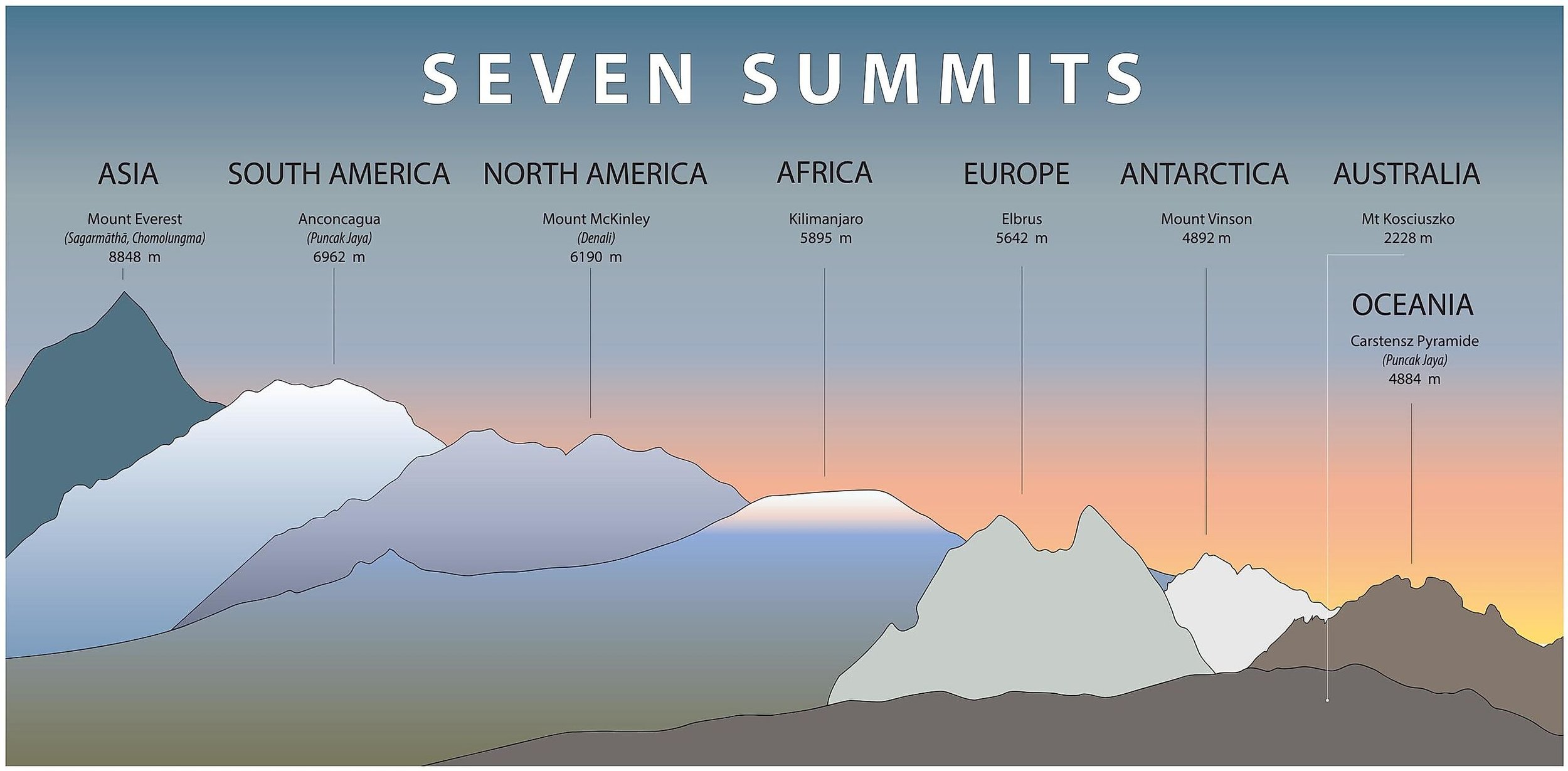
In the world of mountaineering, the “7 Summits” represent the highest peaks on each of the seven continents. Reaching the top of all seven is considered the pinnacle of human endurance, strategy, and resilience. In the world of finance, we face a similar challenge. Achieving total financial independence is not a sprint; it is a multi-stage expedition that requires meticulous planning, the right equipment, and the mental fortitude to push through thin air and steep inclines.
The “7 Summits” of money are the critical milestones every investor and earner must conquer to transition from financial survival to generational wealth. Whether you are just starting your career or looking to optimize a mid-life portfolio, understanding these peaks is essential for navigating the complex landscape of the modern economy.

Peak 1: The Basecamp of Cash Flow and Liquidity
Before any climber sets foot on Everest or Aconcagua, they must establish a basecamp. In financial terms, this is your foundation of cash flow management and immediate liquidity. Without a stable base, any sudden “storm”—such as a job loss or a medical emergency—can send your entire expedition into a freefall.
Establishing the Emergency Fund
The first sub-peak of the basecamp is the emergency fund. This is not an investment; it is insurance. Most financial experts recommend three to six months of essential living expenses kept in a high-yield savings account (HYSA). This ensures that you have “oxygen” when the economic environment becomes thin. It prevents you from having to liquidate long-term investments at a loss when life happens.
Mastering the Cash Flow Audit
You cannot climb what you cannot measure. A professional approach to money requires a deep dive into your net cash flow. This means tracking every dollar that enters and exits your ecosystem. By identifying “leaks” in your budget—such as underused subscriptions, high-interest lifestyle creep, or inefficient spending—you increase your “climbing speed” by freeing up capital to be deployed toward higher peaks.
Peak 2: Scaling the Ridge of Debt Elimination
Debt is the heavy pack that slows every climber down. While some debt can be “strategic” (like a low-interest mortgage), high-interest consumer debt is a weight that compounds against you. To reach the higher summits of wealth, you must systematically shed this burden.
The Psychology of the Debt Snowball vs. Avalanche
There are two primary ways to tackle this ridge. The “Debt Snowball” method focuses on paying off the smallest balances first to gain psychological momentum. The “Debt Avalanche” focuses on the highest interest rates first to minimize the total cost of borrowing. From a strictly financial perspective, the Avalanche is more efficient, but the Snowball often provides the emotional “win” necessary to keep a climber motivated during the grueling middle stages of the journey.
Avoiding the Trap of Lifestyle Creep
As you climb higher and your income increases, the temptation to upgrade your gear—better cars, bigger houses, luxury travel—becomes immense. This is known as lifestyle creep. To conquer this peak, one must maintain a “delta” between their earnings and their spending. True wealth is not found in what you spend, but in the assets you keep.
Peak 3: The Ascent into Equities and Compounding
Once your basecamp is secure and your heavy debt is shed, you enter the most exciting part of the climb: the ascent into the stock market. This is where your money begins to work for you, creating a self-sustaining cycle of growth known as compounding.
The Power of Passive Indexing
For the vast majority of investors, trying to “out-climb” the market by picking individual stocks is a recipe for exhaustion. The most reliable path to the summit is through low-cost, broad-market index funds. By owning a piece of the entire global economy (via ETFs like the VTI or VOO), you ensure that your wealth grows alongside human innovation and productivity.
Understanding Risk Tolerance and Volatility
The climb is never a straight line. Market volatility is the “weather” of the financial world. To reach this summit, you must develop the stomach to stay on the mountain when the market drops by 20% or 30%. Understanding your risk tolerance—how much of a drop you can handle without panicking—is crucial. Asset allocation (the mix of stocks, bonds, and cash) is the safety harness that keeps you attached to the mountain during a fall.
Peak 4: Navigating the Vertical of Diversification and Alternative Assets
As you reach higher elevations, the air gets thinner, and traditional stocks might not be enough to provide the stability or returns you need. This is where diversification into alternative assets becomes a vital part of the strategy.
Real Estate: The Tangible Ascent
Real estate remains one of the most powerful “summits” in wealth building. Unlike stocks, real estate allows for leverage (using the bank’s money to grow your own) and provides significant tax advantages. Whether it’s residential rentals, commercial property, or Real Estate Investment Trusts (REITs), adding a tangible component to your portfolio provides a hedge against inflation and a steady stream of rental income.
Exploring the Digital and Private Frontier
In the modern era, the 7 summits of money include digital assets and private equity. This might involve a small allocation to cryptocurrencies or investing in private businesses and startups. These are high-risk, high-reward “cliffs” that should only be attempted once your foundational peaks are secure. They offer the potential for asymmetric returns that can shave years off your journey to the final summit.
Peak 5: The Summit of Passive Income and Retirement Mastery
The final summit is not about a specific number in a bank account; it is about “Time Sovereignty.” This is the point where your investments generate enough passive income to cover all your living expenses. You are no longer working for money; your money is working for you.
The 4% Rule and Sustainable Withdrawal
To stay at the summit without falling off, you must understand sustainable withdrawal rates. The “4% Rule” is a classic benchmark suggesting that if you withdraw 4% of your portfolio annually (adjusted for inflation), your money has a very high probability of lasting 30 years or more. Reaching this summit means your “Burn Rate” is lower than your “Earn Rate” from investments.
Tax Strategy and Legacy Planning
Reaching the top is one thing; staying there and passing the torch is another. Advanced wealth management involves optimizing your tax liabilities through vehicles like Roth IRAs, 401(k)s, and trusts. This is the “navigation” phase where you ensure that the government doesn’t take an unnecessary share of your hard-earned peak. Furthermore, legacy planning ensures that the wealth you’ve built becomes a “basecamp” for the next generation, allowing them to start their climb from a much higher elevation.

Conclusion: The Continuous Journey
The “7 Summits of Money” are not reached overnight. Like any great climb, the journey to financial independence is marked by setbacks, challenges, and periods of slow progress. However, by treating your finances as an expedition—focusing on liquidity, shedding debt, harnessing the power of the markets, diversifying your assets, and ultimately aiming for time sovereignty—you can reach the peak.
The view from the top of the financial summit is not just about the money; it is about the freedom to choose how you spend your days, the ability to contribute to causes you care about, and the peace of mind that comes from knowing your future is secure. Every step you take today, no matter how small, brings you one foot closer to the summit. Pack your gear, check your maps, and start the climb.
aViewFromTheCave is a participant in the Amazon Services LLC Associates Program, an affiliate advertising program designed to provide a means for sites to earn advertising fees by advertising and linking to Amazon.com. Amazon, the Amazon logo, AmazonSupply, and the AmazonSupply logo are trademarks of Amazon.com, Inc. or its affiliates. As an Amazon Associate we earn affiliate commissions from qualifying purchases.