
Understanding easements is crucial for anyone involved in real estate, from individual homeowners to sophisticated investors and developers. These legal rights, which grant one party the permission to use another’s land for a specific purpose, can profoundly impact property value, usability, and financial potential. While the concept might seem straightforward, the nuances of easements can be complex, often leading to confusion and potential disputes that have significant financial ramifications.
At its core, an easement is a non-possessory interest in land. This means the easement holder doesn’t own the land they use, but they have a legal right to use it in a defined way. This right is typically appurtenant, meaning it benefits a specific piece of property (the dominant estate) by encumbering another piece of property (the servient estate). Alternatively, it can be in gross, benefiting an individual or entity rather than a specific parcel of land. The financial implications arise from how these rights affect the marketability, development potential, and ongoing costs associated with both the dominant and servient properties. For instance, a utility easement might decrease a property’s aesthetic appeal or limit development options, thus impacting its market value. Conversely, an easement granting access to a public road can enhance a property’s value by making it more accessible.

For investors, developers, and even first-time homebuyers, a thorough understanding of easement types is not merely academic; it’s a practical necessity for due diligence, risk assessment, and strategic financial planning. Ignoring or misunderstanding an easement can lead to unexpected expenses, legal battles, and a significant devaluation of an investment. This article will delve into the three primary types of easements, exploring their nature, common examples, and the critical financial considerations associated with each.
Understanding Easements: The Foundation of Property Use Rights
Before dissecting the specific types, it’s essential to grasp the fundamental principles of easements. An easement is an encumbrance on a property’s title, meaning it’s a claim or liability against it that can affect its value and transferability. These rights are typically created through written agreements, by implication of law, or by necessity.
The Legal Framework of Easements
The creation and enforcement of easements are governed by state laws, which can vary significantly. Generally, easements are created in one of the following ways:
- Express Grant: This is the most common and straightforward method, where the property owner explicitly grants an easement in writing, typically through a deed or a separate easement agreement. This agreement clearly defines the scope, duration, and terms of the easement.
- Implication: Easements can be implied by law when certain conditions exist. For example, if a property is divided, and one portion relies on the other for access or utilities that were in place before the division, an implied easement may be recognized.
- Necessity: An easement of necessity arises when a property is landlocked and has no other reasonable means of ingress or egress. In such cases, a court may grant an easement across a neighboring property to provide essential access.
- Prescription: This is similar to adverse possession but applies to easements. If someone openly, continuously, and exclusively uses another’s land for a specific purpose for a statutory period (often several years), they may acquire a prescriptive easement.
The existence of an easement is almost always recorded on the property’s title. This recordation is vital for financial transactions. Potential buyers can review the title report during due diligence to identify any easements and understand their implications before committing to a purchase. The financial impact of an easement is directly tied to how it restricts the servient estate or benefits the dominant estate, influencing its marketability and potential for development or resale.
The Three Primary Types of Easements and Their Financial Ramifications
While easements can be categorized in various ways, the most common and financially relevant breakdown identifies three primary types: Easements Appurtenant, Easements in Gross, and Prescriptive Easements. Each has distinct characteristics that influence property rights and, consequently, financial outcomes.
Easements Appurtenant: Benefiting Adjacent Properties
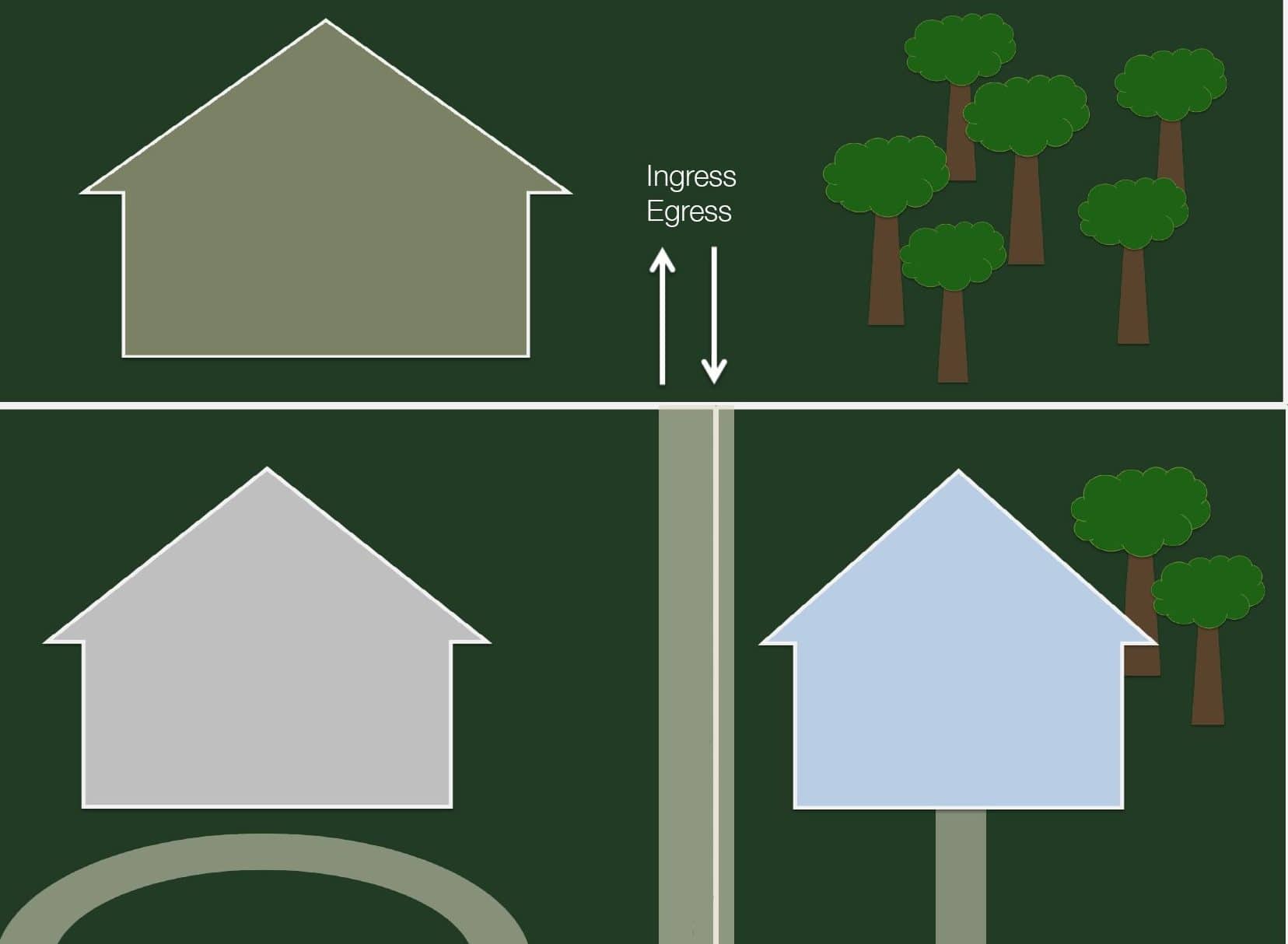
An easement appurtenant is the most traditional form of easement, where the right to use a portion of one property (the servient estate) is granted to benefit another property (the dominant estate). These easements “run with the land,” meaning they are attached to the properties themselves and transfer automatically with any sale or inheritance of either the dominant or servient estate.
How They Work and Financial Impact
The dominant estate, the property that benefits from the easement, typically sees an increase in value due to the easement. For example, a property that lacks direct access to a public road might gain significant value if it has an easement appurtenant granting access across a neighboring parcel. This improved accessibility enhances its marketability and potential for development.
Conversely, the servient estate, the property burdened by the easement, may experience a decrease in value or a limitation on its potential uses. For instance, a large parcel of land might be less valuable if a significant portion of it is encumbered by an easement for a neighbor’s driveway or for utility lines that restrict building on that specific area. The extent of this financial impact depends on the easement’s scope and intrusiveness. A utility easement for underground cables will likely have less impact than an easement for a visible access road that cuts through a prime building site.
When buying or selling property, understanding any easements appurtenant is critical for accurate valuation. Buyers should assess how the easement will affect their use and enjoyment of the property and whether it presents any development constraints. Sellers need to be transparent about existing easements, as failure to disclose can lead to legal disputes and financial penalties. The terms of an easement appurtenant are usually clearly defined in the deed or a separate agreement, specifying the exact location, purpose, and boundaries of the permitted use.
Easements in Gross: Personal or Corporate Rights
Unlike easements appurtenant, which benefit a specific piece of land, easements in gross benefit a particular individual or entity, regardless of their land ownership. These easements are not tied to a dominant estate but rather to the easement holder.
Types and Financial Considerations
There are two main subcategories of easements in gross:
-
Commercial Easements in Gross: These are typically granted to businesses or government entities and often involve utilities. Examples include easements for power lines, pipelines, telephone cables, or sewer lines. These easements are usually transferable; for example, a utility company can sell its infrastructure and the associated easements to another company. Financially, these easements can significantly impact property value by limiting where structures can be built or how land can be used. However, they are often a necessary component of modern infrastructure, and property owners may receive compensation for granting them. The presence of utility easements can also influence insurance costs or the ability to obtain certain types of financing, as lenders assess the risks associated with restricted land use.
-
Personal Easements in Gross: These are granted to an individual for a specific purpose, such as allowing a neighbor to use a private path to reach a lake or to maintain a shared well. These easements are generally not transferable and typically terminate upon the death of the individual for whom they were granted or if the condition under which they were granted ceases to exist. The financial impact here is usually less significant than commercial easements, as they often pertain to limited personal use. However, clarity in the easement’s terms is crucial to avoid disputes that could lead to costly legal entanglements. If a personal easement is improperly drafted or its terms are ambiguous, it can create uncertainty and potential conflict, impacting neighborly relations and, in extreme cases, property enjoyment.
When evaluating a property, it’s vital to identify any easements in gross and understand their terms. Commercial easements, especially, can be extensive and significantly curtail development potential. The financial foresight needed here involves assessing long-term implications on land use, potential future development, and the overall marketability of the property.
Prescriptive Easements: Acquired Through Long-Term Use
A prescriptive easement is acquired through long-term, open, notorious, hostile, and continuous use of another person’s property without the owner’s permission. This concept is rooted in the legal principle that if a use has been open and unchallenged for a statutory period, the law may recognize it as a legal right to prevent injustice.
The Legal Hurdles and Financial Risks
To establish a prescriptive easement, the party claiming the easement must prove all of the following elements in court:
- Open and Notorious Use: The use of the land must be visible and not hidden, such that the true owner could reasonably be aware of it.
- Continuous Use: The use must be uninterrupted for the statutory period (which varies by state, often 5-20 years).
- Adverse or Hostile Use: The use must be without the owner’s permission. If the owner granted permission, it is a license, not adverse use, and cannot lead to a prescriptive easement.
- Exclusive Use (in some jurisdictions): Some states require the use to be exclusive to the claimant, meaning it’s not shared with the owner or the general public.
Financially, prescriptive easements represent a significant risk. They can arise unexpectedly and encumber a property without the owner’s direct consent or compensation. For a property owner, the discovery of an established prescriptive easement can mean losing a portion of their property rights. This can reduce the property’s market value, hinder development plans, and potentially lead to expensive legal challenges to dispute the easement’s validity.
For potential buyers, thorough due diligence is paramount. This includes inspecting the property and surrounding areas for any signs of long-term, unauthorized use by neighbors or the public. If such use is observed, a buyer should investigate the legal precedent in their jurisdiction and consult with legal counsel to understand the potential for a prescriptive easement to be established. The financial cost of a lawsuit to contest or defend against a prescriptive easement can be substantial, adding another layer of financial risk.

Conclusion: Strategic Financial Planning Through Easement Awareness
In the complex world of real estate and property law, easements are a critical consideration with profound financial implications. Whether you are a homeowner, investor, developer, or legal professional, understanding the distinctions between easements appurtenant, easements in gross, and prescriptive easements is not just about knowing the law; it’s about safeguarding your financial interests.
Easements appurtenant directly impact the value and utility of adjacent properties, requiring careful analysis of how they enhance or diminish marketability and development potential. Easements in gross, particularly commercial ones, can impose significant restrictions on land use, necessitating a long-term financial outlook that accounts for infrastructure needs and potential development limitations. Prescriptive easements, on the other hand, pose a latent financial risk, demanding vigilant property oversight and robust due diligence to avoid unforeseen encumbrances and costly legal battles.
By proactively identifying, understanding, and strategically managing easements, individuals and entities can make more informed decisions, mitigate risks, and ultimately protect and enhance their property investments. Ignoring these legal rights is a gamble that can lead to substantial financial losses, while a comprehensive approach ensures that property rights are clearly defined and financial outcomes are aligned with strategic objectives.
aViewFromTheCave is a participant in the Amazon Services LLC Associates Program, an affiliate advertising program designed to provide a means for sites to earn advertising fees by advertising and linking to Amazon.com. Amazon, the Amazon logo, AmazonSupply, and the AmazonSupply logo are trademarks of Amazon.com, Inc. or its affiliates. As an Amazon Associate we earn affiliate commissions from qualifying purchases.