
In the high-stakes world of modern AEC (Architecture, Engineering, and Construction), the margin for error is razor-thin. As projects grow in complexity—incorporating sustainable materials, intricate smart-building systems, and aggressive timelines—the administrative mechanisms that ensure quality and compliance have undergone a massive digital transformation. At the heart of this transformation is the “submittal.”
Historically a paper-heavy, manual process prone to human error, submittals have evolved into a sophisticated digital workflow. Understanding what submittals are through the lens of modern technology is essential for any project manager, technologist, or stakeholder looking to optimize the construction lifecycle.

Understanding Submittals in the Era of Digital Transformation
At its most fundamental level, a submittal is a document, sample, or product data sheet sent by a contractor to the design team (architects and engineers) for approval before the item is incorporated into a project. It is the bridge between the conceptual design and the physical reality of the job site.
Defining the Submittal Process
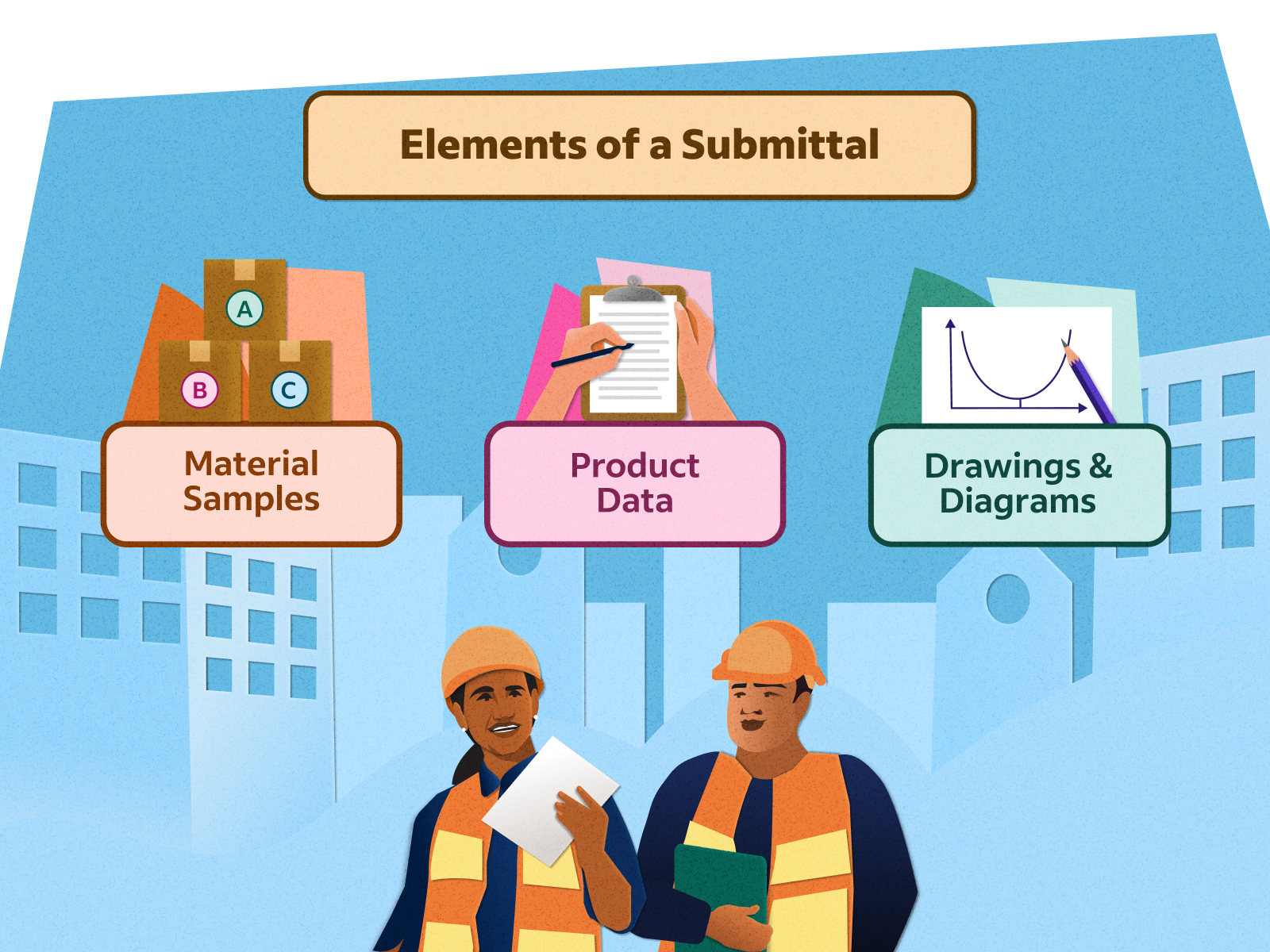
While the design documents (blueprints and specifications) outline the requirements, they rarely specify every single bolt, paint shade, or HVAC component. Submittals fill this gap. They include shop drawings, material data, and physical samples that prove the contractor’s planned purchases meet the architect’s intent.
In a traditional setting, this involved massive physical binders and “transmittal” sheets. Today, this process is defined by digital data exchange. A “submittal package” is no longer a folder but a structured data set within a project management environment, ensuring that every stakeholder has immediate access to the “source of truth.”
From Paper Trails to Cloud-Based Databases
The move from physical to digital has fundamentally changed the speed of construction. In the past, mailing physical samples or large-format drawings back and forth could take weeks, leading to “schedule creep.”
With cloud-based technology, submittals move at the speed of the internet. Modern platforms allow contractors to upload technical data sheets as PDFs, which are instantly timestamped and routed to the relevant consultant. This digital trail provides a level of transparency and accountability that was previously impossible. When an architect reviews a digital submittal, their annotations are saved as a layer of metadata, preserving the original document while tracking every revision.
The Tech Stack: Software Solutions for Submittal Management
To handle the thousands of submittals generated on a large-scale project, the industry has turned to specialized Software-as-a-Service (SaaS) solutions. These tools move beyond simple document storage, providing intelligent automation and integrated communication.
Industry-Leading Construction Management Platforms
Platforms such as Procore, Autodesk Construction Cloud, and Trimble have become the standard for managing submittal workflows. These applications provide a centralized hub where the general contractor, subcontractors, and design consultants interact.
The power of these tools lies in their ability to centralize communication. Instead of fragmented email chains where critical approvals might be lost, the software serves as a “single pane of glass.” Every submittal has a status—Draft, Pending, Revise and Resubmit, or Approved—allowing project managers to see at a glance where bottlenecks are occurring. This visibility is a technological safeguard against project delays.
Automated Workflows and Version Control
One of the most significant technological advancements in submittal management is automated workflow routing. When a subcontractor uploads a submittal for structural steel, the software automatically knows to route it first to the General Contractor, then to the Structural Engineer, and finally to the Architect.
Furthermore, digital version control solves one of the oldest problems in construction: building from outdated plans. When a submittal is “Revised and Resubmitted,” the software automatically archives the old version and highlights the new one. This ensures that the field crew, accessing the project via mobile apps on tablets, is always looking at the most current, approved technical data.

Integrating AI and BIM in the Submittal Workflow
The next frontier of construction technology involves moving beyond simple document management into the realms of Artificial Intelligence (AI) and Building Information Modeling (BIM).
AI-Driven Review and Error Detection
AI is beginning to play a crucial role in the “Submittal Log” creation. Historically, a project engineer had to manually read through hundreds of pages of project specifications to identify every single item that required a submittal. This process was tedious and prone to oversight.
Modern AI-powered tools can now “read” specification documents and automatically generate a complete submittal log in minutes. These tools use Natural Language Processing (NLP) to identify keywords like “submit for approval,” “shop drawings,” or “samples,” categorizing them by trade. This not only saves hundreds of man-hours but also ensures that no critical compliance item is missed during the pre-construction phase.
Connecting Submittals to 3D Models
Building Information Modeling (BIM) has taken submittals from 2D PDFs into 3D space. Advanced BIM integrations allow submittal data to be linked directly to the digital twin of the building.
For instance, a mechanical contractor can link the approved submittal for a specific centrifugal pump directly to that pump’s 3D representation in the model. During the operations and maintenance phase, a facility manager can click on that pump in the digital model and instantly pull up its technical specifications, warranty information, and approval history. This integration ensures that the data gathered during construction serves the building for its entire lifecycle.
Security, Compliance, and Data Sovereignty in Construction Tech
As submittals become entirely digital, the industry faces new challenges regarding data security and legal compliance. A submittal is not just a technical document; it is a legal record of what was promised and what was approved.
Protecting Intellectual Property and Shop Drawings
Shop drawings often contain proprietary details or “trade secrets” regarding how a specific manufacturer fabricates their components. In a digital environment, protecting this intellectual property (IP) is paramount.
Modern construction tech employs robust encryption and granular permission settings. Project admins can control who has “View” vs. “Download” rights, ensuring that sensitive design data doesn’t fall into the wrong hands. Furthermore, digital watermarking and secure access logs provide a forensic trail of who accessed which document and when, which is vital for maintaining the security of the project’s digital assets.
Ensuring Long-Term Data Accessibility
The “Closeout” phase of a project involves handing over all approved submittals to the owner. In the tech-driven model, this is no longer a box of binders but a digital archive. However, the rapid pace of software evolution creates a risk of “data rot”—where files become unreadable because the software used to create them is obsolete.
To combat this, the industry is moving toward “Open BIM” standards and universal file formats (like PDF/A for archiving). Technology leaders in construction are focusing on data portability, ensuring that the submittal records—which may be needed for legal defense or renovations 20 years down the line—remain accessible regardless of which software platform was used during the initial build.
The Future of Submittals: Real-Time Verification
The ultimate goal of construction technology is to close the loop between the “as-designed” and “as-built.” We are moving toward a future where submittals are verified in real-time on the job site.
By using Augmented Reality (AR) headsets or mobile devices, field inspectors can overlay the approved submittal data onto the physical installation. If a piece of equipment arrives on site, the inspector can scan its QR code, instantly pull up the approved submittal on their HUD (Heads-Up Display), and verify that the physical product matches the digital approval.
This level of technological integration represents the pinnacle of quality control. It transforms the submittal from a static document into a dynamic tool for project excellence. As we continue to refine these digital workflows, the “construction submittal” will remain the cornerstone of technical accuracy, powered by the ever-evolving landscape of construction technology.
aViewFromTheCave is a participant in the Amazon Services LLC Associates Program, an affiliate advertising program designed to provide a means for sites to earn advertising fees by advertising and linking to Amazon.com. Amazon, the Amazon logo, AmazonSupply, and the AmazonSupply logo are trademarks of Amazon.com, Inc. or its affiliates. As an Amazon Associate we earn affiliate commissions from qualifying purchases.