
For millions of investors, from institutional hedge fund managers to individual retail traders, there is perhaps no more significant date on the financial calendar than the day Apple Inc. (AAPL) releases its quarterly earnings report. As one of the world’s most valuable companies and a cornerstone of major indices like the S&P 500 and the Nasdaq-100, Apple’s financial performance serves as a barometer for the global consumer economy, the health of the technology sector, and broader market sentiment.
Understanding exactly when Apple reports its earnings, how its fiscal calendar functions, and what specific metrics move the needle is essential for anyone looking to manage a portfolio effectively. This guide explores the mechanics of Apple’s financial reporting cycle and provides the insights necessary to navigate these high-stakes announcements.
Understanding the Apple Fiscal Calendar
To predict when Apple will report its earnings, one must first understand that the company does not follow a traditional calendar year. Apple operates on a fiscal year that typically begins on the last Sunday of September. This shift is crucial because it aligns the company’s “First Quarter” (Q1) with the high-volume holiday shopping season.
The Four Quarter Cycle
Apple’s fiscal year is divided into four 13-week quarters. Because the fiscal year starts in late September, the breakdown usually looks like this:
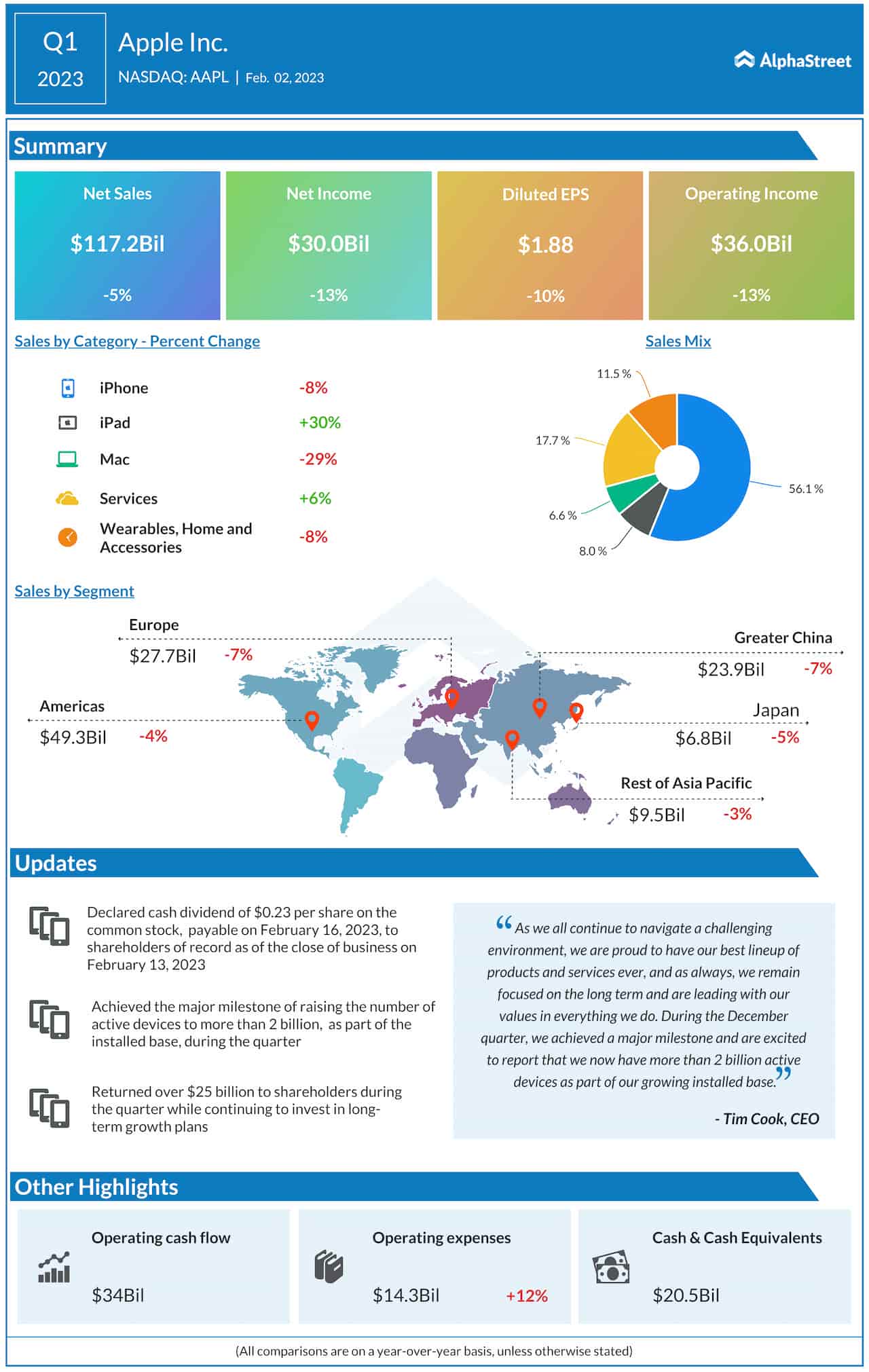
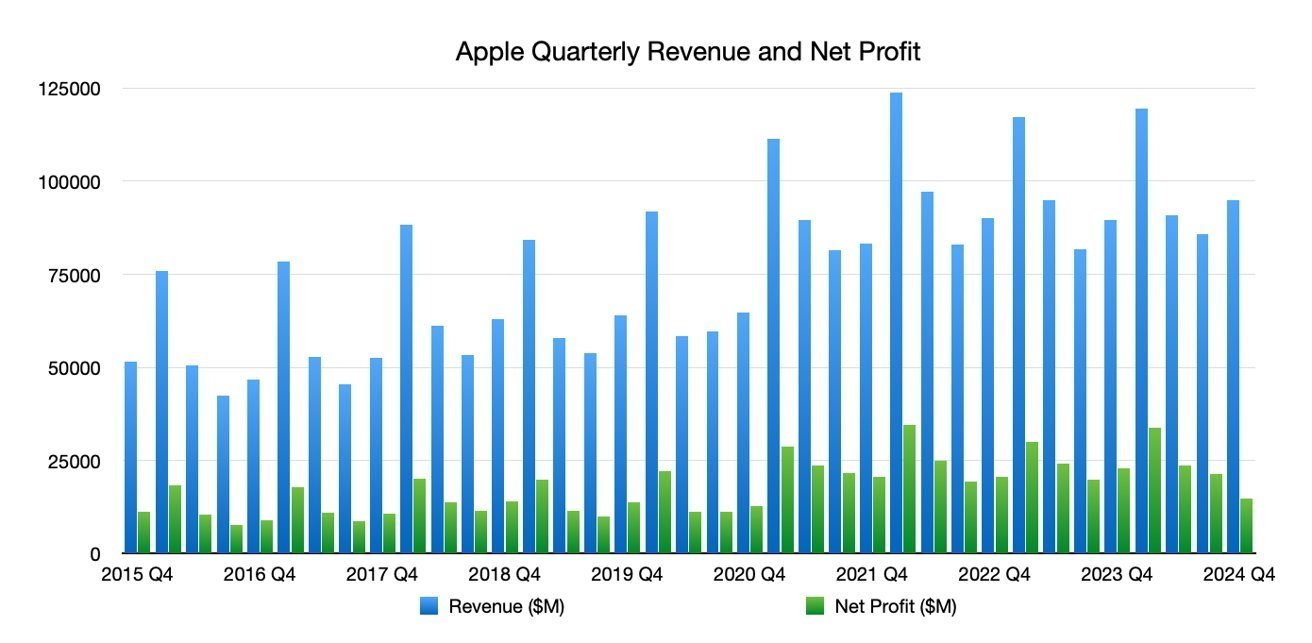
- First Quarter (Q1): Covers October, November, and December. This is historically Apple’s most profitable quarter, capturing iPhone launches and holiday sales. Results are typically released in late January.
- Second Quarter (Q2): Covers January, February, and March. This quarter reflects post-holiday normalization. Results are typically released in late April or early May.
- Third Quarter (Q3): Covers April, May, and June. Often considered the “slowest” period as consumers anticipate new fall releases. Results are typically released in late July.
- Fourth Quarter (Q4): Covers July, August, and September. This quarter includes back-to-school sales and the initial days of the new iPhone launch. Results are typically released in late October.
Fiscal Year vs. Calendar Year
Investors often get confused by the nomenclature. For example, when Apple reports results in October 2024, they are reporting their Fiscal Q4 2024 results. When they report in January 2025, they are reporting Fiscal Q1 2025. Keeping this distinction clear is vital for comparing Year-over-Year (YoY) performance and aligning Apple’s data with other companies that may use a standard January-to-December calendar.
Why Apple’s Earnings Reports Move the Global Market
Apple’s earnings calls are more than just a corporate update; they are a global economic event. Because of Apple’s massive market capitalization, a significant swing in its stock price can single-handedly lift or drag down the major stock market indices. This phenomenon is often referred to as the “Apple Effect.”
The “Apple Effect” on Tech Stocks
Apple sits at the center of a vast global supply chain. When Apple reports strong demand for the iPhone, it doesn’t just benefit AAPL shareholders. It provides a “halo effect” for chipmakers, glass manufacturers, and assembly partners. Conversely, if Apple reports a slowdown in consumer spending or supply chain bottlenecks, it can trigger a sell-off across the entire semiconductor and hardware sectors. For an investor, tracking Apple’s earnings is a way to perform a “pulse check” on the entire tech ecosystem.
Key Metrics Investors Watch
Beyond the headline “Earnings Per Share” (EPS) and “Revenue” figures, sophisticated investors look for specific indicators of long-term health:
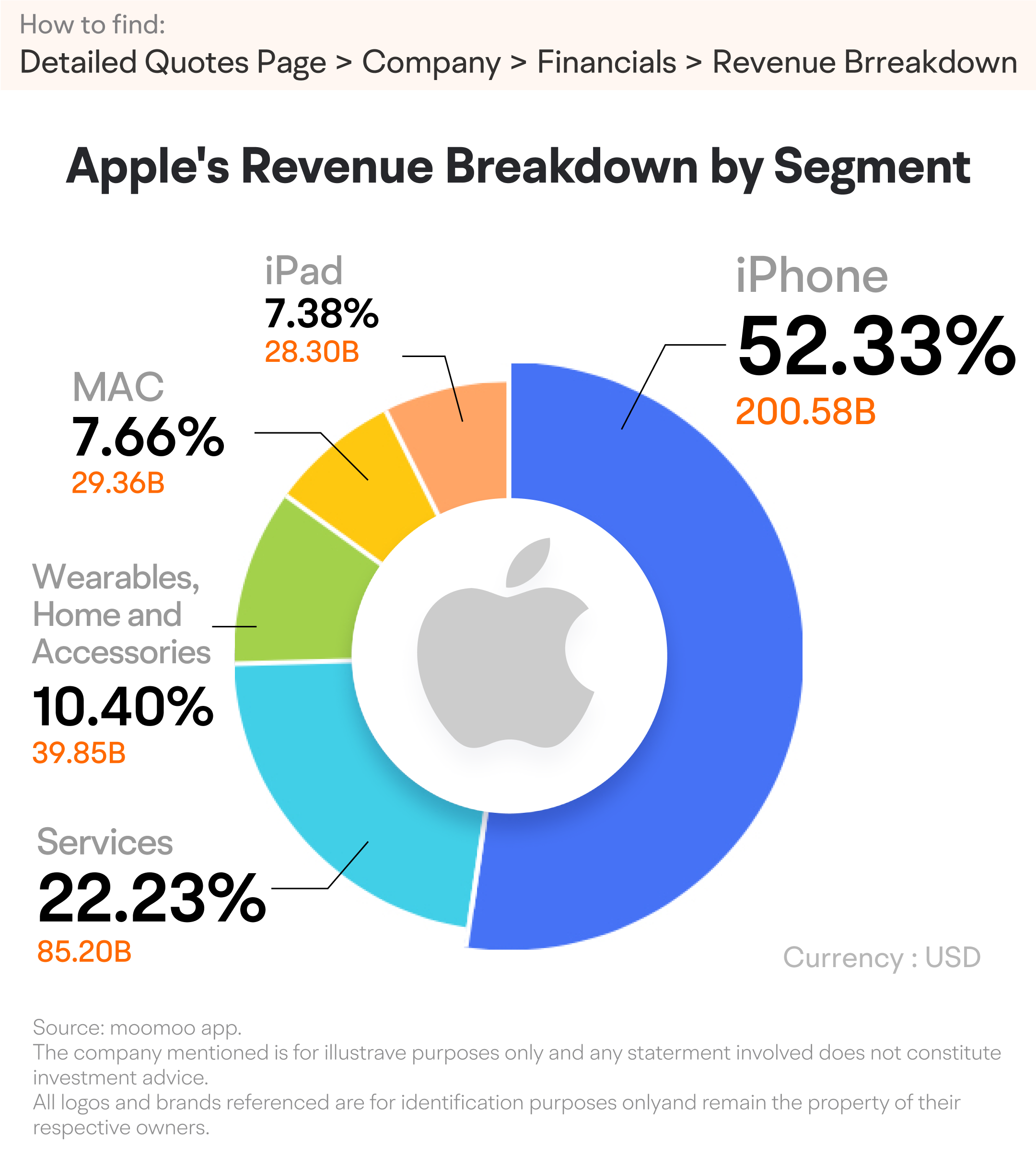
- iPhone Revenue: Despite diversification, the iPhone remains Apple’s primary engine. Investors look for unit growth and Average Selling Price (ASP).
- Services Growth: This includes the App Store, Apple Music, iCloud, and Apple Pay. Services offer higher margins and recurring revenue, which Wall Street rewards with higher valuation multiples.
- Gross Margin: This percentage tells investors how efficiently Apple is producing its goods. Even a 1% dip in gross margin can lead to billions of dollars in lost profit, signaling rising component costs or pricing pressure.
- Regional Performance: Specifically, growth in Greater China and emerging markets like India. These regions are the primary drivers of Apple’s future expansion.
How to Track and Predict Future Earnings Dates
Apple is a creature of habit. While they do not release a full year of earnings dates in advance, they follow a highly predictable pattern. By looking at historical data, an investor can usually narrow down an upcoming earnings date to a specific week with high accuracy.
Standard Release Windows and Days
Apple almost always reports its earnings on a Thursday. This allows the market to digest the news after the closing bell and provides the company with Friday to observe market reactions before the weekend. The announcements typically occur at 4:30 PM ET (1:30 PM PT), followed by a conference call with CEO Tim Cook and CFO Luca Maestri at 5:00 PM ET.
The typical windows for these announcements are:
- Q1 Results: The last Thursday of January.
- Q2 Results: The last Thursday of April or the first Thursday of May.
- Q3 Results: The last Thursday of July or the first Thursday of August.
- Q4 Results: The last Thursday of October.
Where to Find Official Announcements
To move from prediction to certainty, investors should monitor the Apple Investor Relations website (investor.apple.com). Apple typically issues a press release officially announcing the date and time of the upcoming earnings call approximately two to three weeks before the event. Financial news terminals and major brokerage apps also sync these dates into their calendars as soon as they are confirmed.
Strategies for Investing Around Earnings Calls
The volatility surrounding an earnings report presents both risks and opportunities. Prices can gap up or down significantly in after-hours trading, making it a “make or break” moment for short-term traders.
Long-term Holding vs. Short-term Trading
For long-term “buy and hold” investors, the specific date of an earnings report is less about timing a trade and more about fundamental verification. Does the company’s long-term thesis remain intact? If Apple continues to grow its services business and maintain high margins, a post-earnings dip might actually be a buying opportunity (the “buy the dip” strategy).
Short-term traders, however, often use options to play the volatility. They might use “straddles” or “strangles” to profit from a large move in either direction. However, this is high-risk; “implied volatility crush” (IV crush) can occur after the announcement, where the value of options drops even if the stock moves in the predicted direction, simply because the uncertainty has been resolved.
Mitigating Volatility Risks
If you are uncomfortable with the “earnings lottery,” the best strategy is often to do nothing or to trim a position before the report. Many professional money managers prefer to wait until after the earnings call to make a move. By waiting for the actual data and management’s commentary, they can make an informed decision based on facts rather than speculation. This approach sacrifices the potential “pop” in price but provides a much higher margin of safety.
The Role of Guidance and Analyst Estimates
Perhaps the most important part of the earnings report isn’t what happened in the past three months, but what the company expects to happen in the next three. This is known as “guidance.”
Reading Between the Lines of Management Commentary
In recent years, Apple has been more conservative with providing specific numerical guidance, often citing global economic uncertainty. Instead, they provide “directional insights.” When Tim Cook discusses “headwinds” or “tailwind,” he is signaling the company’s internal expectations for the coming quarter. Investors pay close attention to the CFO’s commentary regarding operating expenses and capital expenditures, as these dictate the net income and the capacity for stock buybacks.
The Impact of Institutional Expectations
Apple’s stock price often moves not based on whether they made a profit, but on whether that profit beat the “consensus estimate.” Wall Street analysts from firms like Goldman Sachs and Morgan Stanley publish their expectations weeks in advance.
If Apple reports record revenue but it is $100 million less than what the analysts expected, the stock may actually fall. This is the “beat and raise” phenomenon: for a stock to soar after earnings, a company usually needs to beat the past quarter’s estimates and raise their guidance for the future. For the disciplined investor, understanding this dynamic is key to staying calm when the headline says “Apple Profits Rise” but the stock price is flashing red.
In conclusion, knowing when Apple reports earnings is the first step in a broader strategy of financial literacy. By mastering the fiscal calendar, identifying the metrics that truly matter, and understanding the psychology of market expectations, you can transform a volatile news event into a structured opportunity for wealth building. Whether you are looking for a long-term compounder or a short-term tactical trade, Apple’s earnings remain the most vital heartbeat of the modern financial market.
aViewFromTheCave is a participant in the Amazon Services LLC Associates Program, an affiliate advertising program designed to provide a means for sites to earn advertising fees by advertising and linking to Amazon.com. Amazon, the Amazon logo, AmazonSupply, and the AmazonSupply logo are trademarks of Amazon.com, Inc. or its affiliates. As an Amazon Associate we earn affiliate commissions from qualifying purchases.