
In the evolving landscape of medical science, few fields have undergone a transformation as radical as prosthodontics. To the uninitiated, the term sounds purely clinical, but in the modern tech ecosystem, prosthodontics represents the pinnacle of “bio-engineering.” It is the specialized branch of dentistry focused on the design, manufacture, and fitting of artificial replacements for teeth and other parts of the mouth. However, to define it merely as “getting a crown” or “fitting dentures” is to ignore the massive technological infrastructure that now powers this discipline.
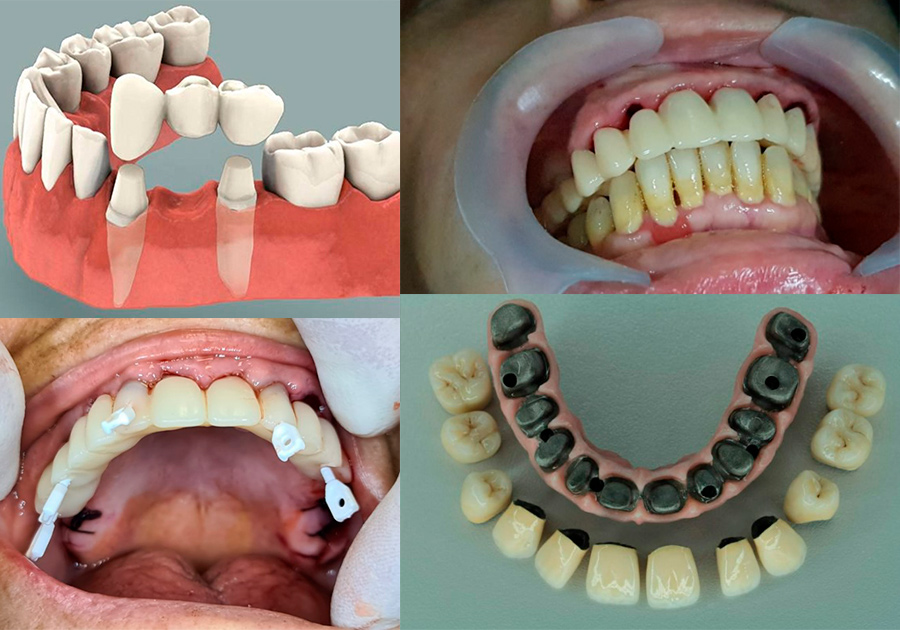
Today, prosthodontics is as much about software architecture and material science as it is about clinical medicine. From AI-driven smile design to 3D-printed biocompatible structures, the field has transitioned from a manual craft into a high-tech frontier. This article explores the technological core of modern prosthodontics, detailing the tools, software, and hardware that are redefining oral restoration.
Defining the Intersection of Oral Engineering and Modern Tech
Prosthodontics is effectively the “architectural” wing of dentistry. While a general dentist might handle maintenance, a prosthodontist manages complex “reconstruction” projects. In the current era, this reconstruction is executed through a digital-first workflow.
The Shift from Analog Craftsmanship to Digital Precision
For decades, prosthodontics relied on physical impressions—messy alginate molds that patients had to bite into. These were then sent to labs where technicians hand-carved wax models. Today, that process is being rendered obsolete by “Digital Dentistry.” The transition from analog to digital has reduced the margin of error from millimeters to microns. This shift is driven by the integration of high-resolution optical data and cloud-based collaboration between clinics and laboratories.
Understanding the Biomechanical Algorithms
The modern prosthodontist uses sophisticated software to calculate the “occlusal load”—the pressure applied when a patient bites down. This isn’t done by guesswork. Engineers and developers have created algorithmic models that simulate the stresses on different materials, such as zirconia or titanium. This data-driven approach ensures that a prosthetic tooth doesn’t just look real but functions as a biomechanical component of the human skull, capable of withstanding hundreds of pounds of pressure over decades.
Advanced Imaging and AI-Driven Diagnostics
The first step in any high-tech prosthodontic procedure is data acquisition. This is where the tech stack begins to resemble a high-end engineering lab rather than a traditional medical office.
Intraoral Scanners: Eliminating the Analog Impression
The cornerstone of the digital prosthodontic workflow is the intraoral scanner. These devices use structured light or laser technology to capture thousands of images per second, stiching them together to create a 3D “digital twin” of the patient’s mouth. These scanners (such as those from iTero or 3Shape) generate STL files—the same file format used in industrial CAD (Computer-Aided Design). This digital capture allows for an instantaneous transition into a virtual workspace where the restoration can be designed.
Machine Learning in Esthetic Analysis
Artificial Intelligence (AI) is now being integrated into diagnostic software to assist prosthodontists in “Smile Design.” By analyzing a database of millions of successful facial structures, AI can suggest the optimal tooth shape, length, and shade that would best complement a patient’s unique facial symmetry. This is not just a cosmetic tool; machine learning algorithms can also predict long-term outcomes by analyzing “wear patterns” in the digital models, identifying potential points of structural failure before the physical restoration is even manufactured.
CAD/CAM and 3D Printing: The Hardware of Restorative Tech

Once a digital model is perfected, the focus shifts from software to hardware. The manufacturing phase of prosthodontics is a masterclass in modern industrial tech, utilizing both subtractive and additive manufacturing techniques.
Computer-Aided Design and Manufacturing (CAD/CAM)
CAD/CAM technology has moved the laboratory into the dental office. Chairside milling machines are high-precision CNC (Computer Numerical Control) devices that can carve a crown or bridge out of a solid block of ceramic or zirconia in under 20 minutes. This technology utilizes multi-axis diamond burs to follow the exact coordinates specified in the CAD software. This has given rise to “same-day dentistry,” where the tech-enabled prosthodontist can scan, design, and mill a permanent restoration while the patient waits.
Additive Manufacturing and Biocompatible Materials
While milling is subtractive, 3D printing (additive manufacturing) is revolutionizing the production of surgical guides and temporary prosthetics. Using technologies like Stereolithography (SLA) or Digital Light Processing (DLP), prosthodontists can print highly accurate surgical templates that guide dental implants into the jawbone with sub-millimeter precision. Furthermore, the development of new biocompatible resins and “Smart Materials” means we are nearing a point where permanent, 3D-printed ceramic teeth will become the industry standard, offering even greater customization than traditional milling.
Virtual Reality and Tele-Prosthodontics
The digital transformation also extends to how patients interact with their treatment plans and how specialists collaborate across the globe.
Patient Education through VR and AR Simulations
One of the most significant challenges in prosthodontics is helping the patient visualize the final result. Virtual Reality (VR) and Augmented Reality (AR) are bridging this gap. Using AR headsets or tablet overlays, prosthodontists can project the proposed digital smile onto the patient’s live video feed. This “Try-on” technology allows the user to see how their new teeth will look from different angles and under different lighting conditions before any irreversible work begins.
Remote Monitoring and Digital Consultation Tools
Tele-prosthodontics is an emerging sub-sector within digital health. Through high-definition intraoral cameras and cloud-based patient portals, specialists can monitor the fit and wear of a prosthetic remotely. This is particularly useful for complex full-mouth reconstructions where the patient may be traveling. The data is uploaded to a secure cloud where the prosthodontist uses analysis software to check for shifts in the bite or signs of mechanical stress, ensuring the longevity of the high-tech hardware installed in the patient’s mouth.
The Future of Prosthodontics: Robotics and Neural Integration
As we look toward the next decade, the tech involved in prosthodontics is moving toward autonomous systems and deeper integration with human biology.
Robotic-Assisted Surgery for Dental Implants
The introduction of robotic systems like Yomi—the first FDA-cleared robot for dental implant surgery—marks a new era. These robots provide haptic feedback to the surgeon, ensuring that the drill follows the digital plan with absolute precision. This prevents damage to nerves or sinus cavities and ensures that the prosthetic tooth is placed in the mathematically perfect position for weight distribution.
Smart Prosthetics and Bio-Sensor Integration
The “Internet of Things” (IoT) is making its way into the mouth. Future prosthodontic research is focusing on “Smart Implants” equipped with micro-sensors. These sensors can monitor pH levels, detect the presence of harmful bacteria, or measure the amount of force the patient is applying during sleep (bruxism). This data can be transmitted to a smartphone app, alerting both the patient and the doctor to potential issues before they become clinical failures.
Conclusion: The Tech-Driven Standard of Care
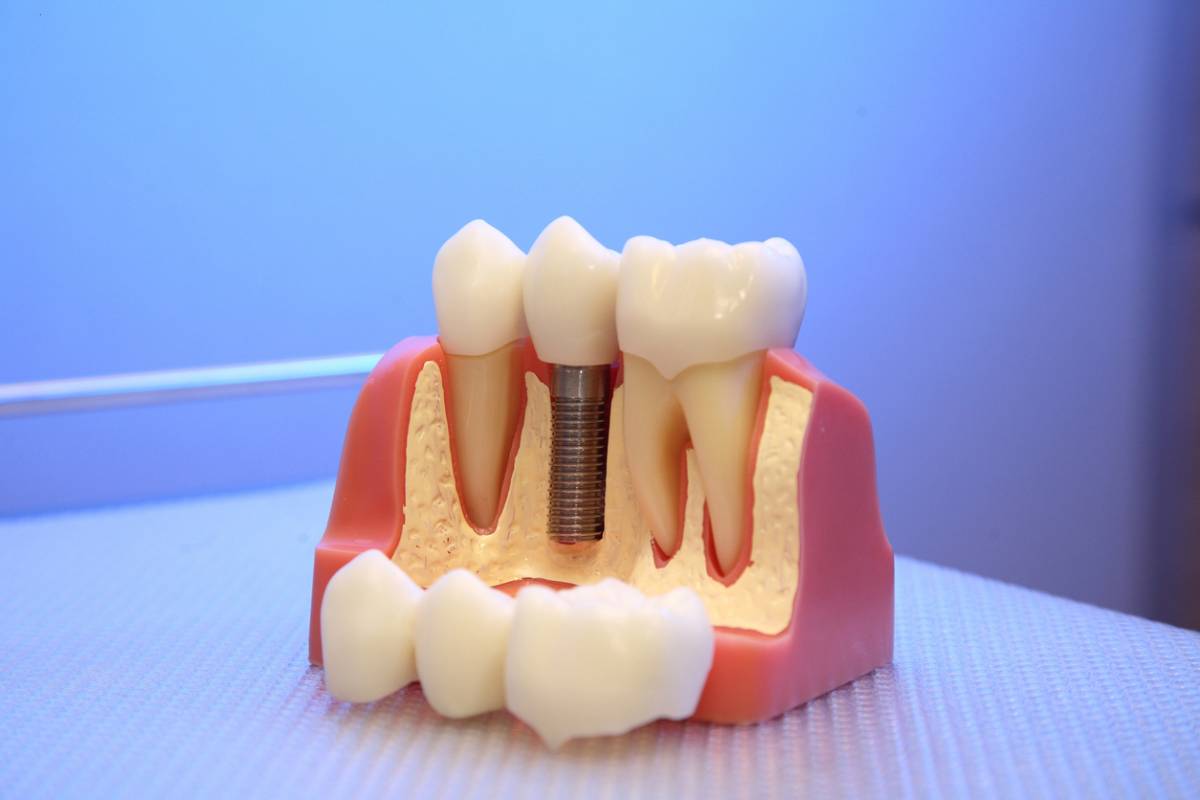
What are prosthodontics? In 2024 and beyond, they are the intersection of dental surgery, high-end software engineering, and advanced manufacturing. By leveraging AI, CAD/CAM, and robotic precision, prosthodontists are no longer just replacing teeth; they are installing highly engineered, bio-integrated tech components that restore human function and confidence. For the tech-savvy patient and the innovation-focused clinician, the mouth has become the latest platform for the digital revolution, proving that the future of medicine is built on a foundation of data and code.
aViewFromTheCave is a participant in the Amazon Services LLC Associates Program, an affiliate advertising program designed to provide a means for sites to earn advertising fees by advertising and linking to Amazon.com. Amazon, the Amazon logo, AmazonSupply, and the AmazonSupply logo are trademarks of Amazon.com, Inc. or its affiliates. As an Amazon Associate we earn affiliate commissions from qualifying purchases.