
Panty liners are a seemingly simple product, yet their presence in the feminine hygiene market speaks volumes about sophisticated branding, targeted marketing, and the creation of perceived needs. While their function is straightforward – to provide a discreet layer of protection – the journey from raw material to a staple in many consumers’ bathrooms is paved with deliberate brand strategies. This exploration delves into the world of panty liners from a branding lens, dissecting how companies have successfully established these items as indispensable components of modern feminine care. We will examine the evolution of their branding, the diverse product lines developed, and the marketing narratives that resonate with consumers, all contributing to a robust and consistently growing market.
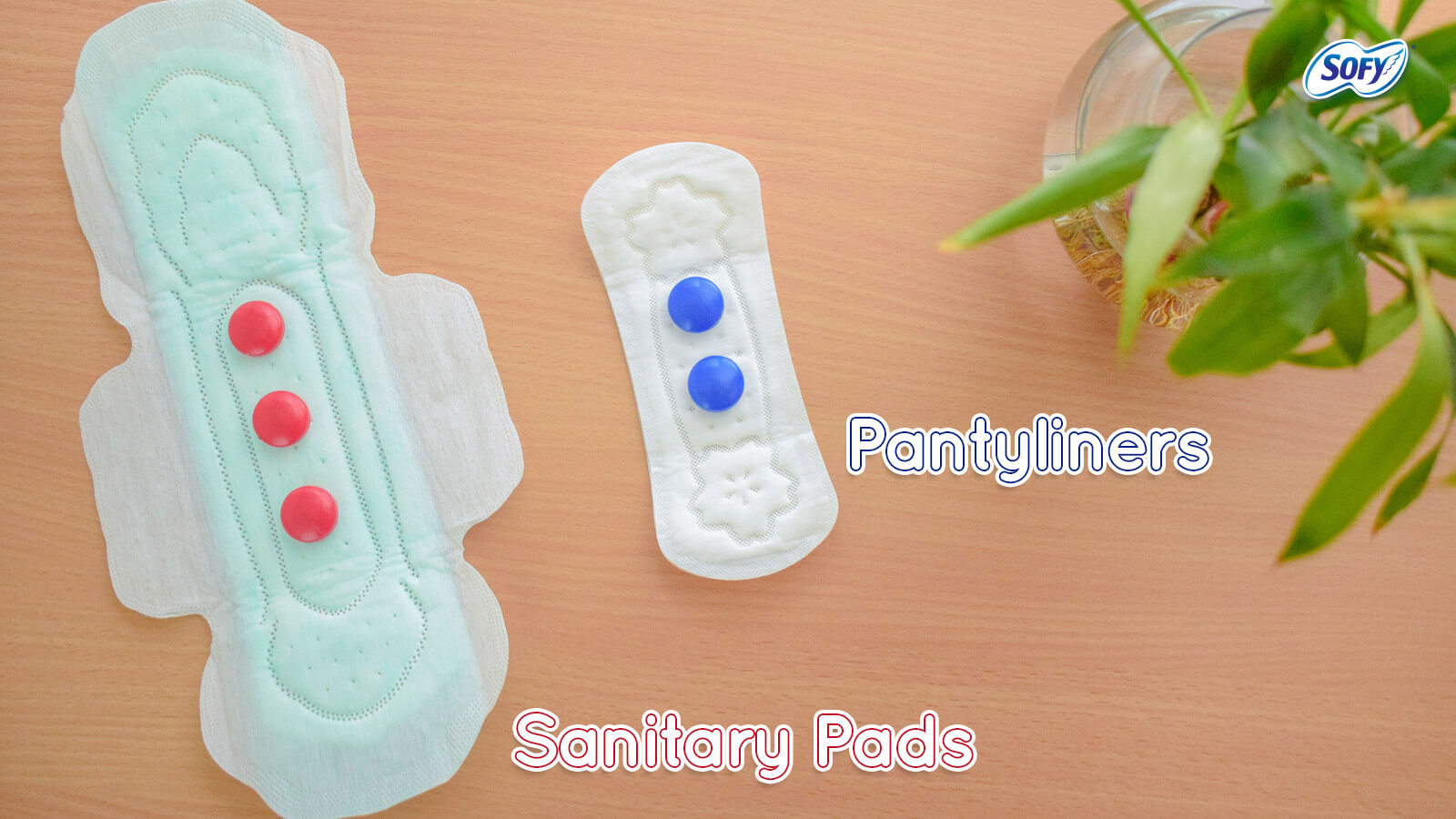
The Evolution of Panty Liner Branding: From Necessity to Lifestyle Enhancement
The initial conception and introduction of panty liners into the market were primarily driven by functional needs. However, over time, brands have masterfully shifted the perception of panty liners from a mere utility item to one that enhances comfort, confidence, and overall well-being. This evolution is a testament to effective brand storytelling and a deep understanding of consumer psychology.
Early Perceptions and Functional Positioning
In their nascent stages, panty liners were often marketed with a focus on practicality and discreet hygiene. The emphasis was on preventing minor leaks, managing light discharge, or providing an extra layer of security during menstruation. Brands then were less about aspirational lifestyles and more about providing a reliable solution to a common concern. The messaging was direct, often highlighting the absorbent qualities and the discreet fit. Packaging tended to be understated, reflecting the utilitarian nature of the product. This foundational approach established panty liners as a reliable, everyday essential, laying the groundwork for more sophisticated branding efforts to come. The initial brand promise was simple: cleanliness and comfort, delivered in a discreet manner.
The Rise of Confidence and Empowerment Narratives
As the feminine hygiene market matured, brands began to recognize the potential for panty liners to contribute to a consumer’s sense of confidence and empowerment. The narrative shifted from simply managing hygiene to actively enhancing a woman’s daily experience. Marketing campaigns started featuring women in various active scenarios – at work, during social events, or engaging in physical activities – implying that panty liners enable them to do so without worry. This repositioning tapped into a broader cultural conversation around female autonomy and self-assurance. Brands invested in sleek, modern packaging and aspirational imagery, associating their products with a feeling of freshness, readiness, and personal control. This was a crucial pivot, transforming a functional product into a lifestyle enhancer, thereby increasing its perceived value and desirability.
Diversification and Niche Branding
Recognizing that “one size fits all” doesn’t always resonate in a diverse consumer base, brands have increasingly diversified their panty liner offerings. This diversification is a strategic branding move, allowing companies to cater to specific needs, preferences, and even distinct consumer segments.
Tailoring to Specific Needs: Beyond Basic Protection
The market now boasts a wide array of panty liners designed for specific purposes. This includes ultra-thin liners for ultimate discretion, panty liners with odor control technology, those infused with natural ingredients or scents for a refreshing feel, and even liners specifically designed for period days to provide an extra layer of leak protection. This tailored approach allows brands to address a broader spectrum of consumer concerns, from those seeking maximum discretion to those prioritizing a more natural or spa-like experience. By segmenting the market and developing products for each segment, brands expand their reach and deepen customer loyalty.
Targeting Lifestyles and Demographics
Beyond functional needs, brands also employ demographic and lifestyle-based targeting. For instance, younger consumers might be drawn to brightly colored, playfully packaged liners that feel less clinical. Busy professionals might be attracted to liners that promise all-day freshness and comfort for long workdays. Brands might also develop lines catering to specific life stages, such as postpartum care or liners designed for specific types of underwear. This granular approach to branding ensures that the product resonates with specific consumer groups, fostering a stronger emotional connection and making the brand a more relevant choice in their daily lives.
Marketing Strategies: Crafting the Panty Liner Brand Identity
The success of panty liners in the market is not solely due to their functionality but also to the meticulous marketing strategies employed by brands. These strategies aim to build strong brand identities, create emotional connections with consumers, and drive purchasing decisions.
The Power of Subtle Messaging and Emotional Resonance
Panty liner marketing often relies on subtle messaging and evoking positive emotions rather than explicit or clinical descriptions. Campaigns frequently center around themes of confidence, preparedness, and a woman’s ability to navigate her day seamlessly. The visual language used is often aspirational, featuring healthy, happy, and active women. This approach avoids discomfort often associated with discussions of bodily functions and instead frames panty liners as enablers of a full and uninhibited life. The emotional resonance comes from associating the brand with feelings of security, freshness, and self-possession, making the product feel like an indispensable partner in a woman’s journey.
Influencer Marketing and Community Building
In recent years, brands have increasingly leveraged influencer marketing to connect with consumers, particularly younger demographics. Partnering with relatable social media personalities allows brands to showcase their products in authentic, everyday contexts. Influencers can share their personal experiences and demonstrate the benefits of panty liners in a way that feels organic and trustworthy. Beyond individual endorsements, some brands are also focusing on building online communities. These communities can serve as platforms for open discussions about feminine health, offer educational content, and foster a sense of shared experience among users. This community-building approach strengthens brand loyalty and positions the brand as a supportive resource, not just a product provider.
Packaging as a Silent Brand Ambassador
The design and packaging of panty liners play a critical role in their branding. Brands invest heavily in creating packaging that is not only functional and hygienic but also aesthetically pleasing and reflective of the brand’s identity. The color schemes, typography, and imagery used all communicate subtle messages to the consumer. For instance, softer pastel colors might convey gentleness and naturalness, while bolder designs might suggest modernity and innovation. The portability of the packaging is also a key consideration; individual wrappers are often designed to be discreet and easy to carry in a purse or pocket, reinforcing the product’s promise of convenience and preparedness. This attention to detail in packaging ensures that the product stands out on the shelf and communicates its brand values even before it’s opened.
The Competitive Landscape: Brand Differentiation in a Saturated Market
The feminine hygiene market is highly competitive, with numerous established brands and new entrants vying for consumer attention. In such a crowded space, differentiation is key to brand survival and growth. Brands are constantly innovating and refining their strategies to stand out.
Innovation in Materials and Functionality
A significant aspect of brand differentiation lies in product innovation. Companies invest heavily in research and development to create panty liners that offer superior comfort, absorbency, breathability, and discreetness. This includes exploring new materials, such as advanced absorbent cores and softer, more flexible top sheets. Technologies like improved odor-neutralizing agents or pH-balancing features are also employed to enhance product performance. Brands that can consistently deliver tangible improvements in functionality are better positioned to capture market share and build a reputation for quality.
Sustainable Branding and Ethical Considerations
In today’s environmentally conscious world, brands are increasingly recognizing the importance of sustainability. For panty liners, this can translate into using biodegradable or compostable materials, opting for recycled or recyclable packaging, and implementing ethical manufacturing practices. Brands that actively promote their commitment to sustainability can resonate with a growing segment of consumers who prioritize eco-friendly choices. Communicating these efforts clearly and authentically through marketing and on packaging can build trust and goodwill, differentiating them from competitors who may not have such a strong environmental focus. This ethical positioning can be a powerful driver of brand loyalty and a unique selling proposition.
Building Brand Loyalty Through Consistency and Trust
Ultimately, the long-term success of a panty liner brand hinges on building trust and fostering loyalty. This is achieved through consistent product quality, reliable performance, and transparent communication. Brands that can maintain a high standard of product excellence over time, while also adapting to evolving consumer needs and preferences, are more likely to retain their customer base. Building trust also involves being responsive to customer feedback and addressing any concerns promptly. In a market where consumers have many choices, a brand that consistently delivers on its promises and demonstrates a genuine understanding of its users’ needs will cultivate a loyal following that transcends mere transactional purchases.
In conclusion, panty liners, while often perceived as a simple commodity, are a powerful example of successful brand building within the feminine hygiene sector. Through strategic evolution of messaging, meticulous product diversification, insightful marketing campaigns, and a keen eye on competitive differentiation, brands have transformed this essential product into a symbol of comfort, confidence, and empowerment for millions of consumers worldwide.
aViewFromTheCave is a participant in the Amazon Services LLC Associates Program, an affiliate advertising program designed to provide a means for sites to earn advertising fees by advertising and linking to Amazon.com. Amazon, the Amazon logo, AmazonSupply, and the AmazonSupply logo are trademarks of Amazon.com, Inc. or its affiliates. As an Amazon Associate we earn affiliate commissions from qualifying purchases.