
Fairings on a motorcycle are more than just cosmetic additions; they are meticulously engineered components designed to interact with the airflow around the bike. While often perceived as purely aesthetic, their primary function is rooted in aerodynamic performance, influencing everything from fuel efficiency and rider comfort to stability and even speed. Understanding fairings requires delving into the physics of air resistance and how carefully shaped surfaces can manipulate these forces to the rider’s advantage.
The Aerodynamic Imperative: Beyond the Windshield
At its core, the motorcycle fairing is a shield against the relentless force of air. As a motorcycle accelerates, the air resistance acting upon it increases exponentially. This resistance, often referred to as drag, is a significant impediment to speed and efficiency. A rider on a naked bike, with minimal wind protection, experiences the full brunt of this air pressure, which can lead to fatigue, reduced top speed, and a noticeable drop in fuel economy. Fairings, in their various forms, are designed to mitigate these negative effects by channeling airflow around the rider and the motorcycle itself.
Understanding Aerodynamic Drag
Aerodynamic drag is comprised of several components, with pressure drag being the most significant for bluff bodies like motorcycles. As air encounters the front of the motorcycle and rider, it is forced to decelerate, creating areas of high pressure. As the air flows over and around the machine, it can also separate from the surfaces, creating turbulent wakes behind the bike. This turbulence represents wasted energy and contributes significantly to drag. Form drag, skin friction drag, and induced drag also play roles, but pressure drag is where fairings have their most profound impact.
The Role of Fairings in Reducing Drag
Fairings, by their very design, aim to smooth the airflow. They create a more streamlined profile, reducing the frontal area that air directly impacts and encouraging the air to flow more smoothly over and around the motorcycle. This smooth flow minimizes the areas of high pressure at the front and reduces the extent of flow separation at the rear, thereby significantly decreasing drag. The reduction in drag has a direct positive impact on performance. Less energy is wasted overcoming air resistance, allowing the engine to deliver more of its power to the wheels. This translates to higher potential top speeds, quicker acceleration, and, importantly, improved fuel efficiency.
Types of Fairings and Their Distinct Functions
The term “fairing” encompasses a broad range of designs, each tailored to specific motorcycle types and intended uses. From the sleek, full-coverage bodywork of sportbikes to the more minimalist screens found on cruisers, each design serves a unique purpose in managing airflow.
Full Fairings: The Pinnacle of Aerodynamic Design
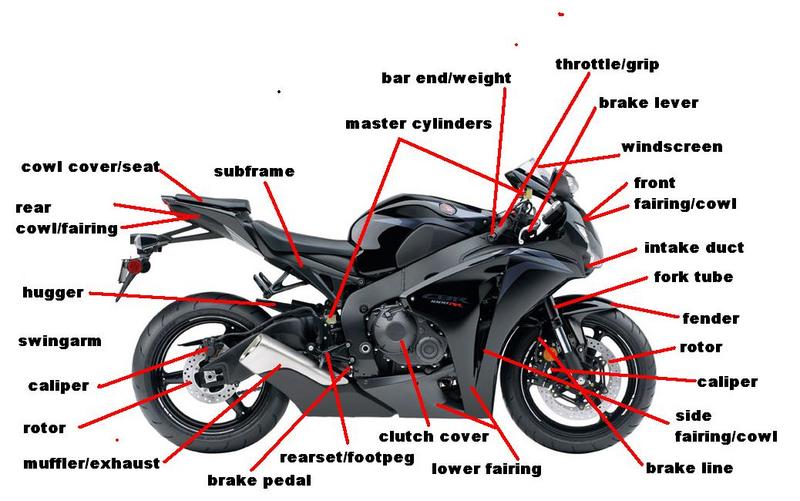
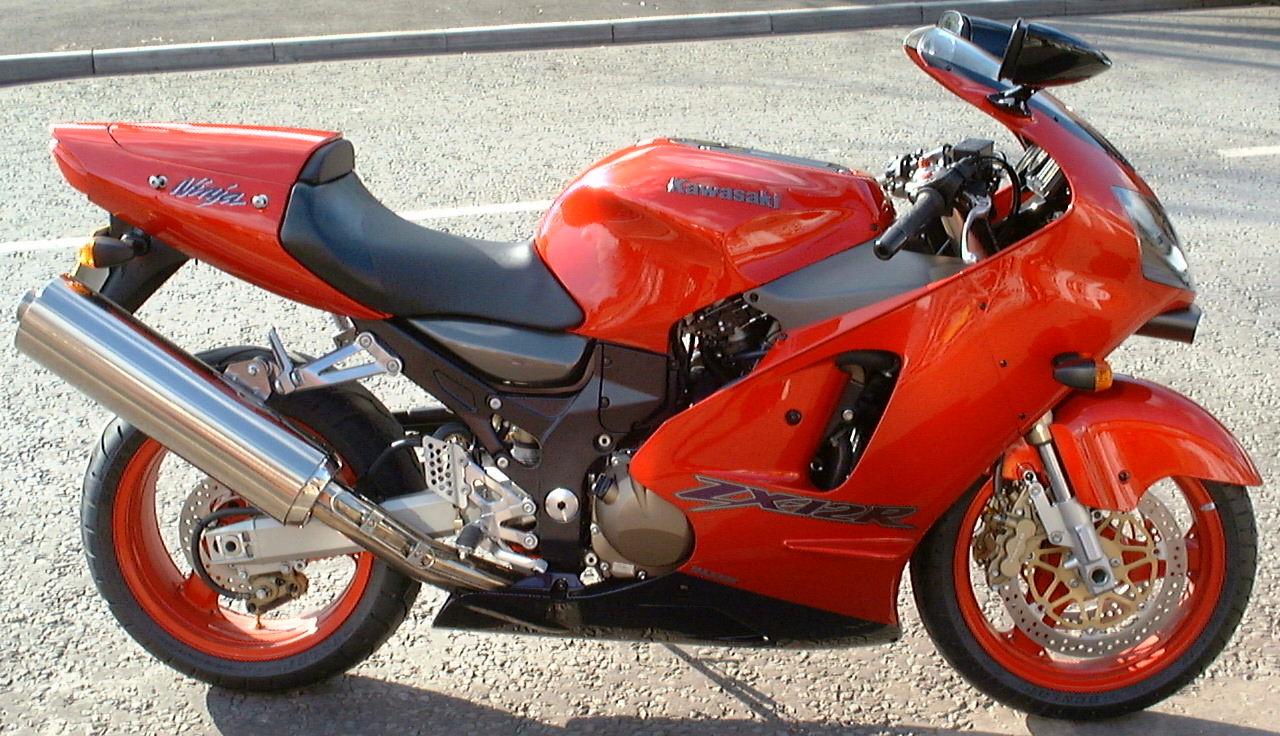
Full fairings are the most comprehensive type, typically extending from the front of the bike to the rear, often covering the engine, fuel tank, and even parts of the frame. These are most commonly found on sportbikes and touring motorcycles. Their primary goal is to maximize aerodynamic efficiency and rider protection from the elements.
Sportbike Fairings: Performance and Protection
On sportbikes, full fairings are designed to create an incredibly slippery profile, minimizing drag to achieve maximum speed. They are also crucial for rider protection, shielding the rider from wind blast at high speeds. The specific shaping of sportbike fairings often incorporates winglets or other aerodynamic appendages that can generate downforce, improving stability and grip during aggressive riding and cornering. The design is a delicate balance, ensuring airflow to critical components like radiators while still achieving optimal aerodynamic performance.
Touring Fairings: Comfort and Weather Protection
Touring fairings, while also offering significant wind protection, prioritize rider comfort and the ability to carry luggage. They are generally larger and more upright than sportbike fairings, providing a more relaxed riding position and shielding the rider from wind, rain, and debris. Many touring fairings incorporate adjustable windshields or vents, allowing riders to fine-tune airflow for different conditions and preferences. The goal here is to reduce rider fatigue over long distances, making extended journeys more enjoyable.
Half Fairings and Belly Pans: Targeted Aerodynamic Improvements
Beyond full fairings, there are other configurations that offer more localized aerodynamic benefits. Half fairings, often seen on naked bikes or smaller sportbikes, cover the upper portion of the motorcycle, primarily protecting the rider’s chest and head from wind. Belly pans, also known as undertrays, cover the underside of the engine and exhaust system.
Half Fairings: A Compromise for Style and Function
Half fairings represent a middle ground, offering a noticeable reduction in wind pressure on the rider without the full enclosure of a sportbike fairing. They can enhance the aesthetic of a motorcycle, often complementing the existing bodywork rather than completely transforming it. While they don’t offer the same level of protection as full fairings, they can significantly improve comfort on longer rides and at higher speeds by deflecting the bulk of the airflow away from the rider’s torso.
Belly Pans: Engine Cooling and Aerodynamic Smoothing
Belly pans serve a dual purpose. Aerodynamically, they smooth the airflow under the motorcycle, reducing turbulence and drag. They also contribute to a cleaner aesthetic, giving the bike a more finished look. Crucially, many belly pans are designed to aid in engine cooling by channeling air towards the engine block and oil cooler. Some performance-oriented belly pans may even incorporate scoops to direct more air for enhanced cooling during demanding riding conditions.
Minimalist Screens: The Quickest Fix for Rider Comfort
The simplest form of wind protection is the minimalist screen, often referred to as a flyscreen or a small windshield. These are typically found on café racers, cruisers, and some naked bikes. Their primary function is to deflect a small amount of wind blast away from the rider’s chest, providing a marginal but noticeable improvement in comfort.
Flyscreens: Subtle Wind Deflection and Classic Aesthetics
Flyscreens are more about style and a subtle aerodynamic tweak than dramatic wind reduction. They can break up the airflow directly hitting the rider’s chest, making higher speeds slightly more tolerable. For many, their appeal lies in their classic aesthetic, adding a touch of retro flair to a motorcycle. They are a popular aftermarket modification for riders seeking a touch of wind protection without altering the fundamental character of their bike.
Beyond Aerodynamics: Additional Benefits of Fairings
While aerodynamic improvement is the primary driver behind fairings, their presence on a motorcycle can offer a range of other advantages, impacting everything from rider comfort and protection to the overall perception and value of the machine.
Enhanced Rider Comfort and Reduced Fatigue
The reduction in wind pressure provided by fairings is perhaps the most palpable benefit for the rider. At highway speeds, the constant force of the wind can be exhausting, leading to fatigue in the arms, shoulders, and neck. By deflecting this air, fairings allow the rider to maintain a more relaxed posture, significantly reducing fatigue on longer journeys. This translates to a more enjoyable riding experience and the ability to cover greater distances with less strain.
Protection from the Elements and Debris
Fairings act as a physical barrier, shielding the rider from wind, rain, and road debris such as small stones and insects. This protection can make riding in less-than-ideal weather conditions more bearable and significantly reduces the risk of minor injuries or damage to the rider’s clothing and skin. For touring and commuting motorcycles, this weather protection is a critical feature that enhances usability year-round.
Improved Stability and Handling at Speed
While not always immediately apparent, the way a fairing interacts with airflow can positively influence a motorcycle’s stability. By streamlining the bike’s profile and potentially generating downforce, fairings can reduce the tendency for the front wheel to lift at high speeds or become unsettled by crosswinds. This enhanced stability contributes to a feeling of greater control and confidence for the rider, particularly when navigating open roads or at higher velocities.
Aesthetics and Brand Identity
Beyond their functional attributes, fairings play a significant role in a motorcycle’s overall appearance and design. They contribute to the bike’s visual identity, conveying its intended purpose and performance characteristics. A sleek, aggressive fairing on a sportbike immediately communicates speed and agility, while the robust, expansive fairings on a touring bike suggest comfort and long-distance capability. Manufacturers invest heavily in the design of fairings to create an appealing aesthetic that resonates with their target market, making them an integral part of a motorcycle’s brand identity.
The Material Science and Design Evolution of Fairings
The creation of effective motorcycle fairings involves a sophisticated interplay of material science and advanced design techniques. What were once rudimentary shields have evolved into complex aerodynamic devices crafted from high-tech materials.
From Metal to Modern Composites: Material Choices
Early motorcycles, if they had any form of wind deflection, often used simple metal shields. However, these were heavy and offered limited aerodynamic shaping. The advent of plastics, particularly ABS (Acrylonitrile Butadiene Styrene) and later fiberglass, revolutionized fairing design. These materials are lightweight, impact-resistant, and can be molded into complex aerodynamic shapes.
ABS Plastics: Durability and Cost-Effectiveness
ABS is a common choice for many mass-produced motorcycle fairings due to its good balance of strength, impact resistance, and affordability. It can be easily thermoformed and painted, making it suitable for a wide range of motorcycle models.
Fiberglass and Carbon Fiber: Performance and Weight Savings
For higher-performance motorcycles and aftermarket applications, fiberglass and carbon fiber composites are often preferred. Fiberglass offers good strength-to-weight ratios and is relatively easy to work with for custom applications. Carbon fiber, the pinnacle of lightweight strength, is used in racing and high-end sportbikes where every gram saved and every aerodynamic advantage counts. Its rigidity also contributes to precise aerodynamic performance.
Computational Fluid Dynamics (CFD) and Wind Tunnel Testing
Modern fairing design is heavily reliant on advanced simulation and testing techniques. Before a physical prototype is even built, designers utilize Computational Fluid Dynamics (CFD) software to model how air will flow around different shapes. This allows them to virtually test numerous designs and identify areas for improvement in drag reduction and lift management.
CFD Simulation: Virtual Aerodynamic Optimization
CFD allows engineers to visualize airflow patterns, pressure distributions, and turbulence around a motorcycle. By running simulations under various speed and angle conditions, designers can identify problematic areas where airflow separates or creates excessive drag. This iterative process helps to refine the shape of the fairing and optimize its aerodynamic performance long before it is manufactured.
Wind Tunnel Testing: Real-World Validation
While CFD is a powerful tool, real-world validation is essential. Physical prototypes of fairings are often tested in wind tunnels. These controlled environments allow engineers to measure drag forces, lift, and other aerodynamic parameters accurately. The data gathered from wind tunnel tests is used to further refine the design and ensure that the fairing performs as expected under actual riding conditions. This rigorous testing process ensures that fairings not only look good but also deliver tangible performance benefits.

Conclusion: The Integrated Role of Fairings in Motorcycle Design
Fairings are an integral part of a motorcycle’s overall design, a testament to the ongoing pursuit of efficiency, comfort, and performance. Far from being mere aesthetic embellishments, they are sophisticated aerodynamic devices that significantly impact a motorcycle’s behavior on the road. From the aggressive contours of a sportbike to the protective embrace of a touring machine, each fairing is a carefully considered component that merges form with function. Their evolution, driven by advancements in material science and sophisticated design tools, continues to push the boundaries of what’s possible in motorcycle engineering. As riders, understanding the role of fairings allows us to appreciate the intricate engineering that goes into creating these machines and the tangible benefits they provide, making every ride smoother, faster, and more enjoyable.
aViewFromTheCave is a participant in the Amazon Services LLC Associates Program, an affiliate advertising program designed to provide a means for sites to earn advertising fees by advertising and linking to Amazon.com. Amazon, the Amazon logo, AmazonSupply, and the AmazonSupply logo are trademarks of Amazon.com, Inc. or its affiliates. As an Amazon Associate we earn affiliate commissions from qualifying purchases.