
In the intricate tapestry of human relationships, few constructs carry the weight of societal significance, legal recognition, and personal commitment quite like marriage. While deeply personal, marriage also operates as a distinct “brand” – a formalized agreement that confers a specific set of rights, responsibilities, and perceptions upon the individuals involved. Understanding civil marriage, in particular, means dissecting its unique brand identity, its foundational elements, and its pervasive impact on individuals and society. Unlike religious ceremonies that often imbue marriage with spiritual connotations, civil marriage stands as a secular, legally recognized union, emphasizing its role as a contract and a public declaration of partnership.

The Core Brand Proposition: Legal Recognition and Societal Affirmation
At its heart, a civil marriage is the legal recognition of a union between two individuals by a government authority. This recognition is not merely ceremonial; it unlocks a comprehensive suite of legal protections and benefits, effectively creating a new legal entity – the married couple. This “brand” proposition is built upon a foundation of mutual commitment, shared responsibilities, and a formalized societal acknowledgment of their partnership.
Establishing the Legal Framework: Rights and Responsibilities
The primary value proposition of the civil marriage “brand” lies in its legally defined framework. Upon entering a civil marriage, individuals gain a spectrum of rights and assume a corresponding set of responsibilities that significantly alter their legal standing.
Access to Spousal Benefits
One of the most tangible benefits of civil marriage is access to a wide array of spousal benefits. These can include:
- Tax Advantages: Married couples often have access to more favorable tax filing statuses, allowing for potential deductions and credits that can reduce their overall tax burden. This is a significant financial component of the marriage “brand,” directly impacting household finances.
- Healthcare and Insurance: Spouses are typically eligible for inclusion on each other’s employer-sponsored health insurance plans. This provides crucial access to medical care and can significantly reduce out-of-pocket healthcare expenses. Life insurance policies also often designate spouses as primary beneficiaries.
- Social Security and Pension Benefits: In the event of a spouse’s death or retirement, the surviving or remaining spouse may be eligible for Social Security survivor benefits or pension payouts. These provisions offer a safety net and a form of financial security that is a key element of the marriage “brand’s” long-term value.
- Inheritance Rights: Civil marriage establishes clear inheritance rights. Upon the death of one spouse, the surviving spouse typically has a legal claim to a portion of the deceased’s estate, even without a will. This ensures a degree of financial continuity for the surviving partner.
- Decision-Making Authority: Legally married individuals often have the authority to make critical decisions for their spouse if they become incapacitated, such as medical treatment decisions or financial management. This demonstrates the profound level of trust and responsibility embedded within the marriage “brand.”
Legal Obligations and Commitments
Conversely, the civil marriage “brand” also entails significant legal obligations. These underscore the seriousness and permanence of the commitment:
- Financial Support: Both spouses have a legal obligation to financially support each other. This can manifest in various ways, including contributing to household expenses and providing for a spouse who is unable to do so independently.
- Marital Property Rights: Laws governing marital property vary by jurisdiction, but generally, assets and debts acquired during the marriage are considered jointly owned. This can impact how property is divided in cases of divorce or death.
- Testimonial Privilege: Spouses generally cannot be compelled to testify against each other in criminal proceedings, a protection designed to preserve marital harmony and privacy.
- Duty of Care and Fidelity: While not always explicitly codified in every legal statute, there is an inherent expectation of mutual care and fidelity within a civil marriage, influencing legal interpretations in cases of separation or dispute.
The Societal Affirmation: Public Recognition and Community Standing
Beyond the legal implications, civil marriage serves as a powerful form of societal affirmation. It is a public declaration that signals to the community, family, and friends that two individuals have chosen to build a life together, forming a recognized unit. This public aspect of the marriage “brand” influences how individuals are perceived and integrated within social structures.
Building a Family Unit
Historically and culturally, civil marriage is the primary recognized pathway for forming a family unit. It provides a stable and legally recognized foundation for raising children, with both parents having clearly defined legal rights and responsibilities. This contributes to the enduring appeal of the marriage “brand” as a cornerstone of societal stability and continuity.
Community Integration and Support Networks
A married couple is often seen as a cohesive unit within a community. This can facilitate stronger social connections, access to support networks, and participation in community life. The “brand” of a married couple can engender a sense of trust and reliability within their social circles.
Cultural and Traditional Significance
While civil marriage is secular, it often intersects with and is influenced by deeply ingrained cultural and traditional understandings of partnership and commitment. The legal framework often adapts to or reflects societal expectations, further solidifying its brand identity as a respected and enduring institution.
The Branding Evolution: Adapting to Changing Societal Norms
The “brand” of civil marriage has not remained static. Like any enduring brand, it has evolved and adapted to changing societal norms, legal precedents, and a deeper understanding of human relationships. The most significant evolution in recent history has been the expansion of marriage equality.
Marriage Equality: Broadening the Brand’s Appeal
The struggle for and eventual achievement of marriage equality in many parts of the world has fundamentally redefined the civil marriage “brand.” It has moved from a historically heteronormative construct to a more inclusive and equitable institution.
Legal and Social Inclusivity
The recognition of same-sex marriages has broadened the scope of who can participate in this legally and socially sanctioned union. This evolution has been driven by a growing societal understanding of equality, human rights, and the fundamental desire for love and commitment to be recognized and protected. The “brand” has become more representative of the diverse spectrum of human relationships.
Impact on Family Structures
The inclusion of same-sex couples in civil marriage has further diversified family structures, affirming that love, commitment, and the desire to build a life together are not exclusive to any particular gender combination. This has reinforced the marriage “brand’s” core message of partnership and mutual support, regardless of the individuals involved.
Shifting Perceptions of Commitment and Partnership
Beyond legal recognition, societal perceptions of commitment and partnership within marriage have also undergone a transformation. The “brand” is increasingly understood not just as a legal contract but as a dynamic and evolving partnership based on mutual respect, shared goals, and ongoing communication.
Emphasis on Partnership Over Patriarchy
Modern understandings of civil marriage often emphasize a more egalitarian partnership, moving away from traditional patriarchal models. This involves shared decision-making, equitable division of labor, and mutual support for individual aspirations. The “brand” now often signifies a team effort rather than a hierarchical structure.
Individual Autonomy Within the Union
While marriage signifies unity, there is also a greater recognition of the importance of individual autonomy within the union. The “brand” now often implies a partnership where both individuals can pursue personal growth, careers, and interests, supported by their spouse.
The Process of Entering the Civil Marriage Brand
While the essence of civil marriage is its legal and societal recognition, the process of “branding” oneself as a married couple involves specific procedural steps. These are the gateways to accessing the rights and responsibilities associated with this significant partnership.
Obtaining the Marriage License: The Application of the Brand
The initial step in formalizing a civil marriage is obtaining a marriage license from the relevant government authority. This license is essentially an application for the “brand” of civil marriage.
Eligibility Requirements
To qualify for a marriage license, couples must meet specific eligibility criteria, which typically include:
- Age: Both individuals must be of legal age to marry, often 18 years old, or have parental/guardian consent if younger.
- Relationship Prohibitions: Most jurisdictions have laws prohibiting marriage between close relatives (e.g., siblings, parents and children).
- Marital Status: Individuals must be legally single, meaning they are not currently married to another person. Proof of divorce or annulment from previous marriages is often required.
- Mental Capacity: Both individuals must have the mental capacity to understand the nature of marriage and consent to it.
Waiting Periods and Fees
Jurisdictions may impose waiting periods between applying for the license and the actual ceremony, intended to allow for reflection and prevent impulsive unions. There are also typically fees associated with obtaining a marriage license, which contribute to the administrative costs of the legal system that underpins the marriage “brand.”
The Marriage Ceremony: The Public Affirmation of the Brand
Once the license is secured, the marriage ceremony serves as the public affirmation and official conferral of the civil marriage “brand.” This ceremony can take various forms, but it must adhere to legal requirements to be valid.
Legal Requirements for a Valid Ceremony
To be legally binding, a civil marriage ceremony typically requires:
- An Authorized Officiant: The ceremony must be performed by a person legally authorized to solemnize marriages, such as a judge, justice of the peace, or a minister of a recognized religious denomination (in some jurisdictions, religious officiants also act as civil registrars).
- Witnesses: Most jurisdictions require the presence of at least one, and often two, witnesses who can attest to the ceremony and the couple’s intent.
- Declaration of Intent: Both individuals must clearly and unambiguously declare their intent to marry each other.
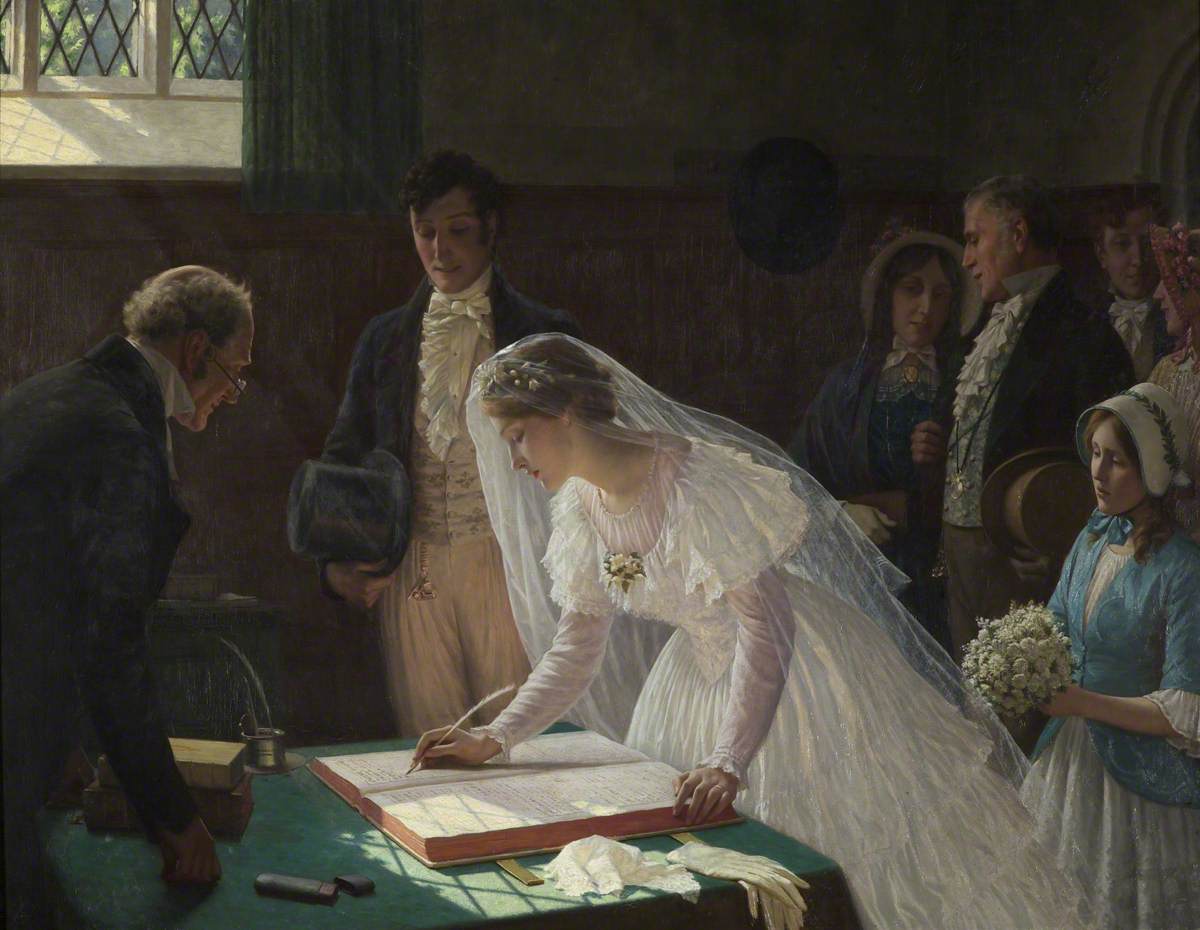
- Signing of the License: After the ceremony, the couple, the officiant, and the witnesses typically sign the marriage license, making it a legally binding document.
Variations in Ceremony Style
While the core legal requirements are consistent, the style and setting of a civil marriage ceremony can vary immensely. Some couples opt for simple courthouse ceremonies, while others prefer more elaborate events that incorporate personal touches, readings, or vows. Regardless of the style, the fundamental purpose remains the public declaration and legal establishment of the marriage “brand.”

Conclusion: The Enduring Brand of Civil Marriage
Civil marriage, at its core, is a powerful and enduring “brand” that signifies legal recognition, societal affirmation, and a profound commitment between two individuals. It provides a robust framework of rights and responsibilities, offering tangible benefits ranging from tax advantages and healthcare access to inheritance rights and decision-making authority. This “brand” has evolved significantly, embracing inclusivity through marriage equality and adapting to modern understandings of partnership based on mutual respect and autonomy. While the procedural steps of obtaining a license and participating in a ceremony are essential to activating this brand, the true value lies in the deeply intertwined legal, social, and personal dimensions it represents. Understanding civil marriage is to understand a fundamental building block of societal structure, a testament to enduring human connection, and a continuously relevant legal and social construct.
aViewFromTheCave is a participant in the Amazon Services LLC Associates Program, an affiliate advertising program designed to provide a means for sites to earn advertising fees by advertising and linking to Amazon.com. Amazon, the Amazon logo, AmazonSupply, and the AmazonSupply logo are trademarks of Amazon.com, Inc. or its affiliates. As an Amazon Associate we earn affiliate commissions from qualifying purchases.