
Brogues, a term that conjures images of classic style and refined craftsmanship, represent far more than just a type of shoe. They are a testament to a rich sartorial history, a versatile addition to any wardrobe, and a symbol of enduring fashion. Defined by their distinctive decorative perforations, known as broguing, these shoes have transitioned from practical workwear to a cornerstone of sophisticated dressing for both men and women. Understanding the nuances of brogues – their origins, variations, and styling – is key to appreciating their significance and leveraging their inherent elegance.

The Genesis and Evolution of Broguing
The story of brogues is intrinsically linked to the practical needs of those who worked the land, particularly in the rugged terrains of Ireland and Scotland. The perforations that define brogues were not born out of a desire for ornamentation, but rather for utility.
From Fieldwork to Fashion: The Humble Beginnings
The word “brogue” itself is believed to originate from the Gaelic word “bróg,” meaning shoe. The earliest forms of brogues were simple, often made from untanned leather, and were designed to be functional and comfortable for farmers and shepherds. The key innovation was the decorative punching of holes across the shoe’s panels. These holes served a crucial purpose: they allowed water and moisture to drain out, preventing the leather from becoming waterlogged and heavy, and helping the shoes dry more quickly. This was an essential feature for individuals who spent long hours working outdoors in damp conditions.
The initial brogues were rudimentary, with perforations often occurring along the edges of the leather pieces and across the toe cap. As the centuries progressed and manufacturing techniques evolved, so too did the design and craftsmanship of brogues. What began as a practical necessity gradually transitioned into a fashion statement, moving from rural fields into the more formal settings of towns and cities.
The Rise of the Oxford Brogue and its Formalization
The journey from rustic footwear to a symbol of sartorial refinement truly began in the late 19th and early 20th centuries. As industrialization progressed and societal norms shifted, so did the perception and application of different shoe styles. The brogue, in its increasingly sophisticated forms, started to appear in more formal contexts.
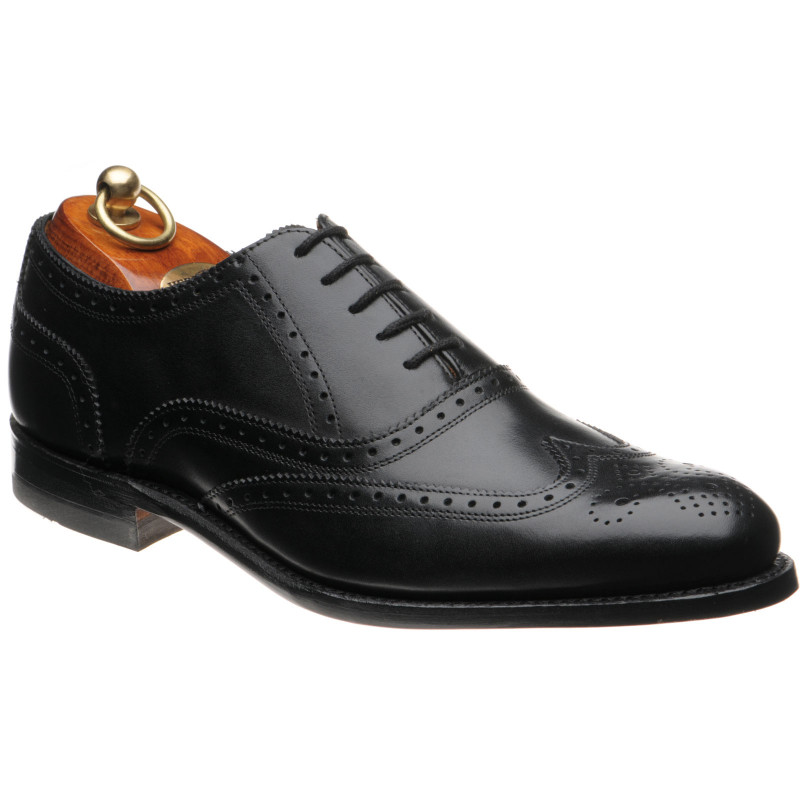
A pivotal moment in this evolution was the adaptation of broguing onto more structured shoe silhouettes, most notably the Oxford. The Oxford shoe, characterized by its closed lacing system (where the eyelet flaps are sewn under the vamp), offered a more elegant foundation for the decorative broguing. This combination, the Oxford brogue, became a staple in the wardrobes of gentlemen who sought to balance formality with a touch of personality. The perforations, once a practical drainage system, now became a deliberate design element, adding visual interest and texture to the shoe’s surface. This hybridization marked a significant step in the brogue’s ascent into the realm of high fashion and formal wear.
Deciphering the Diverse Dialects of Brogues
The term “brogue” encompasses a family of shoes, each distinguished by the placement and extent of its broguing. Understanding these variations is crucial for selecting the right pair for any occasion. The classification is primarily based on the pattern and coverage of the perforations.
Full Brogues (Wingtips): The Statement Makers
Full brogues, perhaps the most recognizable type, are characterized by a prominent “W” shaped tip that extends along the shoe’s sides, resembling wings. This “wingtip” is the defining feature, and it’s further adorned with a decorative punch pattern. The toe cap itself features a central medallion, a circular or decorative punched design. The perforation patterns typically run along the edges of the wingtip, the toe cap, and sometimes extend along the quarter (the part of the shoe that encloses the heel).
Full brogues, often referred to as “wingtips” in the United States, are considered the most decorative and least formal of the brogue family, despite their widespread adoption in business settings. They are versatile and can add a touch of personality to a suit, but they are also perfectly suited for smart-casual ensembles. The boldness of the wingtip design makes them a more eye-catching choice.
Semi-Brogues (Half-Brogues): The Balanced Approach
Semi-brogues, also known as half-brogues, strike a sophisticated balance between the formality of a plain-toed shoe and the ornamentation of a full brogue. The defining characteristic of a semi-brogue is the perforation across the toe cap, typically in a straight line, rather than the distinctive wingtip. The broguing along the edges of the shoe, where the different leather pieces are joined, is also present, but it doesn’t extend as far down the sides as in a full brogue.
The semi-brogue is a highly versatile option, often considered a bridge between business and formal wear. It offers a touch of decorative flair without being overtly ostentatious. This makes it an excellent choice for a variety of occasions, from business meetings to social gatherings and even some semi-formal events. Their adaptability has cemented their status as a wardrobe essential.

Quarter-Brogues: Subtle Sophistication
Quarter-brogues are the most understated members of the brogue family. Their broguing is generally confined to the seams and edges of the shoe. The toe cap remains unadorned with any decorative perforations, and there is no wingtip. The broguing is typically found along the welts and the edges of the quarters, offering a subtle hint of decoration.
Due to their minimal ornamentation, quarter-brogues lean towards the more formal end of the spectrum. They can be worn with suits and are a refined choice for business attire where a touch of subtle detail is desired. They offer a sophisticated alternative to a plain cap-toe shoe, providing a bit more visual interest without compromising on formality.
Longwing Brogues: An American Classic
A distinct variation, particularly popular in American style, is the longwing brogue. Unlike the traditional wingtip which stops at the eyelets or slightly beyond, the wingtip on a longwing brogue extends all the way to the heel of the shoe. This creates a continuous wing that runs the full length of the shoe, giving it a unique and often more casual aesthetic compared to other brogue types.
Longwings are typically found on blucher or derby shoe constructions (where the lacing eyelets are on the outside of the vamp, creating an open lacing system). This open lacing, combined with the extensive broguing, generally positions longwings as a more casual option, well-suited for weekend wear, chinos, and less formal business attire.
Mastering the Art of Styling Brogues
The enduring appeal of brogues lies not only in their craftsmanship but also in their remarkable versatility. They can elevate a casual outfit or add a refined touch to formal attire, making them a foundational element of a well-rounded wardrobe. The key to styling brogues effectively lies in understanding their inherent formality and the occasion for which you are dressing.
Formal and Business Attire: The Polished Professional
For formal events and business environments, the more restrained brogues tend to be the preferred choice. Quarter-brogues and semi-brogues, particularly in classic colors like black, dark brown, or oxblood, are excellent companions to suits.
- Suits: A well-polished pair of black semi-brogues or quarter-brogues is a classic pairing with a navy, charcoal, or black suit. For slightly less formal business suits or when opting for brown tones, dark brown or oxblood brogues can be equally effective. The perforations add a subtle textural element that complements the fabric of the suit without overpowering it.
- Trousers and Blazers: In a business-casual setting, semi-brogues or even full brogues in lighter shades of brown or tan can be paired with wool trousers, chinos, and blazers. The broguing can introduce a touch of personality and visual interest to these ensembles.
- The Importance of Shine: For formal and business settings, maintaining a high shine on your brogues is paramount. A well-polished shoe speaks volumes about attention to detail and professionalism.
Smart Casual and Weekend Wear: Embracing Versatility
Brogues truly shine in their ability to transition into more relaxed settings, offering a sophisticated yet approachable aesthetic. This is where the full brogue and longwing brogue often come into their own.
- Chinos and Jeans: Chinos are a natural partner for brogues, especially in shades of brown, tan, or even lighter colors. Full brogues or longwings in rich brown or tan hues can add a touch of polish to a simple chino and button-down shirt combination. Dark wash denim, when worn without excessive distressing, can also be effectively paired with semi-brogues or full brogues, creating a stylish smart-casual look. It’s important to ensure the denim is well-fitting and not overly casual.
- Tweed and Corduroy: For autumnal and winter wardrobes, brogues in richer, darker tones pair beautifully with tweed jackets, corduroy trousers, and even thicker wool blends. The texture of the broguing complements the textures of these fabrics, creating a cohesive and stylish look.
- Casual Shirts and Sweaters: When opting for a more relaxed feel, pair your brogues with casual shirts, fine-knit sweaters, or even stylish polo shirts. The brogues will elevate the ensemble, preventing it from looking too sloppy.
- Color Choices: Beyond the traditional browns and blacks, brogues are available in a wider array of colors. Lighter tans, burgundy, navy, and even bolder colors can be incorporated into casual outfits to make a style statement.
Considerations for Women’s Brogues
While brogues have historically been a menswear staple, they have been embraced by women’s fashion with equal enthusiasm. Women’s brogues often feature a more refined silhouette, sometimes with a slightly lower heel or a more delicate proportion. They offer the same versatility, pairing well with:
- Trousers and Jeans: Similar to men’s styling, women’s brogues look excellent with tailored trousers, cropped pants, and even well-fitting jeans.
- Skirts and Dresses: Brogues can add a charmingly masculine edge to feminine skirts and dresses, creating a modern and fashion-forward contrast. Think of pairing them with A-line skirts, midi dresses, or even tailored pencil skirts.
- Suits: For a powerful and stylish look, women’s brogues can be worn with skirt suits or pant suits, offering a sophisticated and contemporary alternative to traditional heels.
Ultimately, the power of brogues lies in their ability to adapt. By understanding the different types and considering the context of the occasion, anyone can confidently incorporate these timeless shoes into their personal style, adding a touch of heritage, craftsmanship, and undeniable elegance to their footwear collection.
aViewFromTheCave is a participant in the Amazon Services LLC Associates Program, an affiliate advertising program designed to provide a means for sites to earn advertising fees by advertising and linking to Amazon.com. Amazon, the Amazon logo, AmazonSupply, and the AmazonSupply logo are trademarks of Amazon.com, Inc. or its affiliates. As an Amazon Associate we earn affiliate commissions from qualifying purchases.