
In the contemporary marketplace, where consumer attention is the most valuable currency, the difference between a brand that thrives and one that fades into obscurity often comes down to perception. While marketing and advertising focus on “pay-to-play” visibility, the realm of the publicist is far more nuanced. A publicist is not merely a middleman between a company and a journalist; they are the strategic architects of reputation and the primary guardians of brand equity. To understand what a publicist does is to understand the intricate mechanics of Brand Strategy, Corporate Identity, and the art of earned media.
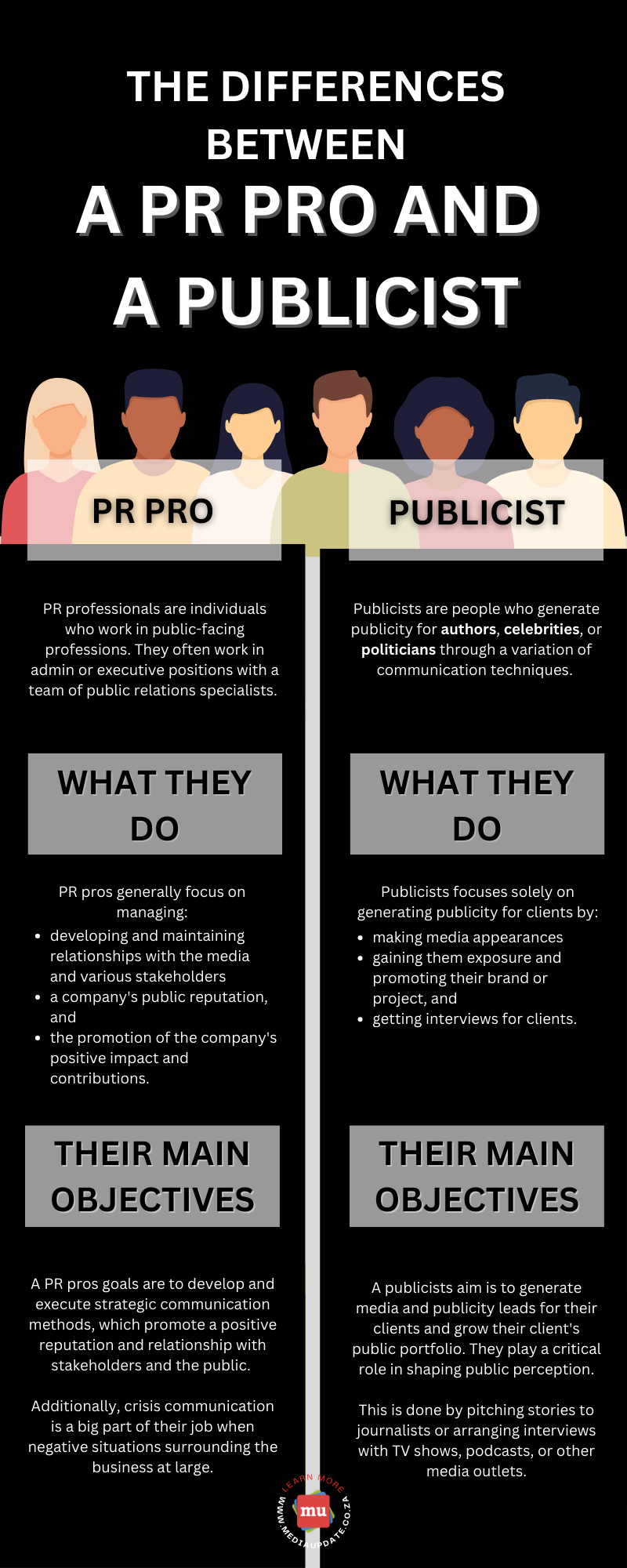
The Architect of Reputation: Defining the Publicist’s Role in Brand Strategy
At its core, a publicist’s job is to manage the public’s perception of a brand, individual, or organization. Unlike advertising, which involves purchasing space to deliver a controlled message, publicity focuses on “earned media.” This is the process of gaining organic coverage and recognition through third-party outlets, which carries a much higher level of credibility and trust.
Managing Public Perception and Trust
A publicist acts as a bridge between the brand’s internal identity and its external image. In brand strategy, trust is the foundation of loyalty. Consumers are increasingly skeptical of traditional advertisements, often viewing them as biased or intrusive. However, when a reputable news outlet, a respected industry analyst, or a trusted influencer speaks positively about a brand, that endorsement acts as a powerful “social proof.” The publicist is the professional who engineers these moments, ensuring that the brand’s values and mission are communicated authentically to the public.
Bridging the Gap Between Brand and Audience
Effective branding requires a deep understanding of the target demographic. A publicist does not just broadcast messages into a void; they tailor narratives to resonate with specific audiences. They analyze where their target audience “lives”—whether that is a specific digital publication, a high-authority podcast, or a major television network—and they craft strategies to place the brand in those spaces. By doing so, they ensure that the brand remains relevant and top-of-mind for the people who matter most to its growth.
Strategic Storytelling and Media Relations
The most potent tool in a publicist’s arsenal is the power of a story. In the world of branding, products and services are often commodities, but stories are unique. A publicist identifies the “hook”—the compelling narrative element that makes a brand noteworthy—and pitches that story to the media.
Crafting Compelling Narratives
Every brand has a story, but not every story is news. A publicist works with brand leaders to extract the most interesting angles of their journey. This might involve highlighting a brand’s innovative approach to sustainability, a founder’s “rags-to-riches” background, or a corporate shift that disrupts an entire industry. By framing the brand within a larger cultural or economic context, the publicist makes the brand part of the public conversation. This narrative-driven approach is essential for building a “Brand Persona” that consumers can relate to on an emotional level.
Navigating the Modern Media Ecosystem
The traditional media landscape has undergone a radical transformation. While newspapers and television remain influential, the rise of digital media, social platforms, and “micro-influencers” has created a more fragmented environment. A modern publicist must be an expert in this new ecosystem. They maintain a vast network of relationships with journalists, editors, and digital creators. Their goal is to position the brand in a way that provides value to the media outlet. By providing exclusive interviews, high-quality data, or expert commentary, the publicist ensures that the brand is cited as an authority, thereby reinforcing its corporate identity as a leader in its field.
Crisis Management and Brand Protection

If branding is about building a reputation, crisis management is about defending it. No brand is immune to controversy, whether it’s a product recall, a social media blunder, or a corporate scandal. In these moments, the publicist becomes the most critical member of the brand strategy team.
Mitigating Risks to Corporate Identity
When a crisis hits, silence is rarely an option. A publicist is responsible for “damage control,” which involves rapid response communication to mitigate negative impact. They draft official statements, prepare executives for press conferences, and coordinate with legal teams to ensure that the brand’s message is consistent and transparent. The goal is to control the narrative before it is hijacked by rumors or misinformation. A well-handled crisis can actually strengthen a brand’s reputation by demonstrating accountability and integrity—qualities that are essential to a strong corporate identity.
The Art of the Pivot
Sometimes, a publicist’s job is to help a brand pivot away from a negative association or a stagnant image. This involves a long-term strategy of “rebranding” through publicity. By strategically highlighting new initiatives, philanthropic efforts, or leadership changes, a publicist can shift public focus toward positive developments. This proactive approach ensures that the brand’s identity remains dynamic and resilient, capable of evolving with changing market sentiments and consumer expectations.
Elevating Personal Branding and Executive Visibility
In the modern era, the faces behind the brand are often as important as the brand itself. Personal branding has become a cornerstone of corporate strategy, and publicists play a pivotal role in elevating key personnel into the limelight.
Positioning Key Personnel as Thought Leaders
A publicist works to establish CEOs, founders, and subject matter experts as “thought leaders.” This is achieved by securing guest columns in major publications, booking appearances on industry-leading podcasts, and facilitating invitations to speak at high-profile conferences. When an executive is viewed as an expert, that authority naturally rubs off on the company they lead. This synergy between personal branding and corporate branding creates a “halo effect,” making the company appear more innovative, reliable, and visionary.
Securing High-Impact Speaking Engagements and Awards
Part of a publicist’s role is to identify opportunities for “third-party validation.” This includes submitting the brand or its executives for prestigious industry awards and securing keynote speaking slots. These accolades serve as badges of honor that differentiate the brand from its competitors. In the competitive world of brand strategy, being an “award-winning” company or having a “Top 100 Influential Leader” at the helm provides a significant psychological advantage in the eyes of consumers and investors alike.
Measuring the Impact of Publicity on Brand Equity
A common misconception is that the work of a publicist is “intangible.” However, in a professional branding context, the results of publicity are measurable and have a direct impact on the brand’s bottom line.
Quantitative vs. Qualitative Results
Publicists use various metrics to track the success of their efforts. Quantitative metrics include “Reach” (how many people saw the story), “Impressions” (how many times the story was viewed), and “Share of Voice” (how much of the conversation the brand owns compared to its competitors). Qualitatively, publicists look at “Sentiment Analysis”—whether the coverage was positive, neutral, or negative. By analyzing these data points, a publicist can refine the brand strategy to ensure it is hitting the right notes with the target audience.

Long-term Growth and Brand Loyalty
The ultimate goal of a publicist is to contribute to long-term brand equity. Unlike a short-term marketing campaign that might drive a spike in sales, publicity builds a reservoir of goodwill. This “reputational capital” makes it easier for a brand to launch new products, enter new markets, and survive economic downturns. By consistently keeping the brand in the public eye through positive, authentic, and strategic storytelling, a publicist ensures that the brand becomes a permanent fixture in the cultural landscape.
In conclusion, what a publicist does goes far beyond making “noise.” They are the strategic partners who shape the soul of a brand. Through a combination of storytelling, media relations, crisis management, and personal branding, they build the credibility and trust that are the hallmarks of any world-class organization. In an age where everyone has a megaphone, the publicist is the one who ensures that the brand’s voice is the one that is truly heard, understood, and respected.
aViewFromTheCave is a participant in the Amazon Services LLC Associates Program, an affiliate advertising program designed to provide a means for sites to earn advertising fees by advertising and linking to Amazon.com. Amazon, the Amazon logo, AmazonSupply, and the AmazonSupply logo are trademarks of Amazon.com, Inc. or its affiliates. As an Amazon Associate we earn affiliate commissions from qualifying purchases.