
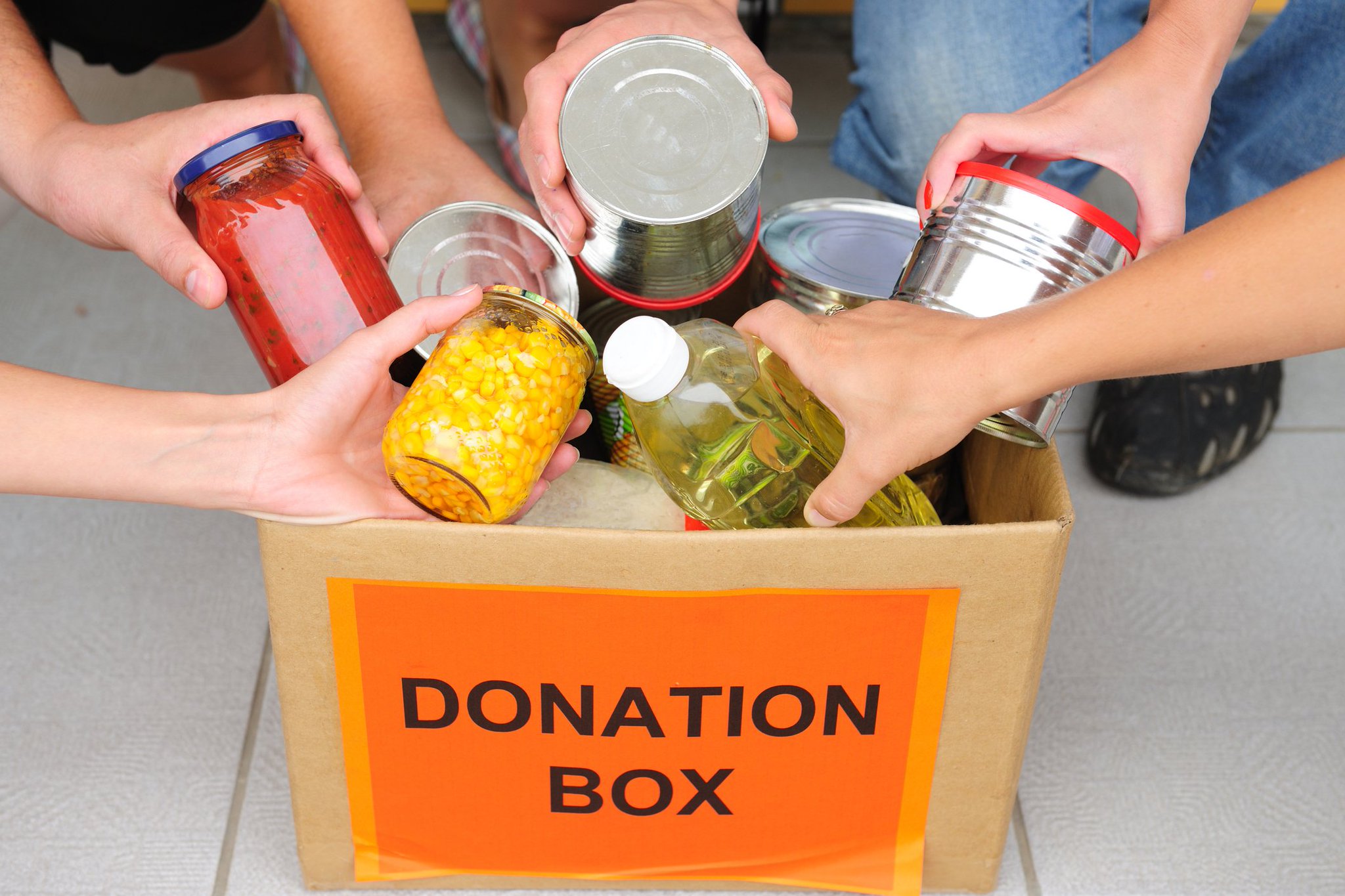
The traditional image of food donation—dropping a few dusty cans into a cardboard box at a local grocery store—is undergoing a radical digital transformation. As global food insecurity rises alongside staggering levels of food waste, the question of “where can I donate food” is no longer answered by a physical map, but by a sophisticated ecosystem of software, mobile applications, and logistical AI. For the tech-savvy philanthropist and the enterprise looking to optimize its social impact, technology has become the bridge between surplus and necessity.
In this deep dive, we explore the technological frameworks that have revolutionized food recovery. From hyper-local peer-to-peer sharing apps to enterprise-grade SaaS platforms that manage cold-chain logistics, the digital frontier is making it easier, faster, and more transparent to ensure that surplus food reaches those who need it most.
1. The Proliferation of Food Recovery Apps and Peer-to-Peer Networks
The most immediate answer to “where can I donate food” lies in the palm of your hand. The “Share Economy” has extended beyond ride-sharing and vacation rentals into the realm of resource recovery. Mobile applications have removed the friction of physical distance and lack of information, creating real-time marketplaces for surplus food.
The Architecture of Hyper-Local Sharing
Apps like OLIO and Too Good To Go have pioneered the “hyper-local” model. These platforms use GPS-based geolocation to connect individuals and local businesses with neighbors who can utilize surplus items. From a technical perspective, these apps rely on robust real-time database management to ensure that a listing for a loaf of bread or a surplus catering tray is visible only while the item is fresh.
By utilizing push notifications and geofencing, these platforms alert users when a donation is available within a specific radius. This reduces the carbon footprint of the donation process and eliminates the need for centralized warehouses, which are often the biggest bottleneck in traditional food banking.
B2B Food Rescue Platforms
For restaurants, hotels, and corporate cafeterias, the “where” is often dictated by specialized B2B software. Platforms such as Copia and FoodConnect have developed sophisticated logistics software that allows businesses to schedule pickups with a few taps. These platforms utilize complex routing algorithms—similar to those used by major courier services—to match the donor with the nearest available driver and recipient agency.
The software doesn’t just facilitate the physical handoff; it provides a data-rich dashboard for the donor. These dashboards track the weight of the food, the nutritional value, and the environmental impact (such as CO2 emissions diverted), providing a high-tech solution for Corporate Social Responsibility (CSR) reporting.
Crowdsourced Resource Mapping
For those who prefer to donate to established institutions, tech-driven mapping tools have replaced static directories. Websites and apps integrated with Google Maps API now provide real-time data on food pantry hours, current inventory needs, and even “urgency levels.” By leveraging crowdsourced data, these platforms ensure that donors don’t arrive at a facility that is already overwhelmed with bread but desperately needs protein or infant formula.
2. AI and Predictive Analytics: Moving from Reactive to Proactive Donation
The primary challenge in food donation is perishability. Technology is solving this through Artificial Intelligence (AI) and Machine Learning (ML), which allow organizations to predict when surplus will occur and where it will be needed most before the food even nears its expiration date.
Inventory Management and Waste Prediction
In the retail sector, AI-powered inventory management systems are the first line of defense against food waste. Software like Afresh or Wasteless uses ML algorithms to analyze purchasing patterns, weather forecasts, and local events to optimize stock levels. When these systems identify an inevitable surplus, they can automatically trigger a “donation alert” to local food banks.
This automated integration removes the human error of forgetting to donate items until they are past their prime. By syncing the grocery store’s Point of Sale (POS) system with a food bank’s intake software, the “where can I donate” question is answered automatically by the software itself.
Logistical Optimization Algorithms
Logistics is the most expensive part of food recovery. AI is being used to solve the “last mile” delivery problem. Through route optimization software, food recovery organizations can minimize fuel consumption and time-in-transit. These algorithms take into account traffic patterns, vehicle capacity, and the specific storage requirements (like refrigeration) of the food being moved.
Furthermore, predictive analytics can help food banks anticipate “surges” in demand. By analyzing economic indicators or seasonal trends, these systems can prompt donors to provide specific types of food in advance of a shortage, ensuring a balanced supply chain of donated goods.
Smart Labels and IoT Monitoring
The Internet of Things (IoT) is playing a crucial role in food safety during the donation process. Smart sensors and RFID tags can monitor the temperature and humidity of food during transit. For a donor asking “where can I safely donate perishables,” IoT provides the answer by ensuring a verifiable digital “paper trail” of the cold chain. If a pallet of milk fluctuates in temperature during transport, the system can automatically flag it, preventing unsafe food from reaching recipients and protecting the donor from liability.
3. Digital Security, Transparency, and Blockchain in Food Philanthropy
As food donation moves into the digital realm, concerns regarding data security and transparency have become paramount. Donors and recipients alike need to know that their information is protected and that the food is reaching its intended destination.
Securing Donor and Recipient Data
Food donation apps often handle sensitive information, including the locations of vulnerable populations and the financial data of corporate donors. Implementing high-level encryption and adhering to data protection regulations (like GDPR or CCPA) is essential. Modern food-tech platforms are increasingly adopting decentralized identity solutions to protect the privacy of those receiving aid, ensuring that the dignity of the recipient is maintained in the digital space.
Blockchain for Traceability
Transparency is a significant motivator for high-value donors. Blockchain technology is being utilized to create immutable ledgers of food donations. By recording every step of a donation’s journey on a blockchain—from the moment a restaurant logs a surplus to the moment a community center receives it—donors can see the direct impact of their contribution.
This “Track and Trace” capability is particularly useful for large-scale corporate donors who need to verify the integrity of their supply chain for tax purposes and stakeholder reports. It answers “where did my food go?” with absolute certainty, eliminating the “black hole” of traditional charitable giving where items are often lost in disorganized warehouses.
Digital Verification of Non-Profit Status
To prevent fraud, donation platforms now use API integrations with government databases (such as the IRS in the United States) to instantly verify the 501(c)(3) status of a recipient organization. This automated vetting process ensures that food is only going to legitimate, high-impact organizations, giving donors peace of mind that their digital contributions are being handled professionally.
4. The Future of Food Donation: Toward a Fully Integrated Ecosystem
The next evolution of “where can I donate food” involves a shift from isolated apps to a fully integrated digital ecosystem. We are moving toward a world where the hardware in our kitchens and the software in our cities work in harmony to eliminate hunger.
Smart Kitchens and Consumer Tech
In the near future, smart refrigerators equipped with computer vision will be able to identify items nearing their expiration dates. These appliances could potentially suggest recipes or, with a single command, list the item on a local donation network. For the individual donor, the question of “where to donate” will be replaced by an automated suggestion from their smart home hub, which will have already calculated the most efficient drop-off point based on the user’s daily commute.
Autonomous Delivery and Drones
One of the biggest barriers to food donation in rural or underserved areas is the lack of transportation. Tech companies are currently piloting autonomous delivery robots and drones to facilitate small-scale food transfers. In “food deserts” where traditional food banks are scarce, a drone could potentially deliver a “rescue package” of fresh produce directly to a recipient’s doorstep, guided by a sophisticated GPS and obstacle-avoidance AI.
Digital Currencies and Tokenized Giving
We may also see the rise of “food tokens”—digital assets that represent a specific caloric or nutritional value. Donors could purchase these tokens, which are then distributed via mobile wallets to those in need. Recipients can “spend” these tokens at participating local vendors or food banks. This digitizes the “donation” of food into a flexible, tech-driven currency that empowers the recipient and supports the local economy.
Conclusion: A Tech-Driven Mandate for Change
The question “where can I donate food” has evolved from a simple logistical inquiry into a complex technological opportunity. Through the use of mobile platforms, AI-driven logistics, and secure data frameworks, we have the tools to turn global surplus into a precisely managed resource.
For the modern professional and the forward-thinking organization, engaging with these technologies is not just about charity; it is about participating in a sophisticated digital transformation that prioritizes efficiency, transparency, and impact. As software continues to eat the world, it is ironically becoming the most powerful tool we have to ensure that the world is fed. By leveraging these digital solutions, we can move closer to a future where food waste is a relic of the past and food security is a programmed reality.
aViewFromTheCave is a participant in the Amazon Services LLC Associates Program, an affiliate advertising program designed to provide a means for sites to earn advertising fees by advertising and linking to Amazon.com. Amazon, the Amazon logo, AmazonSupply, and the AmazonSupply logo are trademarks of Amazon.com, Inc. or its affiliates. As an Amazon Associate we earn affiliate commissions from qualifying purchases.