
The Jazz Age, a term famously coined by F. Scott Fitzgerald, was far more than just a musical genre; it was a vibrant, transformative period in American history. Spanning roughly from the end of World War I in 1918 to the beginning of the Great Depression in 1929, this era witnessed an unprecedented explosion of cultural, social, and economic change. It was a time of rebellion against Victorian norms, a fervent embrace of modernity, and a period that laid the groundwork for many of the technological advancements and societal shifts that continue to shape our world today. While often romanticized through flapper dresses and speakeasies, the true essence of the Jazz Age lies in its profound impact on American identity and its enduring legacy in shaping the trajectory of innovation and consumerism.
The Roaring Twenties: A Cultural Revolution
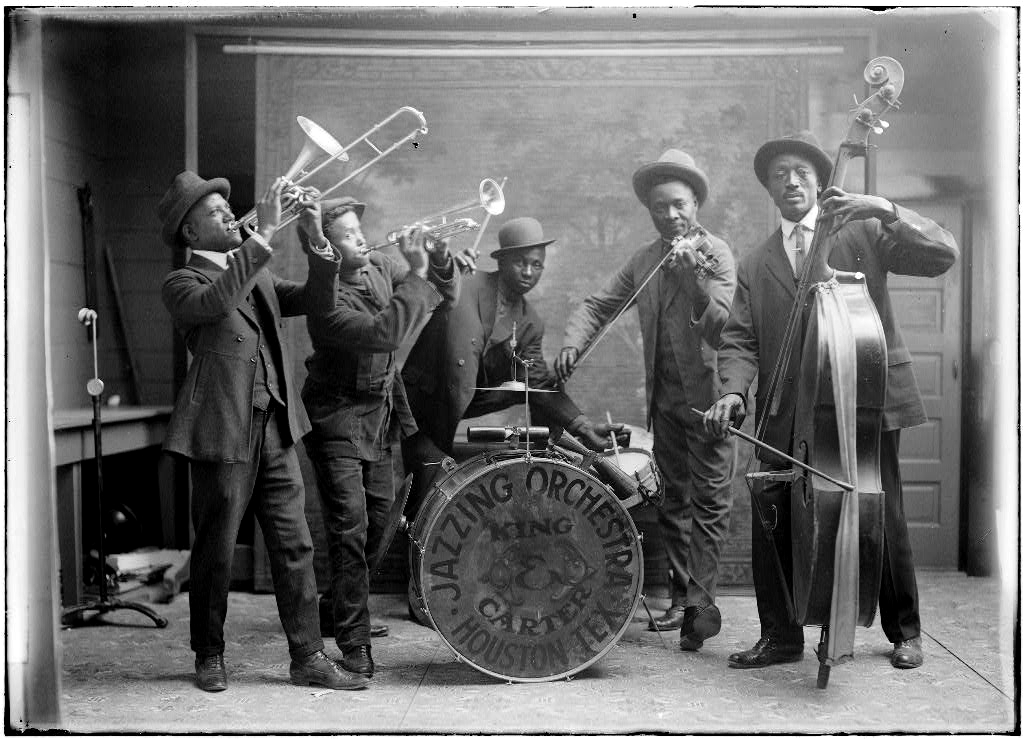
The Jazz Age was characterized by a palpable sense of liberation and a dramatic departure from the more conservative values of the preceding era. This cultural revolution was fueled by a variety of interconnected factors, including the aftermath of a global conflict that had shaken established orders and the burgeoning influence of new technologies that facilitated communication and entertainment. The music itself, jazz, with its improvisational spirit and energetic rhythms, became the soundtrack to this new era, mirroring the dynamism and spontaneity that permeated society.
The Birth of Modernity and its Technological Catalysts
The technological landscape of the 1920s was undergoing a rapid metamorphosis. Innovations that had been nascent or in their developmental stages were now becoming accessible to the wider public, profoundly altering daily life and fostering new forms of expression and consumption. This technological advancement was not merely about new gadgets; it was about the democratization of previously exclusive experiences and the creation of entirely new industries.
The Ubiquitous Radio: Connecting a Nation
Perhaps the most significant technological development of the Jazz Age was the widespread adoption of the radio. Initially a novelty, radio quickly transformed into the primary medium for mass communication and entertainment. Families gathered around their wireless sets to listen to news broadcasts, dramas, comedy shows, and, most importantly, live jazz performances from across the country. This shared experience fostered a sense of national identity and introduced diverse cultural influences into homes that were previously isolated. For advertisers and businesses, the radio offered an unprecedented platform to reach millions of potential consumers, ushering in a new era of mass marketing and brand building. The ability to transmit music and spoken word instantaneously across vast distances was a technological marvel that redefined how people consumed information and entertainment.
The Automobile: Redefining Mobility and Leisure
The proliferation of the automobile, made more affordable by mass production techniques pioneered by Henry Ford, was another defining technological characteristic of the Jazz Age. Cars were no longer solely the domain of the wealthy. They granted unprecedented freedom and mobility to the middle class, enabling weekend getaways, road trips, and a greater ability to explore beyond immediate neighborhoods. This newfound mobility had a ripple effect on various industries. Gas stations, repair shops, and roadside diners emerged, creating new economic opportunities. Furthermore, the automobile facilitated the growth of suburbanization and a more leisured lifestyle, influencing everything from fashion to social habits. The car became a symbol of status, independence, and the American dream, a tangible representation of technological progress.
The Dawn of Cinema: Visual Storytelling and Mass Appeal
The silent film era, and the subsequent introduction of “talkies” towards the end of the decade, represented a monumental leap in visual storytelling and mass entertainment. Cinema halls, or “picture palaces,” became vibrant social hubs, offering escapism and a shared cultural experience. From Hollywood’s burgeoning studio system to independent producers, filmmakers crafted narratives that reflected the anxieties, aspirations, and changing social dynamics of the time. The visual medium allowed for the dissemination of fashion trends, lifestyles, and even political ideas to an enormous audience, shaping public perception and consumer desires in ways previously unimaginable. The technology behind film production and projection was rapidly evolving, making movies more accessible and impactful.
The Economic Boom: Consumerism and the Rise of Advertising
The Jazz Age was characterized by significant economic growth, often referred to as the “Roaring Twenties” boom. This prosperity was fueled by industrial expansion, technological innovation, and a burgeoning consumer culture. The ability to produce goods on a massive scale, coupled with innovative marketing strategies, created a society increasingly driven by the desire for new products and experiences. This economic transformation was intrinsically linked to the technological advancements that made production more efficient and the new media that could effectively promote these goods.

Mass Production and the Democratization of Goods
The assembly line, a hallmark of the era, allowed for the mass production of goods at lower costs. This made previously luxury items, such as automobiles, radios, and household appliances, accessible to a much broader segment of the population. This democratization of goods fostered a culture of consumption, where owning the latest products became a symbol of success and modernity. Businesses recognized the potential of this shift and began to focus on creating demand through increasingly sophisticated marketing and advertising techniques.
The Birth of Modern Advertising and Brand Awareness
The Jazz Age witnessed the professionalization of advertising. Agencies emerged, employing psychologists and artists to craft compelling messages designed to influence consumer behavior. The new media, particularly radio and print (magazines and newspapers), provided powerful channels for reaching large audiences. Advertisers began to understand the importance of building brand recognition and creating emotional connections with consumers. Slogans, jingles, and visual advertisements became commonplace, shaping desires and aspirations. Companies started to invest heavily in creating strong brand identities, recognizing that a recognizable and desirable brand could command premium pricing and customer loyalty. This period laid the foundation for the modern advertising industry, where brand narrative and consumer psychology are paramount.
New Markets and Emerging Consumer Trends
The technological advancements and economic prosperity of the Jazz Age created new markets and fueled emerging consumer trends. The automobile spurred the growth of leisure industries, such as tourism and entertainment. The radio and cinema created demand for new forms of media consumption and the products advertised within them. Appliances like refrigerators and washing machines began to enter homes, promising to alleviate domestic labor and usher in a more convenient lifestyle. This period saw a shift from a production-oriented economy to a consumption-oriented one, where the ability to purchase and enjoy goods and services became a central aspect of the American experience. The focus on “keeping up with the Joneses” became a powerful motivator, driven by effective brand messaging and the increasing availability of diverse products.
The Social Fabric: Shifting Norms and Cultural Identity
The Jazz Age was a period of profound social change, characterized by a questioning of traditional values and the emergence of new social movements. These shifts were both influenced by and contributed to the technological and economic developments of the era. The increased interconnectedness, the rise of mass media, and the growing prosperity all played a role in reshaping how Americans lived, interacted, and perceived themselves.
The Flapper and the Modern Woman
The iconic image of the flapper – with her bobbed hair, shorter skirts, and independent spirit – symbolized the changing role of women in society. Empowered by newfound freedoms, including the right to vote in some regions and increased access to education and employment, women began to challenge traditional gender roles. This social transformation was amplified by the media, which often celebrated or sensationalized these changes. The advertising industry, in turn, began to target women as consumers of new products and fashions, further solidifying their evolving place in the marketplace and society.
The Influence of Media on Social Perception
The burgeoning media landscape of the Jazz Age – radio, cinema, and mass-circulation magazines – played a crucial role in shaping social perceptions and disseminating cultural trends. These platforms not only entertained but also informed and influenced public opinion. They became powerful tools for showcasing new lifestyles, fashion, and consumer goods, thereby accelerating the adoption of new ideas and behaviors. The ability to reach millions simultaneously meant that cultural shifts could occur at an unprecedented pace, creating a sense of a rapidly evolving society.

Jazz as a Cultural Unifier and Disruptor
While the Jazz Age was a period of immense technological and economic advancement, the music itself served as a potent cultural force. Jazz, with its roots in African American communities, broke down racial and social barriers, becoming a unifying element in a rapidly changing society. Its improvisational nature and energetic rhythms resonated with the spirit of the times – a desire for freedom, expression, and a departure from rigid structures. The popularity of jazz music spurred the growth of industries catering to nightlife, dance halls, and music production, further embedding its influence into the economic and social fabric of the era. The technology of recording and broadcasting allowed this vibrant musical form to transcend its origins and captivate a national audience.
The Jazz Age, therefore, was a pivotal decade where technological innovation, economic expansion, and social liberation converged. It was a period that demonstrated the power of new technologies to not only advance industries but also to fundamentally alter the way people lived, communicated, and consumed. The echoes of the Jazz Age continue to resonate in our modern world, a testament to its enduring influence on consumer culture, mass media, and the relentless march of technological progress.
aViewFromTheCave is a participant in the Amazon Services LLC Associates Program, an affiliate advertising program designed to provide a means for sites to earn advertising fees by advertising and linking to Amazon.com. Amazon, the Amazon logo, AmazonSupply, and the AmazonSupply logo are trademarks of Amazon.com, Inc. or its affiliates. As an Amazon Associate we earn affiliate commissions from qualifying purchases.