
In the intricate world of personal finance, your bank account number stands as a fundamental identifier, akin to your financial fingerprint. It’s a string of digits unique to your specific account at a financial institution, distinct from the debit card number or the routing number, though often used in conjunction with the latter. While seemingly a basic piece of information, many individuals find themselves scrambling to locate it when needed for a crucial transaction or application. Understanding where to consistently find this number and why it’s so important is not just about convenience; it’s a cornerstone of effective personal financial management and security. This guide will walk you through the various reliable methods for locating your bank account number, whether you prefer digital convenience or traditional documents, while emphasizing the critical security considerations involved.
Why You Need Your Bank Account Number
Your bank account number is more than just a sequence of digits; it’s a key that unlocks a multitude of financial services and ensures the smooth flow of your money. Without it, many essential transactions would simply be impossible, leaving you unable to manage your finances effectively. Understanding its importance illuminates why it’s a piece of information worth knowing how to retrieve quickly and securely.
Facilitating Financial Transactions
The most common reason you’ll need your bank account number is to facilitate various financial transactions. When money needs to be moved into or out of your account, this number, often paired with your bank’s routing number, serves as the precise address for those funds.
- Setting Up Direct Deposit: For many, this is the first encounter with needing their account number. Employers require it to directly deposit your salary or wages into your checking or savings account. This process streamlines income reception, making paydays predictable and eliminating the need for physical checks.
- Automated Bill Payments: To set up recurring payments for utilities, loans, rent, or subscriptions, many service providers will ask for your bank account details. This allows them to debit your account directly, ensuring bills are paid on time and helping you avoid late fees.
- Money Transfers: Whether you’re sending money to a friend or family member via a direct bank transfer (rather than a third-party app) or receiving funds from another individual, your account number is crucial for accurate routing.
- Tax Refunds and Government Benefits: The IRS and other government agencies use your bank account number to directly deposit tax refunds or benefits, offering a faster and more secure alternative to paper checks.
- Funding Investment Accounts: When transferring funds from your bank account to a brokerage or investment platform, you’ll typically need to provide your account number to link the two financial institutions.
Essential for Account Management
Beyond transactions, your bank account number is indispensable for various aspects of managing your financial life and interacting with your bank.
- Linking with Third-Party Financial Apps: Many budgeting apps, personal finance aggregators, or investment platforms require you to link your bank accounts using your account and routing numbers to provide a holistic view of your financial health.
- Resolving Disputes and Inquiries: Should you ever need to dispute a transaction, inquire about a specific payment, or investigate an unrecognized charge, your bank account number helps customer service quickly identify your account and assist you.
- Initiating Wire Transfers: For large or international money transfers, wire transfers are often the preferred method, and these absolutely require your full bank account details to ensure funds reach the intended recipient securely and efficiently.
- Opening New Accounts or Loans: When applying for a new credit card, loan, or even another bank account with the same institution, your existing account number can sometimes be used for verification or to pre-fill application details.
Understanding the Difference: Account vs. Routing Number
It’s critical to distinguish between your bank account number and your bank’s routing number, as they serve different but complementary purposes.
- Bank Account Number: This is the specific identifier for your individual account within the bank. It tells the bank which account to credit or debit.
- Routing Number (ABA Transit Number): This is a nine-digit code that identifies your bank (or credit union) and its physical location. It tells other financial institutions where to send or receive funds. Think of the routing number as the bank’s street address and the account number as your specific apartment number within that building.
Both numbers are almost always needed for electronic transactions, working in tandem to ensure funds are accurately routed from one financial institution to another and then to the correct account within that institution. Knowing both these numbers, and where to find them, empowers you to manage your money with confidence and precision.
Your Go-To Methods for Locating Your Account Number
When you need your bank account number, often time is of the essence. Fortunately, financial institutions provide multiple reliable avenues to access this crucial information, catering to different preferences and situations. The key is knowing where to look first and having the necessary credentials ready.
The Most Common Sources
Before diving deep, it’s helpful to understand the primary places where your account number is consistently displayed. These are typically the first places you should check. These sources range from digital platforms to physical documents, ensuring that you can retrieve your information regardless of your access to technology.
Preparing for the Search
While most methods are straightforward, having certain information at hand can significantly expedite the process, particularly if you need to contact your bank directly.
- Login Details: For online or mobile banking, ensure you have your username and password readily available.
- Personal Identification: If you’re visiting a branch or speaking with customer service over the phone, be prepared to verify your identity. This usually involves providing your full name, address, date of birth, and potentially your Social Security Number, along with a government-issued photo ID (like a driver’s license or passport) for in-person visits.
- Account-Specific Information: For phone calls, you might also be asked for recent transaction details or other security questions related to your account.
Having these prepared will prevent delays and frustration, allowing you to quickly secure the information you need.
Leveraging Digital Channels: Online and Mobile Banking
In today’s digital age, the quickest and often most convenient way to find your bank account number is through your financial institution’s online banking portal or mobile application. These platforms are designed for ease of access and comprehensive account management, putting your essential details right at your fingertips.
Navigating Your Bank’s Website
Almost all modern banks offer a robust online banking platform accessible via their website. This is typically the primary digital gateway to your account information.
- Log In Securely: Begin by visiting your bank’s official website and locating the “Login” or “Sign In” button. Enter your username and password. Always ensure you are on the legitimate bank website to avoid phishing scams. Look for “https://” in the URL and a padlock icon.
- Access Account Details: Once logged in, you’ll usually land on a dashboard or overview page displaying all your accounts. Click on the specific checking or savings account for which you need the number.
- Locate Account Information: Within the account’s detailed view, look for sections labeled “Account Details,” “Account Summary,” “View Account Numbers,” “Statement & Documents,” or “Profile.” The exact wording varies by bank, but these are common areas. Your full account number should be clearly displayed, though sometimes partially masked for security, requiring an extra click (e.g., “Show Full Account Number”) or authentication to reveal it.
- Check Digital Statements: Many online banking portals also provide access to digital versions of your monthly bank statements. Your full account number is always printed on these statements. Navigate to the “Statements,” “eDocuments,” or “Document Center” section and download a recent statement to find the number.
Using Your Bank’s Mobile App
Mobile banking apps offer an even more streamlined experience, optimized for on-the-go access. The process is very similar to online banking but adapted for smaller screens.
- Launch and Log In: Open your bank’s official mobile app on your smartphone or tablet. Log in using your credentials, which might include biometric authentication (fingerprint or face ID) if enabled.
- Select Your Account: From the app’s main screen, tap on the specific account (checking or savings) you need the number for.
- Find Account Details: Look for an option like “Account Info,” “Details,” “Show Account Number,” or “Manage Account.” Similar to the website, the number might be partially obscured, requiring a tap or additional authentication to reveal the full sequence.
- Access Mobile Statements: Many apps also allow you to view or download digital statements, which contain your full account number. This feature is often found under a “Documents” or “Statements” menu option within the app.
Accessing Digital Statements
Digital statements are an invaluable resource, mimicking their paper counterparts in providing a comprehensive record of your account activity, including your full account number. They are particularly useful if your bank’s direct “Account Details” section only shows a masked version of the number. Most banks keep several years’ worth of statements accessible digitally. Simply download the most recent PDF statement, and your account number will be prominently displayed at the top, typically near your name and address.

Password Security and Multi-Factor Authentication
When using digital channels, the security of your login credentials is paramount. Always use strong, unique passwords for your banking accounts. Furthermore, enable multi-factor authentication (MFA) whenever possible. MFA adds an extra layer of security, typically requiring a code sent to your phone or email in addition to your password, significantly reducing the risk of unauthorized access even if your password is compromised. Regularly updating your passwords and being wary of suspicious emails or texts that ask for your banking information are essential digital security practices.
Traditional Pathways: Physical Documents and Direct Contact
While digital methods offer unparalleled speed and convenience, there are still reliable traditional avenues for finding your bank account number. These methods are particularly useful if you don’t have immediate access to online banking, prefer physical records, or if all digital attempts prove fruitless.
Checking Your Physical Bank Statements
Perhaps the most common and accessible traditional method is to consult your monthly paper bank statements.
- Where to Look: Your full bank account number is prominently printed on every official bank statement you receive in the mail. Typically, it’s located at the top of the statement, alongside your name and address, and often near the bank’s name and address. It will usually be clearly labeled as “Account Number.”
- Benefits: This method is straightforward and doesn’t require internet access or login credentials. It’s a reliable source as statements are official documents from your bank.
- Considerations: You need to have kept your statements, and they must be recent enough to be relevant (though the number itself won’t change).
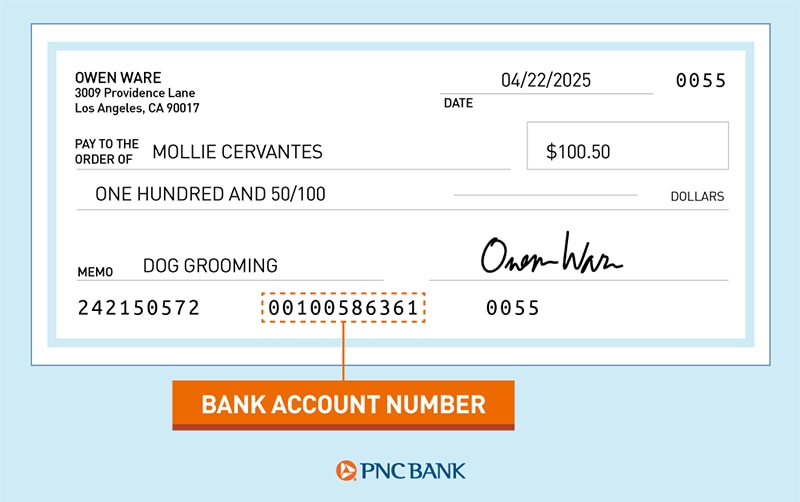
Examining Your Checkbook
If you have a checking account, your checkbook is an excellent and immediate source for both your account and routing numbers.
- Location on a Check: Look at the bottom of any personalized check. You’ll see a series of numbers printed in a specific order, usually in magnetic ink (MICR line).
- The first set of nine digits on the far left is your bank’s routing number.
- The middle set of digits (which can vary in length, typically 10-12) is your bank account number.
- The last set of numbers, often shorter, is the check number.
- Understanding the Order: While the order is generally consistent (routing, account, check number), it’s always wise to confirm with a blank deposit slip or by referring to your bank’s information.
- Deposit Slips: Similarly, if you have a book of deposit slips, your account number will be printed on them, often larger and clearer than on personal checks.
Reviewing Loan Documents and Other Bank Forms
Any official document pertaining to your account with the bank is likely to feature your account number.
- Loan Agreements: If you have a loan with the same bank (e.g., mortgage, auto loan, personal loan), the account number for the associated checking or savings account (used for payments or collateral) might be present on the loan agreement or related statements.
- Account Opening Documents: The original paperwork you received when you opened your account is a definite source. This welcome packet or agreement will list your account number.
- Savings Passbook: For those who still use traditional savings passbooks, your account number is typically printed on the inside cover or on early pages.
Contacting Your Bank Directly
If all other methods fail, or if you simply prefer direct interaction, contacting your bank is a guaranteed way to retrieve your account number. This is often the most secure method for verification purposes.
- Phone Support: Call your bank’s customer service number (usually found on their website, the back of your debit card, or on a statement). Be prepared for security questions to verify your identity. You will likely need to provide your full name, address, date of birth, and potentially the last four digits of your Social Security Number.
- In-Person Visit: Go to a local branch of your bank. Bring a government-issued photo ID (like a driver’s license or passport) and any other identifying information (like your debit card). A teller or customer service representative will be able to look up your account details after verifying your identity. This is arguably the most secure method, as you are physically present and can provide robust identification.
While contacting the bank directly might take a little more time due to verification protocols, it’s a fail-safe method that ensures you receive accurate information directly from the source.
Security and Best Practices: Protecting Your Financial Information
Finding your bank account number is only half the battle; the other, equally crucial half is ensuring its security. Your bank account number, especially when combined with your routing number, is a powerful key to your financial world. Safeguarding this information is paramount to protecting yourself from fraud and identity theft.
The Importance of Confidentiality
Your bank account number should be treated with the same level of confidentiality as your Social Security Number or PIN. Unauthorized access to this number can potentially lead to fraudulent transactions, unauthorized withdrawals, or even identity theft. While the routing and account number alone might not be sufficient for a criminal to drain your account (often requiring a signature or a check to be physically written), they can be used to set up unauthorized direct debits or create fake checks. Therefore, exercising extreme caution is always warranted.
Safe Storage of Financial Records
Both digital and physical records containing your account number must be stored securely.
- Physical Documents: If you receive paper statements or have old checkbooks, store them in a secure location, such as a locked drawer, safe, or secure filing cabinet. Avoid leaving them exposed on desks or in easily accessible places. When disposing of old statements or checks, always shred them thoroughly to prevent dumpster diving fraud.
- Digital Records:
- Password Protect Devices: Ensure your computer, tablet, and smartphone are password-protected.
- Secure Wi-Fi: Only access your online banking or mobile app over secure, private Wi-Fi networks. Avoid conducting financial transactions on public Wi-Fi networks, which can be vulnerable to eavesdropping.
- Cloud Storage: If you store digital copies of statements in the cloud, ensure the service is reputable, uses strong encryption, and that your account is protected by a strong, unique password and multi-factor authentication.
- Anti-Malware: Keep your devices protected with up-to-date antivirus and anti-malware software to prevent keyloggers or other malicious programs from capturing your login details.
Verifying Requests for Your Account Number
Be extremely cautious about who you provide your bank account number to. Scammers frequently try to trick individuals into revealing sensitive financial information through various tactics:
- Phishing Emails/Texts: Never click on suspicious links in emails or texts that claim to be from your bank and ask for your account details. Banks typically do not ask for such information via unprompted email or text.
- Unsolicited Calls: Be wary of unsolicited phone calls from individuals claiming to be from your bank, government agencies, or tech support, especially if they ask for your full account number, Social Security Number, or PIN. If in doubt, hang up and call the official number for the institution directly (found on their official website or the back of your card).
- “Verification” Scams: Criminals may pretend to “verify” your account or offer prizes, requiring your account number for “deposit.” Always initiate contact yourself for any financial services or offers.
- Reputable Parties: Only provide your account number to legitimate entities you trust for specific, authorized transactions (e.g., your employer for direct deposit, a utility company for bill payments, or a reputable financial advisor).
What to Do If You Suspect Fraud
If you believe your bank account number has been compromised or you notice suspicious activity, act immediately:
- Contact Your Bank: Call your bank’s fraud department immediately. The number is usually on the back of your debit card or on their official website.
- Monitor Your Accounts: Keep a close eye on all your bank accounts for any unauthorized transactions.
- Change Passwords: Update your online banking passwords and enable multi-factor authentication if you haven’t already.
- Report to Authorities: Consider filing a report with local law enforcement and the Federal Trade Commission (FTC) if you’re a victim of identity theft.

Regular Monitoring of Accounts
Beyond immediate responses, make a habit of regularly reviewing your bank statements and transaction history. Many banks offer alerts for large transactions or unusual activity. Being proactive in monitoring your accounts allows you to catch and address potential fraud early, minimizing its impact.
In summary, while knowing how to locate your bank account number is a basic financial literacy skill, protecting that number is a continuous commitment to securing your financial well-being. By combining diligent information retrieval with robust security practices, you can confidently manage your finances while safeguarding your assets.
aViewFromTheCave is a participant in the Amazon Services LLC Associates Program, an affiliate advertising program designed to provide a means for sites to earn advertising fees by advertising and linking to Amazon.com. Amazon, the Amazon logo, AmazonSupply, and the AmazonSupply logo are trademarks of Amazon.com, Inc. or its affiliates. As an Amazon Associate we earn affiliate commissions from qualifying purchases.