
The seemingly simple act of creating slime, a tactile and often mesmerizing play material, is underpinned by a fascinating interplay of chemistry and readily accessible technology. Far from being a mere childhood pastime, the exploration of slime activators offers a tangible gateway into understanding chemical reactions, material science, and even the principles of product development. This article delves into the “what” of slime activators, framing it within the Tech niche by examining the science, common ingredients, and innovative approaches that make this gooey sensation possible.
The Chemical Foundation: Understanding How Activators Work
At its core, slime activation is a process of cross-linking polymers. Polymers are long chains of molecules. In the context of slime, the primary polymer is typically polyvinyl acetate (PVA), found in common household glues like Elmer’s. Activators, on the other hand, are substances that contain ions – electrically charged atoms or molecules – that can bridge these long PVA chains, transforming the liquid glue into a semi-solid, stretchy substance. This cross-linking process is fundamental to material science and has applications far beyond craft activities.

Polyvinyl Acetate (PVA) Glue: The Polymer Backbone
Polyvinyl acetate is a synthetic polymer widely used in adhesives due to its versatility and affordability. When you purchase a bottle of white school glue, you’re holding a solution where PVA molecules are dispersed in water. In their free state, these long polymer chains can slide past each other easily, allowing the glue to flow. The magic of slime creation lies in introducing a catalyst that forces these chains to link together, restricting their movement and giving the mixture its characteristic elasticity and viscosity. The concentration and molecular weight of the PVA in the glue can influence the final slime texture, a concept that resonates with material scientists and product developers optimizing for specific performance characteristics.
Borate Ions: The Traditional Cross-Linking Agents
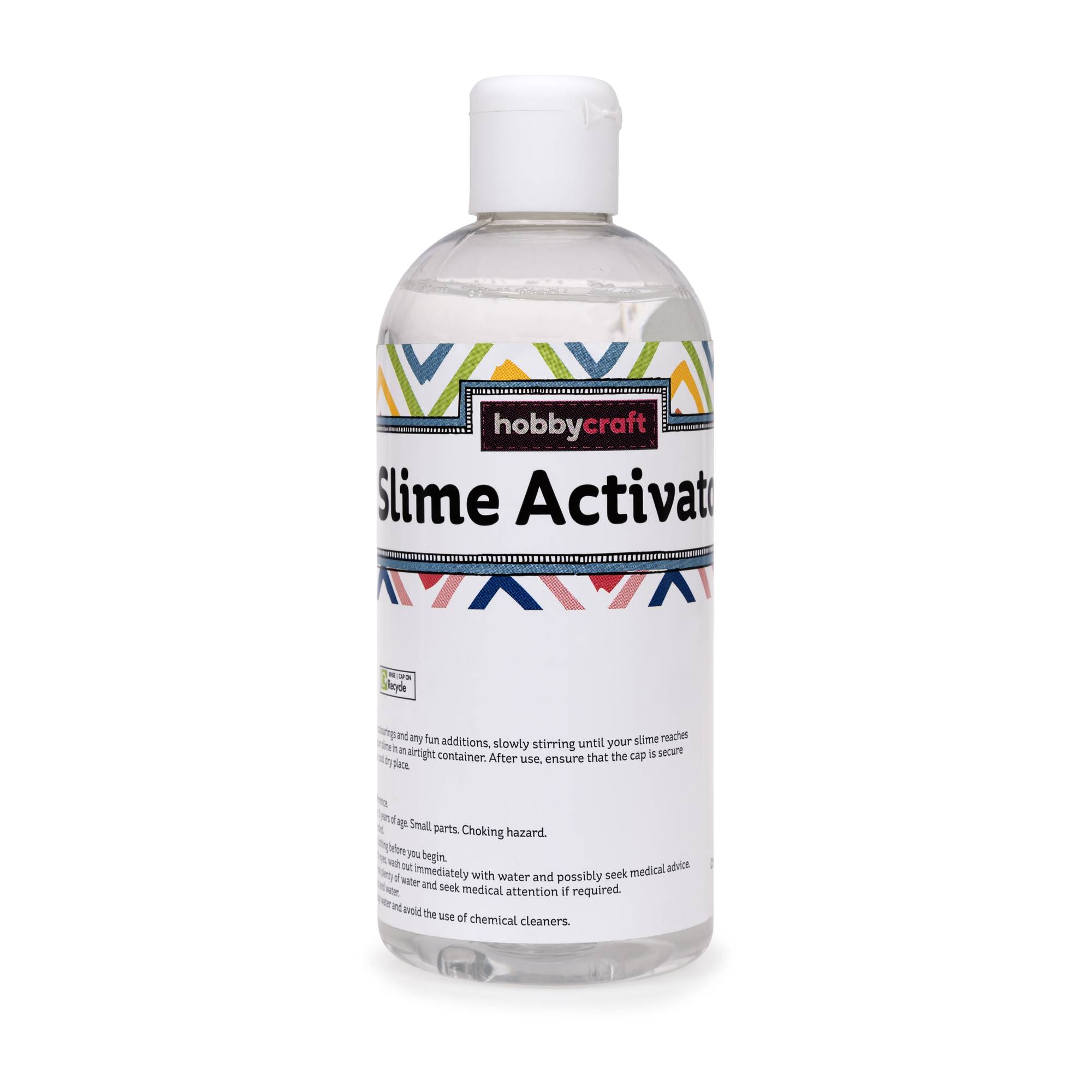
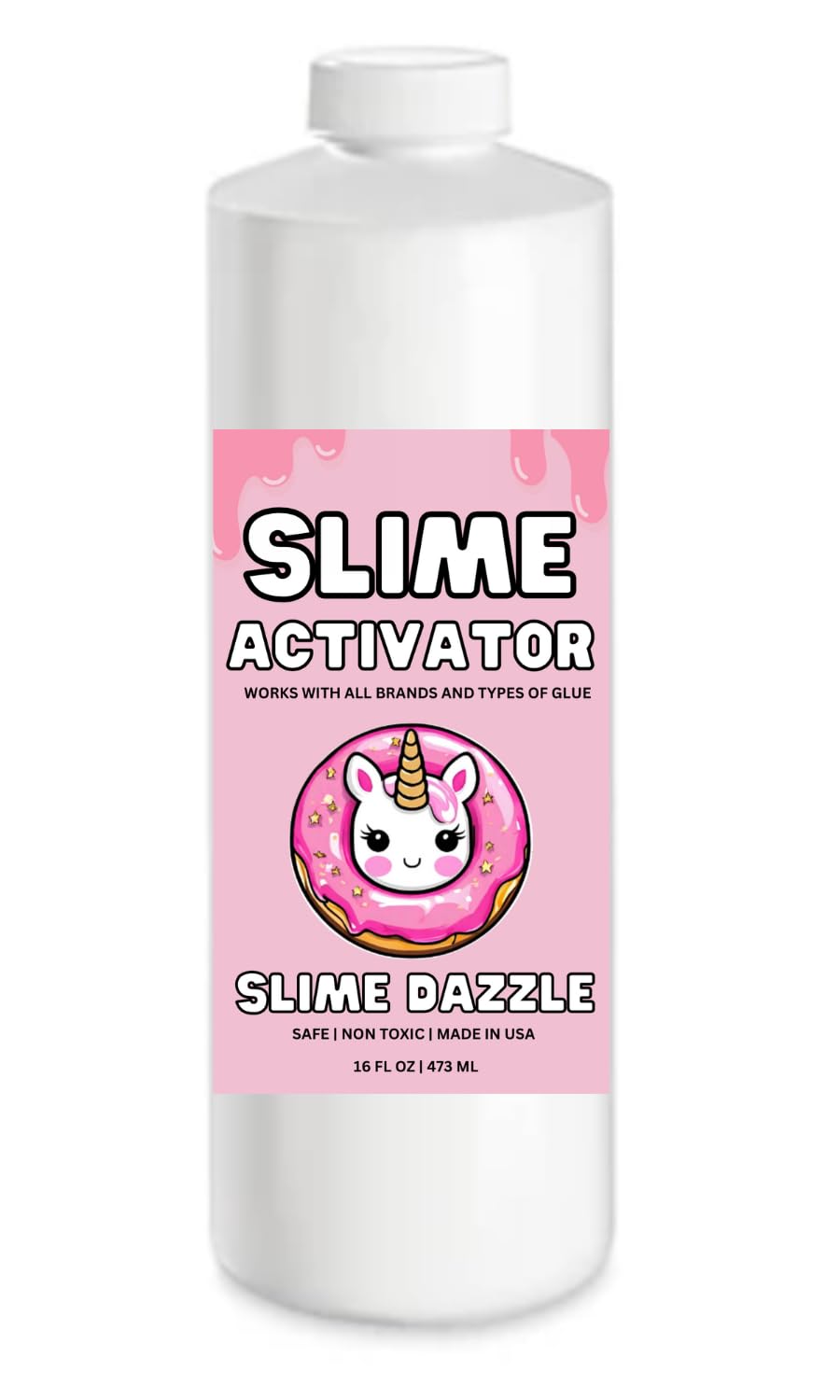
The most common and historically significant slime activators rely on borate ions. These ions are derived from compounds containing boron, such as borax (sodium tetraborate decahydrate), contact lens solution, and liquid laundry detergents. When these compounds are introduced to the PVA glue, they react with the polymer chains. The borate ions act as bridges, forming temporary chemical bonds between different PVA molecules. This creates a three-dimensional network structure.
-
Borax (Sodium Tetraborate): This is the classic slime activator. Dissolved in water, borax releases borate ions that effectively cross-link the PVA. While widely available and effective, it’s crucial to handle borax with care, especially around children, as excessive exposure can cause skin irritation. The precise concentration of borax solution is key; too much can lead to a stiff, brittle slime, while too little will result in a sticky mess. This highlights the principle of stoichiometric control in chemical reactions, a cornerstone of chemical engineering.
-
Contact Lens Solutions: Many commercially available contact lens solutions contain boric acid and sodium borate, which are sources of borate ions. These are often preferred for their perceived safety and convenience. When combined with a small amount of baking soda (sodium bicarbonate), which raises the pH and facilitates the release of borate ions, these solutions become effective slime activators. The formulation of contact lens solutions is a testament to sophisticated product development, balancing efficacy with user safety and comfort, principles directly transferable to other consumer product industries.
-
Liquid Laundry Detergents: Certain liquid laundry detergents also contain borate compounds. While they can be used to make slime, their effectiveness varies greatly depending on the specific detergent formulation. Additionally, detergents often contain fragrances, dyes, and other additives that might not be ideal for direct skin contact in a slime-making context. This variability underscores the importance of understanding ingredient lists and chemical properties when selecting components for any application, not just slime.
Exploring Alternative and Innovative Activators
Beyond the traditional borate-based activators, the DIY slime community and material scientists have explored a range of alternatives, showcasing ingenuity and a deeper understanding of polymer chemistry. These innovations highlight how readily available materials can be repurposed and how scientific principles can be applied in creative ways.
Baking Soda and Saline Solution: A Safer, Accessible Combination
A popular and generally safer alternative involves combining baking soda (sodium bicarbonate) with a saline solution (which, as mentioned, contains boric acid/sodium borate). The baking soda acts as a pH buffer, increasing the alkalinity of the solution. This higher pH environment promotes the deprotonation of PVA molecules, making them more receptive to bonding with the borate ions present in the saline solution. This two-part system is a great example of how modulating reaction conditions can optimize chemical processes. The accessibility of both baking soda and saline solutions makes this a go-to for many slime makers, demonstrating how common household items can be leveraged for novel applications.
Cornstarch and Water: A Different Kind of “Slime”
While not a true polymer cross-linking reaction in the same vein as borate activation, the mixture of cornstarch and water creates a fascinating non-Newtonian fluid, often referred to as “oobleck.” This substance exhibits shear-thickening properties: it behaves like a liquid when handled gently but becomes solid-like under pressure. The cornstarch granules are suspended in water. When force is applied, the granules are pushed closer together, creating resistance. When the force is released, they disperse again. This phenomenon is a valuable teaching tool for demonstrating complex fluid dynamics and is a simpler, non-chemical approach to creating a “slime-like” substance. The understanding of non-Newtonian fluids has applications in areas like impact-absorbing materials, food science, and even advanced robotics.
Gummy Bears and Microwave Technology: A Deliciously Curious Approach
A more unconventional and somewhat experimental “slime” involves melting gummy bears in the microwave and then adding a bit of cornstarch or powdered sugar. The gelatin in the gummy bears acts as the primary polymer. The heat from the microwave breaks down the gelatin structure, and the added starch or sugar helps to bind the molecules, creating a pliable, sticky mass. This method, while fun, is less about precise chemical activation and more about utilizing the properties of existing food-grade polymers and physical state changes. It highlights how basic physics and material properties can be harnessed for creating interesting textures, albeit with a focus on edibility rather than long-term playability.
The Technology Behind Slime Creation and Analysis
While the act of mixing ingredients might seem rudimentary, technology plays a role in understanding, optimizing, and even analyzing the slime-making process. From the development of precise measuring tools to the use of scientific instruments for material characterization, technology enhances our engagement with this popular craft.
Precision Measurement and Formulation Tools
Achieving consistent slime results often depends on precise measurements. Digital scales allow for accurate weighing of ingredients, which is crucial for controlling the ratio of glue to activator. Graduated cylinders and measuring spoons provide visual cues for liquid and solid components. For those venturing into more advanced slime creation, such as commercial slime businesses, precision is paramount. This extends to understanding rheology – the study of the flow of matter, primarily in the form of liquids and soft solids. Rheometers, sophisticated scientific instruments, can measure a slime’s viscosity, elasticity, and other flow properties. While not typically found in home kitchens, these tools are vital for product development in industries that utilize similar polymer-based materials.
Microscopy and Material Analysis
For the scientifically curious, microscopic examination can reveal the intricate structure of slime. Using optical microscopes, one can observe the network of cross-linked polymer chains formed by the activator. This visual insight into molecular interactions provides a tangible connection to the underlying scientific principles. Furthermore, techniques like Differential Scanning Calorimetry (DSC) or Fourier-Transform Infrared Spectroscopy (FTIR) can be employed to analyze the thermal properties and chemical bonds within different slime formulations. These analytical tools, standard in materials science research and quality control, allow for a deeper understanding of why certain activators yield specific textures and properties.
The Digital Ecosystem of Slime Creation
The internet has been instrumental in democratizing slime knowledge. Online tutorials, forums, and social media platforms are brimming with recipes, troubleshooting tips, and innovative ideas. This digital ecosystem facilitates rapid dissemination of information, allowing enthusiasts to learn from each other and experiment with new techniques. The development of specialized slime-making kits, often marketed online, represents a commercial application of this knowledge, packaging the necessary ingredients and instructions for ease of use. This mirrors the broader trend in consumer products, where convenience and guided experiences are highly valued.
Beyond the Toy Aisle: Applications and Scientific Parallels
The principles behind slime activation extend far beyond a fun craft project. Understanding how polymers can be manipulated to achieve desired material properties has significant implications in various technological fields.
Polymer Science and Engineering Applications
The cross-linking of polymers is a fundamental process in the development of countless materials. In the realm of plastics, cross-linking improves strength, durability, and resistance to heat and chemicals. Think of the difference between a soft, stretchy rubber band and a rigid plastic container; both are polymers, but their properties are dictated by the degree of cross-linking. This concept is vital in industries ranging from automotive manufacturing (tires, dashboards) to aerospace (lightweight, durable components).
Hydrogels: The Advanced Offspring of Slime Science
Hydrogels, often described as “superabsorbent polymers,” are a sophisticated evolution of the slime concept. These are three-dimensional polymer networks that can absorb and retain extremely large amounts of water. Hydrogels have found widespread applications in medicine (contact lenses, drug delivery systems, wound dressings), agriculture (soil conditioning), and consumer products (diapers). The ability to control the swelling and release properties of hydrogels relies on precise manipulation of polymer structure and cross-linking, mirroring the careful balance required in slime making.
Food Science and Rheology
The creation of gelatinous textures in food products often involves similar principles of polymer interaction. The way starches gelatinize, proteins coagulate, and gums form viscous solutions all relate to the behavior of long-chain molecules. Understanding the rheology of these systems is crucial for developing consistent textures in products like yogurts, sauces, and desserts. Even the simple act of thickening a gravy with cornstarch draws on similar scientific concepts to slime activation.
In conclusion, the seemingly simple question “what slime activator?” opens a door to a world of chemistry, material science, and technological innovation. From the fundamental borate ions cross-linking PVA to the advanced applications of hydrogels, the science behind slime is both educational and inspiring. It demonstrates how complex principles can be explored through accessible means, fostering a deeper appreciation for the materials that shape our modern world.
aViewFromTheCave is a participant in the Amazon Services LLC Associates Program, an affiliate advertising program designed to provide a means for sites to earn advertising fees by advertising and linking to Amazon.com. Amazon, the Amazon logo, AmazonSupply, and the AmazonSupply logo are trademarks of Amazon.com, Inc. or its affiliates. As an Amazon Associate we earn affiliate commissions from qualifying purchases.