
The question “What side is the starboard side of a ship?” might seem deceptively simple, a piece of trivia perhaps more suited to a pub quiz than a deep dive into technological discourse. However, beneath this seemingly basic inquiry lies a complex web of historical, practical, and increasingly technological considerations that are fundamental to the safe and efficient operation of vessels worldwide. In the realm of maritime technology, where precision and unambiguous communication are paramount, understanding these seemingly arcane terms is not just about tradition; it’s about the robust functioning of navigation systems, communication protocols, and the very infrastructure that enables global trade and travel.
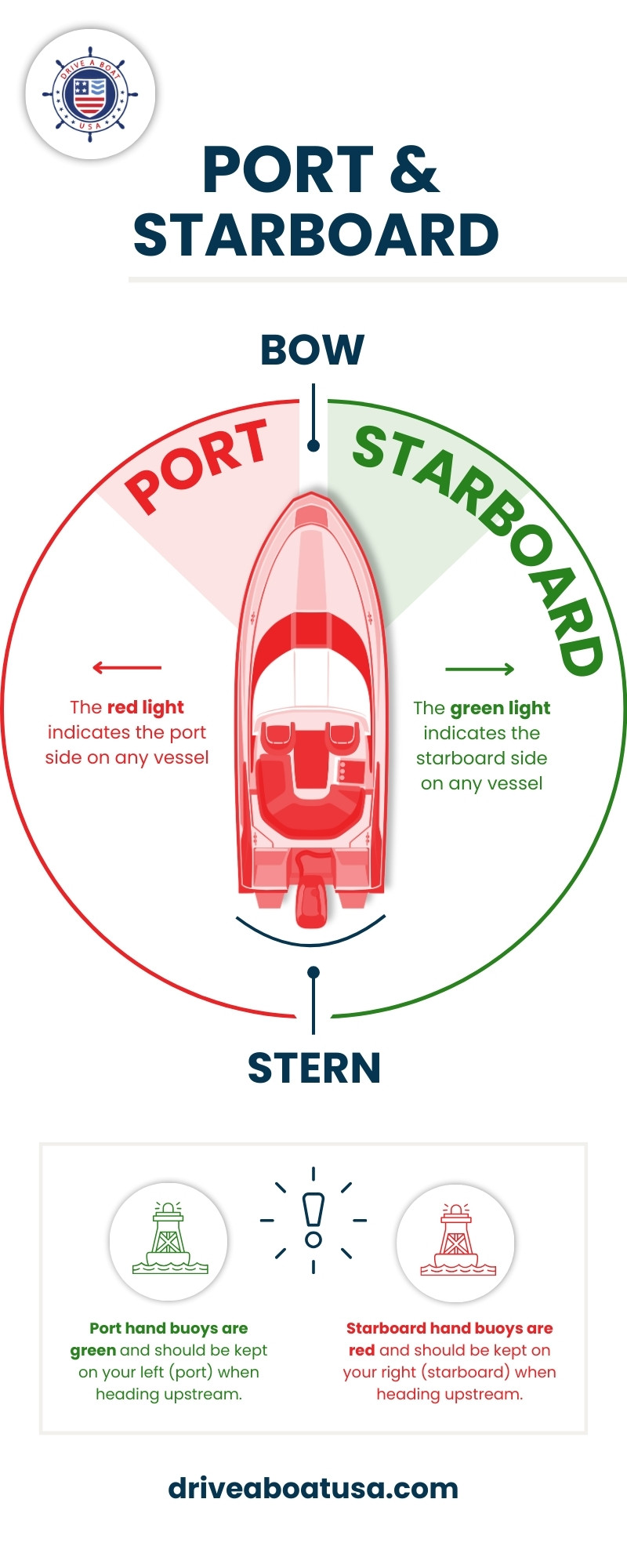
The distinction between “port” and “starboard” is not arbitrary. It’s a legacy of maritime history that has been codified into international standards, and its persistent relevance underscores the enduring need for clear, consistent language in a field heavily reliant on sophisticated technology. Modern ships, from colossal container vessels to agile patrol boats, are equipped with an array of advanced technological systems. These systems, including GPS, radar, sonar, automated identification systems (AIS), and sophisticated bridge navigation displays, all rely on precise positional data and clear communication to function effectively. The fundamental directional references, such as port and starboard, are integrated into the very fabric of these technologies, influencing how data is displayed, how commands are interpreted, and how vessels interact with each other in a dynamic and often challenging environment.
1. The Technological Genesis of Maritime Directional Conventions
The origins of “port” and “starboard” are deeply rooted in the practicalities of early seafaring, laying the groundwork for the technological conventions we see today. Understanding this historical context helps illuminate why these terms are so ingrained and how they have evolved alongside technological advancements.
1.1. From Steering Oars to Modern Navigation Aids
Ancient mariners faced a unique challenge: steering their vessels. Before the advent of the stern-mounted rudder, ships were often steered using a large oar, known as a “steering board” or “starboard,” placed over the right-hand side of the stern. This practice naturally led to the port (left) side of the ship being the side most frequently docked at ports or quays, as it was the side least obstructed by the steering oar. This practical necessity, born from early engineering and design choices, established a convention that has endured for millennia.
The evolution of the rudder, gradually moving to the centerline of the stern, rendered the steering oar obsolete but did not erase the established terminology. The terms “port” and “starboard” had become too ingrained in the maritime lexicon. This historical linguistic evolution has a direct parallel in the development of modern technology. Just as early technological innovations laid the foundation for later, more sophisticated systems, the simple directional labels of ancient ships underpin the complex navigational data streams of today.
1.2. The Role of Standardization in Maritime Technology
The inherent dangers of miscommunication at sea have always necessitated a high degree of standardization. Early attempts at formalizing maritime language emerged as seafaring became more organized and international. The adoption of consistent terminology for directions, commands, and vessel identification became crucial for safety and efficiency. This drive for standardization is a recurring theme in the history of technology, from the establishment of common electrical plug types to the universal protocols governing internet communication.
In the maritime context, this standardization was eventually codified through international conventions. The International Maritime Organization (IMO), established in 1948, plays a pivotal role in setting standards for maritime safety, security, and environmental protection. These standards encompass everything from ship design and equipment to navigation practices and communication procedures. The consistent use of “port” (left) and “starboard” (right) is a fundamental element of this standardized language, ensuring that all mariners, regardless of their nationality or the vessel they are on, can communicate and interpret information with absolute clarity. This linguistic standardization directly supports the seamless integration of various technological systems.
2. Starboard and Port in the Ecosystem of Modern Maritime Technology
The definitions of starboard and port are not mere linguistic artifacts; they are fundamental coordinates within the operational framework of contemporary maritime technology. They serve as essential reference points for a multitude of sophisticated systems that ensure safety, efficiency, and regulatory compliance.
2.1. Integrated Bridge Systems and Navigation Displays
Modern ships are equipped with Integrated Bridge Systems (IBS) that consolidate data from various navigation and communication sensors into a unified display. These systems are designed for optimal situational awareness, presenting information in a clear and intuitive manner. The terms “port” and “starboard” are integral to how these systems represent the vessel’s environment and its own orientation.
For example, radar displays will often show targets relative to the ship’s bow, with bearings clearly indicated. When a radar operator identifies a potential hazard or another vessel, they will describe its position using nautical terms, including “port bow,” “starboard beam,” or “starboard quarter.” Similarly, Electronic Chart Display and Information Systems (ECDIS) utilize these directional references when overlaying navigation data. The ship’s own position, heading, and speed are constantly tracked, and any advisories or alerts generated by the IBS will be contextualized with respect to the vessel’s port and starboard sides. This ensures that bridge teams can rapidly and accurately assess threats and make informed decisions, especially in congested waterways or low-visibility conditions.
2.2. Communication Protocols and Automated Identification Systems (AIS)
Clear and unambiguous communication is the bedrock of maritime safety. While verbal communication between vessels is crucial, the advent of automated systems has revolutionized how information is exchanged. The Automatic Identification System (AIS), for instance, is a transponder system used on ships and by vessel traffic services (VTS) to identify and track vessels. AIS transmits data such as the ship’s identity, position, course, and speed.
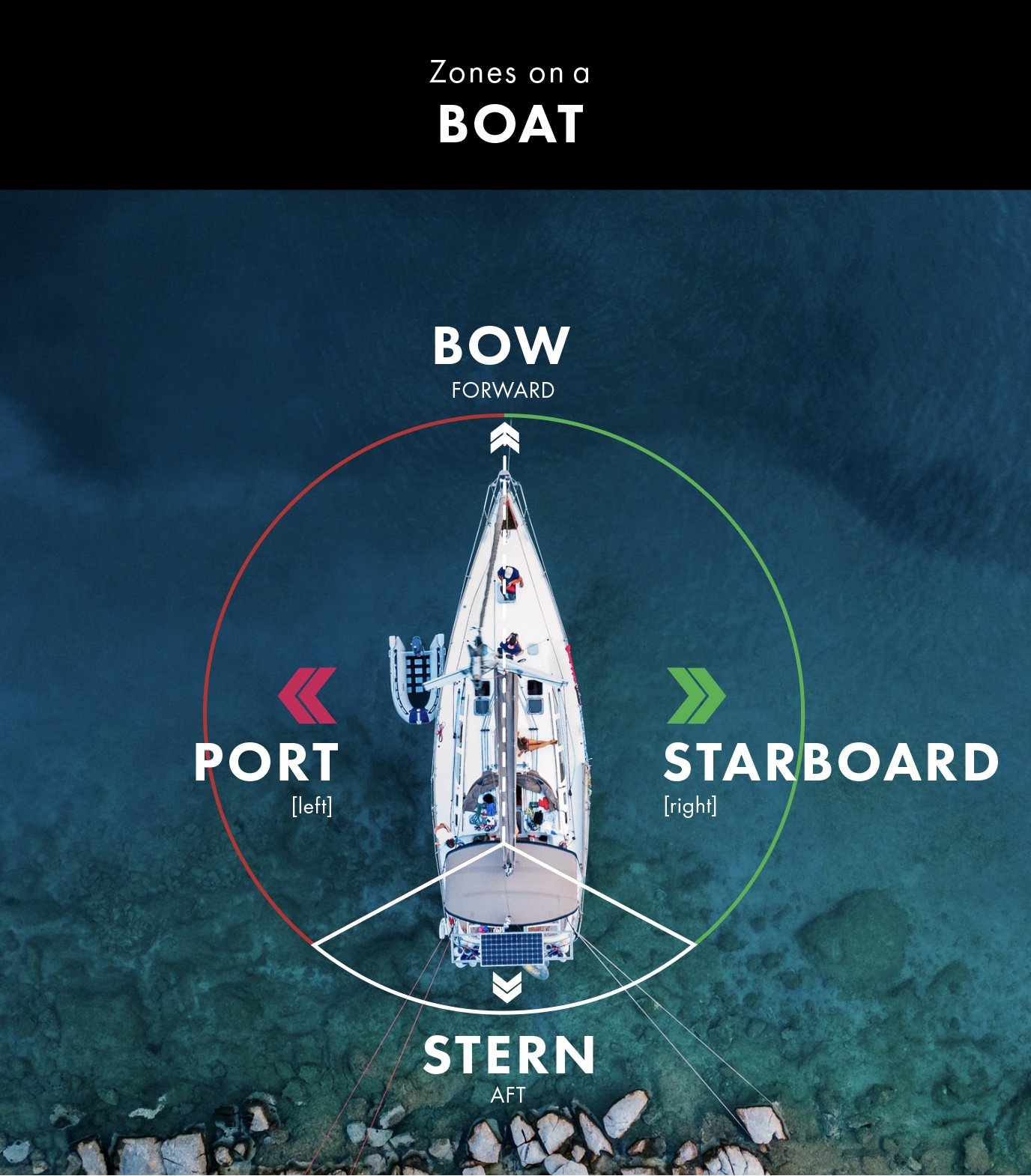
When AIS data is received, it is often displayed on navigation screens, showing the relative positions of other vessels. This display is inherently designed to use the port/starboard convention. For instance, a VTS operator might instruct a vessel to alter course to avoid a collision, specifying maneuvers relative to the ship’s heading and its port or starboard side. Similarly, in collision avoidance scenarios, the relative bearing of an approaching vessel is often described in terms of its position relative to the observer’s port or starboard. This ensures that both parties understand the required action precisely, minimizing the risk of misunderstanding. The technological systems themselves are programmed to interpret and transmit information using these established nautical terms, underscoring their enduring importance.
3. Navigational Technology and the Practical Application of Starboard
The physical dimensions and operational characteristics of a vessel, dictated by its starboard and port sides, directly influence the design and deployment of its technological systems, particularly those related to navigation and safety.
3.1. Lighting and Buoyage Systems: Visual Cues in a Technological World
The international system of maritime buoys and lights relies heavily on the port/starboard distinction for safe navigation. While modern GPS and AIS provide precise positional data, visual cues remain critical, especially in restricted visibility or when technological systems fail. The “red right returning” rule, for instance, dictates that a vessel entering a channel from seaward should keep the red buoys (marking the starboard side of the channel) to its right. Conversely, when leaving a channel, these red buoys will be on the vessel’s port side.
This convention is not merely an arbitrary rule; it’s a visual manifestation of the port/starboard orientation that is deeply embedded in maritime technology. Navigational displays on ECDIS and other systems will often depict channel markers and their associated colors, reinforcing this critical directional information. Even automated systems that track a vessel’s progress through a channel implicitly rely on the user’s understanding of which side is port and which is starboard to correctly interpret the color-coded markers. The technological interfaces are designed to augment, not replace, these fundamental visual references, ensuring a layered approach to navigation.
3.2. Sensor Placement and Operational Range Considerations
The physical layout of a ship, with its distinct port and starboard sides, influences where various navigational sensors are mounted and how their operational ranges are considered. Radar antennas, for example, are typically mounted high on the mast to provide a clear, unobstructed view of the horizon. However, their field of view is circular, and understanding targets relative to the ship’s centerline is crucial.
Sonar transducers, often mounted on the hull, also have directional characteristics. Their acoustic beams will sweep in specific directions, and interpreting the data requires knowledge of the vessel’s orientation. Even something as seemingly simple as the placement of forward-facing cameras for enhanced situational awareness on the bridge will be considered in relation to the ship’s port and starboard bows. The technological design of these systems inherently acknowledges and leverages the established port and starboard distinctions to provide accurate and actionable information to the crew. The precise location of a sensor relative to the ship’s hull and its orientation towards port or starboard can significantly impact the quality and interpretation of the data it collects.
4. The Future of Maritime Directional Understanding: Technology’s Evolving Role
As maritime technology continues to advance at an unprecedented pace, the fundamental understanding of terms like “starboard” is not becoming obsolete but rather integrated into increasingly sophisticated systems. The clarity and universality of these terms are essential for the development and deployment of future maritime innovations.
4.1. Autonomous Shipping and Enhanced AI
The burgeoning field of autonomous shipping relies heavily on artificial intelligence (AI) and advanced sensor fusion. For an autonomous vessel to navigate safely and effectively, it must possess an unassailable understanding of its environment and its own position within it. This includes the precise interpretation of directional cues, both from its internal sensors and from external communication systems like AIS.
AI algorithms are being developed to process vast amounts of data from radar, lidar, cameras, and other sensors. In these sophisticated algorithms, the concept of “starboard” is not a mere word but a quantifiable vector or angle relative to the vessel’s forward direction. The ability for AI to accurately determine if an object is to the ship’s port or starboard, and by how much, is fundamental to path planning, collision avoidance, and cooperative maneuvers with other vessels. The legacy of clear directional terminology provides the foundational logic upon which these advanced AI systems are built.
4.2. Virtual and Augmented Reality in Maritime Training and Operations
The application of Virtual Reality (VR) and Augmented Reality (AR) in maritime training and operations is rapidly expanding. VR simulators allow cadets to experience a wide range of scenarios in a safe, controlled environment, and AR overlays can provide real-time information to crew members during complex operations.
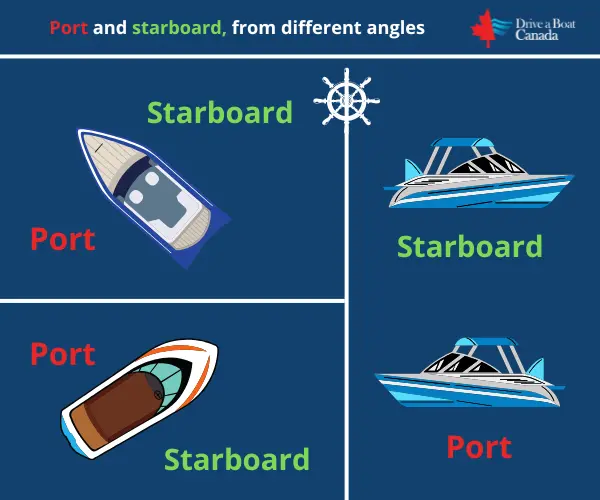
In these immersive environments, accurate directional references are paramount. A VR simulator will precisely render the vessel’s surroundings, and any instructions or alerts given to the trainee will use the established port and starboard terminology. An AR system might overlay a projected route onto the deck, clearly indicating which side is port and which is starboard relative to the vessel’s heading. The intuitive and universally understood nature of these terms makes them ideal for integration into these next-generation training and operational technologies, ensuring that the human element remains effectively integrated with the technological advancements.
In conclusion, the question “What side is the starboard side of a ship?” leads us down a path far richer than simple etymology. It highlights the enduring power of clear, standardized language in a technologically driven world. From the earliest steering oars to the sophisticated algorithms of autonomous vessels, the distinction between port and starboard has served as a fundamental navigational constant. As maritime technology continues its relentless advance, these seemingly simple terms will remain indispensable, forming the bedrock of communication, safety, and operational efficiency across the global maritime domain. Understanding this crucial directional convention is not just about knowing your left from your right; it’s about comprehending a core principle that underpins the entire technological ecosystem of modern seafaring.
aViewFromTheCave is a participant in the Amazon Services LLC Associates Program, an affiliate advertising program designed to provide a means for sites to earn advertising fees by advertising and linking to Amazon.com. Amazon, the Amazon logo, AmazonSupply, and the AmazonSupply logo are trademarks of Amazon.com, Inc. or its affiliates. As an Amazon Associate we earn affiliate commissions from qualifying purchases.