
Turning sixteen is a significant milestone, often synonymous with increased independence and the burgeoning desire to earn one’s own money. For many, this age marks the first real opportunity to step into the world of paid employment, providing not just financial resources but also invaluable experience. The question, “What places are hiring at 16?” is a common and crucial one for teenagers embarking on this journey. This article delves into the landscape of entry-level employment for 16-year-olds, focusing exclusively on the Money aspect – exploring how these opportunities can be the foundation for personal finance management, learning about income streams, and potentially the beginnings of future side hustles and business ventures.
Navigating the Entry-Level Job Market for Teens
The landscape of employment for 16-year-olds is diverse, with many sectors actively seeking motivated and energetic young individuals. Understanding where to look and what to expect is the first step in securing a position. This section will explore common industries and roles, emphasizing the financial benefits and the practical skills gained that contribute to personal wealth building.
Understanding Age Restrictions and Labor Laws
Before diving into specific job types, it’s essential to be aware of the legal framework governing youth employment. Labor laws, varying by country and region, dictate the types of work 16-year-olds can perform, the hours they can work, and the conditions they must adhere to. These regulations are designed to protect young workers from exploitation and ensure their well-being, particularly regarding schoolwork and safety. For instance, there are often restrictions on working during school hours, exceeding a certain number of hours per week, or working in hazardous environments. Familiarizing yourself with these laws will not only ensure compliance but also empower you to negotiate fair working conditions, a crucial aspect of responsible financial management.
Retail: A Classic Starting Point for Earning
The retail sector is a perennial favorite for teenagers seeking their first jobs. Its inherent flexibility, numerous entry points, and the prevalence of customer-facing roles make it an ideal training ground for financial literacy.
Opportunities in Sales and Customer Service
Many retail stores, from clothing boutiques and electronics shops to supermarkets and pharmacies, actively recruit 16-year-olds for positions like sales associates, cashiers, and stock associates. These roles typically involve interacting with customers, handling transactions, organizing merchandise, and maintaining store cleanliness. The hourly wages earned can be a significant introduction to managing personal income. Beyond the direct earnings, these jobs teach valuable money management skills. Handling cash, making change accurately, and understanding sales targets contribute to a practical understanding of financial transactions. Furthermore, the experience of customer interaction builds soft skills that are transferable to many other income-generating avenues.
Understanding Sales Commissions and Employee Discounts
In some retail roles, particularly those involving sales targets, there might be opportunities for performance-based bonuses or commissions, offering a glimpse into the world of incentivized earning. While not always prevalent for 16-year-olds, it’s worth inquiring about. More commonly, employee discounts can represent a tangible financial benefit. By saving money on purchases, individuals are effectively increasing their disposable income, a fundamental concept in personal finance. Learning to budget and save, even with the benefit of discounts, is a foundational skill for long-term financial health.
Food Service: From Kitchens to Customer Satisfaction
The fast-paced environment of the food service industry offers another robust avenue for 16-year-olds to earn money and develop essential life skills.
Roles in Fast Food and Casual Dining
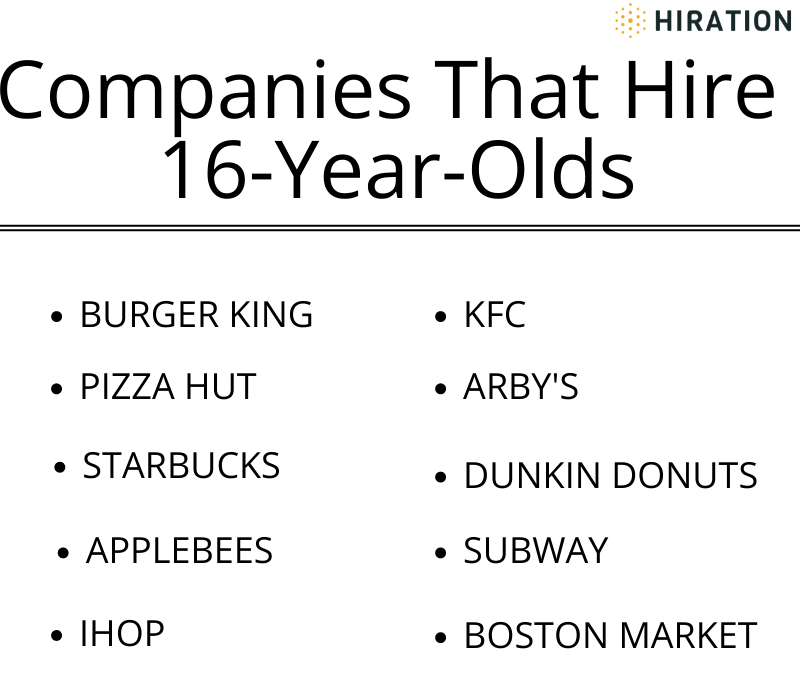
Fast-food chains are almost universally known for hiring younger individuals for roles such as order takers, counter staff, kitchen assistants, and delivery personnel (where age and licensing permit). Casual dining restaurants also often have openings for bussers, hosts, and dishwashers. These positions provide a steady income, often with the potential for tips in some roles, which can significantly boost earning potential. Understanding how to manage tip income, including any tax implications, is an early lesson in diverse income streams.
The Financial Impact of Tips and Food Allowances
For roles that involve customer service, such as waitstaff or counter staff in certain establishments, tips can form a substantial portion of income. Learning to track tips, understand their variability, and factor them into one’s personal budget is a valuable financial skill. Additionally, many food service jobs offer employee meal allowances or discounts. This perk directly reduces living expenses, effectively increasing the amount of discretionary income available. This highlights how understanding benefits, not just salary, is crucial for a complete financial picture.
Entertainment and Recreation: Earning Through Fun
The leisure and entertainment sectors provide engaging and often dynamic environments for 16-year-olds to enter the workforce.
Opportunities at Movie Theaters, Amusement Parks, and Arcades
Movie theaters frequently hire teenagers for usher roles, concession stand attendants, and ticket sellers. Amusement parks and water parks are seasonal employers, seeking individuals for ride attendants, food vendors, game operators, and guest services. Arcades also offer positions for game attendants and customer support. These jobs offer a chance to earn money in environments associated with enjoyment and leisure, often with flexible scheduling that can accommodate school commitments.
Building Financial Habits Through Experiential Work
Working in these settings provides unique learning opportunities. For instance, managing ticket sales or concession revenue teaches accuracy and responsibility. Understanding peak times and staffing needs in entertainment venues offers insights into operational finance. While direct financial bonuses might be rare, the consistent paychecks and the development of customer engagement skills are instrumental in building a foundation for future financial success. The experience of earning money in a fun, social environment can also foster a sense of accomplishment and responsibility, encouraging more prudent spending and saving habits.
Beyond Traditional Jobs: Exploring Early Income Streams
While traditional employment is a primary focus, the digital age and evolving economic landscape have opened up new avenues for 16-year-olds to generate income, often with greater flexibility.
Online Freelancing and Gig Work: The Digital Frontier
The internet has democratized earning potential, making it accessible to individuals with specific skills and a reliable internet connection.
Leveraging Digital Skills for Online Projects
For tech-savvy teens, there’s a growing market for freelance services. This can include simple graphic design for social media posts, basic video editing, writing short articles or blog posts, social media management for small businesses, or even virtual assistance tasks like data entry or scheduling. Platforms exist that connect freelancers with clients, allowing teenagers to build a portfolio and earn income on a project basis. This is a direct pathway to understanding variable income and project-based financial planning.
The Rise of Micro-Tasks and Online Surveys
Beyond skilled freelancing, many platforms offer micro-tasks or paid online surveys. While these typically pay modest amounts, they can be a way to earn extra money during downtime. It’s crucial to research reputable platforms to avoid scams and understand that these are supplementary income sources rather than primary employment. For 16-year-olds, these can be an introduction to the concept of earning through online engagement and managing small, incremental income streams.
Entrepreneurial Ventures: Planting the Seeds of Future Business
While not strictly “hiring,” the entrepreneurial spirit can lead to significant financial rewards and invaluable business acumen at a young age.
Small-Scale Business Ideas for Teens
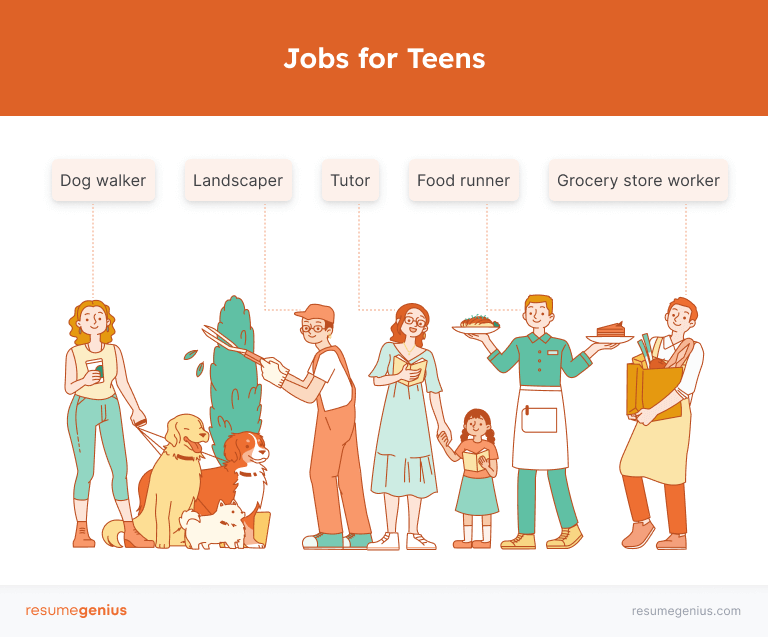
Many young people have successfully launched small businesses, often leveraging their interests and skills. This could include offering pet-sitting or dog-walking services, tutoring younger students in subjects they excel at, creating and selling crafts or artwork online or at local markets, or even starting a small lawn care service. The profit from these ventures directly contributes to personal wealth, but more importantly, it teaches crucial business principles.
Understanding Profit Margins, Expenses, and Reinvestment
Launching a small business at 16 provides an unparalleled education in financial management. It requires understanding revenue (income), expenses (costs of materials, marketing, etc.), and profit margins. Learning to reinvest profits back into the business to expand services or improve products is a key strategy for long-term financial growth. This hands-on experience in entrepreneurship is a powerful precursor to more significant business ventures and a deep understanding of financial independence.
Building Financial Literacy: Making Your First Earnings Count
Securing a job at 16 is not just about the immediate income; it’s about laying the groundwork for a lifetime of sound financial decision-making.
The Importance of Budgeting and Saving
Once you start earning, the immediate priority is to develop a budget. This involves tracking income and expenses to understand where your money is going. Even with a part-time job, creating a budget helps you prioritize needs versus wants, enabling you to allocate funds for savings, discretionary spending, and potentially future investments. Saving a portion of every paycheck, however small, instills a discipline that is crucial for achieving financial goals, whether it’s purchasing a car, saving for college, or building an emergency fund.
Exploring Banking and Investment Basics
Your first job is also an excellent opportunity to open a bank account. This provides a secure place to deposit your earnings and learn about banking services, such as checking and savings accounts, and debit cards. As you become more comfortable managing your money, you can begin to explore basic investment concepts. While significant investing might be some years away, understanding the fundamental principles of how money can grow through investments is an invaluable part of becoming financially literate. Many financial institutions offer resources and educational materials for young people looking to understand these concepts.

Setting Financial Goals and Long-Term Planning
The income earned at 16 can be a powerful motivator for setting financial goals. These goals can be short-term, like saving for a new gadget or a concert, or long-term, such as contributing to a savings account for a car or further education. Having clear financial goals provides direction for your earning and spending habits, making it easier to stay motivated and make responsible choices. The experience of earning, managing, and saving at this age sets a positive trajectory for your financial future, transforming your first paychecks into building blocks for financial independence.
aViewFromTheCave is a participant in the Amazon Services LLC Associates Program, an affiliate advertising program designed to provide a means for sites to earn advertising fees by advertising and linking to Amazon.com. Amazon, the Amazon logo, AmazonSupply, and the AmazonSupply logo are trademarks of Amazon.com, Inc. or its affiliates. As an Amazon Associate we earn affiliate commissions from qualifying purchases.