
The integration of advanced technology into the modern medical diagnostic pipeline has fundamentally altered the patient experience. As we move toward a future defined by the “Internet of Medical Things” (IoMT) and AI-driven diagnostics, the preparation for a procedure as critical as a breast biopsy is no longer just a physical or emotional journey—it is a digital one. Patients are now expected to navigate complex Electronic Health Record (EHR) systems, interact with predictive diagnostic software, and manage a suite of health-tracking gadgets.
However, the intersection of healthcare and high technology brings new risks. From data privacy concerns to the psychological impact of unvetted AI tools, there is a clear list of technological “don’ts” that patients and practitioners must observe. To ensure a seamless diagnostic workflow, understanding what not to do from a tech-centric perspective is essential.

Avoiding the ‘Dr. Google’ Pitfall: The Risks of Unvetted Health Apps and AI-Driven Self-Diagnosis
The democratization of medical information through software is a double-edged sword. While access to data empowers patients, relying on the wrong digital tools before a biopsy can lead to significant diagnostic interference and heightened anxiety.
The Dangers of Inaccurate Data Input in Symptom Trackers
Many patients use third-party health apps to track physical changes or symptoms before a biopsy. A common mistake is using apps that lack clinical validation. When a patient inputs subjective data into a “black box” algorithm, the app may provide a risk assessment that is scientifically unsound. Entering inaccurate or poorly defined data into these trackers can create a false digital history that, if shared with a clinician, might cloud the clinical picture. Before a biopsy, do not rely on non-FDA-cleared diagnostic apps to interpret your symptoms. These tools often lack the sophisticated image-recognition software required to differentiate between benign and malignant tissue signatures.
Why Generative AI is Not a Substitute for Clinical Decision Support Systems (CDSS)
With the rise of large language models (LLMs) like ChatGPT, many individuals attempt to upload their radiology reports or ultrasound data to receive an automated interpretation. This is a critical technological error. Consumer-grade AI is prone to “hallucinations”—generating confident but factually incorrect medical advice. These models are not integrated with your specific medical software ecosystem and do not have access to your historical imaging data (DICOM files). Relying on generative AI for a pre-biopsy “second opinion” can lead to catastrophic misinformation regarding the urgency or nature of the procedure.
Digital Security and Privacy: What Not to Do with Your Electronic Health Records (EHR)
In the weeks leading up to a breast biopsy, the exchange of digital information between the patient, the primary care physician, and the surgical center reaches a peak. This period of high digital activity is when security protocols are most likely to be breached.
Steer Clear of Public Wi-Fi When Accessing Patient Portals
The convenience of mobile apps allows patients to check biopsy instructions or lab results on the go. However, a major digital security “don’t” is accessing these portals over unsecured public Wi-Fi networks. Patient portals contain sensitive Personal Health Information (PHI) protected under HIPAA regulations. Hackers often use “man-in-the-middle” attacks on public networks to intercept data packets. If your medical data is compromised before your procedure, it could lead to identity theft or, worse, the unauthorized alteration of your digital medical records, which could affect your treatment plan. Always use a Virtual Private Network (VPN) or a dedicated cellular connection when interacting with clinical software.
The Risks of Sharing Diagnostic Tech Data on Social Media Platforms
In an era of digital transparency, many patients feel compelled to share their “journey” on social media, sometimes posting screenshots of their imaging software or hospital digital checklists. This is a significant privacy risk. Beyond the obvious exposure of sensitive data, many social media platforms use metadata and tracking pixels that can link your medical status to your digital advertising profile. This “shadow profiling” can have long-term implications for your digital footprint. Furthermore, sharing specific details about the technology used in your biopsy (such as the specific brand of vacuum-assisted biopsy device) can attract unsolicited medical misinformation from non-expert users.
Wearable Tech and Pre-Biopsy Data: Misinterpreting the Biometrics
The rise of gadgets like the Apple Watch, Oura Ring, and Whoop strap has provided users with a wealth of physiological data. While these tools are excellent for general wellness, they can be misleading in the context of a surgical diagnostic procedure.
Avoiding Over-Reliance on Consumer-Grade Bio-Sensors
Before a biopsy, many patients see an uptick in their Resting Heart Rate (RHR) or a decrease in Heart Rate Variability (HRV) due to stress. A common mistake is interpreting these biometric shifts as physical symptoms of disease rather than psychological responses to the upcoming procedure. Consumer wearables are gadgets, not medical-grade diagnostic tools. Do not use wearable data to self-adjust any pre-biopsy protocols (such as medication or caffeine intake) without consulting the clinical software dashboard used by your physician. The “noise” generated by consumer sensors can lead to unnecessary panic that may physically interfere with your vitals on the day of the procedure.
When to Disregard Smartwatch Notifications Prior to Clinical Imaging
Certain high-end wearables now offer features that attempt to detect irregularities in body temperature or localized skin changes. It is vital not to use these tech notifications as a reason to delay or question the biopsy. The software algorithms in wearables are designed for general population trends, not for the granular analysis required in oncology. If your gadget flags a “discrepancy” the night before your biopsy, do not let it override the clinical schedule established by your doctor’s specialized medical software.
Managing the Digital Workflow: Software Errors to Avoid Before the Procedure
The administrative side of modern medicine is almost entirely software-driven. A failure to engage correctly with this digital infrastructure can result in delays or cancellations of the biopsy.
Do Not Neglect Digital Pre-Registration and Telehealth Onboarding
Most modern medical facilities use automated onboarding software to collect patient history and consent. A frequent error is treating these digital forms as “optional” or waiting until the morning of the procedure to complete them. These platforms often use logic-branching software to identify potential contraindications, such as the use of blood-thinning software-tracked medications. If you skip the digital onboarding, the clinical team may not have the necessary data integrated into their system, leading to a workflow bottleneck. Ensure that all digital “paperwork” is submitted at least 48 hours in advance to allow the facility’s EMR (Electronic Medical Record) to sync properly.
The Importance of Verifying Software Compatibility for Image Sharing
If you are transferring records from one facility to another—for instance, moving an initial mammogram’s digital files to a different center for the biopsy—do not assume the software systems are interoperable. One of the most common tech-related delays in biopsy procedures is “image format incompatibility.” Ensure that your images are transferred via a secure, cloud-based medical imaging sharing platform (like Ambra or Nuance PowerShare) rather than relying on a physical CD-ROM. CD-ROM drives are becoming obsolete in modern high-tech clinical workstations, and if the facility cannot load your digital images, they may not be able to proceed with the image-guided biopsy.
The Future of Diagnostic Tech: Staying Informed Without Over-Analyzing
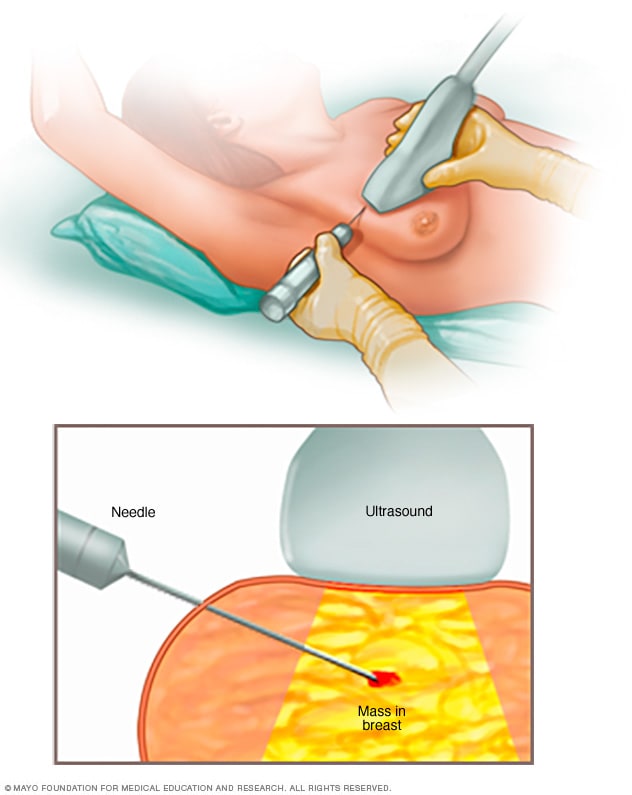
As we look toward the next decade, the biopsy process will become even more integrated with Artificial Intelligence and Augmented Reality (AR). Surgeons are already beginning to use AR overlays to pinpoint biopsy sites with sub-millimeter precision. For the patient, this means the environment will feel increasingly “high-tech.”
The key to a successful experience is to view technology as a supportive framework rather than a primary source of truth. The most sophisticated AI tool or the most expensive wearable cannot replace the clinical intuition of a radiologist or pathologist. By avoiding the digital pitfalls—such as unsecured data sharing, reliance on unvetted LLMs, and neglecting the clinical software workflow—patients can ensure that technology serves its true purpose: enhancing the precision, safety, and efficiency of their diagnostic care.
In summary, as you prepare for a breast biopsy, keep your digital life as organized as your physical one. Secure your data, rely on validated clinical software, and maintain a healthy skepticism toward consumer-grade AI. This tech-forward approach will allow you to focus on what truly matters: your health and your recovery.
aViewFromTheCave is a participant in the Amazon Services LLC Associates Program, an affiliate advertising program designed to provide a means for sites to earn advertising fees by advertising and linking to Amazon.com. Amazon, the Amazon logo, AmazonSupply, and the AmazonSupply logo are trademarks of Amazon.com, Inc. or its affiliates. As an Amazon Associate we earn affiliate commissions from qualifying purchases.