
In the realm of personal finance, we often focus on the “big rocks”: mortgage payments, retirement contributions, and stock market volatility. However, the “sand”—the recurring daily and weekly expenses—often determines the fluidity of a household budget. For the average individual, transportation is the second-largest expenditure after housing. At the heart of this expense is a question that seems deceptively simple but carries significant financial weight: “What kind of gas does my car take?”
Understanding the specific fuel requirements of your vehicle is not merely a matter of mechanical maintenance; it is a sophisticated exercise in cost-benefit analysis and asset protection. Choosing the wrong fuel can lead to hundreds of dollars in wasted annual spending or thousands in preventable repair costs. This guide examines the intersection of automotive requirements and personal finance, offering a strategic approach to fueling your vehicle while optimizing your net worth.
1. The Premium vs. Regular Debate: A Cost-Benefit Analysis
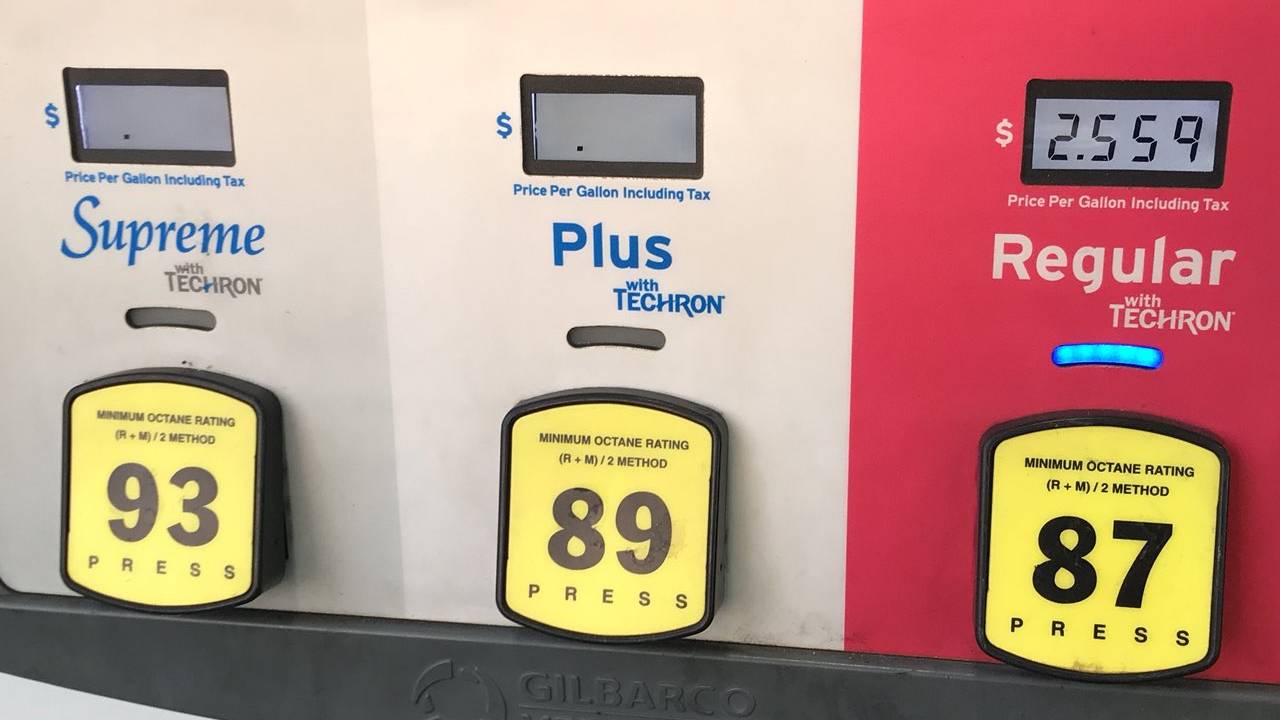
The most immediate financial impact of fuel selection is the price at the pump. In most markets, the spread between 87-octane (Regular) and 91 or 93-octane (Premium) can range from 20 to 80 cents per gallon. For a driver who fills a 15-gallon tank weekly, the difference can amount to over $600 per year. To manage this cost effectively, one must understand the financial implications of octane ratings.
The Myth of the “Premium” Upgrade
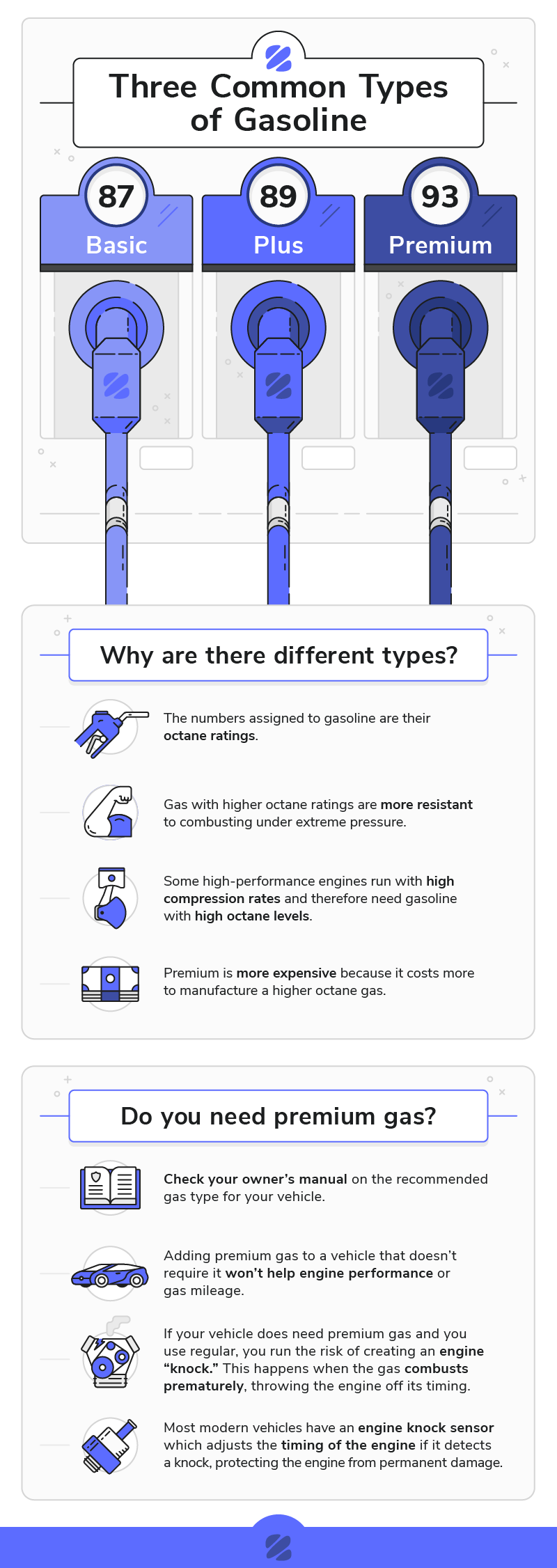
A common misconception in personal finance is that “Premium” gasoline is inherently “better” or “cleaner” for every engine. From a budgetary perspective, paying for premium fuel when your manufacturer specifies regular is akin to donating money to an oil company. If your car is designed for 87-octane, using 93-octane does not provide more energy, better mileage, or a cleaner engine; it simply provides a higher resistance to “knock” or pre-detonation. Using premium in a car that doesn’t require it is a classic example of a “leak” in a personal budget—an expense that provides zero return on investment (ROI).
Required vs. Recommended: The Financial Gray Area
The financial strategy changes when you look at the owner’s manual. If a car “requires” premium, using regular can lead to engine knocking, reduced power, and eventually, catastrophic engine failure—a massive financial liability. However, if a car only “recommends” premium, the driver faces a choice. In these cases, the car’s computer adjusts timing to accommodate lower octane, usually resulting in a slight decrease in fuel economy (MPG). A savvy financial analyst would calculate the “break-even” point: if premium costs 20% more but only yields a 5% increase in efficiency, the financially prudent choice is to stick with regular.
Long-term Maintenance Costs and Octane
The hidden financial danger of using the wrong gas lies in long-term depreciation and repair. Modern direct-injection engines are highly sensitive. Using a lower-than-required octane can cause internal damage that isn’t immediately visible but will manifest as a multi-thousand-dollar repair bill later in the car’s lifecycle. In the context of “Money,” preventing a $4,000 engine rebuild by spending an extra $5 per fill-up is the ultimate form of insurance.
2. Leveraging Financial Tools and Technology to Optimize Fuel Spending
Once you have identified the specific fuel your car needs, the next step in a professional financial plan is to optimize the acquisition of that fuel. Fueling should not be a reactive purchase made when the “low gas” light flickers; it should be a calculated transaction.
Fuel-Tracking Apps and Budgeting
In the modern fintech landscape, several tools allow consumers to treat fuel like a commodity trade. Apps like GasBuddy, Upside, and Waze provide real-time pricing data, allowing drivers to arbitrage the price differences between stations. For a business owner or a freelancer who drives for a living, these marginal gains are significant. Integrating these apps into your monthly budgeting software (like YNAB or Mint) allows for a granular understanding of how fuel price fluctuations impact your discretionary income.
Rewards Cards and Cash-Back Strategies
A professional approach to personal finance involves never paying “sticker price.” By using specialized credit cards that offer 3% to 5% cash back on gas station purchases, you effectively hedge against rising fuel prices. When combined with loyalty programs from major brands (such as Shell, Exxon, or BP), the cumulative discount can be substantial. If you spend $3,000 a year on gas, a 5% cash-back strategy returns $150 to your pocket—enough to cover an annual oil change and a tire rotation, further reducing the total cost of ownership.
The Hidden Value of “Top Tier” Gasoline
From a business finance perspective, quality control is a form of risk management. “Top Tier” gasoline brands contain higher concentrations of detergents that prevent carbon buildup in the engine. While these brands might cost a few cents more per gallon than “no-name” stations, the financial logic is sound: cleaner engines run more efficiently and last longer. Investing in high-quality fuel is a preventative maintenance strategy that protects the resale value of your vehicle—your second-largest depreciating asset.
3. The Impact of Fuel Choice on Vehicle Depreciation and Resale Value
In the world of personal finance, a car is rarely an investment; it is an expense. However, the rate at which that expense loses value—its depreciation—is something a car owner can control. The “kind of gas” you put in your car plays a subtle but vital role in this calculation.
Documenting Maintenance for Maximum Resale
When it comes time to sell or trade in a vehicle, documentation is currency. A seller who can prove they have consistently used the manufacturer-recommended fuel and followed a strict maintenance schedule can often command a “clean title” premium. In the private party market, being able to state “Only used 93-octane Premium as required” provides the buyer with psychological and financial security, allowing the seller to recoup a higher percentage of their initial investment.
Engine Longevity as a Financial Safeguard
The longer you can drive a car without a monthly payment, the faster your net worth grows. This is often referred to as the “drive it into the ground” strategy. If using the correct, high-quality gasoline extends the life of your engine from 150,000 miles to 200,000 miles, you have effectively gained two to three years of “payment-free” driving. If a typical car payment is $500, those extra 50,000 miles represent $12,000 to $18,000 in capital that stays in your brokerage account rather than going to a dealership.
Fuel Economy and the “Hidden Tax”
When a driver uses the wrong gas or low-quality fuel, the engine’s efficiency drops. This drop in MPG is a “hidden tax” on your lifestyle. A 10% reduction in fuel efficiency due to poor engine health is equivalent to an unannounced 10% increase in the price of gas. Monitoring your MPG is a way to audit your vehicle’s financial performance; a sudden dip in mileage is often the first indicator that your “gas strategy” or engine health needs a professional pivot.
4. Fuel Efficiency as a Form of Passive Saving
Understanding what kind of gas your car takes is the first step toward a broader strategy of “fuel-efficient living.” In finance, a penny saved is a penny earned, but a penny saved on a recurring expense is a dividend that pays out for years.
Driving Habits and the “Variable Expense” Mindset
While the type of gas is a fixed requirement, the rate at which you consume it is a variable expense. Professional drivers and “hypermilers” understand that aggressive acceleration and high speeds are the enemies of a balanced budget. By treating every gallon of gas as a unit of capital, you begin to see that driving 5-10 mph slower on the highway is a way to “earn” a higher hourly rate on your commute.
Seasonal Fuel Adjustments and Budgeting
Gasoline is not a static product; refineries switch between “summer blends” and “winter blends.” Summer blends are more expensive to produce but provide better mileage. A sophisticated financial plan accounts for these seasonal swings. By anticipating a 10-15% increase in fuel costs during the summer travel season, you can adjust your “Money” buckets accordingly, ensuring that a road trip doesn’t derail your long-term savings goals.
The Shift to Alternative Fuels: A Macro-Financial Perspective
Finally, for the forward-thinking individual, the question “What kind of gas does my car take?” eventually leads to “Do I need gas at all?” The total cost of ownership (TCO) for electric vehicles (EVs) vs. internal combustion engine (ICE) vehicles is a central topic in modern personal finance. While the upfront cost of an EV may be higher, the “fuel” (electricity) is significantly cheaper and more price-stable. As part of a 10-year financial plan, transitioning away from gasoline entirely may be the ultimate way to optimize your transportation budget.
In conclusion, the question of what gas your car takes is a gateway into a more disciplined and professional way of managing your money. By treating your vehicle’s fuel needs with the same scrutiny you apply to your investment portfolio, you can eliminate waste, protect your assets, and ensure that every dollar you pump into your tank is moving you closer to your financial goals. Professionalism in finance is about the mastery of details—and in the world of automotive expenses, there is no detail more fundamental than the fuel that keeps you moving.
aViewFromTheCave is a participant in the Amazon Services LLC Associates Program, an affiliate advertising program designed to provide a means for sites to earn advertising fees by advertising and linking to Amazon.com. Amazon, the Amazon logo, AmazonSupply, and the AmazonSupply logo are trademarks of Amazon.com, Inc. or its affiliates. As an Amazon Associate we earn affiliate commissions from qualifying purchases.