
The seemingly simple question, “What is the temperature of fire?” belies a complex and multifaceted reality. In the realm of technology, understanding fire’s temperature isn’t merely an academic curiosity; it’s a critical factor influencing everything from the design of advanced materials and industrial processes to the development of sophisticated fire detection and suppression systems. This exploration delves into the technological underpinnings of fire temperature, its measurement, and its profound implications across various tech sectors.
The Science Behind Fire’s Heat: Combustion and Energy Release
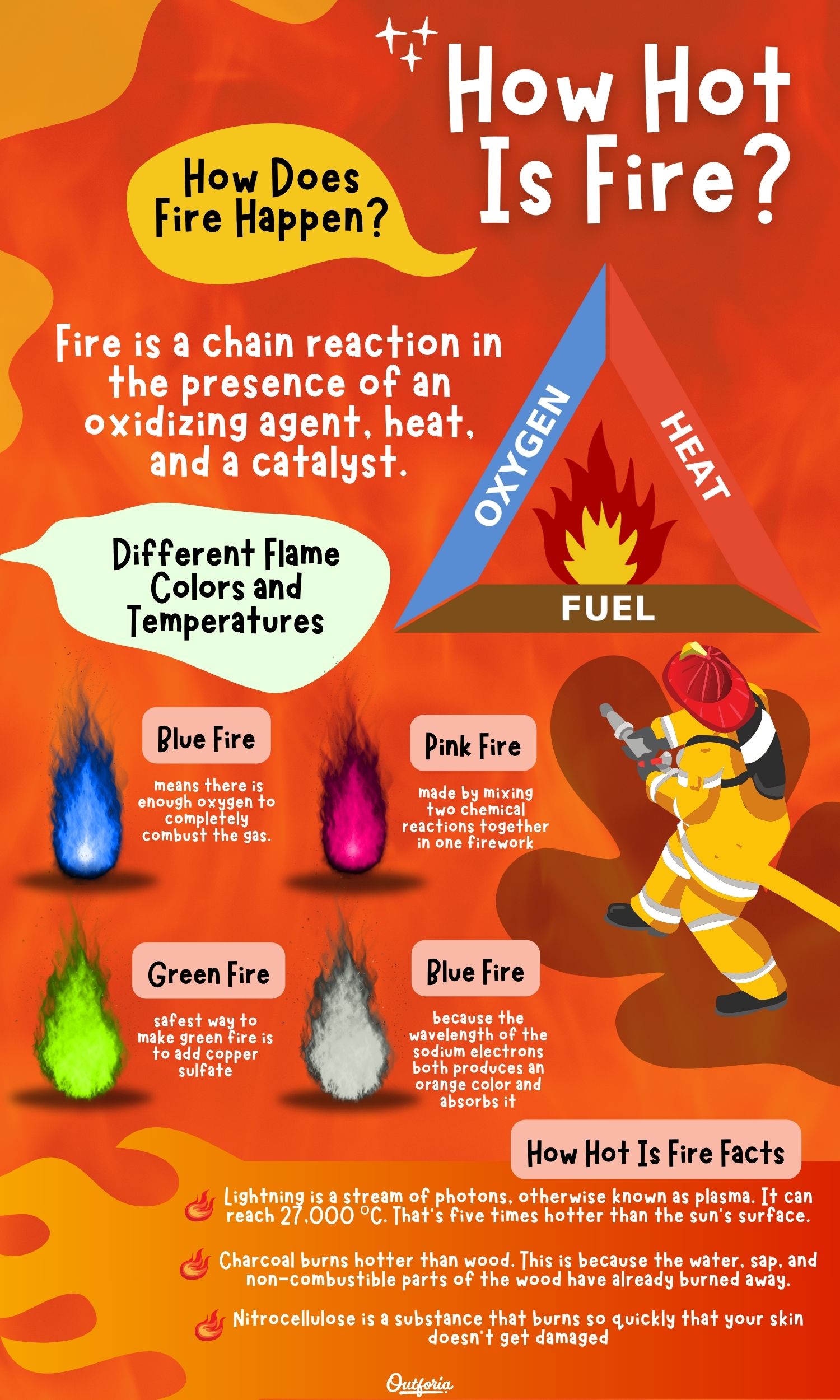
Fire, at its core, is a rapid oxidation process, a chemical reaction that releases energy in the form of heat and light. This energy release is the primary driver of fire’s temperature. The specific temperature achieved is not a fixed value but rather a dynamic outcome dictated by a complex interplay of chemical and physical factors.
Chemical Composition and Fuel Type
The type of fuel undergoing combustion is arguably the most significant determinant of fire’s temperature. Different materials possess varying chemical structures and bond energies. When these bonds break during oxidation, they release a specific amount of energy.
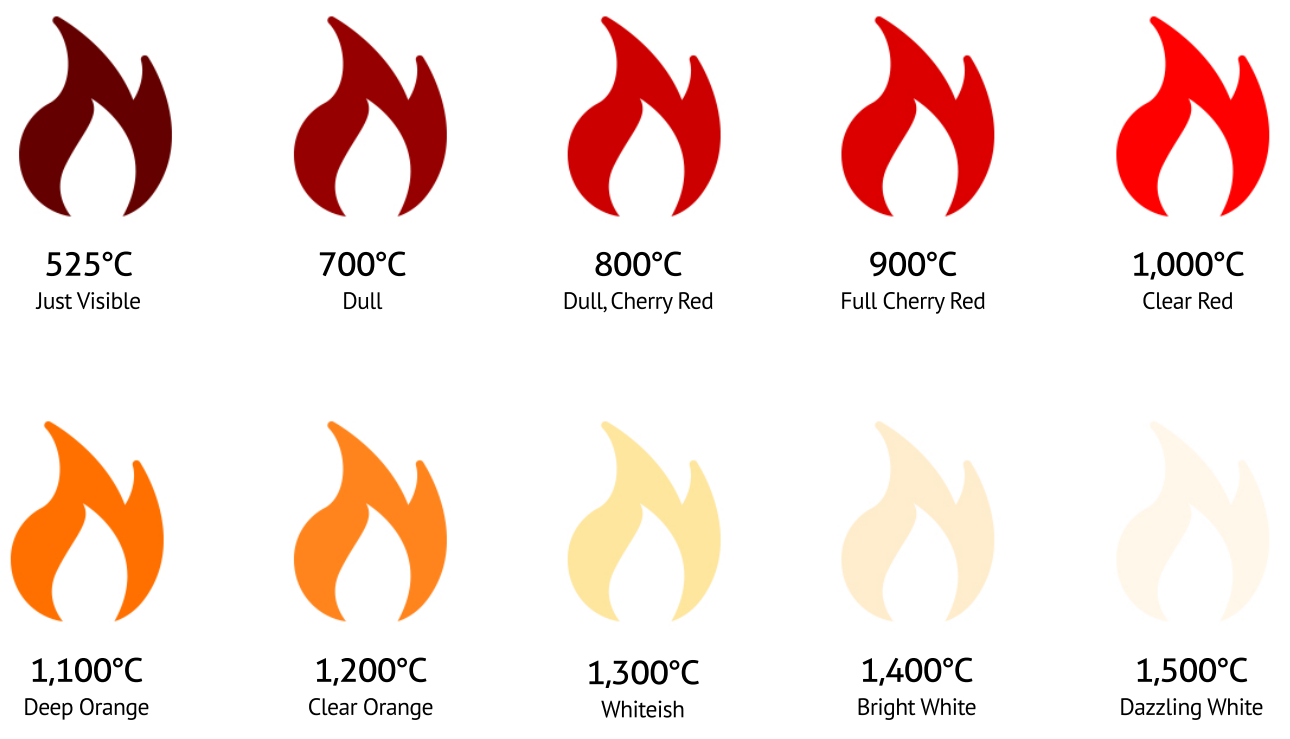
- Hydrocarbons: Fuels like wood, natural gas, and gasoline are rich in hydrocarbons. Their combustion typically produces higher temperatures due to the significant energy released from breaking carbon-hydrogen bonds. For instance, a typical wood fire might range from 600°C (1112°F) to 1100°C (2012°F), while natural gas combustion can reach temperatures exceeding 1980°C (3596°F).
- Metals: The combustion of certain metals, such as magnesium or aluminum, can produce extremely high temperatures, often exceeding 2000°C (3632°F). This property is exploited in pyrotechnics and specialized welding applications.
- Gases: The speed at which a fuel burns, its reactivity, and the efficiency of its mixing with oxygen also play crucial roles. Gaseous fuels, when perfectly mixed with air, can combust more rapidly and intensely, leading to higher temperatures than solid fuels in less optimal conditions.
Oxygen Availability and Stoichiometry
The amount of oxygen available for combustion, known as stoichiometry, is another crucial factor. Stoichiometry refers to the ideal ratio of fuel to oxidant (oxygen) required for complete combustion.
- Complete Combustion: In an ideal scenario, all the fuel is converted into carbon dioxide and water, releasing the maximum amount of energy and resulting in the highest possible temperature for that fuel.
- Incomplete Combustion: When oxygen is limited, incomplete combustion occurs. This produces byproducts like carbon monoxide and soot, and less energy is released, leading to a lower flame temperature. This is why a smoldering fire is cooler than a roaring bonfire. The efficiency of the combustion process, therefore, directly correlates with the heat output and consequently, the temperature.
Heat Transfer Mechanisms
Once heat is generated, it dissipates through three primary mechanisms: convection, conduction, and radiation. The efficiency of these processes influences the temperature profile within and around the flame.
- Convection: This is the transfer of heat through the movement of fluids (gases or liquids). Hot gases rise, carrying heat away from the combustion zone. In a fire, this is a major factor in how heat spreads upwards.
- Conduction: This is the transfer of heat through direct contact. While less significant in gaseous flames compared to solid materials, it plays a role in heat transfer to surrounding objects.
- Radiation: Fire emits electromagnetic radiation across a spectrum, including visible light and infrared radiation. This radiant heat can travel long distances and is a significant contributor to the overall perceived heat of a fire. The intensity of radiation is directly related to the temperature of the burning material.
Measuring Fire’s Temperature: Technologies and Techniques
Accurately measuring the temperature of fire is essential for scientific research, industrial safety, and the development of advanced fire management technologies. Due to the dynamic, volatile, and often hazardous nature of fire, specialized tools and techniques are employed.
Non-Contact Thermometry: The Dominant Approach
Directly inserting a temperature probe into a flame is often impractical and can be damaged by the extreme heat and reactive environment. Therefore, non-contact methods are the preferred approach.
- Infrared Thermometers (Pyrometers): These devices measure the thermal radiation emitted by an object. By analyzing the intensity and spectral distribution of this infrared radiation, the pyrometer can infer the temperature of the source. Different types of pyrometers exist, including:
- Total Radiation Pyrometers: These measure the total thermal radiation emitted by the target.
- Spectral Pyrometers: These measure radiation within specific wavelength bands, offering greater accuracy by accounting for the emissivity of the target material.
- Ratio Pyrometers: These measure the ratio of radiation emitted at two different wavelengths, providing a more robust measurement that is less affected by variations in emissivity or atmospheric obscuration.
- Thermal Imaging Cameras (Infrared Cameras): These advanced devices capture and display infrared radiation as a visual image, where different colors represent different temperature ranges. This allows for the visualization of temperature distribution across a large area, making them invaluable for identifying hotspots, assessing the spread of fire, and monitoring the effectiveness of suppression efforts in real-time. The resolution and spectral sensitivity of these cameras are critical for accurate temperature readings of flames.
Contact Thermometry: Specialized Applications

While less common for direct flame measurement, contact thermometry has its place in understanding the thermal effects of fire.
- Thermocouples: These sensors consist of two different metals joined at one end. When the junction is heated, a small voltage is generated, proportional to the temperature. For fire applications, thermocouples are often made of refractory metals (like tungsten-rhenium alloys) or ceramic sheaths to withstand extreme heat. They are typically used to measure the temperature of surfaces exposed to fire or within the cooler regions of a fire event.
- Resistance Temperature Detectors (RTDs): These sensors utilize the principle that the electrical resistance of certain materials changes with temperature. Platinum is commonly used due to its stability and wide temperature range. Like thermocouples, RTDs used in high-temperature environments require specialized construction to survive.
Advanced Measurement Techniques
Beyond standard thermometry, more sophisticated techniques are employed in research settings to gain deeper insights into fire’s thermal dynamics.
- Spectroscopy: Analyzing the light emitted by a flame can reveal information about the chemical species present and their excitation states, which are directly related to temperature. Techniques like emission spectroscopy and Raman spectroscopy can provide highly detailed temperature profiles within flames.
- Laser-Based Diagnostics: Techniques such as Laser-Induced Fluorescence (LIF) and Particle Image Velocimetry (PIV) can measure temperature, velocity, and species concentration within flames with high spatial and temporal resolution. These methods are crucial for fundamental research into combustion physics and the development of more efficient and cleaner combustion technologies.
Technological Implications of Fire Temperature Across Industries
The understanding and measurement of fire temperature have profound implications across numerous technological domains, influencing product design, process optimization, and safety protocols.
Advanced Materials Science and Engineering
The extreme temperatures generated by fire pose significant challenges for material performance. Researchers and engineers leverage knowledge of fire temperatures to:
- Develop Heat-Resistant Materials: This includes ceramic composites, superalloys, and advanced polymers designed to withstand prolonged exposure to high temperatures without degradation. These materials are critical for aerospace components, industrial furnaces, and protective gear.
- Design Thermal Barrier Coatings (TBCs): TBCs are applied to surfaces exposed to high heat, such as turbine blades in jet engines or exhaust components. They significantly reduce heat transfer, protecting the underlying material and extending its lifespan. The effectiveness of TBCs is directly tied to their ability to manage the intense thermal flux.
- Fire-Retardant Technologies: Understanding how materials react to heat and flame allows for the development of effective fire retardants. These additives work by interfering with the chemical reactions of combustion, reducing heat release, or forming protective char layers.
Industrial Processes and Safety
Many industrial processes involve high-temperature combustion, making precise temperature control and monitoring paramount.
- Furnace and Kiln Design: In industries like metallurgy, ceramics, and cement production, furnaces operate at extremely high temperatures. Understanding the temperature profiles within these systems, as well as the thermal stresses on the refractory linings, is crucial for efficiency, longevity, and preventing catastrophic failures. Advanced sensor technology and thermal imaging play vital roles here.
- Chemical Reactors: Certain chemical reactions require high temperatures to proceed efficiently. Designing and operating these reactors safely necessitates accurate measurement and control of flame temperatures to prevent runaway reactions or product degradation.
- Combustion Engine Optimization: In the automotive and aerospace sectors, understanding the combustion process within engines, including flame temperatures, is vital for improving fuel efficiency, reducing emissions, and enhancing performance. This involves advanced modeling and experimental validation using techniques that can measure in-cylinder temperatures.
Fire Detection, Suppression, and Prevention
The ability to accurately assess fire temperature is fundamental to all aspects of fire safety.
- Fire Detection Systems:
- Heat Detectors: These devices respond to a rise in ambient temperature. Different types exist, including fixed temperature detectors (which activate when a specific temperature is reached) and rate-of-rise detectors (which activate when the temperature increases rapidly). The design of these detectors is informed by typical fire temperature profiles.
- Flame Detectors: These optical detectors sense the electromagnetic radiation emitted by flames, specifically in the ultraviolet (UV) and infrared (IR) spectrums. Their sensitivity is calibrated to detect the characteristic signatures of fire, often linked to specific temperature ranges.
- Fire Suppression Systems:
- Water Sprinklers: The effectiveness of water sprinklers is dependent on reaching a certain temperature to activate. The flow rate and distribution of water are also designed to cool the fire below its ignition point.
- Gaseous Fire Suppression: Systems using agents like CO2 or inert gases work by displacing oxygen or absorbing heat. Their application parameters are determined by the expected temperature and scale of the fire.
- Fire Modeling and Simulation: Sophisticated software models are used to simulate fire behavior in buildings and industrial facilities. These models incorporate detailed physics, including heat transfer and combustion dynamics, to predict fire spread, smoke movement, and temperature development, aiding in building design and emergency planning.
Emerging Technologies and Future Directions
The quest to understand and control fire continues to drive innovation.
- AI and Machine Learning in Fire Management: AI algorithms are increasingly being used to analyze data from thermal sensors and fire detection systems to predict fire outbreaks, assess risk, and optimize response strategies in real-time. Machine learning can identify subtle patterns in temperature fluctuations that might indicate an incipient fire, even before conventional alarms are triggered.
- Advanced Materials for Extreme Environments: As space exploration and high-energy physics research push boundaries, the need for materials that can withstand even higher temperatures than current fire environments is growing. This research into ablative materials and novel heat shields is directly informed by the study of extreme thermal events.
- Sustainable Combustion Technologies: Developing cleaner and more efficient combustion processes for energy generation requires a deep understanding of flame temperatures, chemical kinetics, and heat transfer. Technologies like advanced gasification and plasma-assisted combustion aim to control these factors for reduced emissions and increased energy yield.
In conclusion, the question “What is the temp of fire?” opens a gateway into a complex and technologically vital field. From the fundamental chemistry of combustion to the cutting-edge sensors and materials designed to interact with it, understanding fire’s temperature is crucial for safety, innovation, and progress across a vast spectrum of human endeavor. As technology advances, our ability to measure, predict, and manage fire’s intense heat will only continue to grow, safeguarding our infrastructure and enabling new technological frontiers.
aViewFromTheCave is a participant in the Amazon Services LLC Associates Program, an affiliate advertising program designed to provide a means for sites to earn advertising fees by advertising and linking to Amazon.com. Amazon, the Amazon logo, AmazonSupply, and the AmazonSupply logo are trademarks of Amazon.com, Inc. or its affiliates. As an Amazon Associate we earn affiliate commissions from qualifying purchases.