
North Korea, officially the Democratic People’s Republic of Korea (DPRK), presents a unique and often perplexing case study when examining the concept of religion. While overtly secular in its official pronouncements, the nation is deeply permeated by an all-encompassing ideology that functions with the fervor and devotion typically associated with religious belief. This ideology, known as Juche and its later evolution Songun (military-first politics), is not merely a political doctrine; it is the bedrock of North Korean identity, a quasi-religious system that dictates every facet of life, from individual thought to national policy. Understanding Juche is paramount for comprehending the “religion” that truly defines North Korea, and for any external entity seeking to forge a meaningful brand association or understand its unique national identity.
The Genesis and Dominance of Juche: The State’s Master Brand
The concept of Juche, meaning “self-reliance,” emerged as the guiding principle of North Korea in the post-Korean War era. It was formally articulated and propagated by Kim Il-sung, the founder of the nation, and has since been elevated to an almost divine status, forming the core of the state’s branding strategy. Juche is not presented as a mere political philosophy but as a comprehensive worldview, a totalizing system that provides answers to all questions, shaping the collective consciousness and individual purpose within the DPRK.
Juche as an Ideological Framework: The Foundation of National Identity
At its heart, Juche emphasizes the importance of the Korean people’s independent spirit and their ability to shape their own destiny without reliance on external forces. This message of self-sufficiency and national pride was particularly potent in the context of post-colonial Korea, seeking to forge a distinct identity free from foreign influence. The ideology promotes absolute loyalty to the leader, who is portrayed as the embodiment of the nation’s will and the guarantor of its prosperity and security.
The tenets of Juche are disseminated through ubiquitous propaganda, art, education, and public rituals. Schools and workplaces are imbued with Juche education, where individuals are taught to study the leader’s speeches, understand the principles of self-reliance, and internalize the collective good over individual desires. This constant reinforcement creates an environment where Juche is not just a set of beliefs but the very air that citizens breathe, shaping their understanding of themselves and the world. For any external brand seeking to enter or understand the North Korean market or public perception, ignoring the pervasive influence of Juche would be a fundamental strategic error. It is the primary differentiator of North Korea’s national brand.
The Cult of Personality: The Living Embodiment of Juche
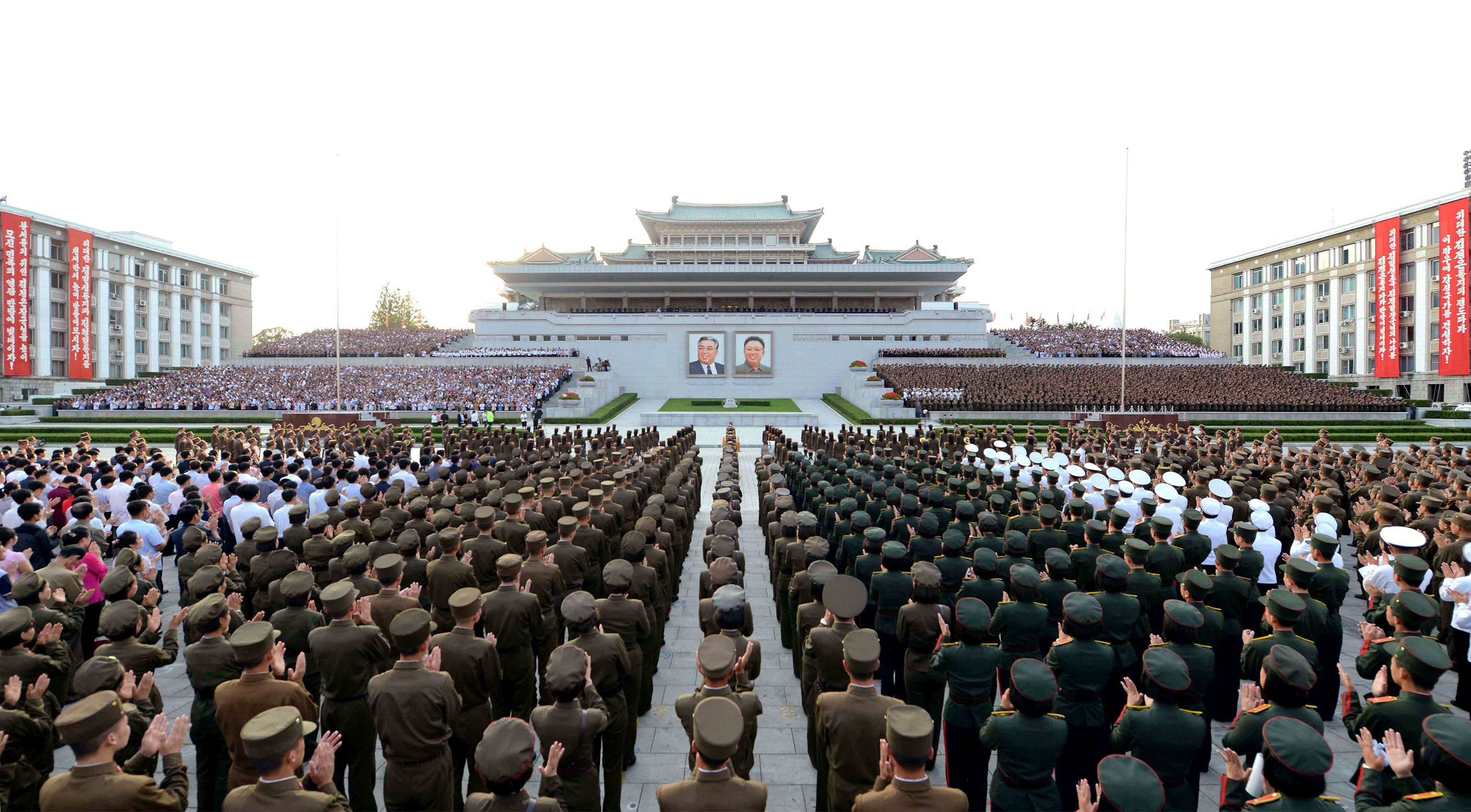
A critical component of the Juche ideology, and indeed the national branding of North Korea, is the intense cult of personality surrounding its leaders. Kim Il-sung, his son Kim Jong-il, and now his grandson Kim Jong-un are not simply viewed as political figures; they are revered as infallible, almost god-like entities. Their portraits adorn every home, office, and public space. Their lives are meticulously documented and mythologized, presenting them as saviors and benevolent father figures who have guided the nation through trials and tribulations.
This deification of the leadership serves a powerful branding purpose. It unifies the populace under a single, unquestionable authority, projecting an image of unwavering strength and stability to the outside world. The leaders are presented as the ultimate embodiment of the nation’s success and its aspirations. Any interaction with North Korea, whether diplomatic, economic, or cultural, invariably involves navigating this deeply entrenched cult of personality. Brands seeking to establish any form of presence or understanding must recognize the profound respect and devotion commanded by the Kim dynasty, as this is an indispensable element of the nation’s identity and brand.
Songun and the Militarization of the National Brand
While Juche laid the foundational ideology, the Songun policy, or “military-first politics,” has become the dominant operational principle in recent decades, further shaping North Korea’s national brand. This policy prioritizes the Korean People’s Army (KPA) above all other state affairs, placing military development and security at the forefront of national efforts. Songun is not just a military strategy; it is a worldview that imbues the military with paramount importance in all aspects of society, solidifying its role as a central pillar of the national brand.
The Military as the Vanguard of the Revolution and National Identity
Under Songun, the military is not merely an instrument of defense; it is presented as the vanguard of the revolution, the protector of the Juche ideology, and the ultimate guarantor of the nation’s sovereignty. This emphasis translates into a pervasive militarization of society. Young men and women are encouraged to join the military, and military service is often portrayed as a noble and patriotic duty. Military parades, missile tests, and displays of military strength are regular occurrences, serving to reinforce the image of a powerful and resilient nation that is capable of defending itself against any threat.
For external stakeholders, understanding Songun is critical for assessing North Korea’s priorities and its strategic outlook. It explains the immense resources allocated to the military, even at the expense of economic development and citizen welfare. Any brand attempting to engage with North Korea, whether through trade, cultural exchange, or diplomatic overtures, must acknowledge the elevated status of the military and its central role in the nation’s self-perception and international projection. The military-first approach has become a defining characteristic of North Korea’s national brand, projecting an image of strength, defiance, and unwavering resolve.
The Intertwined Nature of Military Strength and National Legitimacy
Songun policy directly links military strength to national legitimacy and the preservation of the Juche system. The leadership often frames military advancements, particularly in nuclear weapons and missile technology, not as aggressive postures but as necessary measures to deter foreign aggression and ensure the survival of the Korean people. This narrative is consistently amplified through state media, reinforcing the idea that military power is essential for maintaining the nation’s independence and its unique way of life.
This creates a brand image of a nation that is defiant, self-reliant, and unyielding in the face of perceived external threats. For brands or nations seeking to engage with North Korea, this militaristic identity is a crucial factor to consider. It dictates the negotiation landscape, the communication style, and the overall perception of risk and opportunity. The Songun policy has, in essence, militarized the very brand of North Korea, making its military prowess a central element of its global identity and its internal justification for existence.
The Fading Whispers of Traditional Religions: A Marginalized Brand Element
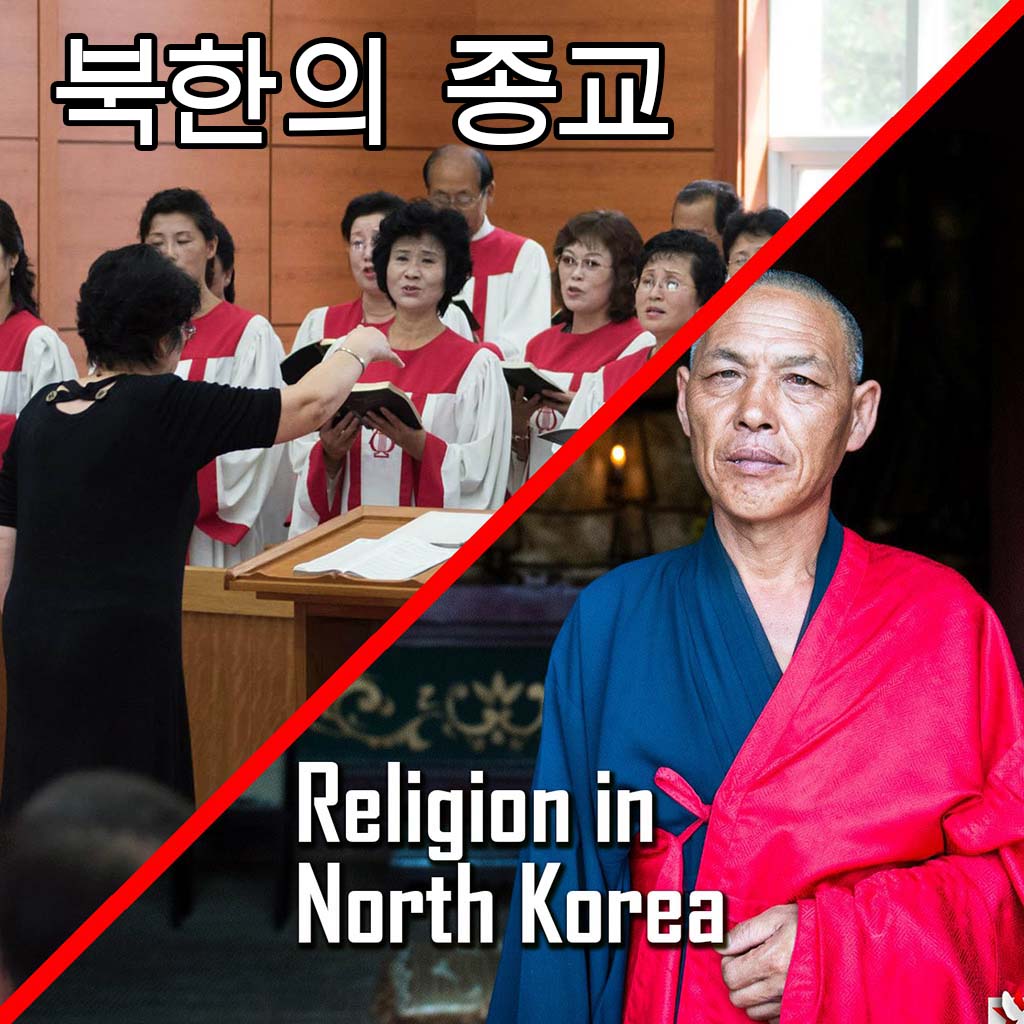
While Juche and Songun dominate the ideological landscape, the status of traditional religions in North Korea is significantly different. Historically, Korean society has had elements of shamanism, Buddhism, and Confucianism. However, under the current regime, these traditional faiths have been heavily suppressed, their influence relegated to a marginalized and carefully controlled space. Their role in the national brand is minimal, often used only in carefully curated contexts or for external projection.
State Control and the Marginalization of Traditional Beliefs
The North Korean constitution nominally guarantees freedom of religion, but in practice, this freedom is severely restricted. Religious activities are subject to strict state control, and any independent religious organization is essentially non-existent. For the most part, official religious institutions are state-sponsored entities designed to present an image of religious freedom to the international community, rather than to foster genuine spiritual practice among the populace.
The state actively discourages or outright prohibits any religious expression that could challenge the supremacy of Juche ideology or the cult of personality. This has led to the widespread suppression of religious practitioners and the destruction of religious sites. The branding of North Korea is thus characterized by the absence of robust, independent religious expression, a stark contrast to many other nations. The official narrative actively downplays or ignores the historical religious traditions, focusing instead on the secular ideology of Juche.
Limited Official Religious Expression: A Facade of Pluralism
While traditional religions are largely suppressed, the North Korean government does permit the existence of a few state-sanctioned religious organizations, primarily for diplomatic and propaganda purposes. These include the Korean Buddhist Federation and the Korean Christian Federation. These organizations are carefully managed and their activities are strictly monitored to ensure they align with state objectives and do not pose any challenge to the ruling ideology.
These officially recognized religious bodies often engage in limited public-facing activities, such as hosting foreign delegations or participating in interfaith dialogues initiated by the state. However, these engagements are typically symbolic, designed to project an image of religious tolerance and diversity to the outside world. For brands or entities interacting with North Korea, these officially sanctioned religious organizations should be understood as carefully managed instruments of state policy, rather than expressions of genuine religious freedom or community. They represent a curated and controlled element of North Korea’s national brand, designed for external consumption rather than internal spiritual fulfillment.
In conclusion, the “religion” in North Korea is not a matter of traditional faith but of a meticulously constructed state ideology. Juche, coupled with the militaristic Songun policy and the deification of its leaders, forms a powerful and pervasive national brand. This ideological system dictates every aspect of life, shapes individual identity, and projects a carefully curated image to the world. Any attempt to understand, engage with, or build a brand association with North Korea must first and foremost grapple with the all-encompassing nature of its unique, state-crafted belief system.
aViewFromTheCave is a participant in the Amazon Services LLC Associates Program, an affiliate advertising program designed to provide a means for sites to earn advertising fees by advertising and linking to Amazon.com. Amazon, the Amazon logo, AmazonSupply, and the AmazonSupply logo are trademarks of Amazon.com, Inc. or its affiliates. As an Amazon Associate we earn affiliate commissions from qualifying purchases.