
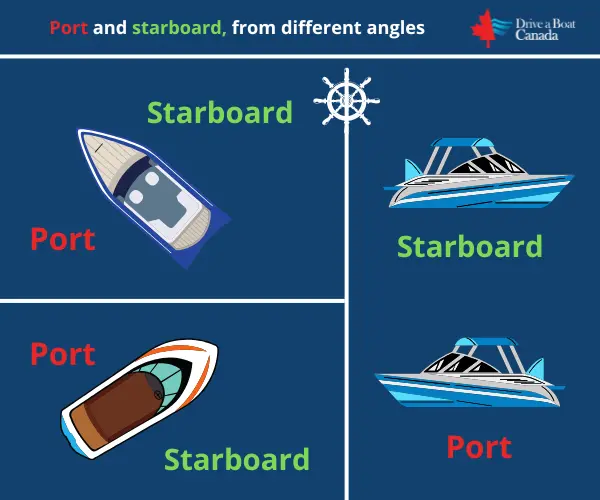
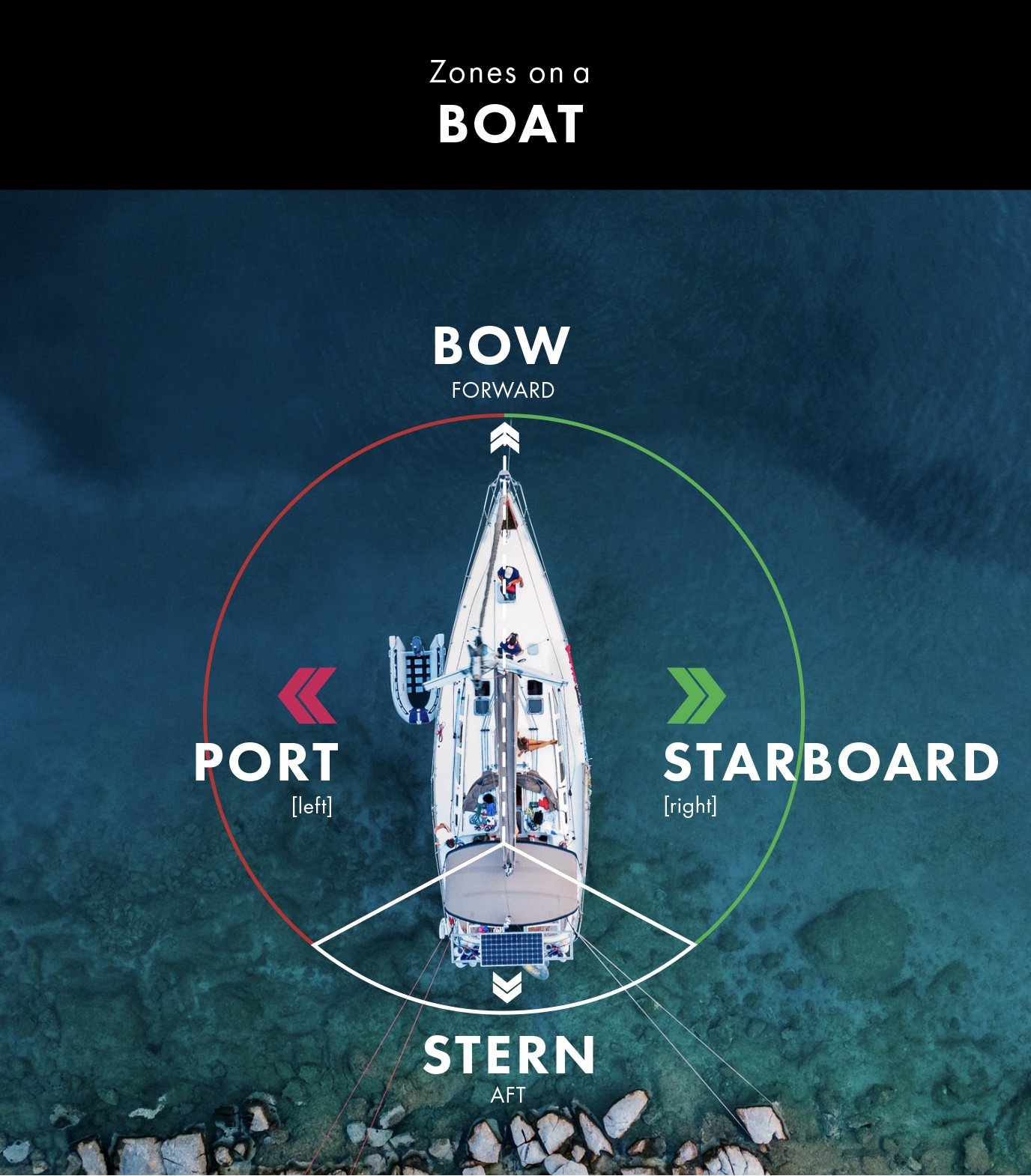
The maritime world, rich with its own unique vocabulary and traditions, often presents a fascinating challenge to those unfamiliar with its jargon. Among the most fundamental terms, yet frequently misunderstood by landlubbers, is the concept of the “port side.” This isn’t just a matter of nautical trivia; understanding the port side is crucial for effective communication, safe navigation, and even for appreciating the historical evolution of seafaring practices. In essence, the port side refers to the left-hand side of a vessel when viewed from the stern (rear) and facing forward. While this definition seems straightforward, its implications ripple through various aspects of maritime operations and technology.
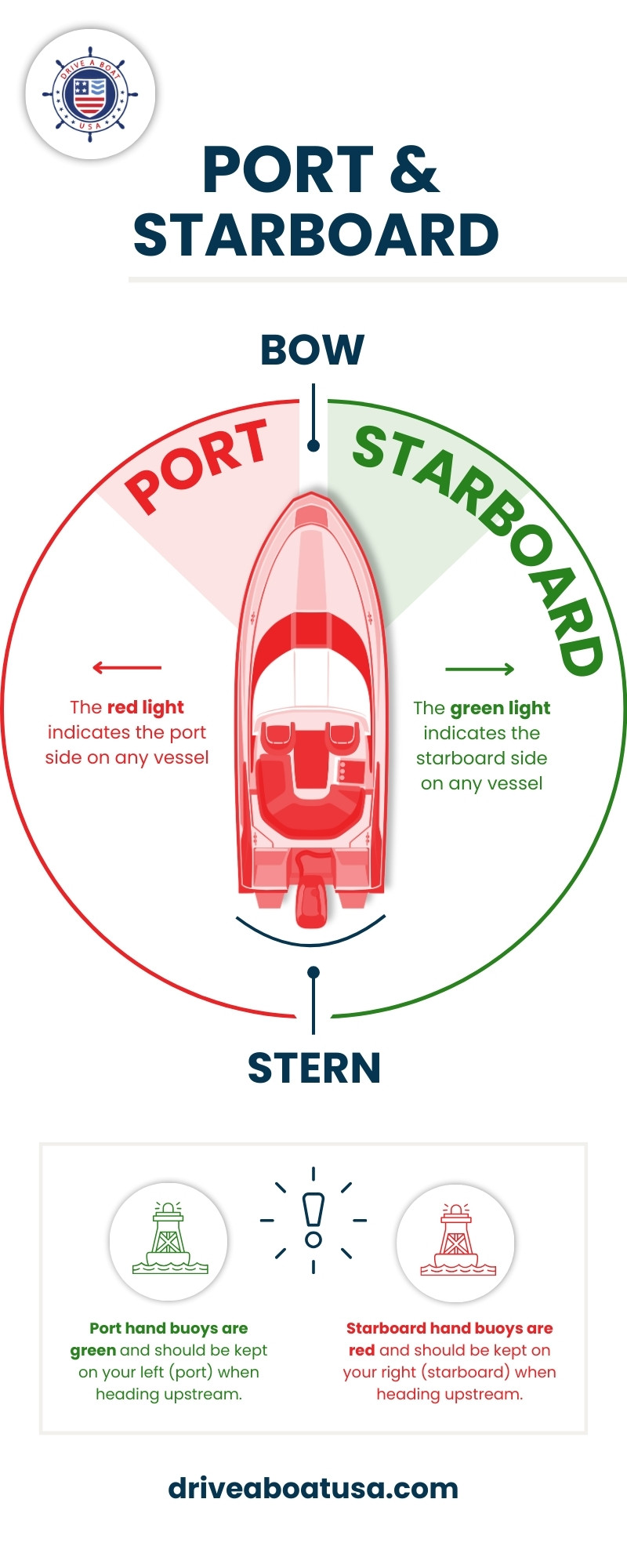
The designation of “port” is not arbitrary. It originates from the historical practice of ships docking at ports, where the vessel’s left side would typically be positioned alongside the quayside for easier loading and unloading of cargo and passengers. This contrasts with the “starboard” side, which traditionally faced outwards into the open water. The terminology evolved to ensure unambiguous communication among crew members, regardless of their position on deck or the prevailing weather conditions. In an environment where clear direction is paramount, terms like “port” and “starboard” provide a fixed, internal reference point, transcending the need to constantly reorient based on external landmarks.
The Historical Roots of Maritime Terminology
The reliance on specific, unchanging directional terms on a ship is a testament to the demanding and often dangerous nature of maritime life. Before the advent of sophisticated navigation systems, crew members had to communicate with absolute precision to execute maneuvers, manage sails, and respond to emergencies. The very survival of the vessel and its inhabitants depended on this clarity. The distinction between port and starboard is a foundational element of this system, ensuring that commands are understood and acted upon without hesitation or misinterpretation.
From “Larboard” to “Port”: A Linguistic Evolution
Interestingly, the term “port” wasn’t always the standard. Historically, the left side of the ship was known as the “larboard” side. However, in the cacophony of shipboard life, particularly during storms or battles, “larboard” and “starboard” sounded too similar, leading to potential confusion. To mitigate this risk, the term “port” gradually gained prominence, likely due to the aforementioned practice of docking at ports on the left side. This semantic shift, driven by the practical need for clearer communication, highlights how language on ships is a living, evolving entity, shaped by the realities of the sea. The adoption of “port” over “larboard” is a prime example of how maritime language prioritizes safety and efficiency. This evolution wasn’t instantaneous but rather a gradual adoption influenced by common usage and the inherent logic of aligning a term with a practical function.
The Importance of Unambiguous Direction
In any operational environment, especially one as dynamic as a ship at sea, ambiguity can be a critical liability. Imagine a helmsman receiving an instruction: “turn the ship.” Without a clear directional reference, this command is meaningless. However, “turn to port” or “turn to starboard” provides precise instructions, allowing the helmsman to execute the maneuver with certainty. This binary system of left and right, anchored to the vessel itself, is indispensable for everything from simple course corrections to complex docking procedures. The constancy of these terms, irrespective of the ship’s heading or the surrounding environment, provides a stable framework for navigational decisions.
Navigational Implications and Safety Protocols
The concept of port and starboard extends far beyond simple identification; it is deeply embedded in maritime regulations, safety protocols, and the design of vessels themselves. The visual cues and expected behaviors associated with each side are crucial for preventing collisions and ensuring orderly passage.
Collision Avoidance and the “Rules of the Road”
One of the most significant applications of the port/starboard distinction lies in collision avoidance, governed by the International Regulations for Preventing Collisions at Sea (COLREGs), often colloquially referred to as the “Rules of the Road.” These rules establish a hierarchy of vessel responsibilities and dictate how ships should maneuver when encountering each other. A key principle is that a vessel approaching another ship head-on should both alter course to starboard (right). When one vessel is overtaking another, the overtaking vessel must keep clear of both the port and starboard sides of the vessel being overtaken.
Perhaps the most universally recognized rule related to port and starboard is the concept of “give way” and “stand on.” When two power-driven vessels are on a crossing course, the vessel that has the other on its starboard (right) side is the “give way” vessel and must take action to avoid collision. The vessel with the other on its port (left) side is the “stand on” vessel and has the right of way, maintaining its course and speed. This seemingly simple rule, based on the relative position of the two vessels’ port and starboard sides, is fundamental to preventing catastrophic accidents. The consistent application of these rules, underpinned by the unambiguous identification of port and starboard, has saved countless lives and vessels over the decades.
Visual Identification and Aids to Navigation
The port and starboard sides are also visually demarcated through a system of navigation lights, a critical element of maritime safety, especially during periods of reduced visibility or at night. A power-driven vessel underway will display a red light on its port (left) side and a green light on its starboard (right) side. These lights are positioned to be visible from ahead and to the sides, allowing other vessels to ascertain their relative bearing and intentions. If you see a red light, you know the other vessel is presenting its port side to you. If you see a green light, it’s presenting its starboard side. The combination of red and green lights indicates a head-on or nearly head-on encounter, triggering specific collision avoidance maneuvers. Understanding these light combinations is as vital as understanding the terms port and starboard themselves, forming a visual language of the sea. Furthermore, in harbors and along shorelines, navigational aids like buoys often have specific colors and markings associated with port and starboard channels, further reinforcing these directional conventions.
Nautical Etiquette and Shipboard Organization
Beyond critical safety regulations, the distinction between port and starboard permeates nautical etiquette and the organizational structure of a ship. These conventions contribute to a smoother and more efficient operation, fostering a sense of order and discipline.
Docking and Berthing Procedures
When a ship docks or berths, the port side is often the designated side for approaching the quay or pier. This is a practical consideration, stemming from the historical origins of the term. The port side is typically where the gangway, or boarding ramp, is deployed, providing access for passengers and crew. Conversely, the starboard side is usually kept clear, facing the open water, which can be important for maintaining stability or avoiding potential obstructions along the pier. The crew will meticulously prepare the port side for docking, ensuring all necessary equipment is in place and personnel are stationed to guide the vessel alongside. This predictable pattern of operation simplifies complex maneuvers and reduces the risk of damage to the ship or the dock.
The “Port Tack” and “Starboard Tack” in Sailing
For sailing vessels, the distinction between port and starboard is fundamental to understanding the wind’s interaction with the sails. A sailboat is said to be on a “port tack” when the wind is coming over its port (left) side. Conversely, it is on a “starboard tack” when the wind is coming over its starboard (right) side. This is a critical piece of information for sailors as it dictates the direction they can travel relative to the wind and influences how they trim their sails. When two sailboats are approaching each other on the same tack, the one on the starboard tack has the right of way. If they are on different tacks, the vessel on the port tack must give way to the vessel on the starboard tack. This rule, directly linked to the terms port and starboard, is a cornerstone of sailing etiquette and safety, ensuring fair racing and preventing collisions on the water.
Technological Advancements and the Enduring Relevance of “Port Side”
In the modern era, while sophisticated electronic navigation systems have revolutionized seafaring, the fundamental terminology of port and starboard remains as relevant as ever. These terms are not simply archaic relics; they are integrated into the very fabric of maritime technology and operational protocols.
Integrated Bridge Systems and Digital Displays
Modern ships are equipped with highly sophisticated Integrated Bridge Systems (IBS) that consolidate navigational information onto digital displays. These displays will invariably depict the vessel’s orientation, clearly marking the port and starboard sides. Even with advanced radar and GPS, the human element remains critical. When an officer observes a potential hazard on their radar, the immediate instinct is to identify its bearing relative to the ship’s own port or starboard. Similarly, electronic charts and navigational tools will use these designations to orient the user and present critical data, such as the closest point of approach or the location of other vessels. The digital representation of the ship’s layout on these screens reinforces the physical reality of its port and starboard dimensions, ensuring that even with advanced technology, the basic principles of maritime orientation are maintained.
Vessel Traffic Services (VTS) and Communication
Vessel Traffic Services (VTS) are shore-based systems that monitor and manage maritime traffic in busy waterways. When communicating with VTS operators, or when vessels communicate with each other, the terms port and starboard are essential for clear and concise reporting. For instance, a vessel might report its position and the bearing of another vessel as “traffic on our starboard bow” or “approaching from our port quarter.” This standardized language ensures that VTS operators, who may be monitoring dozens of vessels simultaneously, can quickly understand the spatial relationships between ships and provide timely advice or instructions. The efficiency and safety of these complex traffic management systems are directly dependent on the clear and consistent use of fundamental maritime directional terms like port and starboard.
In conclusion, the “port side” of a ship, understood as its left-hand side when facing forward, is far more than just a simple label. It is a term steeped in history, intrinsically linked to safety protocols, and deeply embedded in the operational language of maritime endeavors. From its origins in practical docking procedures to its integration with cutting-edge navigational technology, the concept of the port side continues to be a vital element in ensuring clear communication, preventing collisions, and maintaining the orderly flow of vessels across the world’s oceans. Understanding this fundamental directional distinction is a key step for anyone seeking to comprehend the intricacies of seafaring.
aViewFromTheCave is a participant in the Amazon Services LLC Associates Program, an affiliate advertising program designed to provide a means for sites to earn advertising fees by advertising and linking to Amazon.com. Amazon, the Amazon logo, AmazonSupply, and the AmazonSupply logo are trademarks of Amazon.com, Inc. or its affiliates. As an Amazon Associate we earn affiliate commissions from qualifying purchases.