
The question of “what is the minimum wage in Oklahoma?” is more than just a simple numerical inquiry; it’s a fundamental piece of information that impacts the financial well-being of hundreds of thousands of Oklahomans and shapes the operational costs for countless businesses across the state. Understanding the intricacies of minimum wage, its history, its current standing, and its future implications is crucial for anyone navigating the economic landscape of Oklahoma, whether as an employee seeking fair compensation or an employer striving for compliance and sustainable growth. This article delves into the current minimum wage in Oklahoma, explores the factors that influence it, examines the legal framework surrounding it, and discusses its broader economic effects.
The Current Minimum Wage in Oklahoma: A Snapshot
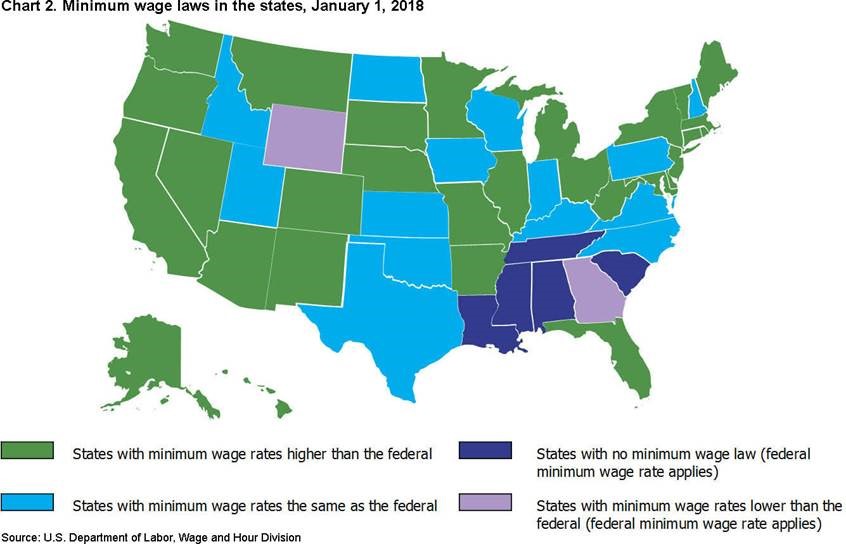
As of the most recent legislative updates, Oklahoma’s state minimum wage remains at $7.25 per hour. This figure aligns with the federal minimum wage, which sets a baseline for hourly pay across the United States. However, it’s important to note that while the federal rate is $7.25, individual states can enact their own minimum wage laws. When a state’s minimum wage is higher than the federal minimum wage, employers must pay the higher state rate. Conversely, if a state’s minimum wage is lower than the federal rate, employers are bound by the federal minimum wage. In Oklahoma’s case, the state rate and the federal rate are identical, meaning the $7.25 per hour is the legally mandated minimum for most employees.
Who is Covered by the Minimum Wage?
The Fair Labor Standards Act (FLSA) is the federal law that establishes minimum wage, overtime pay, recordkeeping, and child labor standards affecting most full-time and part-time workers in the private sector and in Federal, State, and local governments. However, not all employees are covered by the FLSA, and thus not all are guaranteed the minimum wage. Generally, employees are covered if they are employed by an enterprise that has an annual gross volume of sales or business done of $500,000 or more, or if they are individually engaged in interstate commerce or in the production of goods for interstate commerce.
There are also numerous exemptions and special provisions within the FLSA that can affect minimum wage requirements. These can include:
- Tipped Employees: For employees who regularly receive more than $30 a month in tips, the FLSA allows employers to pay a lower cash wage, provided that the tips received, when added to the cash wage, equal at least the federal minimum wage. In Oklahoma, this employer cash wage is $2.13 per hour, meaning tipped employees must receive at least $5.12 in tips per hour to meet the $7.25 minimum wage requirement. If a tipped employee doesn’t earn enough in tips to reach the minimum wage, the employer is responsible for making up the difference.
- Youth Workers: While generally covered, there are provisions for employing full-time students at a sub-minimum wage rate of 85% of the federal minimum wage under specific circumstances, though this requires special certificates.
- Certain Agricultural Workers: Some agricultural employees may be exempt or subject to different minimum wage rules.
- Independent Contractors: Individuals classified as independent contractors are not covered by minimum wage laws, as they are considered self-employed rather than employees. The distinction between employee and independent contractor is a critical one, often subject to legal scrutiny.
- Learners and Apprentices: In some cases, employers may be permitted to pay learners or apprentices a sub-minimum wage rate for a limited period to allow them to acquire job skills.
It is crucial for both employers and employees to understand whether an employee is covered by minimum wage laws and any applicable exemptions or special provisions. Misclassification or misunderstanding can lead to significant legal and financial repercussions.
The Debate: Why $7.25 Persists in Oklahoma
Oklahoma’s adherence to the federal minimum wage of $7.25 per hour has been a subject of ongoing discussion and debate. While this rate has remained static for years, many other states and cities have implemented higher minimum wages, driven by concerns about the rising cost of living and the need for workers to earn a livable income. The persistence of the $7.25 rate in Oklahoma can be attributed to several factors, including:
- Political Climate: The prevailing political and economic philosophies in Oklahoma have often favored lower labor costs, with a focus on business growth and job creation through reduced regulatory burdens. Legislative efforts to increase the state minimum wage have historically faced significant opposition.
- Economic Considerations: Proponents of maintaining the current minimum wage argue that increasing it would place an undue burden on small businesses, potentially leading to job losses, reduced hiring, and increased prices for consumers. They contend that a higher minimum wage could stifle economic competitiveness.
- Absence of State-Level Mandate for Higher Wage: Unlike states that have proactively passed legislation to set their minimum wage above the federal level, Oklahoma has not taken such action. This has effectively left the federal minimum wage as the de facto state minimum wage.
The ongoing discussion highlights a fundamental tension between the desire for economic growth and the imperative to ensure that workers can earn a wage that allows them to meet their basic needs.
The Impact of Minimum Wage on the Oklahoma Economy
The minimum wage, whether at the federal level or a higher state-mandated rate, has multifaceted impacts on the economy. For Oklahoma, understanding these effects is crucial for policymakers, businesses, and individuals alike. The implications can be observed in several key areas:
Effects on Low-Wage Workers and Poverty Reduction
The most direct impact of a minimum wage is on low-wage workers. An increase in the minimum wage can lift families out of poverty, improve their purchasing power, and reduce their reliance on public assistance programs. For individuals earning at or near the minimum wage, a higher wage translates into more disposable income, which can be used for essential needs like housing, food, healthcare, and education. This increased spending can, in turn, stimulate local economies.

However, critics often argue that minimum wage increases can disproportionately affect certain demographics, particularly young or less-skilled workers, by making them more expensive to hire and thus potentially leading to fewer employment opportunities for them. The debate often centers on whether the minimum wage is an effective tool for poverty reduction or if it creates unintended negative consequences for employment.
Business Costs and Competitiveness
For businesses, particularly those with a large number of minimum wage employees, an increase in the minimum wage directly translates to higher labor costs. This can put pressure on profit margins, especially for small businesses operating on thin margins. Businesses may respond to increased labor costs in several ways:
- Price Increases: Some businesses may pass on the increased labor costs to consumers in the form of higher prices for goods and services. This can lead to inflation, particularly in sectors heavily reliant on low-wage labor.
- Reduced Hiring or Staffing Levels: To manage costs, businesses might slow down hiring, reduce employee hours, or even lay off workers.
- Increased Automation or Efficiency: Businesses might invest in technology or process improvements to reduce their reliance on human labor, thereby offsetting the higher wage costs.
- Reduced Benefits or Perks: In some instances, businesses might cut back on non-wage benefits or employee perks to compensate for higher wage expenses.
The concern for businesses in Oklahoma, especially in regions with a lower cost of living compared to national averages, is maintaining competitiveness. If neighboring states or regions have significantly higher minimum wages, businesses in Oklahoma might argue they are at a disadvantage in terms of labor costs.
Broader Economic Implications: Spending, Demand, and Economic Growth
The economic effects of minimum wage extend beyond individual workers and businesses. When low-wage workers have more money to spend, it can lead to an increase in consumer demand for goods and services. This increased demand can, in turn, stimulate economic activity and potentially lead to job creation in other sectors.
Economists hold varying views on the net effect of minimum wage increases on overall economic growth. Some studies suggest that modest increases have little to no negative impact on employment and can lead to positive economic outcomes through increased consumer spending. Others argue that significant increases can indeed lead to job losses and hinder economic expansion. The specific economic context of Oklahoma, including its industry mix and cost of living, plays a significant role in how these broader implications manifest.
Legal Framework and Future Outlook for Oklahoma’s Minimum Wage
The minimum wage in Oklahoma is not a static entity; it is governed by federal and state laws, and its future trajectory is subject to legislative action and ongoing economic considerations. Understanding the legal framework and potential future developments is essential for staying informed.
Federal vs. State Authority
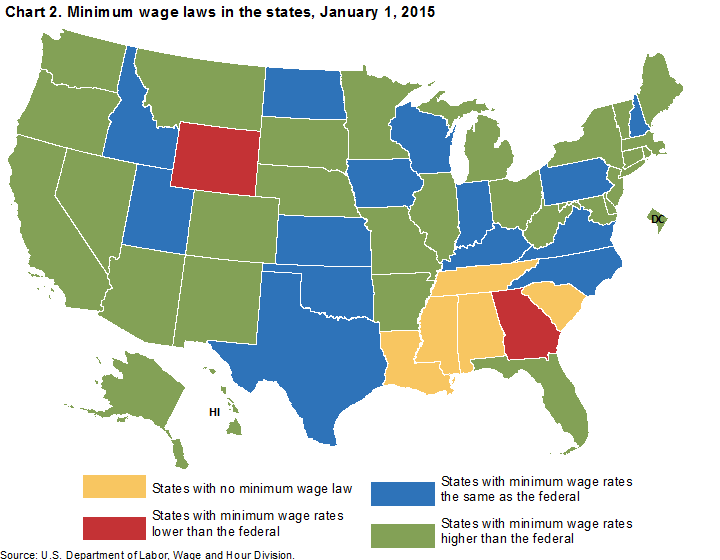
The Fair Labor Standards Act (FLSA) establishes the federal minimum wage. As previously mentioned, states have the authority to set their own minimum wage laws, provided they are at least equal to the federal minimum wage. If a state’s minimum wage is higher than the federal rate, employers must pay the higher state rate. If a state’s minimum wage is lower than the federal rate, employers are obligated to pay the federal minimum wage. In Oklahoma’s current situation, the state rate is equal to the federal rate.
This means that any change to Oklahoma’s minimum wage would require specific legislative action at the state level. The federal government could also, in theory, increase the federal minimum wage, which would then automatically raise the minimum wage in Oklahoma if the state had not enacted its own higher rate.
Legislative Efforts and the Path Forward
Throughout the years, there have been legislative proposals in Oklahoma aimed at increasing the state’s minimum wage. These proposals typically face debate and scrutiny, with proponents advocating for a living wage and opponents raising concerns about economic impacts. The success or failure of these legislative efforts hinges on the political will, the economic conditions, and the advocacy of various stakeholder groups.
The future of Oklahoma’s minimum wage will likely continue to be shaped by these ongoing discussions. Factors that could influence future changes include:
- National Trends: If the federal minimum wage is increased, it could create more momentum for state-level adjustments in Oklahoma.
- Cost of Living: As the cost of living in Oklahoma continues to evolve, the adequacy of the current minimum wage may become a more pressing issue.
- Economic Performance: The overall health of Oklahoma’s economy will play a role in how legislative bodies perceive the feasibility of minimum wage adjustments.
- Advocacy and Public Opinion: Grassroots movements, labor unions, and business groups all exert influence on legislative decisions. Public opinion regarding fair wages and economic fairness can also shape the debate.
As of now, the minimum wage in Oklahoma remains at $7.25 per hour. However, the conversation about whether this rate is sufficient, equitable, and conducive to both worker well-being and business sustainability is an ongoing one. For individuals and businesses operating in Oklahoma, staying informed about potential legislative changes and economic trends is paramount to financial planning and strategic decision-making.
aViewFromTheCave is a participant in the Amazon Services LLC Associates Program, an affiliate advertising program designed to provide a means for sites to earn advertising fees by advertising and linking to Amazon.com. Amazon, the Amazon logo, AmazonSupply, and the AmazonSupply logo are trademarks of Amazon.com, Inc. or its affiliates. As an Amazon Associate we earn affiliate commissions from qualifying purchases.