
Navigating the complexities of wage laws is a crucial aspect of financial planning for both employees and employers. For those operating within or considering opportunities in the Pelican State, understanding Louisiana’s minimum wage is paramount. This guide delves into the current minimum wage in Louisiana, its historical context, the factors influencing it, and its implications for individuals and businesses.
The Current Minimum Wage Landscape in Louisiana
Louisiana, like many states, has a minimum wage that impacts a significant portion of its workforce. As of the latest available data, Louisiana does not have its own state minimum wage that is higher than the federal minimum wage. This means that for most employers in Louisiana, the federal minimum wage of $7.25 per hour is the legally mandated minimum rate of pay.
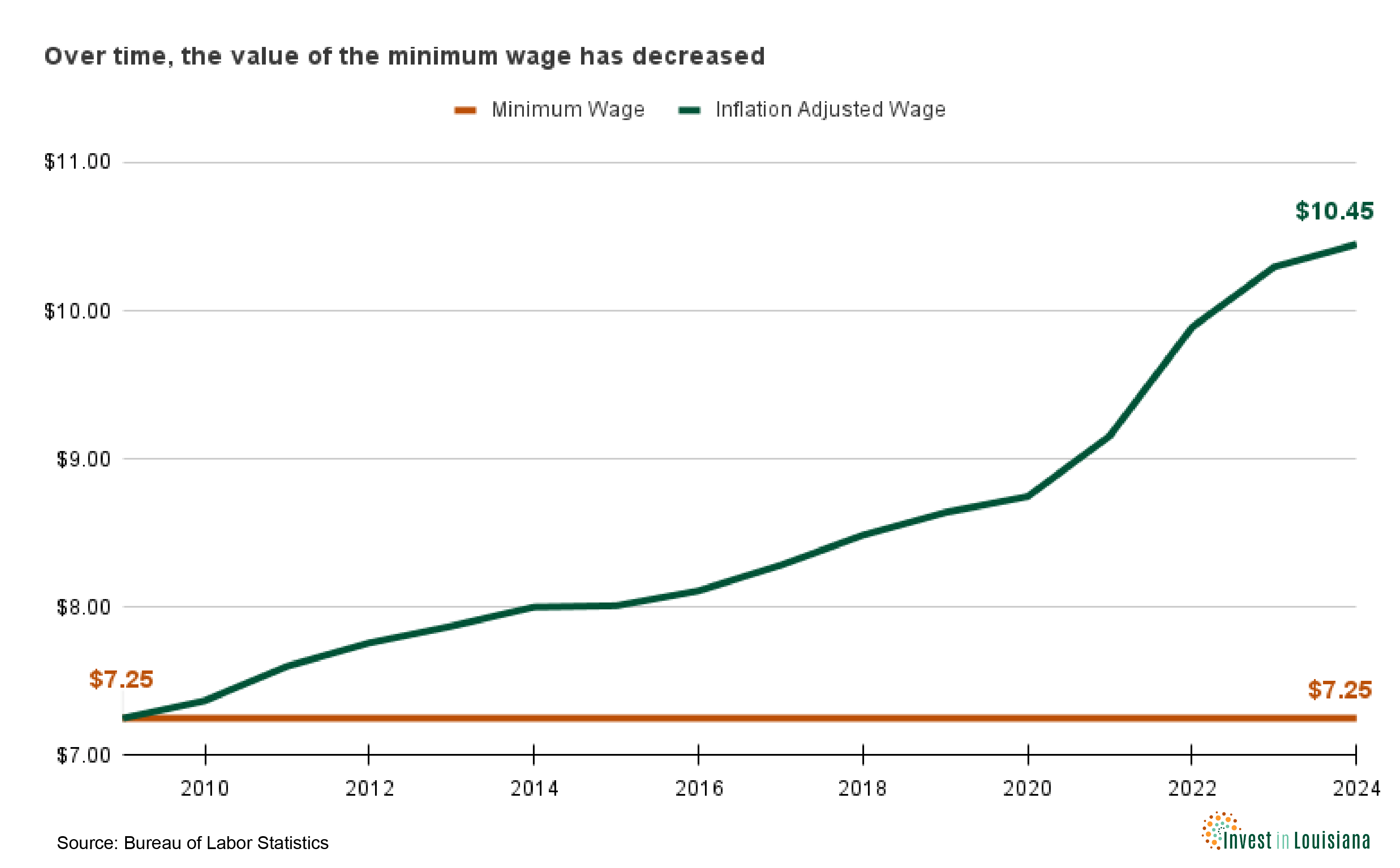
It’s essential for both employees and employers to be aware of this alignment. For employees, this signifies the floor below which their hourly compensation generally cannot fall, barring specific exemptions. For employers, it establishes the baseline for payroll compliance, with the understanding that any deviations could lead to legal repercussions.
Federal Minimum Wage: The Baseline for Louisiana
The Fair Labor Standards Act (FLSA) establishes the federal minimum wage, which acts as the overriding standard in states that have not enacted their own, higher minimum wage. The current federal rate of $7.25 per hour has been in effect since July 24, 2009. This consistent rate underscores the importance of federal legislation in setting a national standard for worker compensation.
-
Coverage and Exemptions: It’s important to note that not all employees are covered by the FLSA. Certain categories of workers, such as independent contractors, some agricultural workers, and individuals employed in specific domestic service roles, may be exempt. Furthermore, tipped employees have a different minimum wage structure, where employers can pay a lower base rate, provided that tips bring their total earnings up to at least the federal minimum wage.
-
Record Keeping: Employers are legally obligated to maintain accurate records of employee hours worked and wages paid. This ensures compliance with minimum wage laws and provides documentation in case of disputes or audits.
The Absence of a State-Specific Minimum Wage
The decision for a state to adopt its own minimum wage above the federal level is a significant policy choice. Louisiana has, for many years, opted not to implement a state-specific minimum wage. This means that businesses operating in Louisiana are primarily governed by federal labor laws concerning minimum wage.
-
Reasons for Non-Adoption: The reasons behind a state’s decision not to raise its minimum wage can be varied. Often, these decisions are influenced by economic considerations, including concerns about the potential impact on businesses, particularly small businesses, and employment levels. Political ideologies and differing views on the role of government in wage setting also play a part in these policy discussions.
-
Implications for Workers: For workers in Louisiana, the absence of a state minimum wage means that their earning potential at the lowest rung of the employment ladder is tied directly to the federal standard. This can be a point of discussion and concern, especially when the cost of living in certain areas of the state may outpace the earnings potential offered by the federal minimum wage.
Factors Influencing Minimum Wage Debates
While Louisiana currently adheres to the federal minimum wage, the broader national conversation surrounding minimum wage levels is continuous. Several factors drive these discussions and could, in the future, influence policy decisions in states like Louisiana.
Economic Indicators and Cost of Living
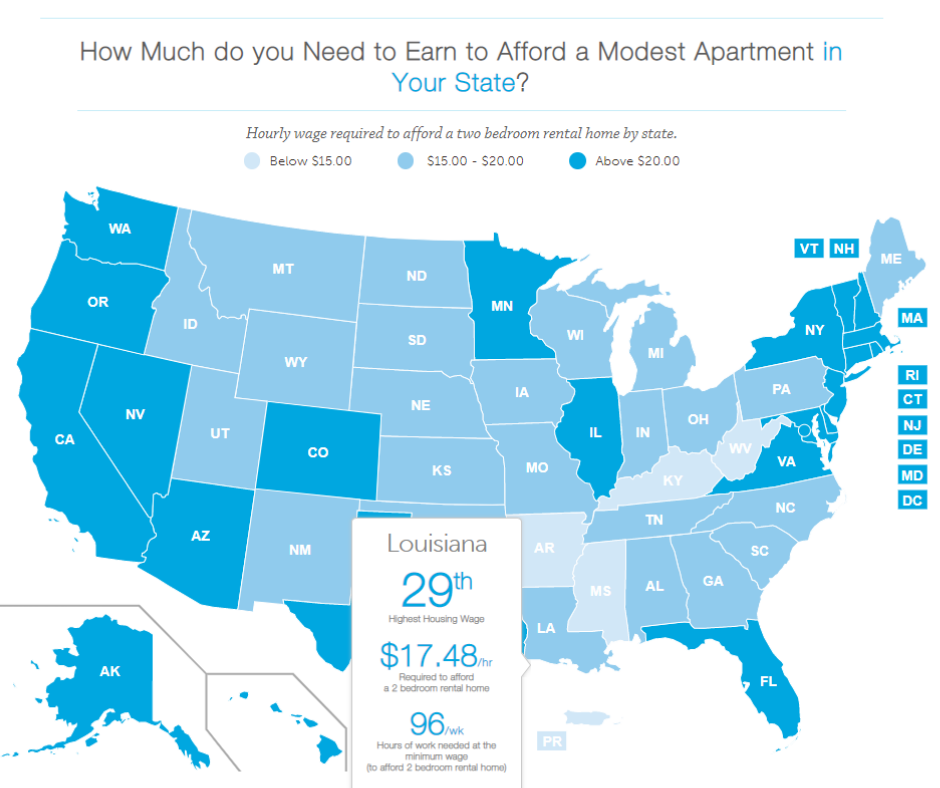
A primary driver of minimum wage debates is the economic reality faced by low-wage workers and the broader economic climate. The cost of living, which includes expenses such as housing, food, transportation, and healthcare, is a critical consideration.
-
Inflation and Purchasing Power: Over time, inflation erodes the purchasing power of a fixed wage. As the cost of essential goods and services increases, the real value of the minimum wage decreases. Proponents of raising the minimum wage often argue that it is necessary to ensure that a full-time worker can afford a basic standard of living.
-
Regional Variations: The cost of living can vary significantly even within a state. While Louisiana as a whole may not have a state minimum wage, the economic realities of cities like New Orleans or Baton Rouge can differ from those in more rural areas. This localized disparity can lead to discussions about whether a single minimum wage adequately addresses diverse economic conditions.
Business Impact and Employment Levels
The potential impact of minimum wage increases on businesses, particularly small businesses, is a central theme in policy debates. Employers often raise concerns about increased labor costs and their ability to absorb these expenses.
-
Labor Costs and Profitability: For businesses with a significant number of minimum wage employees, an increase in the minimum wage can directly translate to higher operating expenses. This can affect profit margins and, in some cases, lead to difficult decisions regarding staffing levels, pricing, or business operations.
-
Job Creation vs. Job Loss: The relationship between minimum wage levels and employment is a subject of extensive economic research and debate. Some studies suggest that moderate increases in the minimum wage have little to no negative impact on overall employment, while others indicate that significant increases could lead to job losses or reduced hiring. The consensus often depends on the magnitude of the increase, the local economic conditions, and the specific industry.
-
Automation and Technological Adoption: In some industries, rising labor costs can also incentivize businesses to invest in automation and technology to reduce their reliance on human labor. This is a complex dynamic where wage policies can intersect with technological advancements.
Social Equity and Poverty Reduction
Beyond economic arguments, minimum wage policies are often viewed through the lens of social equity and poverty reduction. The minimum wage is seen by many as a tool to lift low-income individuals and families out of poverty and to ensure a more equitable distribution of income.
-
Working Poor: The concept of the “working poor” refers to individuals who are employed but whose earnings are insufficient to cover basic living expenses. Advocates for higher minimum wages argue that it is a fundamental step towards addressing this issue and providing a safety net for those in low-wage jobs.
-
Income Inequality: Minimum wage policies can also be discussed in the context of broader income inequality. Raising the minimum wage is often proposed as a way to narrow the gap between the lowest-paid workers and higher earners.
Understanding Tipped Wages in Louisiana
For industries where gratuities are customary, such as restaurants and service-oriented businesses, a separate category of wages applies: tipped wages. Louisiana, like other states, allows employers to pay tipped employees a lower direct wage, with the expectation that tips will supplement their earnings to reach at least the federal minimum wage.
The Federal Tipped Minimum Wage
Under the FLSA, employers can claim a “tip credit,” allowing them to pay tipped employees a minimum cash wage of $2.13 per hour. This rate has also remained unchanged since 1991. However, this is only permissible if the employee’s tips, when added to the cash wage, equal at least the federal minimum wage of $7.25 per hour.
-
The 80% Rule: The employer must inform employees about the tip credit provision. If an employee’s earnings, including tips, do not reach the federal minimum wage of $7.25 per hour during a workweek, the employer must make up the difference.
-
Applicability: This rule applies to employees who customarily and regularly receive more than $30 per month in tips. If an employee’s tips are insufficient to bring their total earnings up to the federal minimum wage, the employer is legally obligated to pay the difference.
Challenges and Considerations for Tipped Workers
The tipped wage system can present unique challenges for workers in Louisiana. While some tipped employees can earn significantly more than the minimum wage through generous tips, others may face greater income instability.
-
Income Volatility: Tips are inherently variable, depending on factors such as customer volume, generosity, and even the day of the week or season. This can lead to significant fluctuations in a tipped worker’s weekly income, making budgeting and financial planning more difficult.
-
Employer Compliance: Ensuring that employers are complying with the tip credit rules and making up any shortfall is crucial for tipped workers. Instances of employers failing to meet their obligations can lead to wage theft claims.
-
Debates on the Tipped Wage System: The tipped wage system itself is a subject of ongoing debate. Some argue for its elimination in favor of a standard minimum wage for all workers, believing it creates a two-tiered system and can disincentivize employers from paying a fair base wage. Others defend the system, arguing it allows for higher earning potential in certain service roles.
The Broader Economic and Social Impact
Understanding the minimum wage in Louisiana, even when it aligns with the federal rate, is important for appreciating its broader economic and social implications. It’s a policy lever that touches upon issues of economic opportunity, poverty, and the overall well-being of the workforce.
Implications for Louisiana’s Economy
The minimum wage, or lack thereof at the state level, has a ripple effect across Louisiana’s economy. While businesses may benefit from a consistent, lower baseline labor cost, the potential for reduced consumer spending among low-wage workers is also a consideration.
-
Consumer Spending: For individuals earning minimum wage, any increase in income can lead to increased spending on goods and services, which can stimulate local economies. Conversely, a stagnant minimum wage may limit the purchasing power of a significant segment of the population.
-
Labor Market Dynamics: The minimum wage influences the attractiveness of certain jobs and industries. In a state where the minimum wage is $7.25, jobs offering slightly above this rate may be more competitive, while jobs at the absolute minimum might struggle to attract and retain workers if other opportunities exist.
Future Outlook and Potential Changes
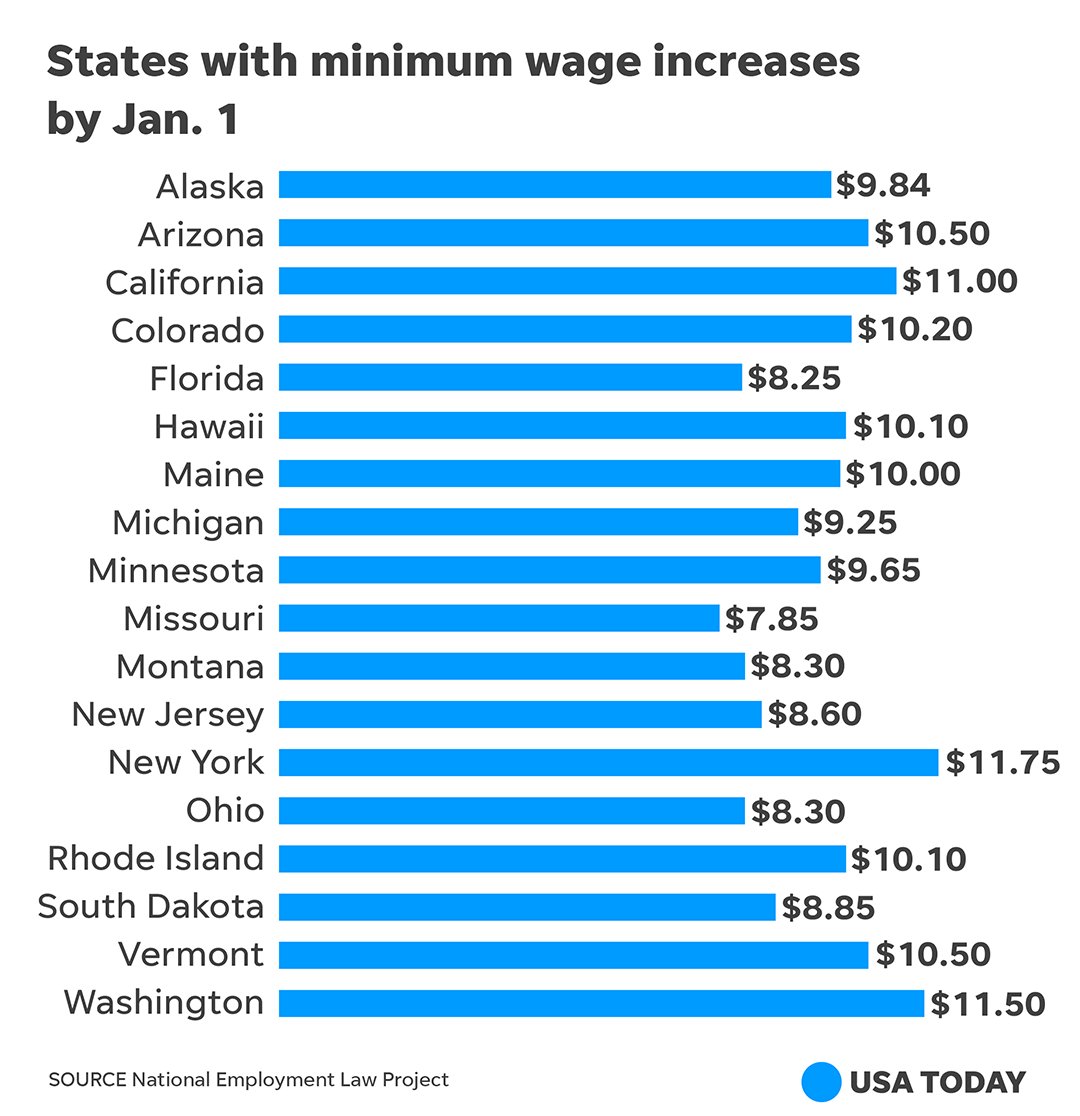
While Louisiana currently defers to the federal minimum wage, the landscape of labor policy is dynamic. Federal and state governments are continuously reviewing and debating wage policies.
-
Federal Minimum Wage Debates: Discussions at the federal level regarding an increase in the national minimum wage are ongoing. If the federal minimum wage were to be raised, it would directly impact Louisiana.
-
State-Level Policy Considerations: While Louisiana has not historically enacted its own minimum wage, there is always the possibility of future legislative action. Public sentiment, economic conditions, and political will can all contribute to shifts in policy over time. Employers and employees alike should stay informed about any proposed changes to wage laws.
In conclusion, the minimum wage in Louisiana is currently set at the federal level of $7.25 per hour. This reality, coupled with the specific rules for tipped employees, forms the bedrock of wage compliance for many businesses in the state. Understanding these regulations, their historical context, and the ongoing debates surrounding them is essential for informed financial decision-making and for navigating the economic landscape of Louisiana.
aViewFromTheCave is a participant in the Amazon Services LLC Associates Program, an affiliate advertising program designed to provide a means for sites to earn advertising fees by advertising and linking to Amazon.com. Amazon, the Amazon logo, AmazonSupply, and the AmazonSupply logo are trademarks of Amazon.com, Inc. or its affiliates. As an Amazon Associate we earn affiliate commissions from qualifying purchases.