
In the dynamic and often complex landscape of technology, effective communication is paramount. Whether you’re a burgeoning startup launching a revolutionary app or an established tech giant introducing a groundbreaking gadget, how you present yourself and your offerings can significantly impact perception, adoption, and ultimately, success. Two fundamental elements that underpin this communication are tone and mood. While often used interchangeably, particularly in casual conversation, understanding their distinct roles in tech branding is crucial for crafting a compelling and cohesive brand identity.
This article delves into the nuanced differences between tone and mood, specifically within the context of technology branding. We will explore how these elements are strategically employed to shape audience perception, foster engagement, and build lasting relationships with users, developers, and investors alike. By dissecting their definitions, applications, and the sophisticated ways they intertwine, we can unlock the secrets to creating tech brands that resonate deeply and effectively.
Understanding the Pillars of Brand Communication: Tone and Mood Defined
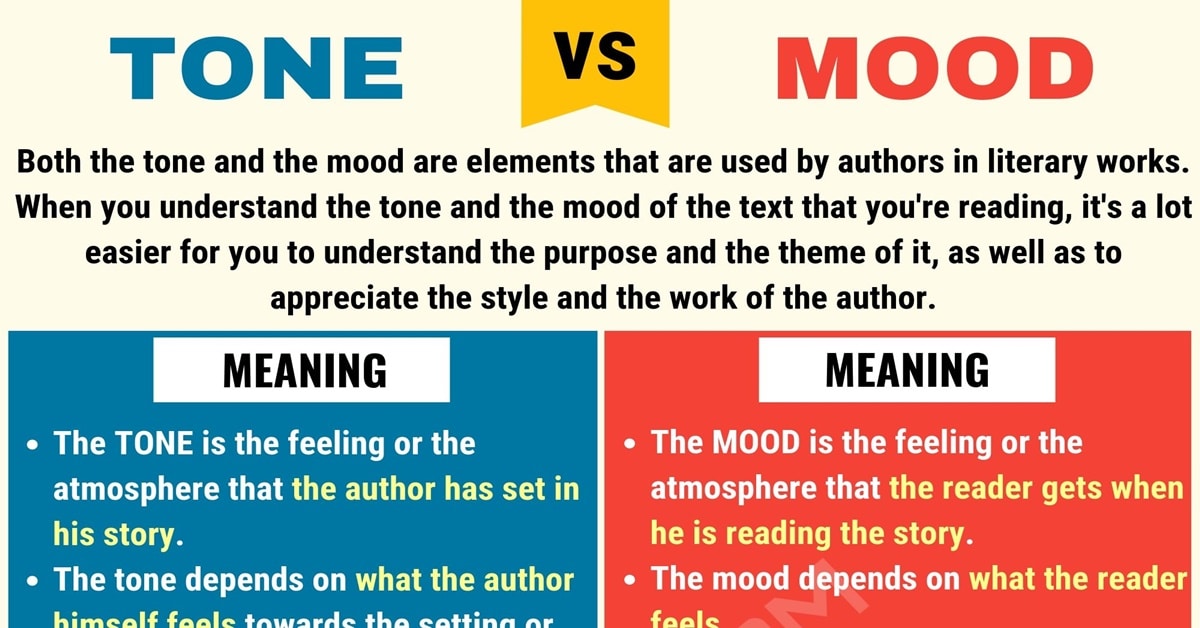
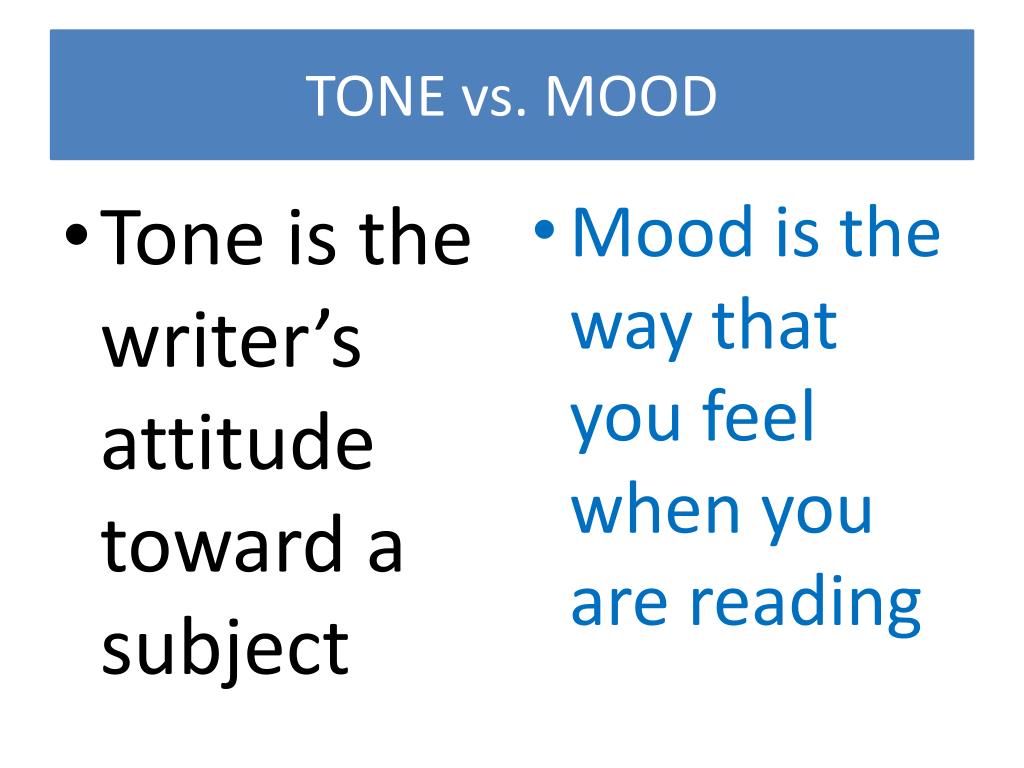
At its core, tone refers to the author’s (or brand’s) attitude toward the subject matter and the audience. It’s the voice that the brand adopts, conveying its personality, emotions, and intentions. Think of it as the deliberate choice of language, sentence structure, and stylistic elements that a brand uses to communicate. In tech branding, tone is consciously crafted to project specific qualities.
Mood, on the other hand, is the atmosphere or feeling that the communication evokes in the audience. It’s the emotional response generated by the tone and the overall presentation. While tone is what the brand says and how it says it, mood is what the audience feels as a result. It’s the palpable emotional resonance that lingers after an interaction with a tech brand.
The Authorial Voice: Crafting the Brand Tone in Tech
The tone of a tech brand is a strategic decision, reflecting its core values, target audience, and the nature of its products or services. It’s not a static entity; it can and should adapt to different communication channels and audiences.
Defining Your Brand’s Voice: From Professional to Playful
- Professional and Authoritative Tone: This tone is often employed by enterprise software companies, cybersecurity firms, or brands focused on highly technical solutions. It conveys expertise, reliability, and seriousness. Language is precise, jargon is used judiciously and explained where necessary, and the focus is on facts, features, and benefits. Think of official documentation, white papers, or corporate announcements. A company like IBM or Microsoft often employs this tone in their more formal communications.
- Innovative and Forward-Thinking Tone: This tone is prevalent among startups, AI companies, and firms pushing the boundaries of what’s possible. It communicates excitement, ambition, and a vision for the future. The language is often energetic, aspirational, and may incorporate slightly more visionary or speculative phrasing. Consider the launch announcements of new AI models or cutting-edge hardware. Companies like OpenAI or Palantir might lean into this tone.
- User-Centric and Empathetic Tone: This is vital for consumer-facing apps, SaaS platforms, and any tech that directly impacts daily lives. It prioritizes understanding and addressing user needs, concerns, and experiences. The language is clear, accessible, and focuses on solutions and support. Customer service interactions, app store descriptions, and user guides often adopt this tone. Companies like Google (in its user support) or Duolingo excel here.
- Playful and Engaging Tone: Some tech brands, particularly in the gaming, entertainment, or social media space, opt for a more lighthearted and approachable tone. This fosters a sense of community and makes the brand feel more human and relatable. Humor, emojis, and more colloquial language can be part of this. Discord or Twitch are prime examples of brands that master this tone.
The Audience Experience: Evoking the Brand Mood in Tech
While tone is about the brand’s expression, mood is about the audience’s reception. It’s the emotional landscape that the brand cultivates. A well-crafted tone directly contributes to the desired mood.
Cultivating Emotional Resonance: The Power of Mood
- Trust and Reliability Mood: This mood is essential for any tech company handling sensitive data or critical infrastructure. It’s fostered by a consistent, professional, and transparent tone. The absence of hyperbole and a clear emphasis on security and data integrity contribute to a feeling of unwavering trust. Imagine the mood evoked by a bank’s security software announcement – it should be one of calm confidence.
- Excitement and Anticipation Mood: This is the desired mood for product launches, beta releases, or significant feature updates. It’s generated by a tone that builds intrigue, hints at revolutionary possibilities, and emphasizes the “wow” factor. Teaser campaigns, carefully worded press releases, and visually stunning reveal events aim to create this electrifying anticipation. Think of the mood surrounding a new iPhone launch.
- Empowerment and Possibility Mood: This mood is cultivated by tech that aims to enhance user capabilities, streamline workflows, or unlock new creative potential. The tone here is often encouraging, supportive, and solution-oriented, leaving users feeling capable and inspired. Educational tech platforms or productivity tools often strive for this mood.
- Comfort and Familiarity Mood: For everyday tech products and services, a mood of comfort and familiarity is key. This is achieved through an intuitive interface, clear communication, and a tone that feels reassuring and accessible. Think of the feeling of ease when navigating a well-designed app or using a familiar operating system.

The Interplay: How Tone Shapes Mood in Tech Branding
The relationship between tone and mood is symbiotic. Tone is the intentional act of communication, and mood is the emotional consequence. A mismatch between the two can lead to confusion, distrust, and a disconnect with the audience.
Aligning Voice with Atmosphere: Strategic Tone Application
- Consistency Across Channels: A brand’s tone should be consistent across all its touchpoints – website copy, social media posts, app interfaces, customer support emails, and even internal communications. This consistency builds a recognizable brand voice and reinforces the desired mood. A brand that is playful on Twitter but overly formal in its user agreements will create a jarring experience.
- Audience-Centric Tone Selection: Understanding your target audience is paramount in selecting the right tone. What language resonates with developers? How do you speak to everyday consumers? What tone will appeal to potential investors? Tailoring the tone to the audience ensures that the brand’s message is not only heard but also understood and felt.
- Contextual Tone Adaptation: While consistency is important, the tone can and should be adapted to the specific context. A bug report response will require a different tone than a marketing campaign for a new feature. The underlying brand personality should remain, but the nuances of the tone can shift to best serve the situation.
Measuring the Emotional Impact: Gauging Brand Mood
- User Feedback and Sentiment Analysis: Monitoring social media mentions, customer reviews, and support interactions can provide valuable insights into the mood a brand evokes. Are users expressing frustration, excitement, or confidence? This data can inform adjustments to tone and messaging.
- Brand Perception Studies: Conducting surveys and focus groups can help tech companies understand how their brand is perceived emotionally by their target audience. This feedback loop is crucial for refining brand strategy.
- A/B Testing Messaging: Experimenting with different tonal approaches in marketing copy or UI text can reveal which resonates most effectively and contributes to the desired mood.
Common Pitfalls and Best Practices in Tech Tonal and Mood Management
Navigating the intricacies of tone and mood in tech branding is not without its challenges. Companies often fall into common traps that can undermine their efforts.
Navigating the Nuances: Avoiding Tonal Missteps
- The Jargon Trap: While some technical jargon is unavoidable, excessive use alienates non-expert audiences and can make a brand seem inaccessible or arrogant. The tone should strive for clarity, explaining complex concepts without oversimplifying to the point of inaccuracy.
- Inauthenticity: A brand’s tone must be genuine and reflective of its true identity. If a startup known for its disruptive innovation suddenly adopts a bland, corporate tone in its press releases, it will feel inauthentic and damage credibility.
- Emotional Disconnect: Failing to acknowledge or address user emotions can be detrimental. A tone that is dismissive of user complaints or overly casual in serious situations will create a negative mood.
- Inconsistency: As mentioned, inconsistent tone across different platforms or communications leads to a fragmented brand identity and can confuse the audience, preventing a cohesive mood from forming.
Cultivating a Cohesive Brand Experience: Key Strategies
- Develop a Comprehensive Brand Style Guide: This document should clearly outline the brand’s voice, acceptable tones for various situations, and examples of effective communication.
- Invest in Skilled Copywriters and Content Strategists: These professionals understand the power of language and can translate brand values into compelling narratives that evoke the desired tone and mood.
- Emphasize Empathy in Customer Interactions: Empowering support teams to communicate with empathy and understanding is crucial for building positive customer experiences and fostering a mood of trust and care.
- Regularly Review and Refine: The tech landscape is constantly evolving, and so too should a brand’s communication strategy. Regularly assessing the effectiveness of tone and mood through feedback and data is essential for staying relevant and impactful.
Conclusion: The Enduring Power of Tone and Mood in Tech Branding
In the hyper-competitive world of technology, building a strong brand is not just about having superior products or innovative features; it’s about forging meaningful connections with your audience. Tone and mood are the invisible architects of these connections. Tone is the deliberate, crafted voice of your brand, expressing its personality and intentions. Mood is the emotional echo it leaves in the hearts and minds of your users, developers, and stakeholders.
By mastering the art of balancing a professional yet approachable tone, a forward-thinking yet grounded voice, and consistently evoking the desired mood of trust, excitement, or empowerment, tech companies can differentiate themselves, build loyalty, and ultimately, achieve lasting success. In an industry driven by rapid change and technological advancement, the human element, communicated effectively through tone and mood, remains a powerful and enduring differentiator. A well-defined and consistently applied tone, meticulously designed to evoke the right mood, is not just good practice – it is fundamental to building a thriving tech brand in the digital age.
aViewFromTheCave is a participant in the Amazon Services LLC Associates Program, an affiliate advertising program designed to provide a means for sites to earn advertising fees by advertising and linking to Amazon.com. Amazon, the Amazon logo, AmazonSupply, and the AmazonSupply logo are trademarks of Amazon.com, Inc. or its affiliates. As an Amazon Associate we earn affiliate commissions from qualifying purchases.