
While often used interchangeably in casual conversation and even on some bar menus, club soda and sparkling water are not the same beverage. The distinction lies not only in their source and production but also, crucially, in their intended applications and the subtle yet significant impact they have on other ingredients when mixed. For those who appreciate the nuances of beverages, whether for personal enjoyment or in a professional setting, understanding these differences is key to making informed choices. This exploration delves into the technicalities of each, focusing on their creation, composition, and the functional implications that set them apart, particularly within the realm of Tech.
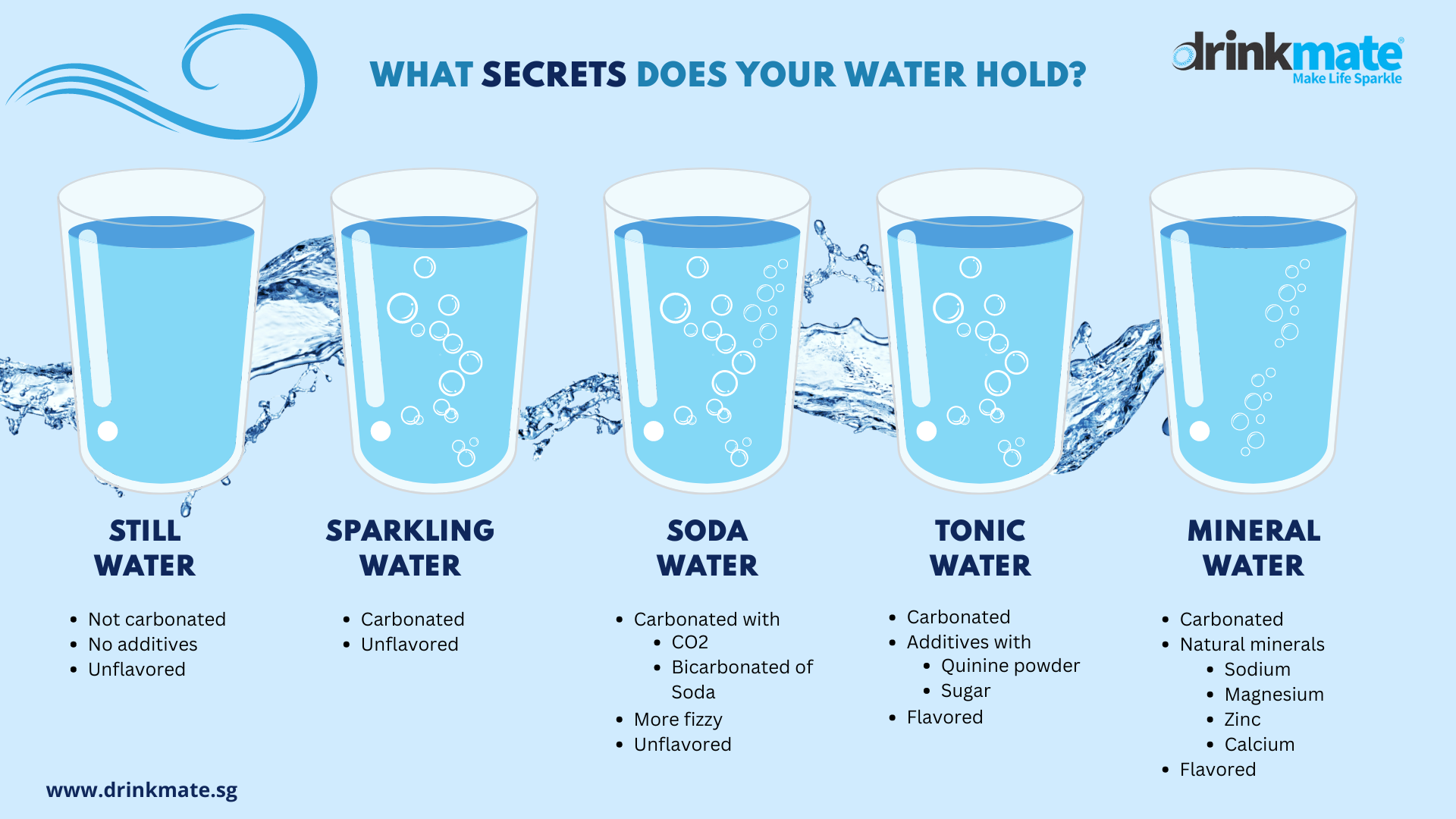
The Genesis of Bubbles: Production and Additives
The fundamental difference between club soda and sparkling water begins at their origin and the methods employed to imbue them with effervescence. While both are carbonated water, the path to achieving those delightful bubbles is distinct, influencing their taste, minerality, and ultimate utility.
Club Soda: A Manufactured Marvel
Club soda is a man-made beverage, meticulously crafted to achieve a specific profile. It starts with purified water, to which carbon dioxide gas is forcibly injected under pressure, creating the characteristic fizziness. However, what truly distinguishes club soda are the dissolved mineral salts that are added during the carbonation process. These aren’t naturally occurring; they are intentionally introduced to mimic the taste profile of naturally carbonated mineral waters, often imparting a slightly “salty” or “minerally” taste.
The most common additives include:
- Sodium bicarbonate (baking soda): This alkaline salt contributes to the effervescence and can subtly influence the pH of the water. It’s also the reason club soda is sometimes cited as having mild antacid properties, though this is not its primary purpose.
- Potassium sulfate: This additive contributes to the overall minerality and can affect the mouthfeel.
- Sodium citrate: Often used as a flavoring agent and acidity regulator, it can contribute a faint tanginess.
- Potassium chloride: This salt is sometimes added to enhance flavor and mimic the mineral content of certain natural springs.
The precise blend of these additives can vary by manufacturer, leading to slight taste differences between brands. However, the overarching goal is to create a consistent, slightly savory flavor that is distinct from plain water. This controlled production process ensures that club soda offers a predictable effervescence and a subtle, but noticeable, flavor profile, making it a reliable ingredient in various applications where consistency is paramount.
Sparkling Water: Nature’s Effervescence and Beyond
Sparkling water, in its purest form, refers to water that is naturally carbonated by geological processes. This occurs when underground water sources, like springs, absorb carbon dioxide from volcanic activity or other natural phenomena. The resulting beverage is characterized by its natural minerality, which can vary significantly depending on the specific spring and the dissolved minerals present. These natural mineral waters can range from very mild to intensely flavored, often with distinct tasting notes that reflect their unique geological origins.
However, the term “sparkling water” has also expanded to encompass a broader category that includes:
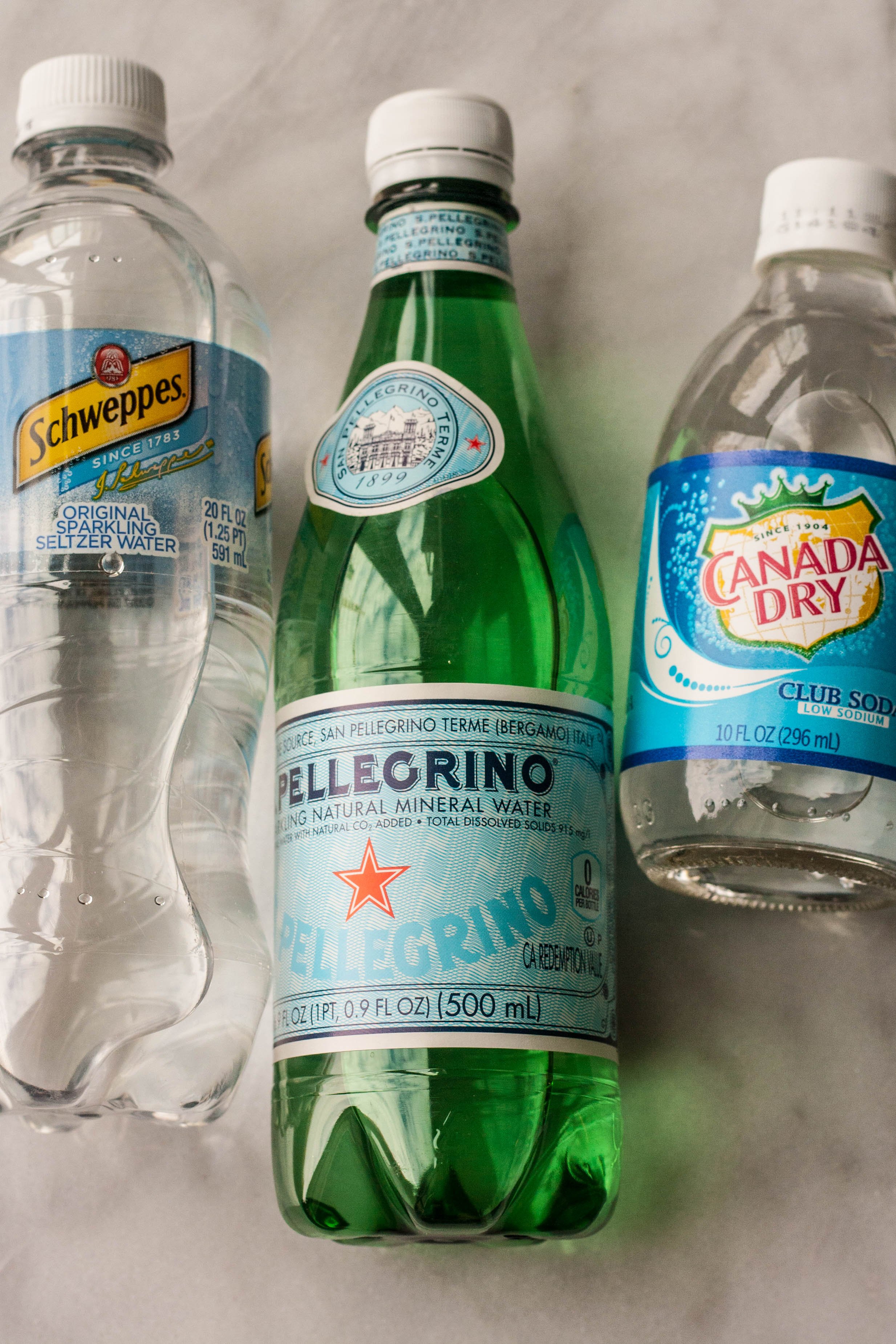
- Naturally Sparkling Mineral Water: This is the premium category, sourced directly from springs with inherent carbonation and a unique mineral composition. Brands like Perrier and San Pellegrino fall into this classification, each offering a distinct taste profile due to their specific geological source.
- Seltzers: Seltzer water is essentially purified water that has been artificially carbonated with carbon dioxide, similar to club soda. The key difference is that seltzers typically do not contain added mineral salts. Therefore, they are more neutral in taste, often described as crisp and clean, without the slight saltiness or tang associated with club soda.
- Carbonated Water: This is a more generic term that can encompass both artificially carbonated water and naturally carbonated water. It is the broadest category and can be used to refer to any water that has been infused with carbon dioxide.
The distinction between naturally carbonated mineral water and artificially carbonated versions like seltzer is important. While both offer bubbles, the natural variations in mineral content in the latter can influence mouthfeel and subtly affect how other flavors interact with the beverage. This is a crucial consideration when aiming for specific flavor profiles in the beverage industry or in culinary applications.
The Technological Interface: Applications and Considerations

The differences in production and composition between club soda and sparkling water translate directly into their performance and suitability for various applications, especially within the technical realms of beverage formulation and data-driven flavor profiling.
The Cocktail Conundrum: Flavor Profiles and Interactions
In the world of mixology, the choice between club soda and sparkling water can significantly impact the final drink. This is where the subtle differences become amplified by the presence of other ingredients.
- Club Soda’s Contribution: The added minerals in club soda, particularly the sodium bicarbonate and citrate, can subtly alter the pH and flavor of a cocktail. This can be beneficial in certain drinks, adding a slight dryness or a hint of salinity that complements spirits like gin or vodka. For instance, in a classic Gin and Tonic, club soda can provide a crisp effervescence and a subtle mineral undertone that enhances the botanical notes of the gin. Its slightly savory character can also help to cut through sweetness, balancing out richer or fruitier cocktails. However, for delicate flavors, the added minerals might overpower or clash, leading to an undesirable taste.
- Sparkling Water’s Neutrality (and Variability): Seltzer and unflavored sparkling water offer a cleaner slate. Their lack of added minerals means they primarily contribute carbonation without significantly altering the underlying flavor profile of the mixed ingredients. This makes them ideal for showcasing the primary flavors of spirits, liqueurs, and fresh juices. For cocktails where the purity of flavor is paramount, such as a Mojito where the mint and lime should shine, seltzer is often the preferred choice. Conversely, naturally carbonated mineral waters, with their inherent minerality, can add another layer of complexity to a drink. Some bartenders appreciate the specific mineral notes of certain sparkling waters, using them to complement or contrast with the other components of a cocktail. However, the variability in mineral content means that consistency can be a challenge if not carefully managed, which is where the controlled output of club soda or seltzer offers an advantage.
Beyond the Bar: Functional Roles in Food Science and Data
The precise chemical composition of carbonated beverages extends beyond their taste and mouthfeel, influencing their behavior in more technical applications, particularly in food science and data analysis.
- pH and Acidity Control: The slightly alkaline nature of club soda, due to added bicarbonates, means it can have a minor buffering effect on acidity. This is a critical consideration in food science when developing formulations where precise pH levels are required for stability, preservation, or texture. For example, in some baking applications or the creation of sauces, the slight pH adjustment provided by club soda might be leveraged to achieve a desired outcome. Sparkling water, particularly unflavored seltzer, offers a more neutral pH, making it a predictable choice when the goal is simply to add carbonation without affecting the overall acidity of a food product.
- Texture and Mouthfeel Engineering: The type and size of carbonation bubbles, influenced by the dissolved minerals and the carbonation process, can affect the perceived texture of food and beverages. In food technology, understanding how these dissolved solids interact with other ingredients is crucial for creating specific textural experiences. For instance, the way bubbles release and interact with fats or proteins can influence the perceived crispness or creaminess of a product.
- Data-Driven Beverage Development: In modern beverage development, sophisticated analytical tools are employed to understand the complex interplay of ingredients. This includes spectroscopic analysis to identify mineral compositions, rheological studies to measure viscosity and mouthfeel, and sensory analysis to quantify taste perception. Club soda, with its defined additive profile, provides a more consistent data point for these studies compared to the inherent variability of some natural sparkling waters. This allows for more predictable modeling of flavor interactions and the development of new beverage formulations with engineered properties. For instance, when developing a new carbonated beverage, researchers might use club soda as a baseline to understand how specific flavor compounds behave under carbonation, then adjust the mineral profile or carbonation method to achieve a desired outcome. The ability to precisely control these variables is a hallmark of technologically advanced beverage production.
Decoding the Labels: Identifying and Utilizing
Navigating the beverage aisle can be confusing, but understanding a few key indicators can help you choose the right carbonated water for your needs. The differences, while subtle to the casual drinker, have significant implications for specific applications, particularly when precision and predictable outcomes are desired.
The Fine Print: Ingredient Lists and Brand Positioning
The most straightforward way to differentiate is by examining the ingredient list. This is where the technological distinctions become transparent.
- Club Soda: Look for “carbonated water” as the first ingredient, followed by a list of minerals. Common inclusions are sodium bicarbonate, potassium sulfate, sodium citrate, and potassium chloride. The presence of these specific added salts is the hallmark of club soda. Brands that position themselves as providing a mixer for cocktails or as a neutral but effervescent base often fall into this category.
- Sparkling Water: This category can be more nuanced.
- Naturally Carbonated Mineral Water: These labels will typically state “naturally carbonated” and often highlight the source spring. The ingredient list might simply state “water” or list naturally occurring minerals that are part of the spring’s composition, such as calcium, magnesium, and potassium. The flavor profile will be attributed to these natural minerals.
- Seltzer: The ingredient list for seltzer will usually just state “carbonated water.” There should be no mention of added mineral salts. Seltzers are marketed as pure, unflavored carbonated water, emphasizing their neutrality.
- Flavored Sparkling Water: If flavorings (natural or artificial) are present, they will be listed separately. These can be added to either seltzer or, less commonly, naturally carbonated water. It’s important to distinguish between flavored and unflavored versions, as the added flavors can significantly alter the beverage’s interaction with other ingredients.
Strategic Selection: From Home Bar to Lab
The conscious decision of which carbonated water to select is rooted in understanding its intended function and the desired outcome. This is particularly relevant in areas that rely on precise ingredient interactions.
- For the Home Mixologist: If you’re aiming for classic cocktails where a clean, neutral effervescence is desired to let other flavors shine, opt for seltzer or unflavored sparkling water. If you appreciate a slight savory complexity that can complement certain spirits, club soda can be a superior choice. Experimentation is key, but understanding the potential impact of added minerals will guide your selections.
- For Culinary Applications: In cooking and baking, where pH and flavor neutrality are often paramount, seltzer or a very mild mineral water might be preferred. Club soda’s added minerals could potentially interfere with delicate flavor profiles or chemical reactions in baking. However, in specific savory dishes, the slight mineral notes of club soda might be intentionally incorporated.
- For Research and Development: In the food and beverage industry, where product development relies on precise control and replicable results, understanding the exact chemical composition of carbonated waters is non-negotiable. Club soda’s predictable mineral additive profile makes it a valuable tool for standardized testing and the development of new formulations. Similarly, the analysis of naturally occurring minerals in specific sparkling waters allows for the creation of products with unique and desirable taste profiles, often informed by sophisticated data analytics that map mineral compositions to sensory experiences. The ability to accurately measure and manipulate these variables is a direct application of scientific principles in a commercial context.
In conclusion, while both club soda and sparkling water offer the refreshing sensation of bubbles, their distinctions are rooted in their creation, chemical composition, and ultimately, their functional capabilities. For those operating within fields that demand precision, predictability, and a deep understanding of ingredient interactions, such as in the tech-driven world of beverage formulation and scientific research, recognizing these differences is not merely a matter of preference, but a critical element for achieving desired outcomes and driving innovation.
aViewFromTheCave is a participant in the Amazon Services LLC Associates Program, an affiliate advertising program designed to provide a means for sites to earn advertising fees by advertising and linking to Amazon.com. Amazon, the Amazon logo, AmazonSupply, and the AmazonSupply logo are trademarks of Amazon.com, Inc. or its affiliates. As an Amazon Associate we earn affiliate commissions from qualifying purchases.