
A blown head gasket is one of the most dreaded and potentially costly automotive repairs a vehicle owner can face. It signifies a failure in a critical component that separates the engine’s combustion chambers from the surrounding coolant and oil passages. When this seal breaks, it can lead to a cascade of problems, from overheating and loss of power to internal engine damage. Understanding the root causes of head gasket failure is crucial for proactive maintenance, early detection, and ultimately, preventing a minor issue from escalating into a catastrophic engine failure. While the complexity of an internal combustion engine offers numerous points of potential failure, several primary culprits consistently contribute to head gasket demise.
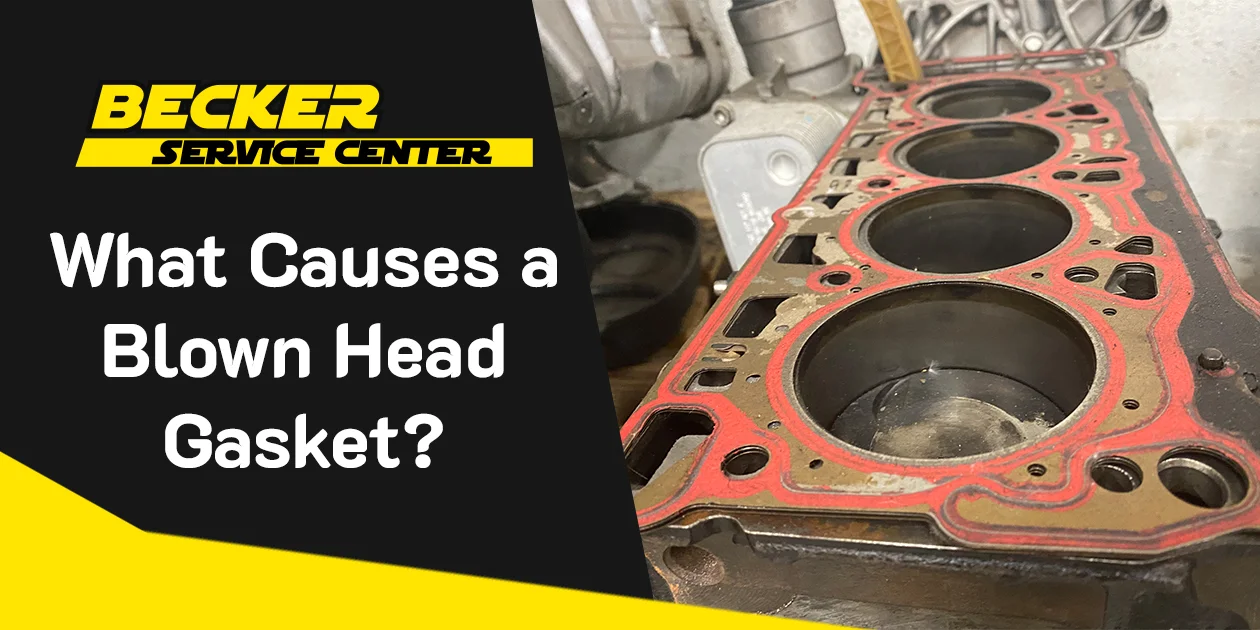
The Engine’s Critical Seal: Understanding the Head Gasket’s Role
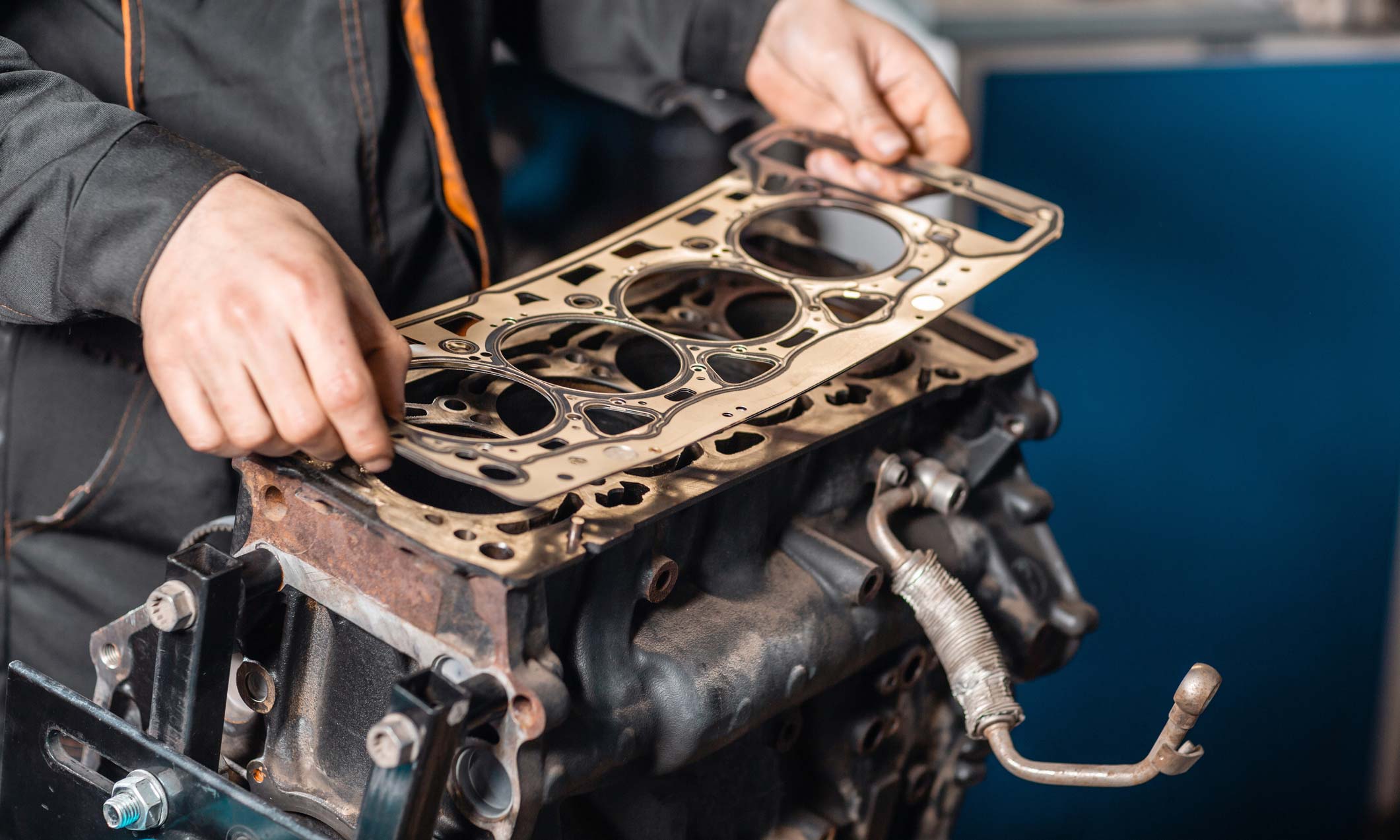
The head gasket is more than just a piece of material; it’s a meticulously engineered component designed to withstand extreme conditions. Its primary function is to create a hermetic seal between the cylinder head and the engine block. This seal is paramount for several reasons, each contributing to the engine’s efficient and safe operation.
Maintaining Combustion Integrity
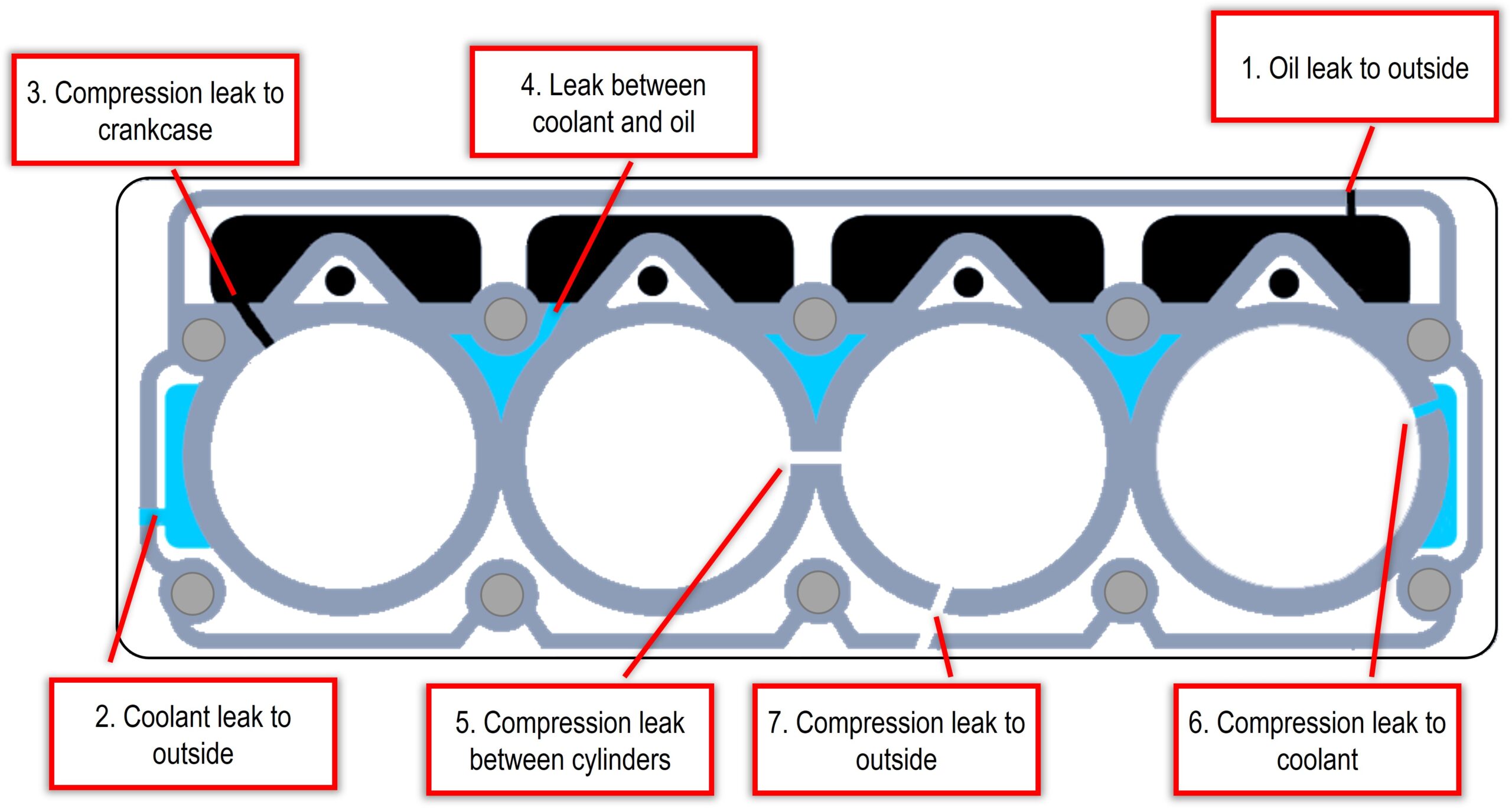
Within each cylinder, a precisely timed explosion of fuel and air occurs. This combustion process generates immense pressure and heat. The head gasket’s role here is to ensure that this pressure is contained solely within the combustion chamber, driving the piston downwards. A breach in the gasket could allow this high-pressure gas to escape into adjacent coolant or oil passages, disrupting the combustion process and leading to a loss of engine power.
Preventing Fluid Cross-Contamination
The engine also relies on distinct fluid systems: the cooling system (circulating coolant) and the lubrication system (circulating oil). The head gasket acts as a barrier, preventing these fluids from mixing. Coolant flowing into the combustion chamber can vaporize and be expelled as steam, leading to a loss of coolant and potential overheating. Oil entering the combustion chamber will burn, creating excessive blue smoke from the exhaust and fouling spark plugs. Conversely, if coolant enters the oil, it can degrade the oil’s lubricating properties, leading to increased wear on critical engine components.
Managing Heat Transfer
While primarily a sealant, the head gasket also plays a role in managing heat. It facilitates the transfer of heat generated during combustion away from the cylinder head and into the cooling system. This controlled heat dissipation is vital for preventing the cylinder head from reaching critical temperatures that could lead to warping or other thermal damages.
Common Mechanical Stressors Leading to Head Gasket Failure
The relentless cycles of combustion, thermal expansion, and immense pressure take a significant toll on the head gasket. Over time, these mechanical stresses can weaken the gasket material, creating microscopic cracks that eventually develop into full-blown leaks.
Overheating: The Silent Killer
Perhaps the most frequent and significant contributor to head gasket failure is engine overheating. When an engine’s cooling system malfunctions, coolant levels drop, the thermostat sticks closed, or the water pump fails, the engine temperature can rise rapidly. This excessive heat causes the metal components of the engine, including the cylinder head and engine block, to expand beyond their normal tolerances. This differential expansion can exert immense pressure on the head gasket, squeezing it and compromising its sealing integrity. Repeated or severe overheating events can permanently deform or even melt sections of the gasket.
Signs of Overheating and Potential Head Gasket Issues:
- Temperature Gauge Rising: The most obvious sign is the engine temperature gauge climbing into the red zone.
- Steam from Under the Hood: This indicates that coolant is escaping and vaporizing due to extreme heat.
- Sweet Smell: Burning coolant often emits a distinct sweet aroma.
- Loss of Coolant: Frequent need to top up the coolant reservoir without any visible external leaks.
Excessive Engine Load and Abuse
Engines are designed to operate within specific parameters. Pushing an engine beyond its intended limits, such as prolonged high-RPM operation under heavy load (e.g., towing a very heavy trailer uphill in a low gear, aggressive racing without proper cooling), can generate exceptionally high combustion pressures and temperatures. This sustained stress can accelerate wear on the head gasket, making it more susceptible to failure. Similarly, improper engine tuning, leading to overly advanced ignition timing or a lean fuel-air mixture, can result in detonation or pre-ignition, both of which create uncontrolled, destructive pressure spikes within the combustion chamber that directly impact the head gasket.
Age and Material Degradation
Like all components in a vehicle, the head gasket has a finite lifespan. Over years and countless combustion cycles, the materials used in its construction will inevitably degrade. Elastomers can become brittle, composite layers can delaminate, and metal components can fatigue. While modern head gaskets are built with advanced materials designed for durability, they are not immune to the effects of time and constant stress. Engines with high mileage are statistically more likely to experience head gasket issues due to the cumulative wear and tear on all its components.
Chemical and Environmental Factors Contributing to Failure
Beyond the mechanical forces, various chemical and environmental factors can also degrade the head gasket and contribute to its eventual failure.
Coolant Contamination and Degradation
The coolant within an engine’s cooling system is a carefully formulated mixture of antifreeze and distilled water, often with corrosion inhibitors. Over time, this coolant can become contaminated. If the wrong type of coolant is used, or if contaminants like rust or debris enter the system, the coolant’s ability to protect the engine and its components, including the head gasket, is compromised. Degraded coolant loses its anti-corrosion properties, allowing internal engine parts to corrode, which can weaken the gasket’s mating surfaces. Furthermore, the addition of certain additives or the presence of combustion byproducts can chemically attack the gasket material itself.
Oil Contamination and Breakdown
Similar to coolant, engine oil also plays a critical role in protecting the head gasket. If the engine is severely lacking oil, or if the oil is significantly degraded and no longer providing adequate lubrication, friction and heat increase dramatically. This can cause localized hot spots that stress the gasket. Moreover, if oil becomes contaminated with coolant or combustion byproducts, its effectiveness is diminished, and it can even contribute to gasket deterioration.
Improper Installation or Manufacturing Defects
While less common, issues with the installation process or inherent manufacturing defects can also lead to premature head gasket failure. If the cylinder head or engine block mating surfaces are not properly cleaned and prepared before gasket installation, debris can be trapped, leading to an imperfect seal. Overtightening or uneven tightening of the cylinder head bolts can also warp the cylinder head or engine block, creating stress points on the gasket. In rare cases, a manufacturing defect in the gasket itself, such as a weak point in its layered structure or a flaw in the sealing material, can lead to an early failure.
Detecting and Preventing Head Gasket Failure
Early detection of head gasket issues can save significant repair costs and prevent more extensive engine damage. Moreover, a proactive approach to engine maintenance can significantly extend the life of this critical component.
Recognizing the Warning Signs
As mentioned earlier, several symptoms can indicate a failing head gasket. These include:
- White Smoke from the Exhaust: This is a classic sign of coolant entering the combustion chamber and being burned as steam. The smoke may have a sweet smell.
- Milky or Foamy Oil: This occurs when coolant mixes with engine oil, often visible on the dipstick or in the oil filler cap.
- Bubbles in the Coolant Reservoir: When combustion gases leak into the cooling system, they can create pressure and cause bubbles to appear in the coolant reservoir.
- Loss of Engine Power: A blown head gasket can disrupt combustion, leading to a noticeable decrease in engine performance.
- Overheating: As discussed extensively, this is a primary symptom and often a cause of head gasket failure.
- External Leaks: In some cases, coolant or oil may leak externally from the area between the cylinder head and engine block.
Proactive Maintenance Strategies
The best defense against a blown head gasket is diligent and consistent maintenance.
- Regular Coolant Checks and Flushes: Ensure coolant levels are always adequate and that the coolant is replaced at the manufacturer’s recommended intervals. This removes contaminants and ensures the coolant’s protective properties are maintained.
- Oil Changes: Adhere to recommended oil change schedules, using the correct type and viscosity of oil. This ensures proper lubrication and heat dissipation.
- Monitor Engine Temperature: Pay attention to your car’s temperature gauge. If it starts to climb, address the issue immediately before it leads to overheating.
- Address Minor Leaks Promptly: Don’t ignore small coolant or oil leaks, as they can be indicators of larger problems or lead to fluid loss that stresses other components.
- Avoid Engine Abuse: Drive your vehicle within its designed operating parameters. Avoid prolonged high-RPM operation under heavy load unless your vehicle is specifically equipped for such tasks.
- Professional Inspections: Have your vehicle inspected regularly by a qualified mechanic who can identify potential issues before they become serious.
In conclusion, the cause of a blown head gasket is rarely a single event but rather a culmination of mechanical stress, thermal cycling, and potential chemical degradation. By understanding the critical role of the head gasket, recognizing the warning signs, and committing to diligent maintenance, vehicle owners can significantly reduce their risk of facing this costly and disruptive automotive repair.
aViewFromTheCave is a participant in the Amazon Services LLC Associates Program, an affiliate advertising program designed to provide a means for sites to earn advertising fees by advertising and linking to Amazon.com. Amazon, the Amazon logo, AmazonSupply, and the AmazonSupply logo are trademarks of Amazon.com, Inc. or its affiliates. As an Amazon Associate we earn affiliate commissions from qualifying purchases.